 EN
EN


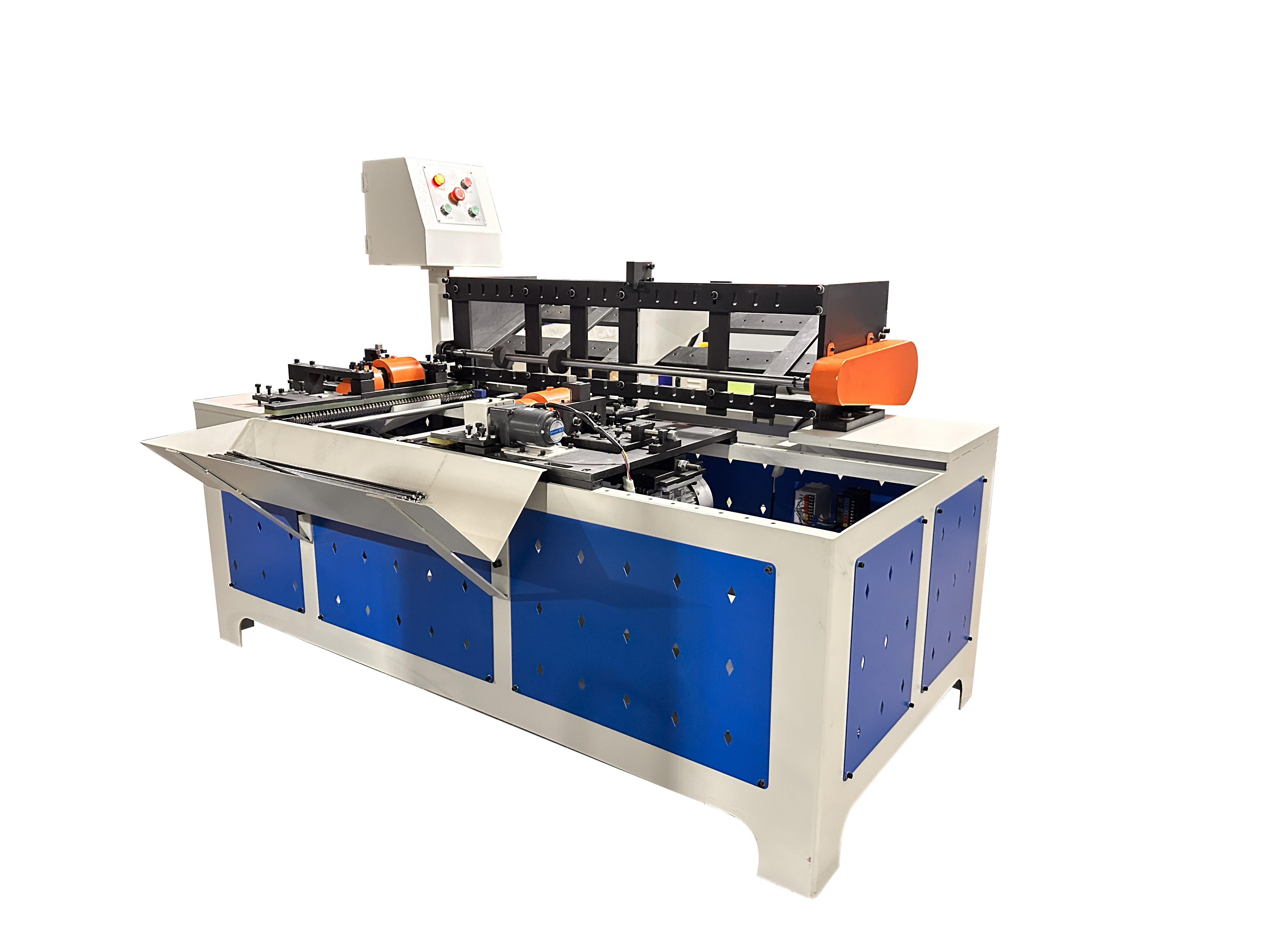
Cutting wire and metal rods to length is only one part of the production process. For many applications, the quality of the cut ends directly affects the next manufacturing step.
A sharp edge, burr or uneven end can create problems during assembly, welding, feeding and handling. It can also make an otherwise accurate wire or rod product difficult to install or uncomfortable to handle.
This is where a double end chamfering machine can make a significant difference. By processing both ends of a workpiece with controlled chamfering, manufacturers can improve end quality, reduce manual finishing and create more consistent parts for downstream production.
For companies processing large quantities of wire and metal rods, the goal is not simply to remove burrs. It is to achieve repeatable end geometry, stable production efficiency and consistent surface quality.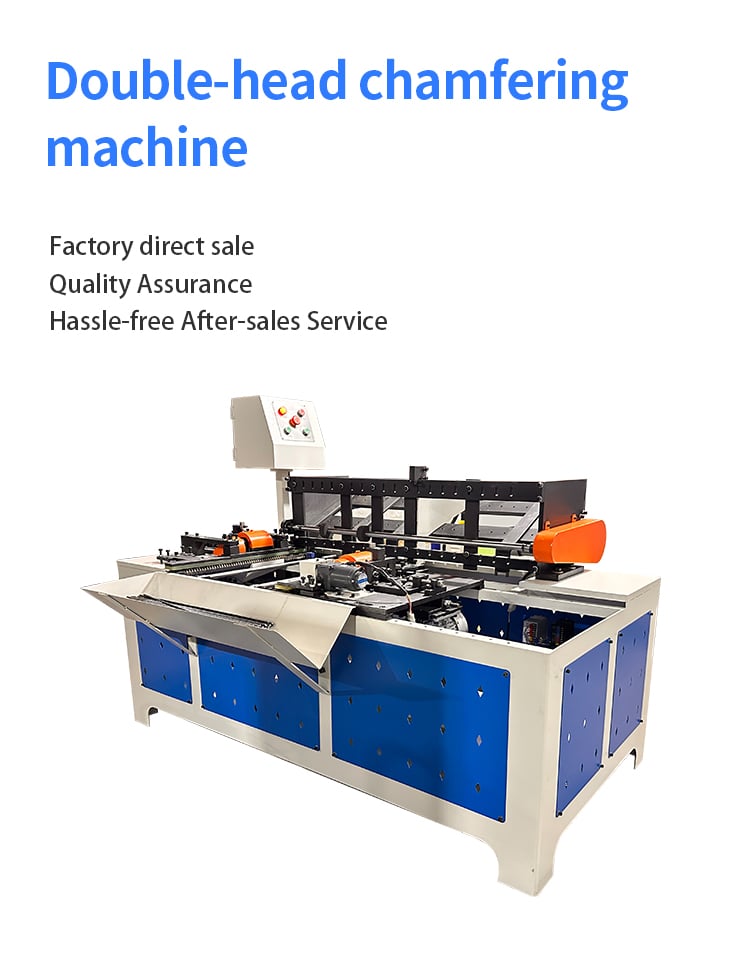
1. Why Cut Wire and Rod Ends Require Chamfering
After wire or metal rod is cut, the end may not be perfectly smooth. Depending on the material, cutting method, tool condition and production parameters, the cut surface can contain burrs, sharp edges or slight deformation.
These problems may appear small, but they can become important when the component enters an automated production line.
Burrs Can Affect Assembly
A sharp or irregular end may make it harder for a rod or wire component to enter a hole, sleeve, tube or mating part.
For example, when a metal rod needs to be inserted into another component, a controlled chamfer creates a smoother transition at the end. This can reduce interference during insertion and make manual or automated assembly more stable.
Sharp Edges Can Create Handling Problems
Sharp wire and rod ends can create problems when operators need to inspect, sort, package or transfer large quantities of finished parts.
Reducing sharp edges through controlled chamfering can make the finished workpieces easier and more comfortable to handle.
End Quality Can Influence Welding
In applications where the cut end is subsequently welded, the geometry and surface condition of the workpiece can influence positioning and repeatability.
A consistent end preparation can help control how components contact and align before the next production process.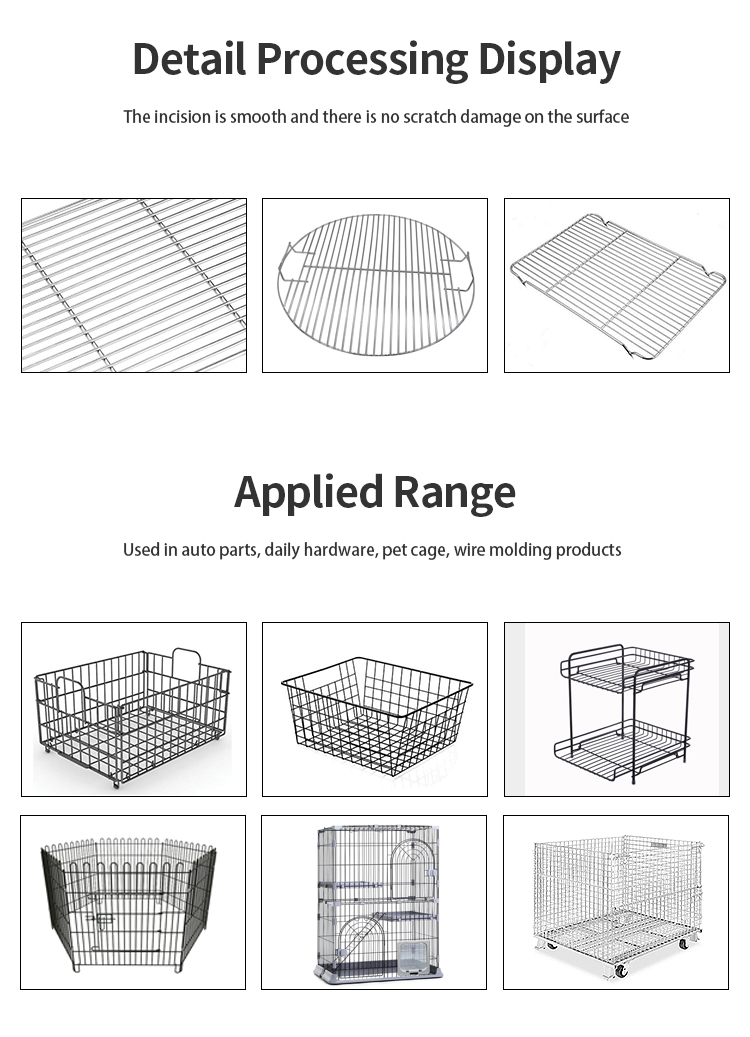
2. How a Double-End Chamfering Machine Works
A double end chamfering machine is designed to process the two ends of a workpiece in a controlled and repeatable way.
Instead of relying on operators to manually finish each end, the machine uses a positioning and machining system to process the required end geometry.
The exact configuration can vary according to the workpiece diameter, material, chamfer dimensions, production volume and required tolerance.
Double-End Processing Improves Efficiency
With conventional manual processing, each workpiece may need to be handled multiple times.
One end is processed first, followed by repositioning the part before the other end can be finished. This increases handling time and can introduce additional variation between workpieces.
This can reduce unnecessary handling and make the workflow more suitable for high-volume production.
Consistent Positioning Is Important
Chamfering is not only about removing material from the end.
The machine must also maintain stable positioning so that the chamfer length, angle and location remain consistent from one workpiece to another.
For automated production, this repeatability is especially important because downstream equipment expects parts with predictable dimensions.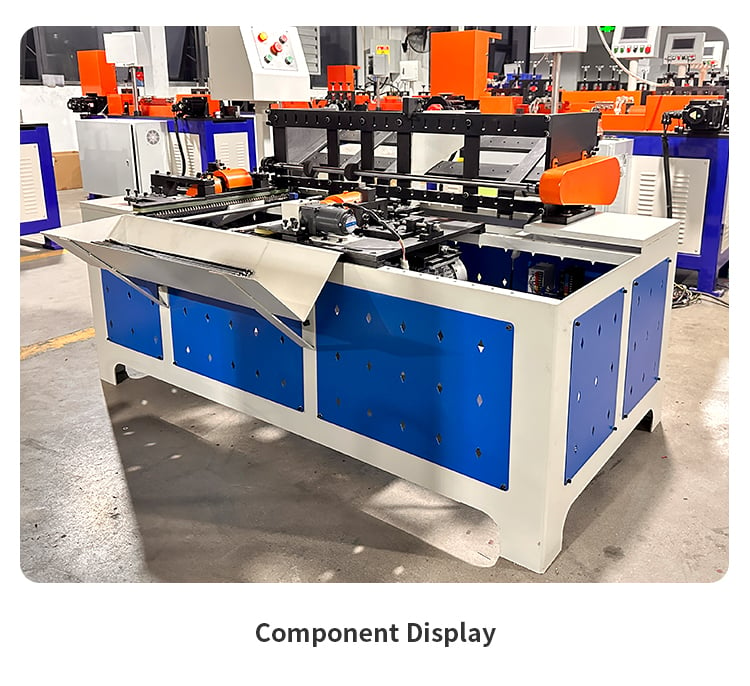
3. Benefits for Assembly, Welding and Operator Safety
Chamfering becomes especially valuable when wire or metal rods are used as components in another manufacturing process.
Easier Assembly
A controlled chamfer can make the end of a rod easier to insert into a hole, tube or connecting component.
This is useful for manufacturers producing frames, brackets, furniture components, hardware parts and other products where components need to be assembled repeatedly.
More Stable Downstream Processing
When the ends of workpieces have a more consistent geometry, downstream processes can operate with fewer variations.
For automated lines, this can help reduce problems caused by irregular workpiece positioning.
Better Welding Preparation
Some applications require the cut workpiece to be positioned or welded after chamfering.
Consistent end preparation can make component positioning more predictable and help manufacturers maintain a more stable welding process.
The exact effect depends on the material, welding method, joint design and required product specification.
More Comfortable Manual Handling
Removing or reducing sharp edges can also improve the handling experience for operators.
This is particularly relevant when large quantities of cut rods or wires need to be collected, inspected, packed or transferred between production stages.
4. Material Differences for Carbon Steel and Stainless Steel
Material is one of the key factors when selecting a chamfering solution.
Different steel materials can have different hardness, strength and machining characteristics. These differences can affect tool selection, machining parameters, surface finish and production efficiency.
Carbon Steel
Carbon steel wire and rods are widely used in industrial components, hardware, frames, brackets and other metal products.
When processing carbon steel, the appropriate chamfering configuration should be selected according to the actual material grade, diameter, hardness, chamfer dimensions and production volume.
For high-volume production, stable tooling and consistent positioning are particularly important for maintaining repeatable end quality.
Stainless Steel
Stainless steel has different machining characteristics from carbon steel and may require different processing parameters.
For stainless steel applications, manufacturers should pay particular attention to the required surface quality, material grade, wire or rod diameter and chamfer dimensions.
If the finished component has strict appearance or dimensional requirements, these details should be confirmed before selecting the machine and tooling.
Material Information Matters
Simply telling a machine supplier that the material is “steel” may not provide enough information for accurate machine selection.
Whenever possible, provide the material grade, wire or rod diameter, product drawing and required chamfer specifications.
This allows the machine supplier to evaluate the application more accurately.
5. Chamfer Angle, Length Consistency and Surface-Quality Checks
A good chamfering process should be evaluated by more than whether a visible chamfer exists.
Manufacturers should also consider the geometry and consistency of the finished ends.
Chamfer Angle
The chamfer angle should match the requirements of the final application.
An incorrect angle may affect assembly, positioning or the appearance of the finished component.
Chamfer Length
Chamfer length should remain consistent between workpieces.
If one workpiece has a significantly longer or shorter chamfer than another, the difference may affect assembly dimensions or downstream processing.
Surface Quality
The finished chamfer should be checked for excessive tool marks, deformation, remaining burrs or other unwanted surface conditions.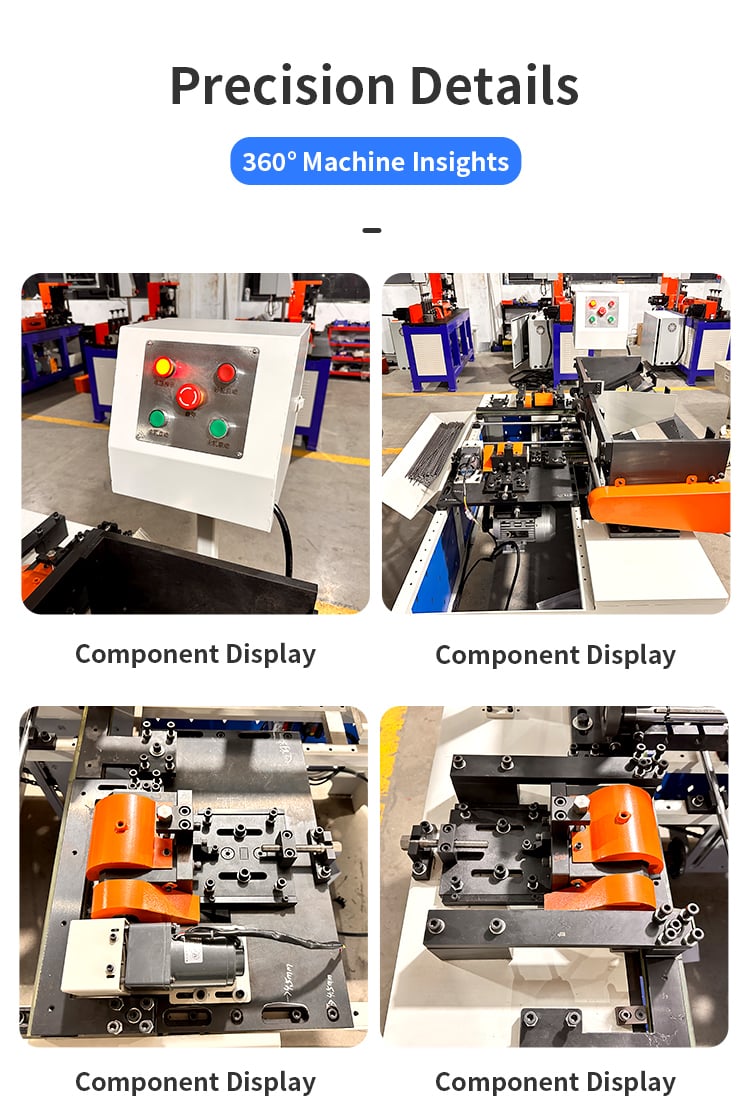
Dimensional Inspection
For production applications with tighter requirements, manufacturers can use measuring tools or inspection equipment to verify:
- Wire or rod diameter
- Overall part length
- Chamfer length
- Chamfer angle
- End-face condition
- Burr condition
- Part-to-part consistency
Regular inspection is also important because tool wear can gradually influence machining results during continuous production.
6. Questions to Answer Before Machine Selection
A chamfering machine should be selected according to the actual production requirements rather than simply choosing a machine based on wire diameter.
Before requesting a quotation, manufacturers should prepare the following information.
What Material Are You Processing?
Provide the material type and, when available, the material grade.
For Jinchun's application evaluation, clearly identifying whether you are processing carbon steel, stainless steel or another supported material is important.
What Is the Wire or Rod Diameter?
The exact diameter range is important for determining the appropriate machine configuration and tooling.
For example, a customer requiring chamfering for a specific diameter should provide the actual wire or rod size rather than only describing the product as “metal rod.”
What Chamfer Do You Need?
Specify the required chamfer angle, chamfer length or drawing requirement if available.
A product drawing is particularly useful when the end geometry is critical.
What Is the Required Production Capacity?
Tell the machine supplier your expected daily or monthly production volume.
This helps determine whether a standard configuration or a higher-efficiency automatic solution is more suitable.
What Tolerance Do You Need?
If the finished part has strict dimensional requirements, provide the relevant tolerances.
This allows the supplier to evaluate the machining and inspection requirements before recommending the equipment.
Do You Have Product Samples or Drawings?
A clear product drawing or physical sample can provide much more information than a simple description such as “I need a chamfering machine.”
For this reason, manufacturers should send their actual product information before making a final machine decision.
Why Choose a Double End Chamfering Machine?
For manufacturers processing large quantities of cut wire and metal rods, end finishing should be treated as part of the production process rather than an afterthought.
A double end chamfering machine can help reduce manual handling, improve end consistency and create a more controlled workflow for downstream assembly, welding and handling.
The right solution, however, depends on the actual product.
Material, wire or rod diameter, chamfer geometry, dimensional tolerance and production volume all influence the required machine configuration.
At Jinchun, we provide wire processing solutions for different industrial applications, including straightening, chamfering, wire forming and welding equipment.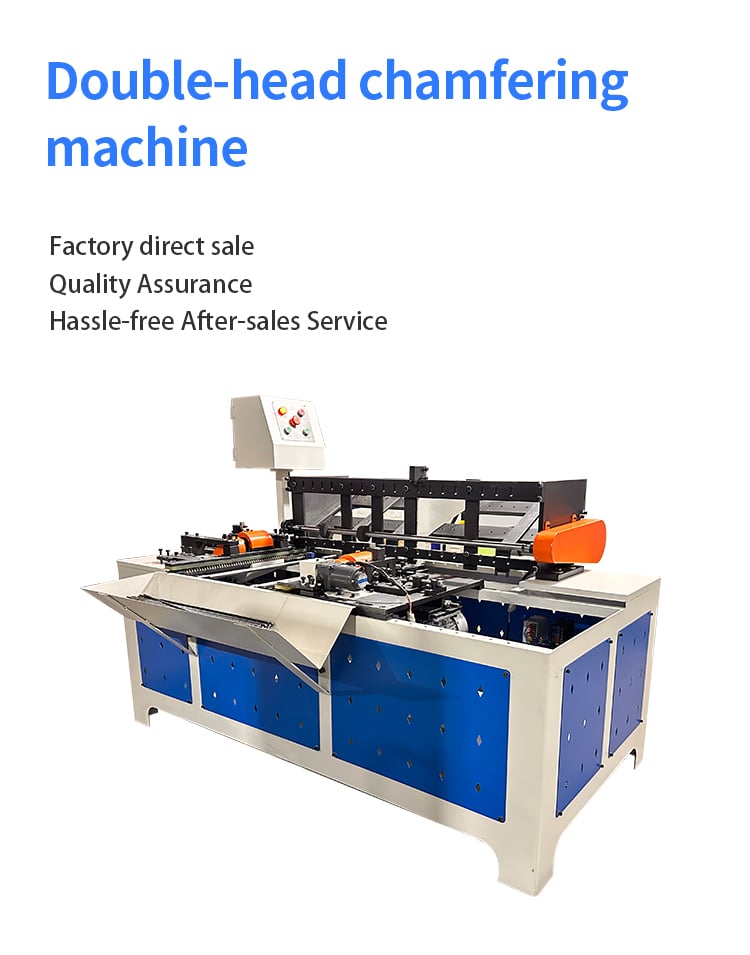
If you are evaluating a double end chamfering machine, send us your product drawing or sample, material, wire or rod diameter, required chamfer dimensions, dimensional tolerances and target production volume.
With these details, our team can evaluate your application, recommend a suitable machine configuration and prepare a quotation based on your actual production requirements.
Table of Contents
- 1. Why Cut Wire and Rod Ends Require Chamfering
- 2. How a Double-End Chamfering Machine Works
- 3. Benefits for Assembly, Welding and Operator Safety
- 4. Material Differences for Carbon Steel and Stainless Steel
- 5. Chamfer Angle, Length Consistency and Surface-Quality Checks
- 6. Questions to Answer Before Machine Selection
- Why Choose a Double End Chamfering Machine?