101, Building 9, Jicheng Science And Technology Innovation Park, No. 25, Sanle East Road, Shunjiang Community, Beijiao Town, Foshan, Guangdong, China +86-18038626853 [email protected]
101, Building 9, Jicheng Science And Technology Innovation Park, No. 25, Sanle East Road, Shunjiang Community, Beijiao Town, Foshan, Guangdong, China +86-18038626853 [email protected]

A perfect ring is not just about forming a circle.
For manufacturers producing wire baskets, shelves, furniture components, filters, guards and other metal products, the ring may look like a simple component.
But behind every finished ring are several critical production steps:
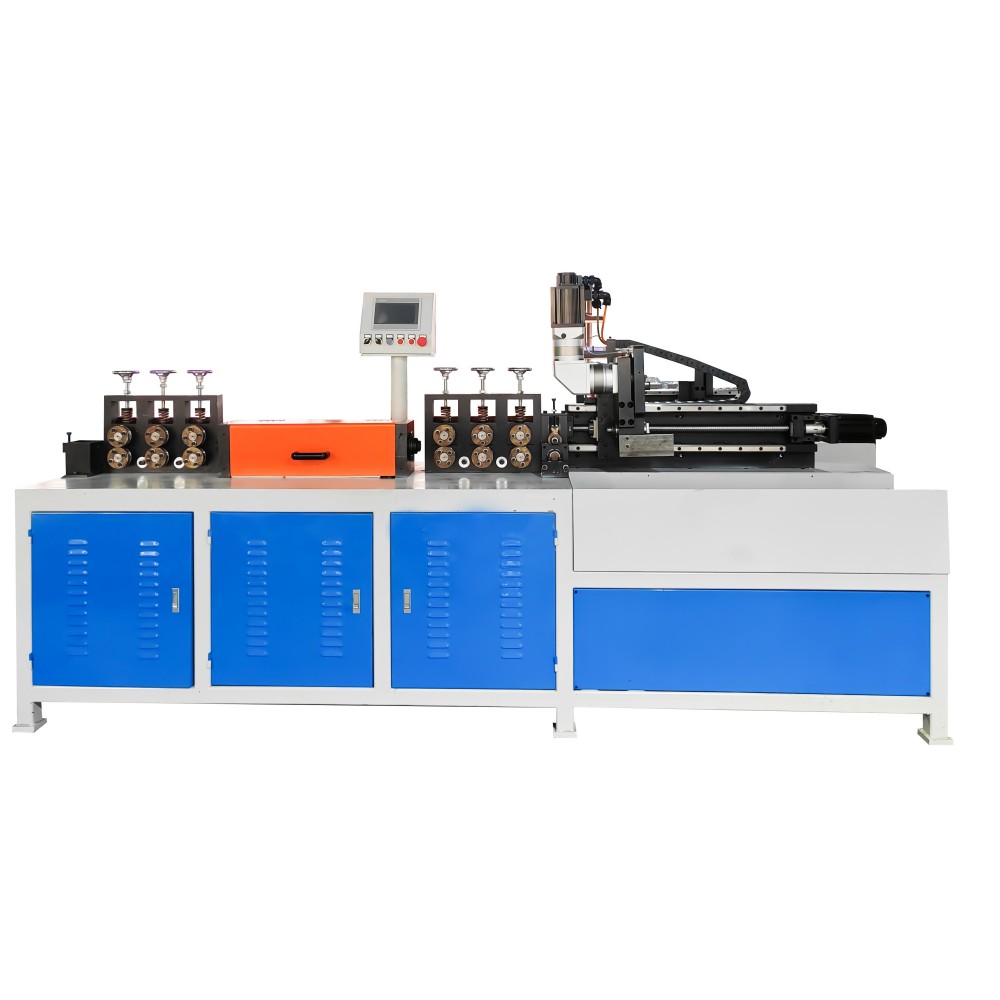
Feeding → Straightening → Ring Forming → Cutting → Butt Welding → Unloading
When these processes depend heavily on manual handling or separate machines, production becomes slower, less consistent and more difficult to scale.
That is where an Automatic Ring Making & Butt Welding Machine can make a real difference.
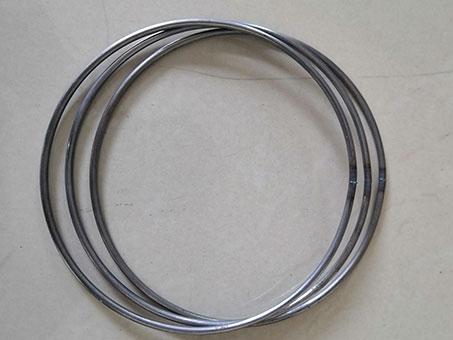
For low-volume production, operators can manually form and weld rings.
But once order volume increases, manufacturers often face the same problems:
The challenge is no longer simply “Can you make a ring?”
The real question is:
“Can you make every ring at the same size, with the same shape and reliable weld quality, at production speed?”
That is the point where automation becomes valuable.
Traditional production may require one process for forming the ring and another process for welding the two ends.
This creates additional handling between operations.
An operator may need to:
Every additional manual step creates another opportunity for positioning errors, inconsistent dimensions and production delays.
For high-volume manufacturers, the problem becomes even more obvious.
The more rings you produce, the more time you lose between processes.
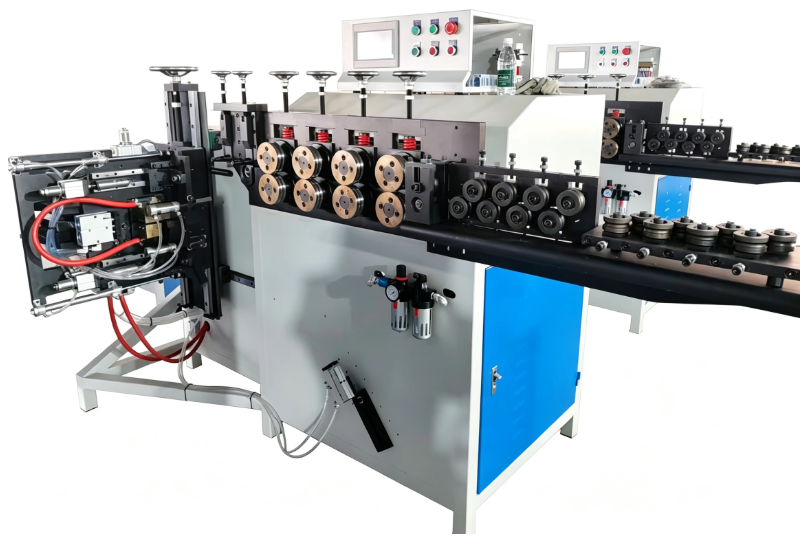
An automatic ring making and butt welding machine integrates the major steps into one production flow.
Wire is continuously fed into the machine from the material supply.
The wire is straightened before forming to improve dimensional consistency.
The forming system bends the wire into the required circular or ring shape.
The wire is cut according to the programmed ring size.
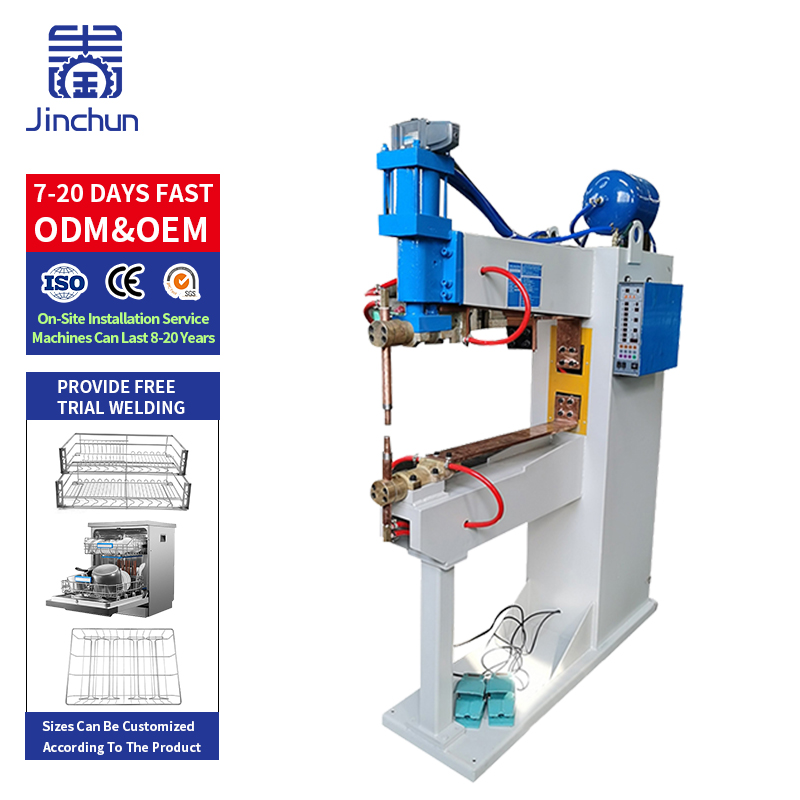
The two ends are brought together and welded automatically.
The finished welded ring is discharged, ready for the next production stage.
This integrated process can significantly reduce unnecessary material handling and operator intervention. Similar automatic systems in the market combine feeding, straightening, forming, cutting, welding and unloading into one workflow.
When forming and welding are connected in one continuous process, operators no longer need to repeatedly move semi-finished rings between machines.
For manufacturers with large and repeat orders, this can create a much more streamlined production line.
Depending on the ring diameter, material and machine configuration, automatic systems can reach high production rates. For example, industry equipment specifications commonly quote production speeds ranging from around 10 to 25 rings per minute under specified conditions.
The key is not simply speed.
It is maintaining stable quality while producing continuously.
For products assembled into baskets, racks, filters or frames, ring dimensions directly affect downstream assembly.
If one ring is slightly larger and another is slightly smaller, operators may have to compensate manually during welding or assembly.
An automated forming system provides more consistent control over:
This is especially important for customers producing thousands of identical components.
A ring is only as useful as its joint.
If the two ends are not aligned properly before welding, the finished ring may have:
Automatic butt welding keeps the welding operation within a controlled process rather than relying entirely on manual positioning.
For applications such as wire baskets and industrial racks, consistent end-to-end welding is particularly important because the joint can affect the final shape, strength and assembly quality.
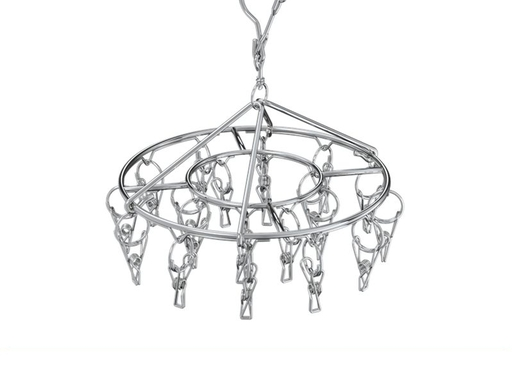
This is where the machine becomes particularly interesting.
The same basic ring-forming technology can serve completely different industries.
Ring frames are widely used in:
For basket manufacturers, the ring needs to be dimensionally stable because it becomes part of the final frame.
Manufacturers of:
can use welded rings and circular wire components as structural or decorative elements.
Some automotive and mechanical components require precision-formed wire rings or circular metal parts.
For these applications, repeatability becomes more important than simply achieving a low purchase price.
Stable forming + controlled welding = more predictable downstream assembly.
Industrial filters and other circular metal components often require accurate ring dimensions and reliable joints.
Industry equipment suppliers specifically position automatic welded-ring systems for applications such as industrial filters and automotive-related rings.
From furniture accessories to household metal products, manufacturers increasingly need flexible equipment capable of producing different ring specifications without rebuilding the entire production process.
Many manufacturers calculate machine investment only by asking:
“How much does the machine cost?”
But experienced manufacturers should ask another question:
“How much does my current production method cost every year?”
Consider the hidden costs:
Labor → Handling → Rework → Scrap → Downtime → Quality inspection → Production delays
A low-cost manual process may look attractive when order volume is small.
But when production reaches thousands or tens of thousands of rings, those hidden costs multiply.
Automation is not simply about replacing workers.
It is about moving repetitive work from people to a controlled production process.
A machine that only forms rings may be fast.
A machine that only welds rings may also be fast.
But if an operator still needs to move every ring from one machine to another, the overall production line may remain inefficient.
The real advantage comes from integration.
Wire → Ring Machine → Manual Handling → Welding Machine → Manual Inspection
Wire → Ring Forming → Cutting → Butt Welding → Finished Ring
Fewer transfers.
Fewer manual positioning steps.
Less production interruption.
A more predictable workflow.
Before buying equipment, manufacturers should not simply ask for the machine price.
The machine should be matched to the actual product.
We recommend confirming:
Carbon steel? Stainless steel? Galvanized wire?
For example:
2 mm / 3 mm / 4 mm / 5 mm / 6 mm / 8 mm
What is the minimum and maximum ring diameter?
Round ring?
Semi-circle?
Arc?
Special-shaped component?
How many pieces do you need per day?
1,000? 5,000? 20,000?
The required production capacity directly affects machine selection.
Do you need a clean butt joint?
What is the required joint strength?
Is the ring used for structural purposes or mainly appearance?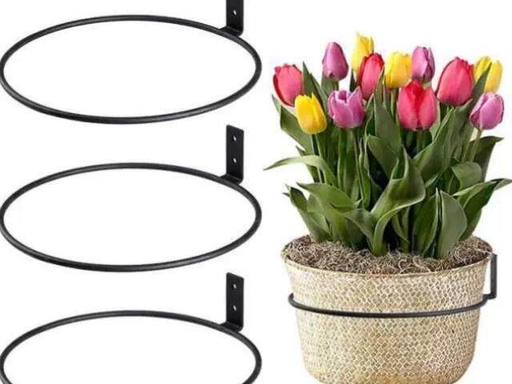
At Jinchun, we believe the right machine should start with the customer's product—not with a standard machine model.
Your wire diameter determines the forming system.
Your ring diameter determines the machine configuration.
Your material determines the welding solution.
Your production volume determines the required automation level.
That is why we recommend evaluating the application before quoting.
Our goal is not simply to sell you a ring making machine.
It is to help you build a more efficient wire forming and welding process.
If your factory is currently experiencing:
❌ Too much manual ring forming
❌ Inconsistent ring dimensions
❌ Slow welding
❌ High labor requirements
❌ Too much handling between machines
❌ Increasing orders but limited production capacity
then an automatic ring making and butt welding solution may be worth evaluating.
You don't need to guess which machine is suitable.
📌 Product drawing or photos
📌 Wire material
📌 Wire diameter
📌 Ring diameter
📌 Required production quantity
Our team can evaluate your application and recommend a suitable ring forming + butt welding solution.
From raw wire to finished welded ring—make every step more consistent, efficient and scalable.
Jinchun Industrial Automation
 Hot News
2026-09-19
2026-09-18
2026-09-17
2026-09-16
2026-09-15
2026-09-14
 EN
EN