101, Building 9, Jicheng Science And Technology Innovation Park, No. 25, Sanle East Road, Shunjiang Community, Beijiao Town, Foshan, Guangdong, China +86-18038626853 [email protected]
101, Building 9, Jicheng Science And Technology Innovation Park, No. 25, Sanle East Road, Shunjiang Community, Beijiao Town, Foshan, Guangdong, China +86-18038626853 [email protected]

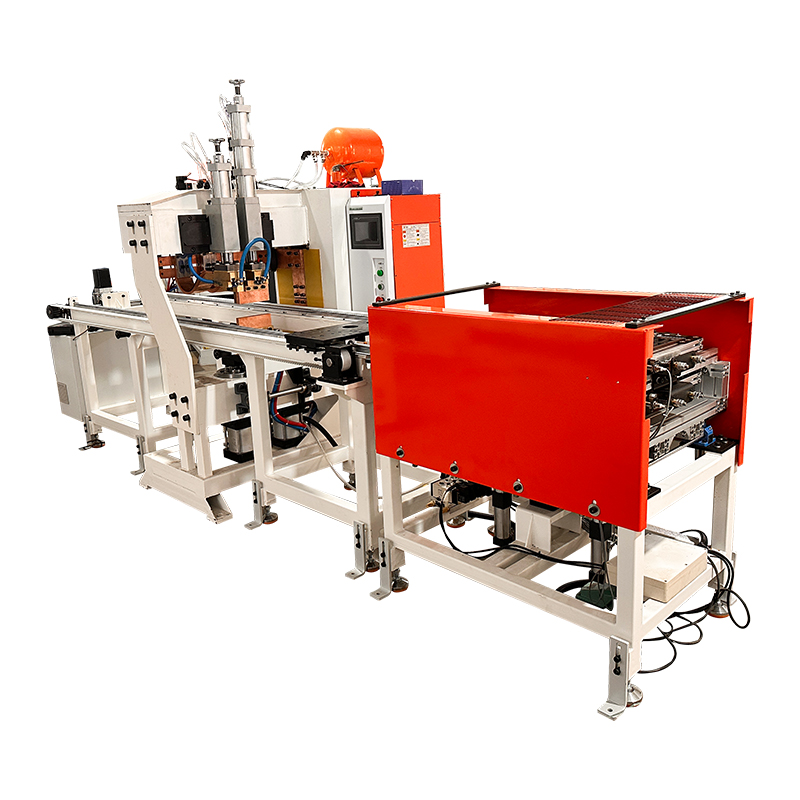
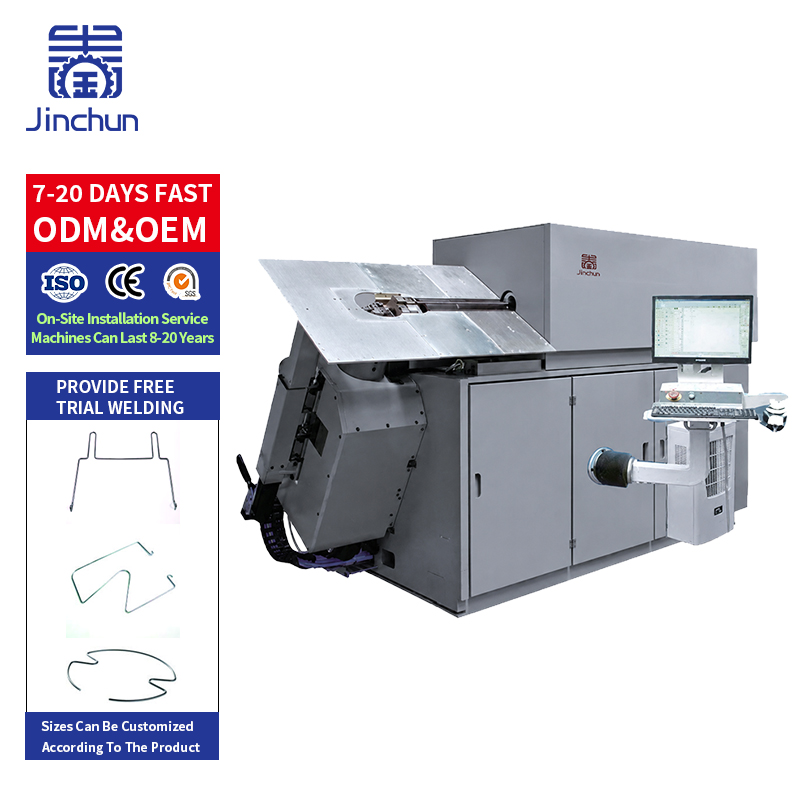
A wire bending machine with butt welding combines forming a shape and joining its wire ends within one coordinated process. It can be useful when closed frames are produced repeatedly and manual transfer between machines adds time or variation. The investment makes sense only when the complete process suits the product, including the weld, handling and any finishing after joining.
The machine forms wire to a programmed shape, brings the ends into a joining position and performs a butt weld with suitable clamping and process control. The exact feed, cutting, alignment and unloading sequence depends on the configuration. Ask which steps are automatic and which still require an operator.
A butt weld joins the wire ends. It does not replace all the intersection welds required in a mesh panel or assembled rack. Also confirm whether weld flash removal, surface cleanup or later sizing is included. An integrated forming and joining cycle is not necessarily a finished-product line.
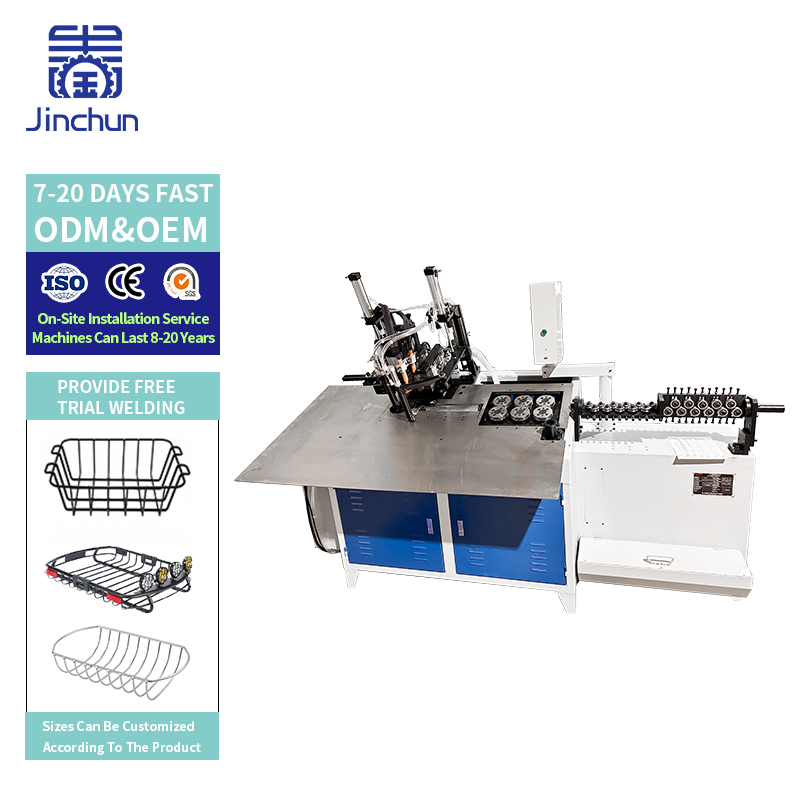
A separate process may use a CNC 2D wire bending machine to make an open frame, followed by transfer to a butt welder and a locating fixture. The operator aligns the ends, welds the joint and moves the frame to inspection or finishing.
This arrangement allows bending and welding stations to serve different products, but it creates transfers and work in progress. Record the real time spent picking up parts, positioning them, checking alignment and sorting finished frames. Machine cycle time alone understates the work needed to produce an accepted part.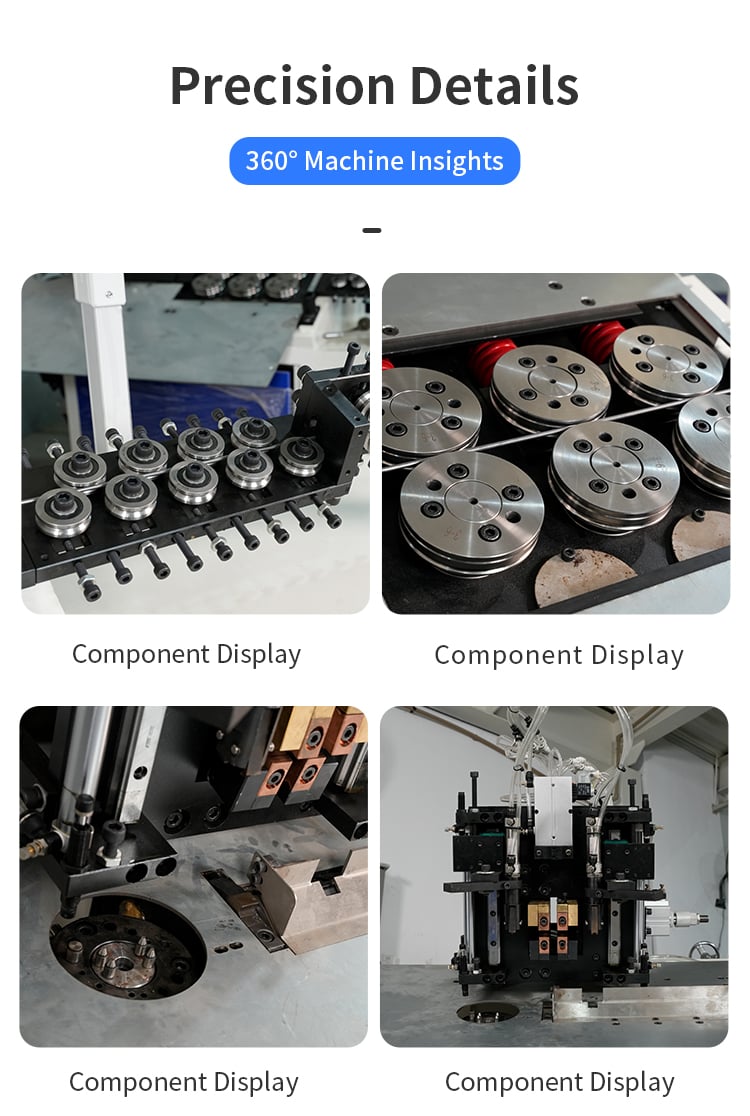
Integration can reduce intermediate handling and repeated positioning when the machine maintains a suitable reference through forming and joining. It may also simplify coordination of bending and welding recipes. These benefits depend on stable feeding, reliable end alignment and an unloading arrangement that works with the part.
Compare annual operating cost for both options. Include direct labor, fixtures, changeovers, scrap, rework, energy, consumables and maintenance. As a hypothetical calculation, an additional investment of 24,000 currency units divided by verified net annual savings of 12,000 gives a simple two-year payback. These figures are illustrative and exclude financing and taxes; they are not Jinchun pricing or a promised return.
Repeated closed frames with accessible end joints are useful candidates for evaluation. Examples include rectangular support frames and shaped wire components used within household hardware, racks or guards. A product family with shared material and similar tooling may make changeovers easier to standardize.
Suitability cannot be established from the product name alone. Check the smallest and largest frame, corner locations, straight length near the joint and clearance for the welding clamps. A complete rack or guard may require several formed components and additional assembly welding after the frame is closed.
Inspect end alignment, joint position, visible cracking, unacceptable flash and the final dimensions after welding. The joining process can change local length or shape, so measure the finished frame rather than accepting bending-stage measurements as final.
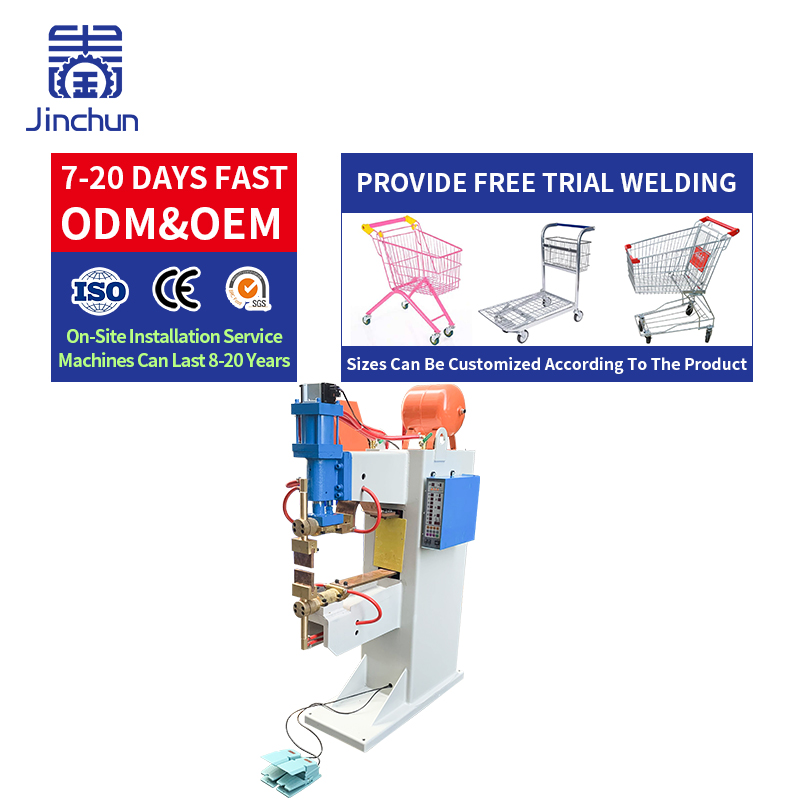
Agree the joint strength test and acceptance criterion appropriate to the part's service conditions. Record material condition, weld settings and clamp setup during the trial. Resistance butt welding relies on controlled contact, electrical heating and force; the required settings depend on the material and joint. Include electrode or clamp maintenance and any specified post-weld treatment in the process review.
Separate stations deserve consideration when batches are small, materials change frequently, the joint is difficult to access or the existing welder has spare capacity. They may also offer flexibility when several bending machines share a joining station or the product requires a specialized joining sequence.
Compare welding equipment with the actual mix of parts, not only the highest-volume frame. Consider downtime as well: a fault at an integrated joining stage can stop the complete cell. Ask about fault recovery, spare parts and safe removal of a partially formed component.
Provide the frame drawing, wire specification, preferred joint location, finished dimensions, allowable joint appearance and required output. State whether the item will be coated, plated or used with a visible weld. Send representative wire and request consecutive samples across the planned product range.
Ask for one continuous video showing feeding, forming, welding and unloading. Separate the automatic cycle from any manual flash removal or correction. Measure joint quality and final frame dimensions using the agreed methods, then use accepted output and actual staffing in the cost comparison.
Does integration eliminate manual work? Only the operations included in the verified machine scope are automated. Material loading, inspection, tool changes or finishing may still need labor.
Can one frame machine produce a complete mesh basket? Not by bending and butt welding alone. A basket normally needs other components and intersection welding or assembly operations.
When should payback be calculated? After the trial establishes cycle time, accepted yield, staffing and maintenance assumptions for both alternatives.
Integrated bending and butt welding is strongest where it removes recurring transfers without compromising joint quality or product flexibility. Compare complete accepted-part cost and test the full cycle. Send your frame drawing, wire specification, weld-position requirements and target cycle time so we can evaluate whether an integrated machine is suitable.
 Hot News
2026-09-19
2026-09-18
2026-09-17
2026-09-16
2026-09-15
2026-09-14
 EN
EN