Exceptional Material Handling Versatility
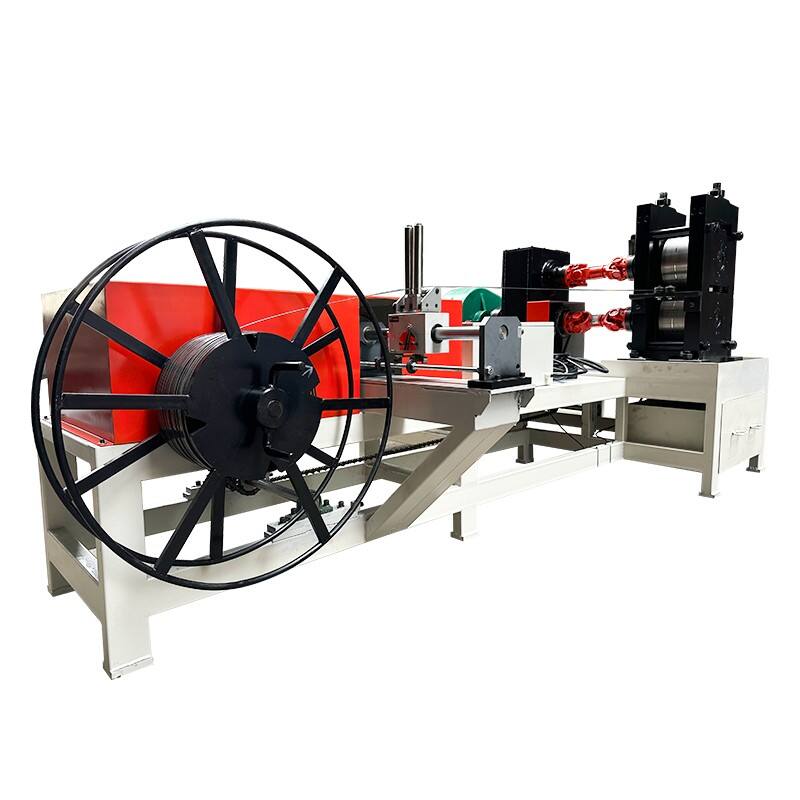
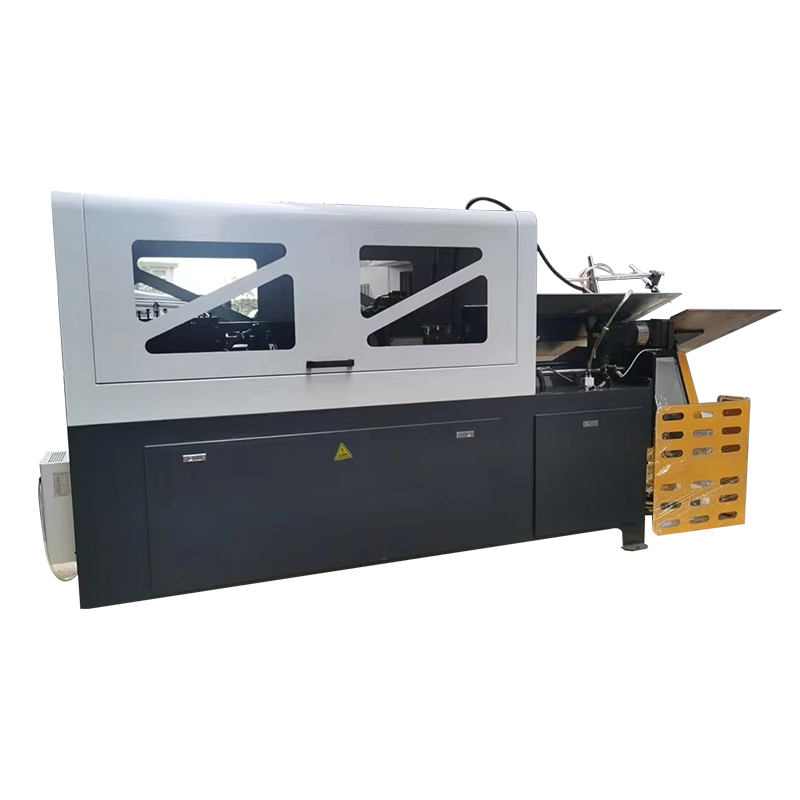
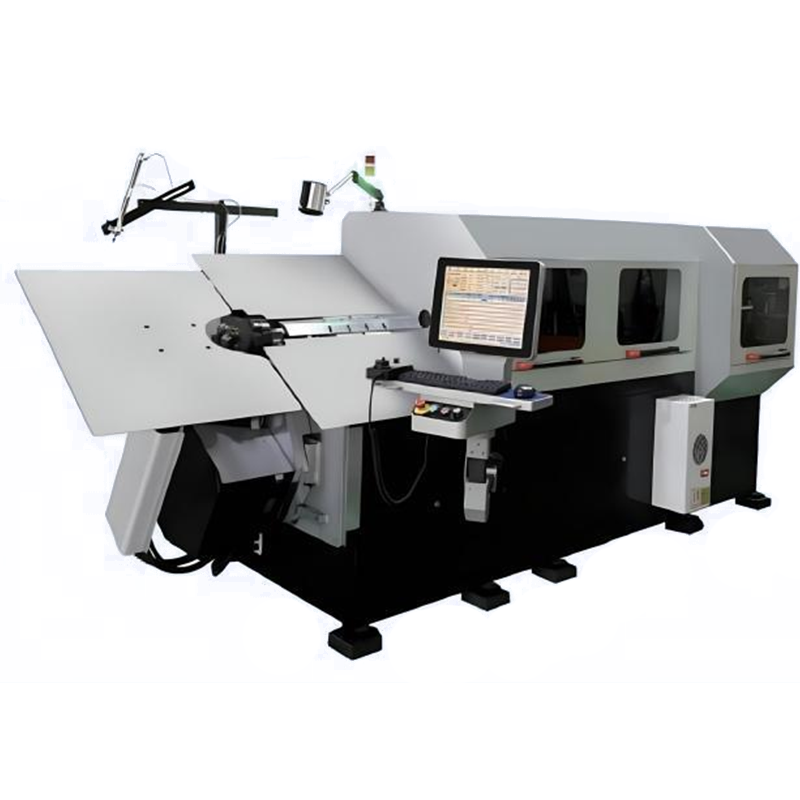
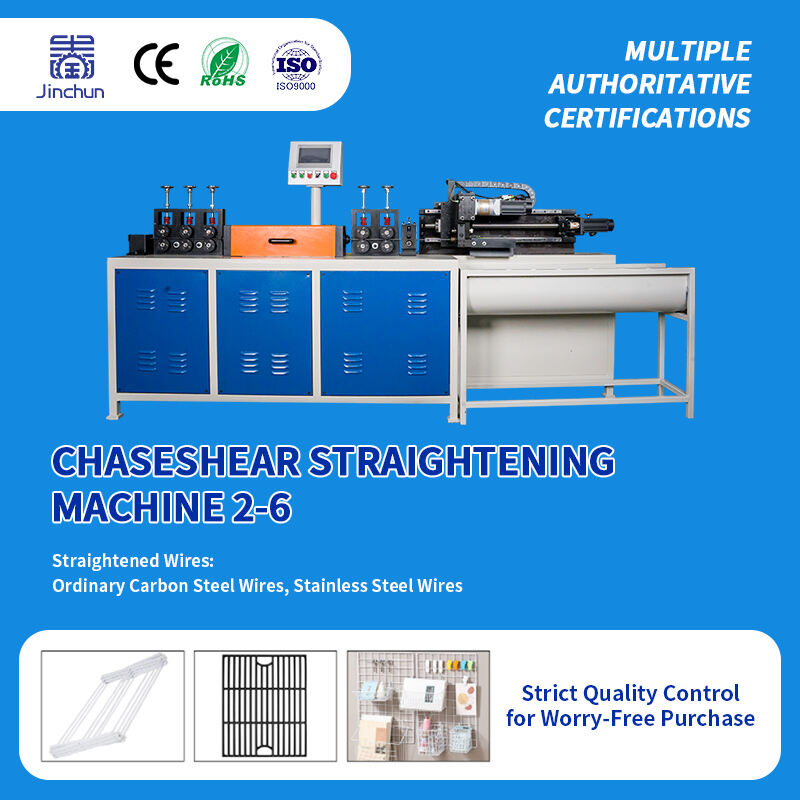
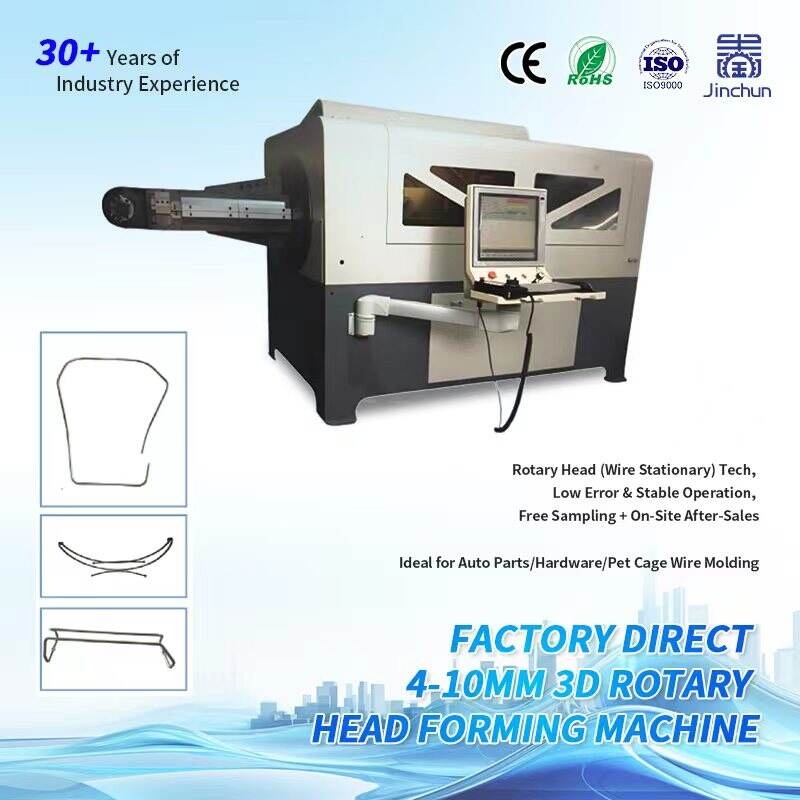
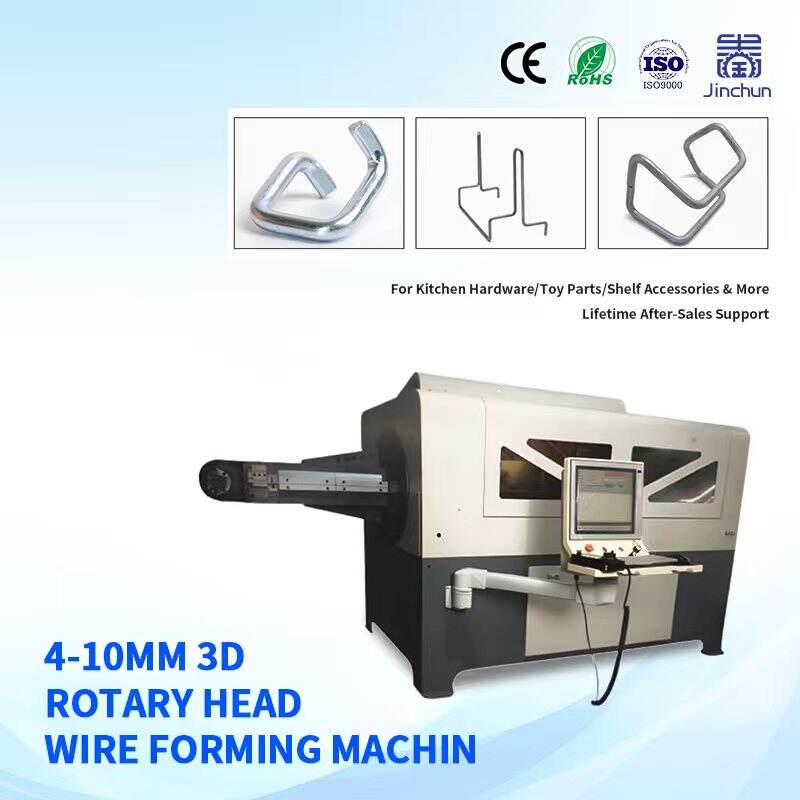
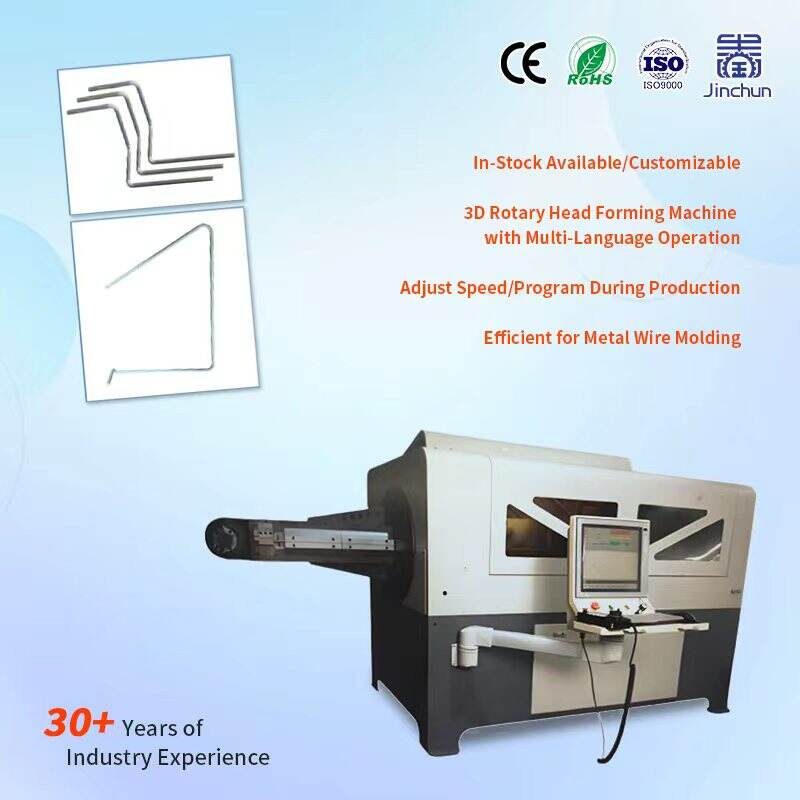
The exceptional material handling versatility of the 3d wire bender enables manufacturers to process a vast range of wire types, sizes, and materials, making it an invaluable asset for diverse production requirements. This versatility stems from sophisticated feeding mechanisms that automatically adjust tension, feed rate, and handling parameters based on material properties and dimensional specifications. The 3d wire bender accommodates wire diameters from ultra-fine 0.5mm applications up to heavy-duty 12mm wire, with some specialized units handling even larger diameters for specific industrial applications. Material compatibility extends across the full spectrum of commonly used wire materials including various steel grades, aluminum alloys, copper, brass, stainless steel, and exotic materials such as titanium and inconel for specialized aerospace applications. The adaptive feeding system of the 3d wire bender automatically compensates for material characteristics such as springback, work hardening, and elastic deformation, ensuring consistent results regardless of material properties. Temperature compensation features account for thermal expansion and material behavior changes, maintaining accuracy even in varying environmental conditions. The 3d wire bender incorporates multiple feeding options including coil feeding for continuous production, cut-length feeding for precise material utilization, and manual feeding for prototype development or specialty applications. Automatic wire straightening mechanisms eliminate the effects of coil set, ensuring that incoming wire meets the precise tolerances required for accurate bending operations. The system handles pre-coated or finished wires without damage, preserving surface treatments and finishes critical for many applications. Wire end preparation capabilities integrated into the 3d wire bender can perform operations such as cutting, pointing, or chamfering, eliminating secondary operations and reducing handling requirements. Quality control systems monitor material properties throughout the process, detecting variations that could affect final product quality and automatically adjusting parameters or alerting operators when intervention is required. The modular design allows for easy reconfiguration to accommodate new materials or applications, ensuring that the 3d wire bender investment remains valuable as production requirements evolve over time.
 EN
EN