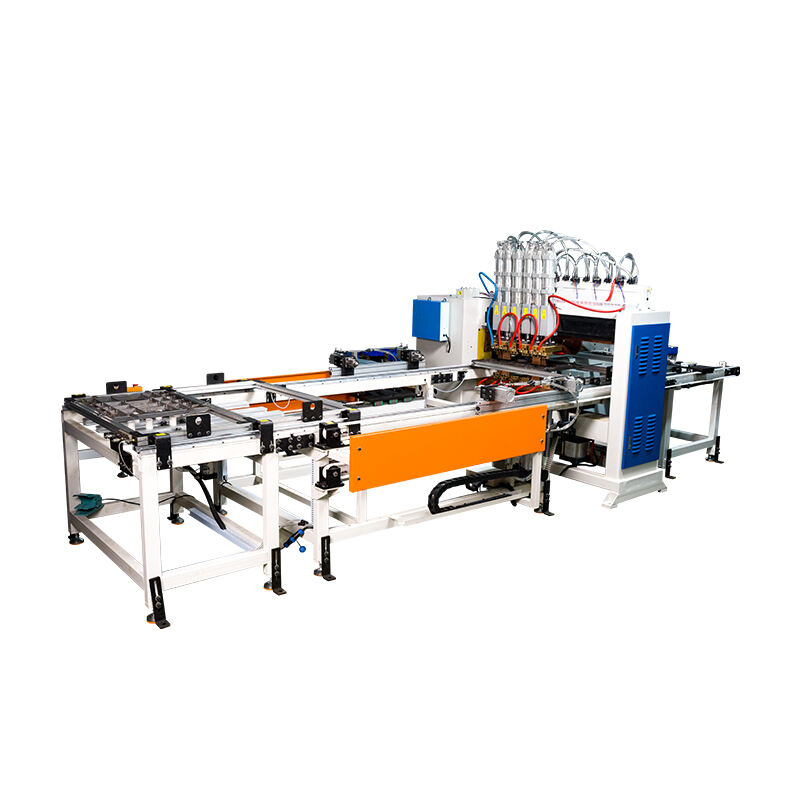
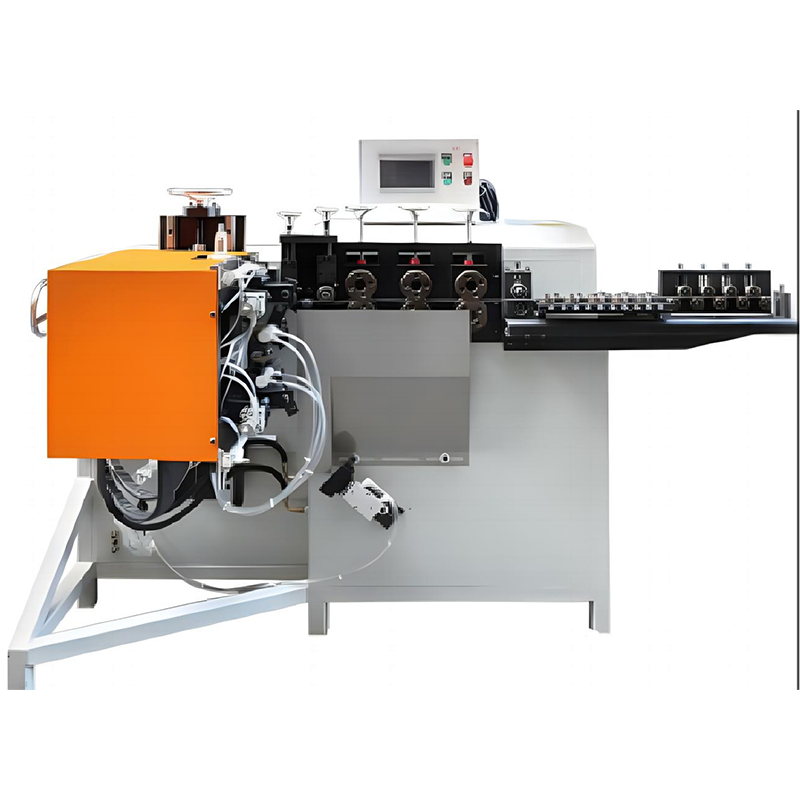
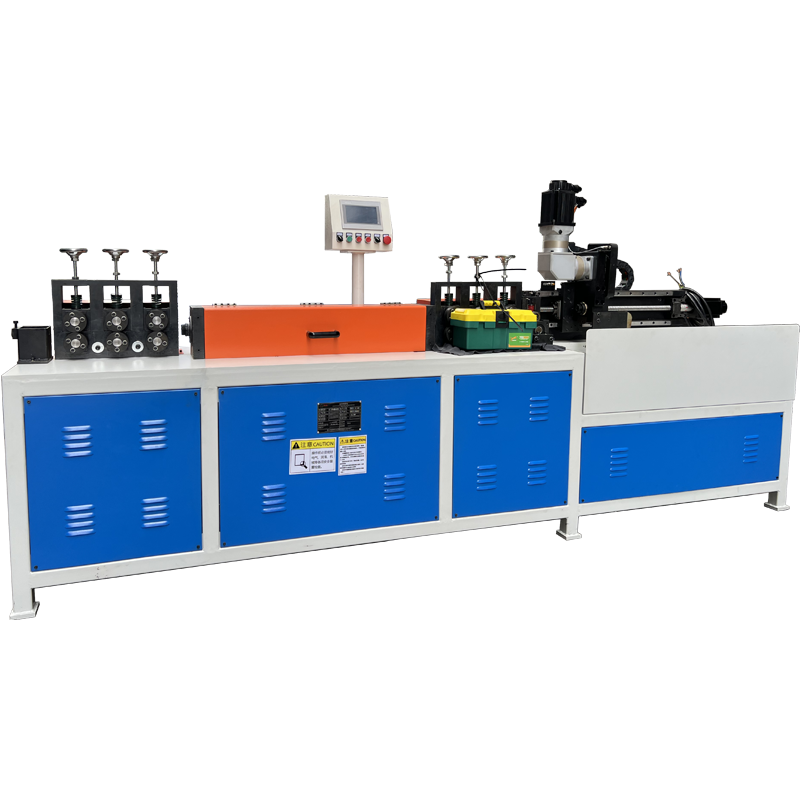
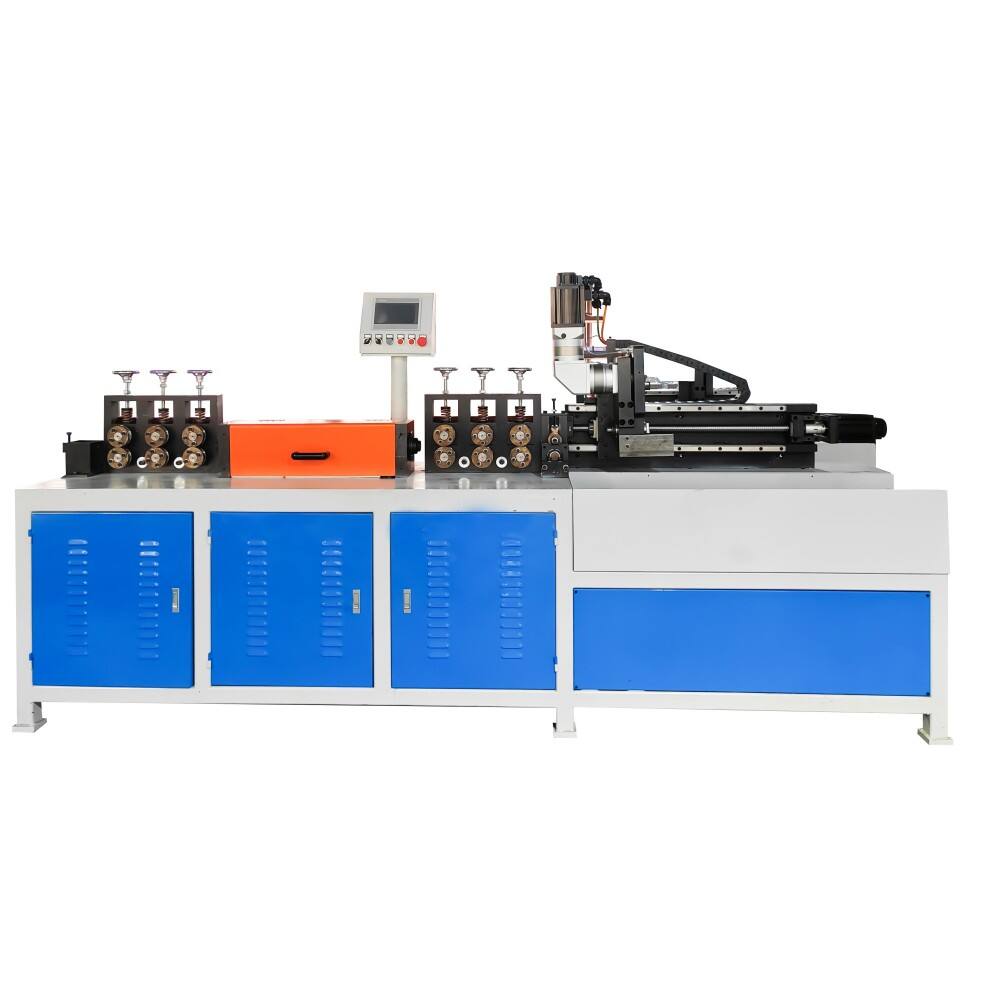
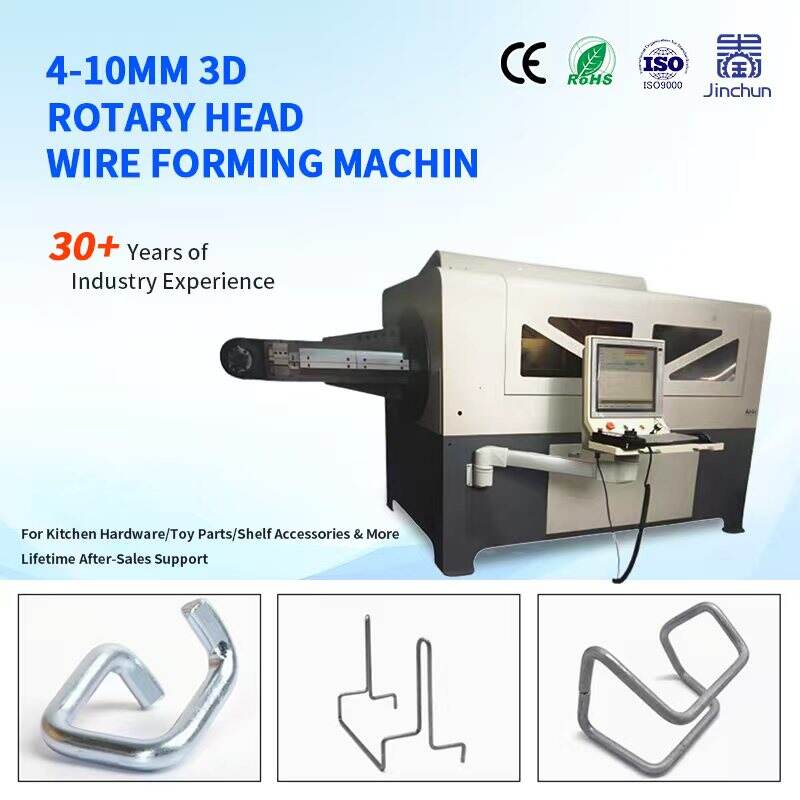
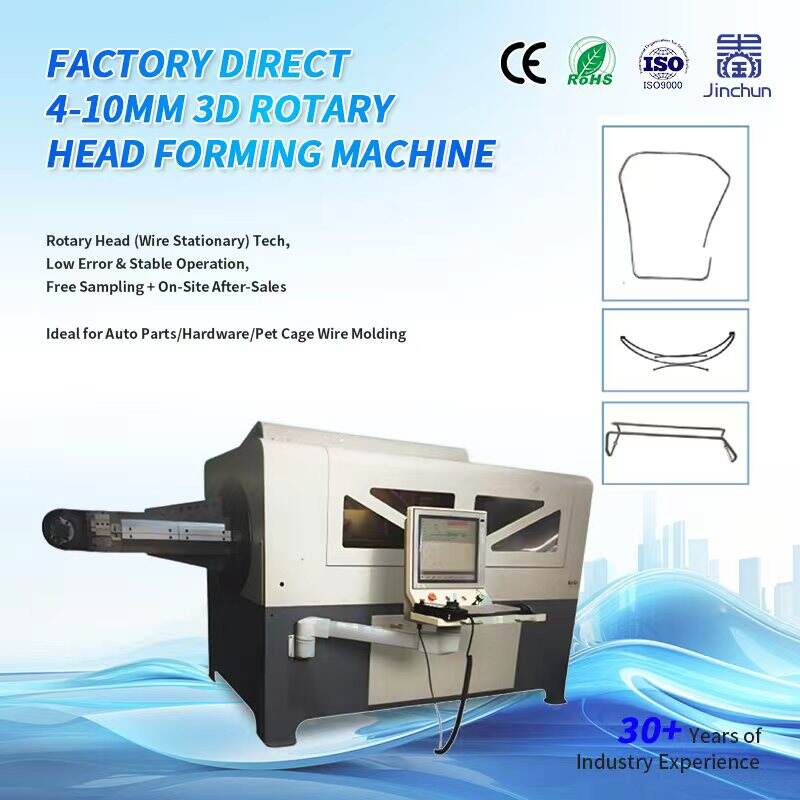
Advanced 3D Bending Machine Technology: Precision Metal Fabrication Solutions

Get a Free Quote

Our representative will contact you soon.
Email
Name
Company Name
Phone / WhatsApp
Required Product
Message
0/1000

3d bending machine

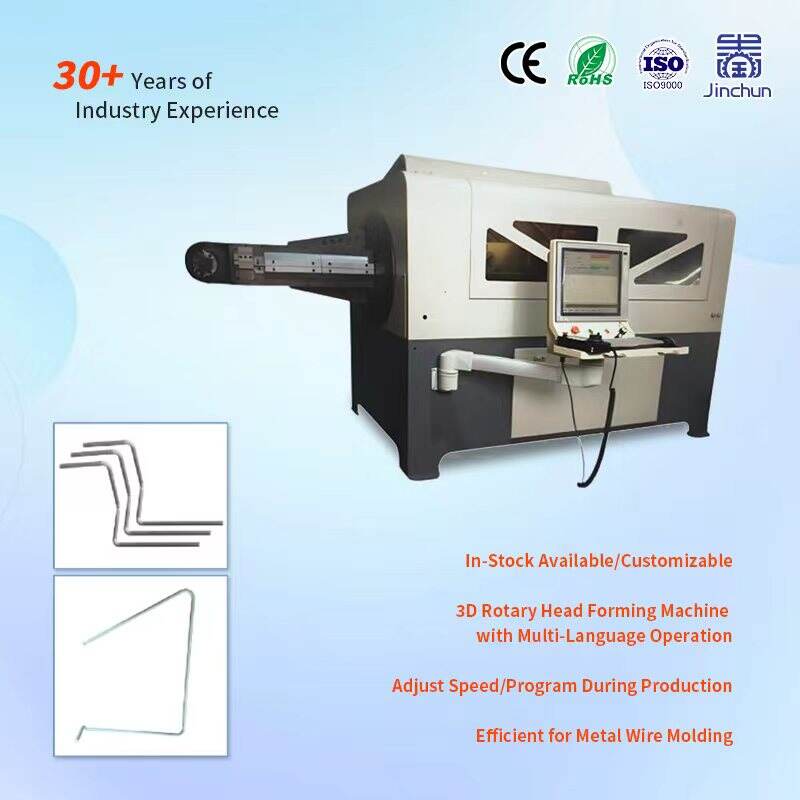
The 3d bending machine represents a revolutionary advancement in metal fabrication technology, offering unprecedented precision and flexibility for complex tube and pipe bending operations. This sophisticated equipment utilizes computer-controlled systems to manipulate materials along three-dimensional axes, creating intricate geometries that were previously impossible or extremely challenging to achieve with traditional bending methods. The 3d bending machine integrates advanced servo motors, programmable logic controllers, and specialized tooling systems to deliver exceptional accuracy in every bend operation. Modern 3d bending machine models incorporate real-time monitoring capabilities, allowing operators to track bend angles, radius measurements, and material positioning throughout the entire fabrication process. The machine's core functionality centers around its ability to perform multiple bending operations without requiring material repositioning, significantly reducing production time and minimizing potential errors. Key technological features include adaptive pressure control systems that automatically adjust bending forces based on material properties, ensuring consistent results across different tube diameters and wall thicknesses. The 3d bending machine employs sophisticated collision detection algorithms that prevent tooling interference during complex multi-plane bending sequences. Advanced software integration enables seamless import of CAD files, allowing direct translation of design specifications into machine programming parameters. Applications span numerous industries including automotive exhaust systems, aerospace fuel lines, medical device manufacturing, furniture production, and architectural metalwork. The 3d bending machine excels in producing components for HVAC systems, hydraulic assemblies, and decorative elements requiring precise geometric specifications. Manufacturing facilities utilize these machines for prototyping new designs, small-batch production runs, and high-volume manufacturing operations. The equipment handles various materials including stainless steel, aluminum, copper, and specialized alloys, accommodating tube diameters ranging from small-gauge tubing to large-diameter pipes depending on machine specifications.

New Product Recommendations

The 3d bending machine delivers substantial cost savings by eliminating the need for multiple setup operations and reducing material waste through precise bend calculations. Traditional bending methods often require several machines and numerous manual adjustments, but the 3d bending machine completes complex geometries in a single setup, dramatically reducing labor costs and production time. Manufacturers experience improved product quality as the machine maintains consistent bend radii and eliminates human error factors that commonly occur with manual bending processes. The automated nature of the 3d bending machine ensures repeatable results, crucial for maintaining quality standards in production environments where consistency directly impacts customer satisfaction and regulatory compliance. Enhanced design flexibility allows engineers to create more sophisticated product designs without being constrained by manufacturing limitations, opening new possibilities for innovation and competitive differentiation. The 3d bending machine processes intricate shapes that would be impossible or prohibitively expensive using conventional methods, enabling manufacturers to accept more challenging projects and expand their service offerings. Faster turnaround times result from the machine's ability to complete complex bending sequences without interruption, allowing companies to meet tight delivery deadlines and improve customer service levels. Reduced inventory requirements emerge as the 3d bending machine can produce bent components on-demand rather than maintaining stock of pre-bent parts, freeing up valuable warehouse space and reducing carrying costs. The machine's precision minimizes scrap rates and rework requirements, contributing to improved profit margins and environmental sustainability goals. Operator safety improves significantly as the 3d bending machine handles heavy materials and performs dangerous bending operations automatically, reducing workplace injury risks and insurance costs. The equipment's versatility allows manufacturers to serve multiple market segments with a single machine investment, maximizing return on equipment purchases. Programming capabilities enable rapid changeovers between different part configurations, supporting both high-volume production runs and custom fabrication requirements. Quality documentation becomes automatic as the 3d bending machine records all process parameters, supporting ISO certification requirements and customer quality audits. Energy efficiency improvements result from optimized bending sequences and reduced processing time compared to traditional methods.

Latest News

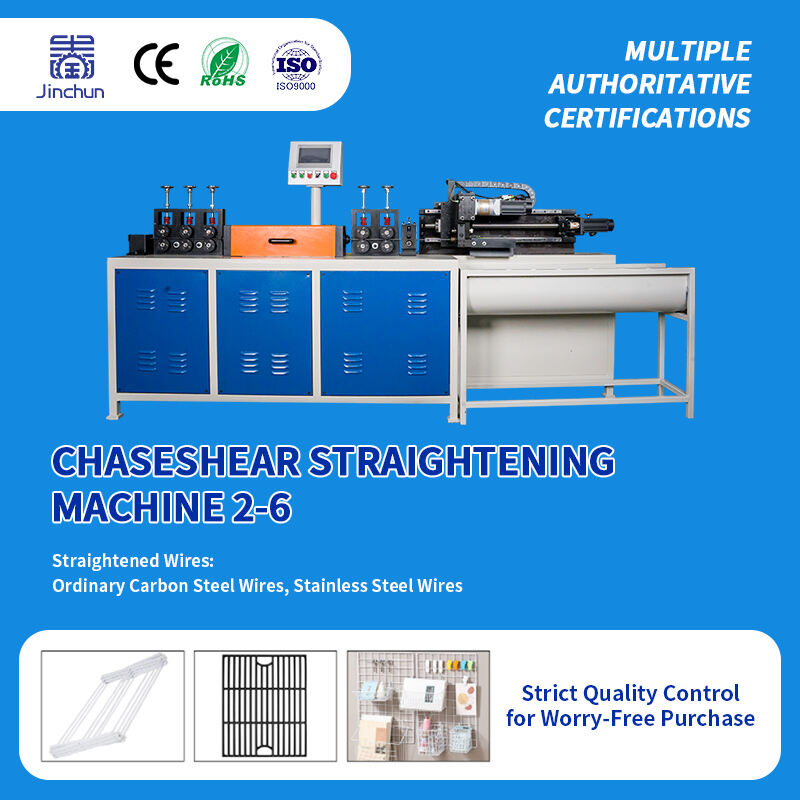
How to Choose the Best Straightening Machine for Your Needs

27

Nov

How to Choose the Best Straightening Machine for Your Needs

Manufacturing industries rely heavily on precision equipment to maintain product quality and operational efficiency. When it comes to metal processing operations, selecting the right straightening machine becomes crucial for achieving consistent resu...
View More
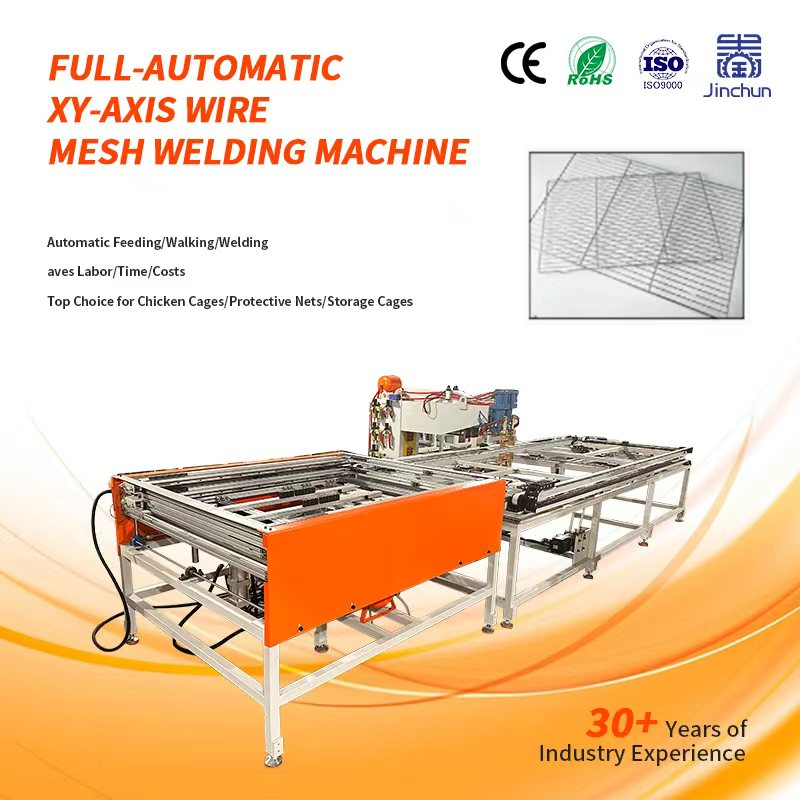
A Complete Guide to Mesh Welding Machines from Grills to Shelves

07

Jan

A Complete Guide to Mesh Welding Machines from Grills to Shelves

This guide explores the full spectrum of mesh production, highlighting the critical role of CNC automation and the specialized equipment used to create everything from fine wire grills to heavy-duty warehouse shelving. 1. The Technology Behind Modern...
View More
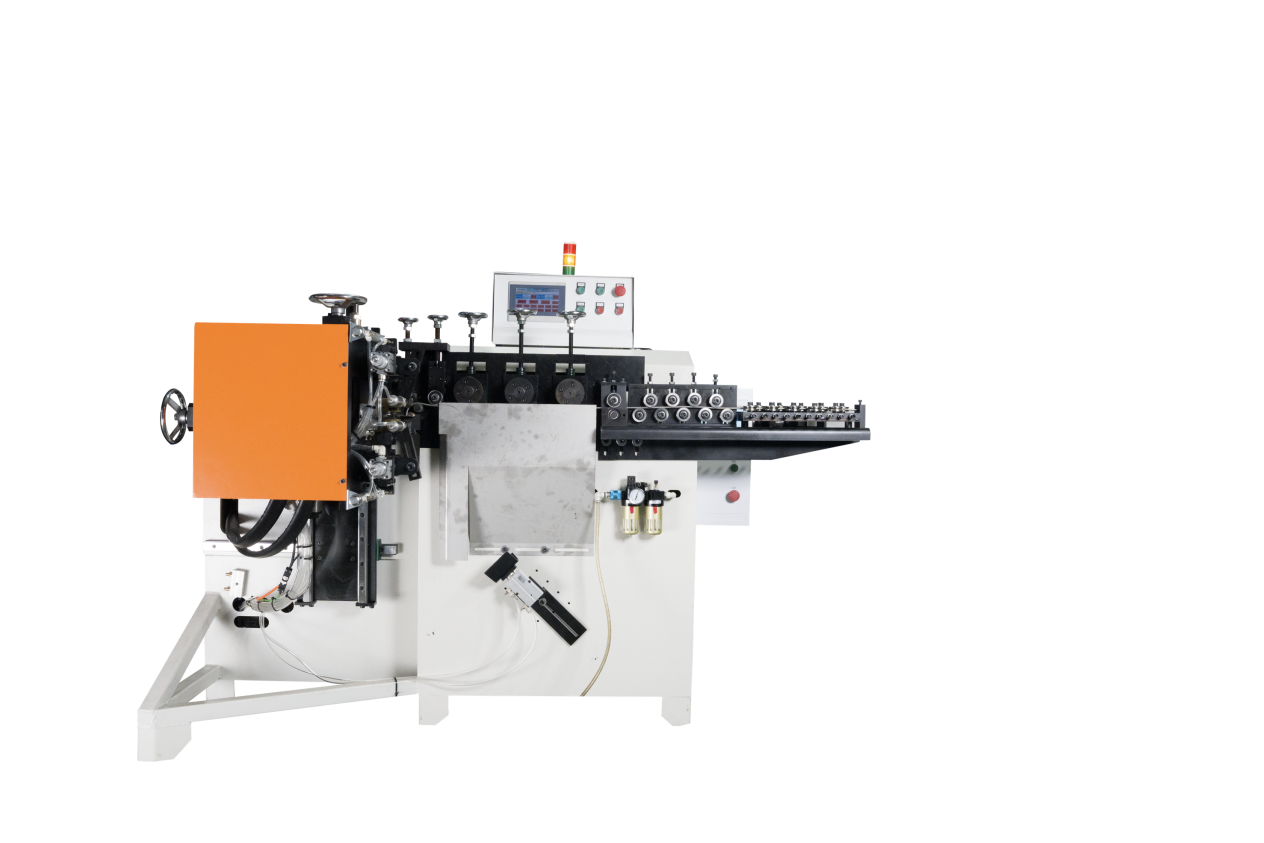
Circle Forming Machines in Dust Filter Cage and Fan Guard Manufacturing

07

Jan

Circle Forming Machines in Dust Filter Cage and Fan Guard Manufacturing

In the world of high-precision metal fabrication, the demand for perfect circular components is a constant factor. Whether you are producing structural elements for Furniture, durable components for Hardware, intricate Automotive & Motorcycle Accesso...
View More
How a 3D Bending Machine Can Revolutionize Your Metal Fabrication Process

05

Feb

How a 3D Bending Machine Can Revolutionize Your Metal Fabrication Process

In the competitive landscape of metal fabrication, precision and speed are the dual pillars of success. Traditional manual bending methods often struggle with complex spatial geometries and consistency. Enter the 3D Wire Bending Machine (Rotary Head ...
View More

Get a Free Quote

Our representative will contact you soon.
Email
Name
Company Name
Phone / WhatsApp
Required Product
Message
0/1000

3d bending machine

Advanced Multi-Axis Control Technology

Advanced Multi-Axis Control Technology

The sophisticated multi-axis control system represents the cornerstone of modern 3d bending machine capabilities, setting these machines apart from conventional tube bending equipment. This technology incorporates precision servo motors operating on multiple synchronized axes, enabling simultaneous control of bend angle, rotation, and feed movements with remarkable accuracy. The 3d bending machine utilizes advanced interpolation algorithms that calculate optimal tool paths for complex three-dimensional geometries, ensuring smooth transitions between different bend planes while maintaining precise dimensional tolerances. Real-time feedback systems continuously monitor actual versus programmed positions, making micro-adjustments throughout the bending process to compensate for material spring-back and other variables that could affect final part geometry. The control system's adaptive learning capabilities analyze material behavior patterns and automatically adjust parameters for improved consistency in subsequent operations. Collision avoidance algorithms prevent costly tool damage by predicting potential interference points and automatically modifying tool paths when necessary. The 3d bending machine's control technology supports complex programming scenarios where multiple bends occur in different planes, requiring precise coordination between various mechanical components. Operators benefit from intuitive graphical interfaces that display real-time machine status, bend progression, and quality metrics, enabling immediate intervention if deviations occur. The system maintains comprehensive data logs documenting every aspect of the bending process, supporting quality assurance requirements and enabling detailed analysis for process optimization. Advanced synchronization capabilities allow the 3d bending machine to coordinate multiple operations simultaneously, such as cutting, deburring, and marking, creating a complete manufacturing cell within a single machine footprint. Temperature compensation features account for thermal expansion effects on both the machine structure and workpiece materials, maintaining accuracy even during extended production runs. The control system's modular architecture enables easy upgrades and customization to meet specific application requirements, ensuring long-term adaptability as manufacturing needs evolve.
Exceptional Material Handling Versatility

Exceptional Material Handling Versatility

The remarkable material handling versatility of the 3d bending machine addresses diverse manufacturing challenges across multiple industries, making it an invaluable asset for companies working with various tube and pipe specifications. This capability stems from sophisticated clamping systems that automatically adjust to accommodate different material diameters, wall thicknesses, and alloy types without requiring extensive manual setup procedures. The 3d bending machine incorporates adaptive pressure control mechanisms that sense material hardness and automatically calibrate bending forces to prevent deformation, cracking, or other quality issues during the forming process. Specialized tooling configurations enable processing of materials ranging from thin-walled decorative tubing to heavy-duty structural pipes, with quick-change systems allowing rapid transitions between different material specifications. The machine's feeding mechanisms handle various material forms including straight tubes, coiled stock, and pre-cut lengths, providing flexibility for different supply chain configurations and inventory management strategies. Advanced material identification systems can automatically detect tube dimensions and material properties through integrated sensors, eliminating manual measurement steps and reducing setup errors. The 3d bending machine's heating capabilities enable processing of materials requiring elevated temperatures for optimal forming characteristics, expanding the range of alloys and specialized materials that can be successfully bent. Lubrication systems automatically apply appropriate lubricants based on material type and bending requirements, optimizing surface finish quality and extending tool life. The equipment handles challenging materials such as titanium alloys, inconel, and other exotic metals commonly used in aerospace and medical applications where standard bending equipment may struggle. Automatic material straightening features correct incoming material irregularities before bending operations begin, ensuring consistent starting conditions that contribute to improved final part quality. The 3d bending machine's material handling systems include integrated measuring capabilities that verify tube dimensions and detect defects before processing, preventing waste of expensive materials and maintaining production efficiency. Support systems accommodate long tube lengths without sagging or distortion, crucial for architectural applications requiring extended straight sections between bends.
Seamless Integration and Automation Capabilities

Seamless Integration and Automation Capabilities

The comprehensive integration and automation capabilities of the 3d bending machine transform traditional manufacturing workflows by connecting seamlessly with existing production systems and enabling lights-out manufacturing operations. This integration begins with sophisticated CAD/CAM software compatibility that allows direct import of three-dimensional design files, automatically generating machine programs without manual programming steps. The 3d bending machine communicates with enterprise resource planning systems to receive production schedules, material specifications, and quality requirements, enabling autonomous operation based on business priorities and customer demands. Advanced robotic integration capabilities allow the machine to work collaboratively with material handling robots, automated inspection systems, and downstream processing equipment, creating comprehensive manufacturing cells that minimize human intervention requirements. The system's network connectivity enables remote monitoring and diagnostics, allowing technical support teams to troubleshoot issues and optimize performance without physical presence at the manufacturing facility. Predictive maintenance algorithms analyze machine performance data to anticipate component wear and schedule maintenance activities during planned downtime periods, maximizing equipment availability and preventing costly unexpected failures. The 3d bending machine incorporates artificial intelligence capabilities that continuously learn from production data to improve process parameters, reduce cycle times, and enhance quality outcomes over time. Integration with quality management systems enables automatic documentation of all process parameters, measurement results, and certifications required for industries with strict regulatory requirements. The machine's modular software architecture supports custom application development, allowing manufacturers to create specialized functions tailored to unique production requirements or industry-specific needs. Real-time data streaming capabilities provide production managers with immediate visibility into manufacturing performance, enabling rapid response to quality issues or production bottlenecks. The 3d bending machine supports Industry 4.0 initiatives through comprehensive data collection and analysis capabilities that contribute to overall manufacturing intelligence and continuous improvement programs. Cloud connectivity options enable secure data sharing with customers, suppliers, and regulatory agencies, supporting collaborative manufacturing relationships and compliance requirements while maintaining data security and intellectual property protection.

Get a Free Quote

Our representative will contact you soon.
Email
Name
Company Name
Phone / WhatsApp
Required Product
Message
0/1000

Get a Free Quote

Our representative will contact you soon.
Email
Name
Company Name
Phone / WhatsApp
Required Product
Message
0/1000