 EN
EN


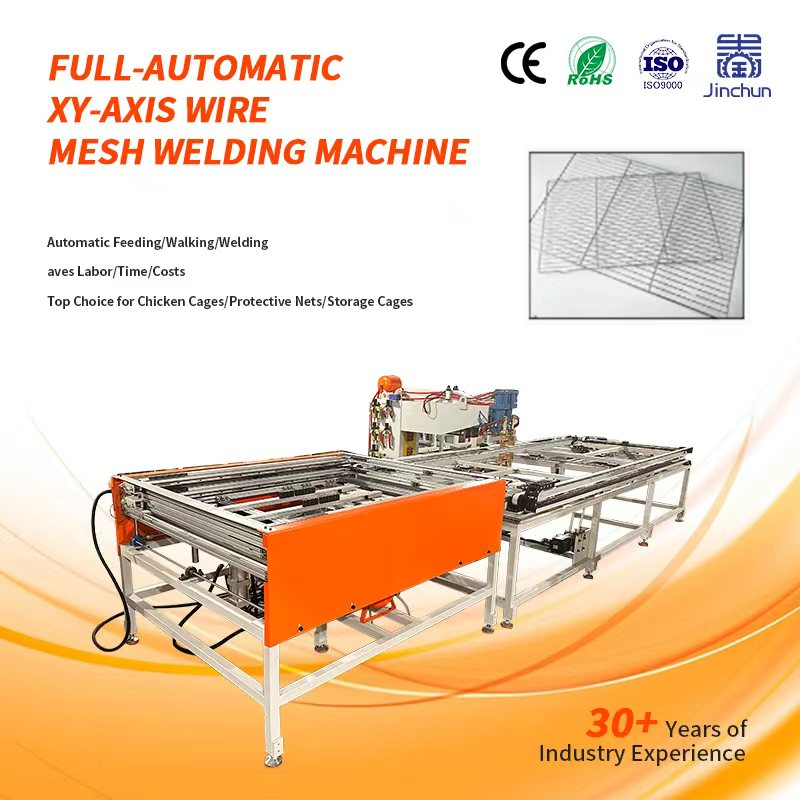
This guide explores the full spectrum of mesh production, highlighting the critical role of CNC automation and the specialized equipment used to create everything from fine wire grills to heavy-duty warehouse shelving.
1. The Technology Behind Modern Mesh Welding
At its core, a CNC Wire Mesh Welding Device is designed to transform raw metal wire—primarily iron and stainless steel—into rigid, uniform grids. Unlike manual spot welding, which is slow and prone to inconsistency, modern Fully Automatic Wire Mesh Welding Machines utilize computerized numerical control to manage electrode pressure, current duration, and wire positioning simultaneously.
High-Precision CNC Operation
The primary advantage of the Steel Bar Mesh Welding Machine is its ability to handle complex grid patterns with 100% repeatability. By inputting specific parameters into the CNC interface, manufacturers can produce:
Geothermal and Underfloor Heating Mesh: Precise grids designed to secure heating pipes in residential and commercial buildings.
Shule Board Mesh: Structural mesh used in reinforced insulation panels for the construction industry.
Architectural Mesh: Flat, clean grids used for decorative and functional building facades.
2. Specialized Solutions for Poultry and Pet Enclosures
One of the largest markets for wire mesh is the animal husbandry sector. Producing high-quality cages for livestock and domestic pets requires a balance of strength and safety—ensuring no sharp burrs or weak joints that could harm the animals.
Poultry Cage Production
The Poultry Cage Mesh Welding Machine is specifically calibrated for high-volume manufacturing. These machines are the industry standard for producing:
Chicken and Pigeon Cages: Fine-tuned for the specific wire gauges required for avian containment.
Breeding Nets: Specialized mesh designed for localized livestock management in large-scale farming operations.
Pet Enclosure Manufacturing
For the domestic pet market, durability and finish are key. Pet Cage Mesh Welders are used to create:
Dog Crates and Rabbit Cages: Using heavy-duty iron or stainless steel wire to ensure long-lasting security.
Smooth-Finish Grids: Ensuring the comfort of pets by maintaining smooth, burn-free weld points through precise current control.
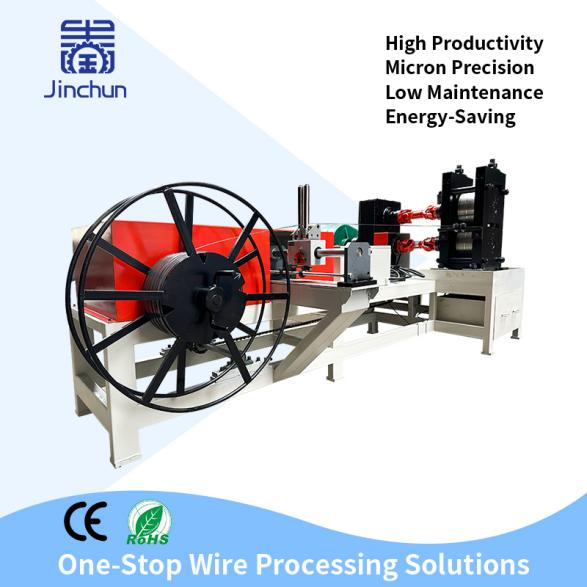
3. The Crucial Role of Wire Flattening Technology
A finished mesh product is only as good as the wire it is built from. In many applications—particularly for high-end shelving, display racks, and BBQ grills—round wire must be transformed into flat wire before it reaches the welding stage.
Integrating Flattening Machines
The use of a Steel Wire Flattening Machine (also known as a Metal Wire Rolling Mill) is a vital step in the production line. Modern equipment such as the Full Automatic Wire Rolling Mill and Line Material Flattening Machine offer several benefits:
Increased Surface Area: Flattened wire provides a larger contact point during welding, leading to a stronger and more reliable bond between wires.
Improved Stability: For warehouse shelves and line racks, flattened wire offers a more stable surface for items to rest upon compared to rounded wire.
Aesthetic Quality: In consumer products like barbecue nets or shopping baskets, flattened wire provides a sleek, professional appearance that consumers associate with quality.
Whether you are processing iron wire or stainless steel, a high-quality Wire Press Machine ensures the material is perfectly uniform before the first weld is ever made.
4. Expanding Into Logistics and Industrial Storage
Beyond agriculture and pets, the versatility of the Iron Wire Mesh Welding Machine makes it indispensable for the logistics sector. The ability to weld thick wire with high precision allows for the production of:
Warehouse Shelving and Line Racks: Engineered to hold heavy industrial loads with minimal deflection.
Turnover Boxes and Industrial Crates: Essential for the safe movement and storage of goods within factories and distribution centers.
Shopping Carts and Baskets: High-volume production of the complex grids used in retail environments.
5. Why Choose Fully Automatic Systems?
For manufacturers operating in the Wholesale Poultry Cage Mesh Welding market, efficiency is the only way to maintain a competitive edge. The transition to fully automatic systems provides a high Return on Investment (ROI) through:
Labor Cost Reduction: One operator can manage multiple CNC machines, as the equipment handles the feeding, positioning, and welding autonomously.
Zero-Waste Production: CNC precision ensures that wire is cut and welded with minimal scrap, a critical factor when working with expensive materials like stainless steel.
Uniform Quality: Every piece of mesh produced—whether it is a small bird cage or a large construction panel—is identical in strength and dimension, reducing customer returns and structural failures.
6. Durability and Maintenance for High-Output Factories
High-output environments demand machinery that can withstand 24/7 operation. A professional New Type Mesh Welding Machine is built with:
Reinforced Machine Frames: Designed to absorb the vibrations of high-speed welding cycles, maintaining accuracy over years of use.
Advanced Cooling Systems: To prevent the welding electrodes from overheating during long production runs, which ensures consistent weld quality.
Quick-Change Tooling: Allowing the factory to switch from producing pet cages to geothermal mesh or storage racks with minimal downtime.
Conclusion
From the intricate grids of a BBQ grill to the massive structural requirements of industrial shelving, the integrated ecosystem of Mesh Welding and Wire Flattening is the foundation of modern wire fabrication. By combining the precision of a CNC Wire Mesh Welder with the versatility of a Wire Flattening Mill, manufacturers can serve a diverse range of industries—including agriculture, construction, pets, and logistics—with a single, efficient production line.