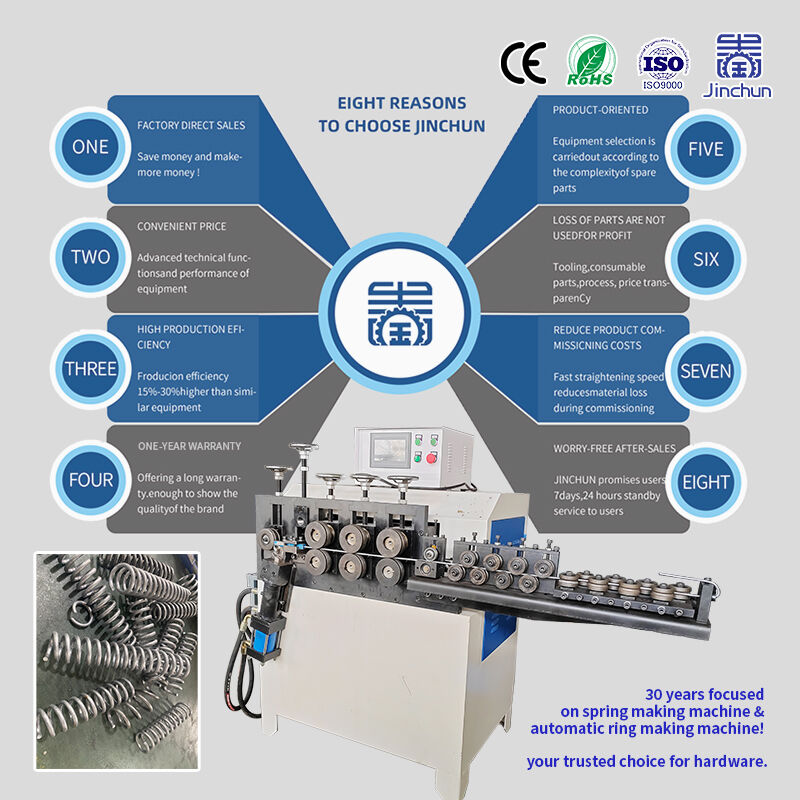
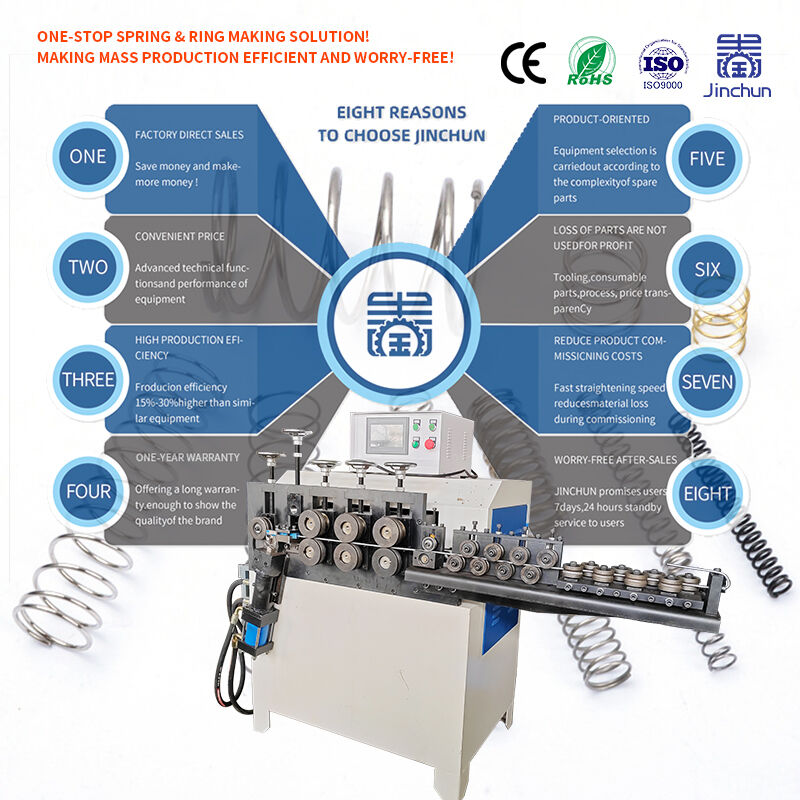
Professional Spring Forming Machine - Precision Automated Wire Spring Manufacturing Equipment

Get a Free Quote

Our representative will contact you soon.
Email
Name
Company Name
Phone / WhatsApp
Required Product
Message
0/1000

spring forming machine

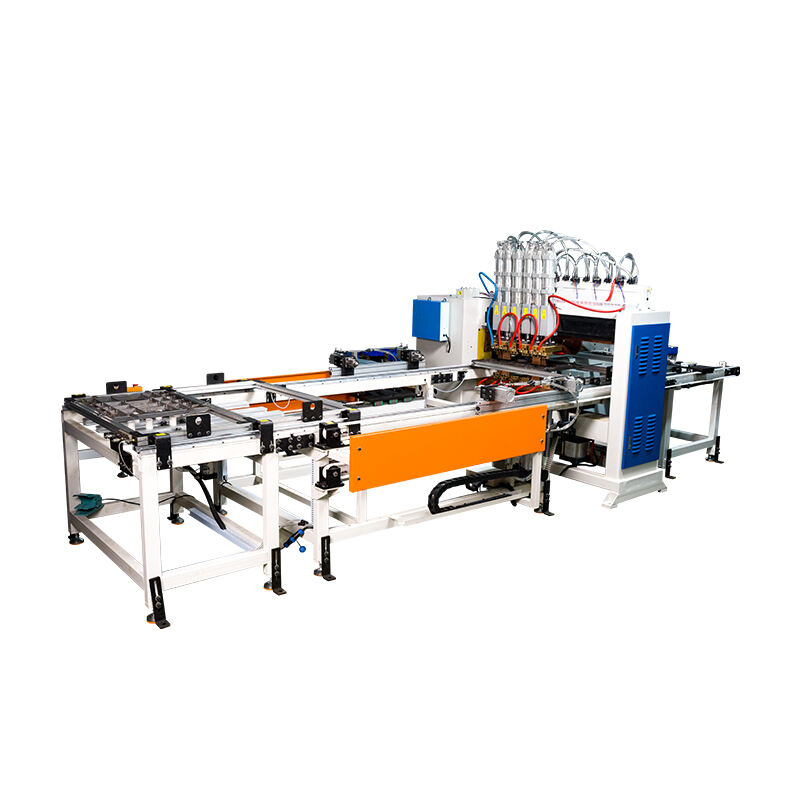
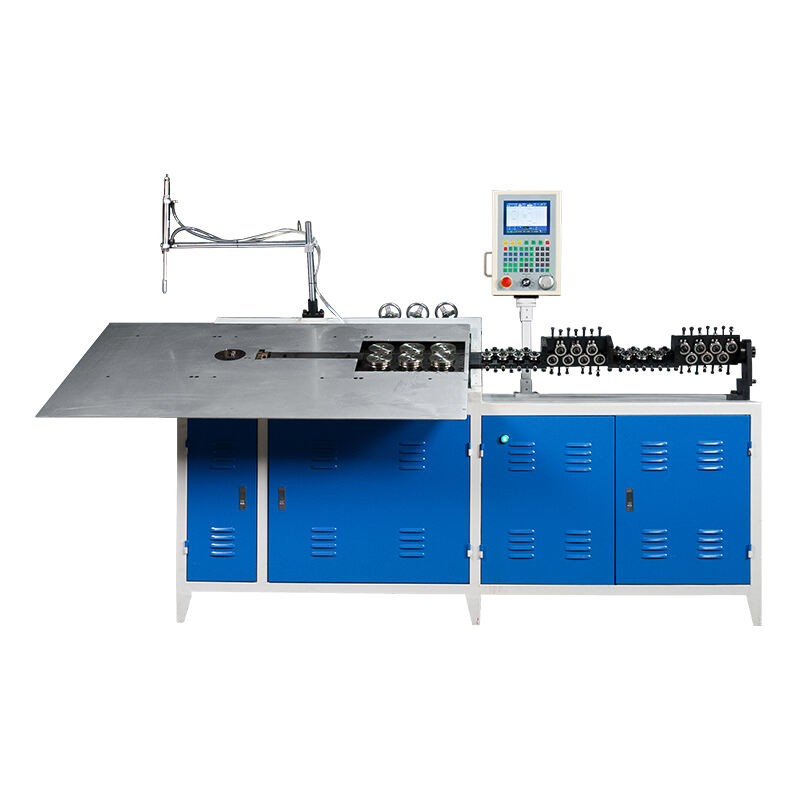
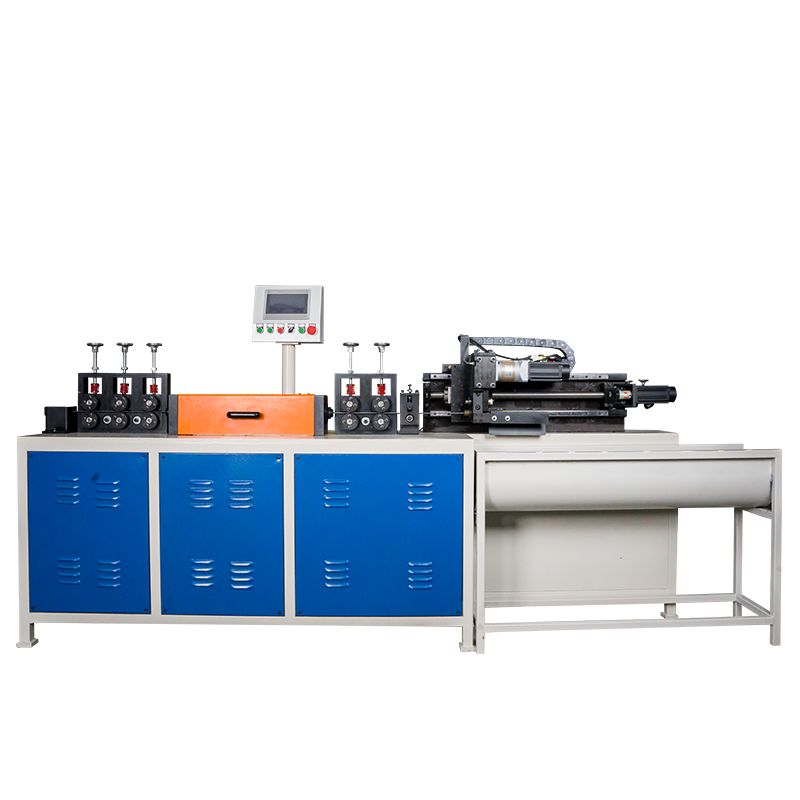
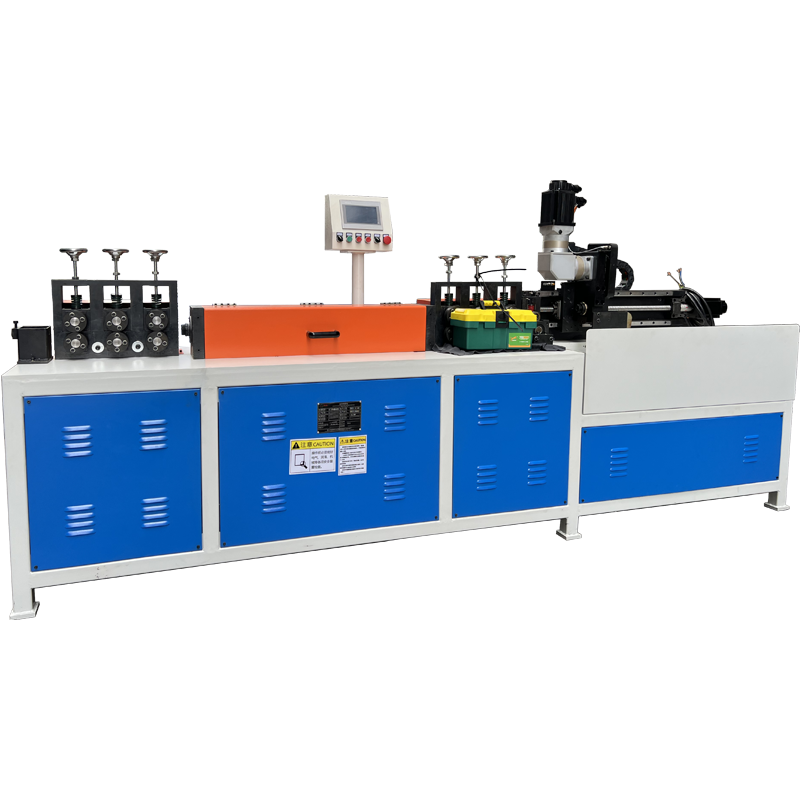
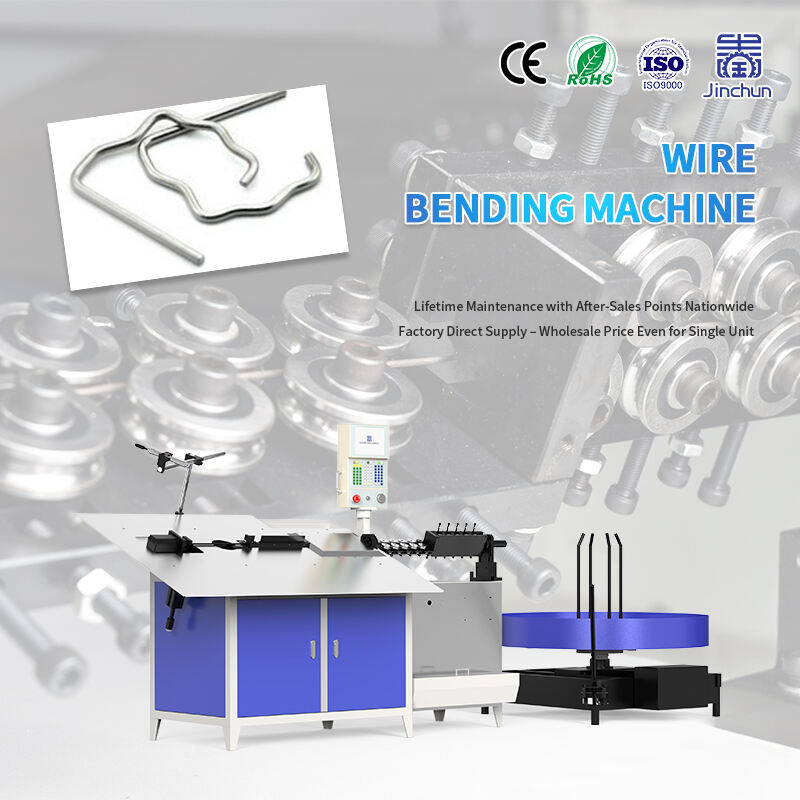
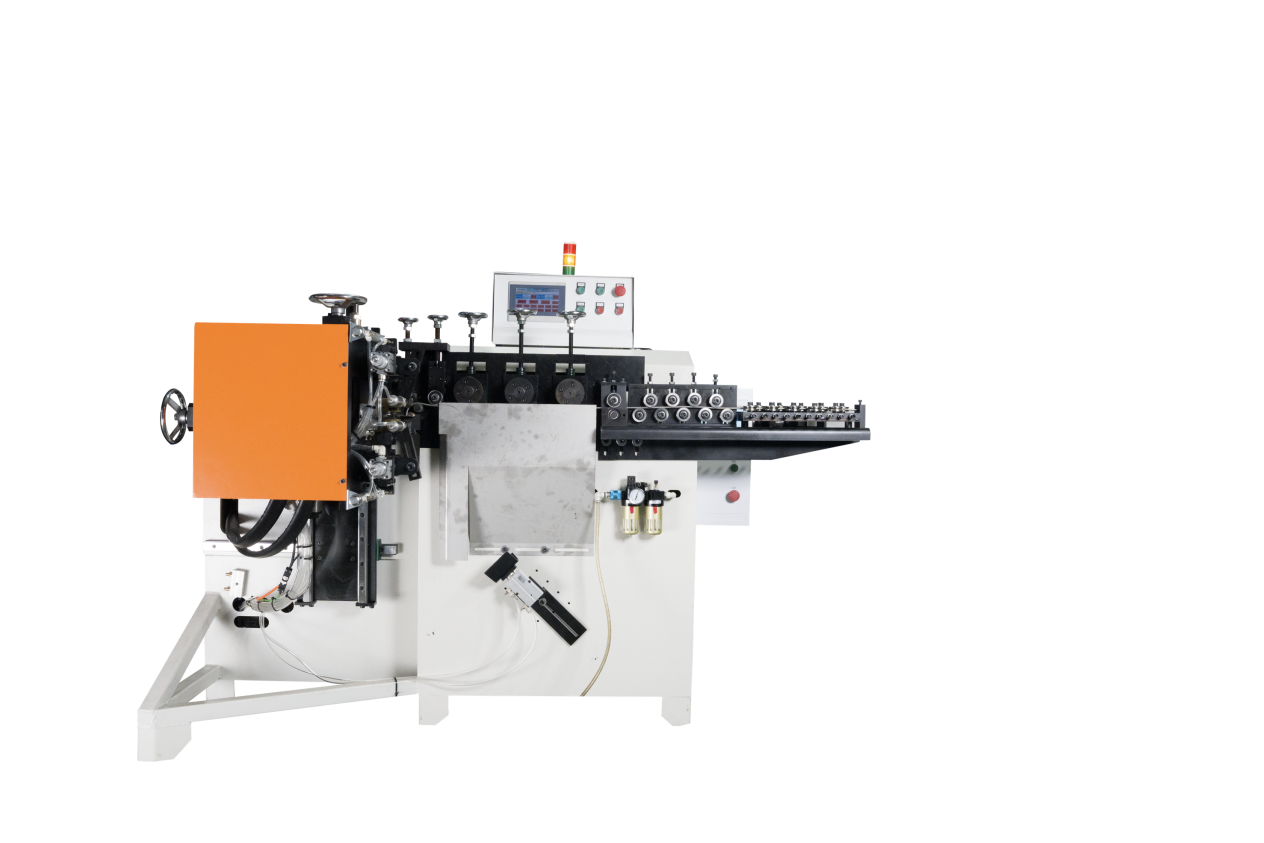
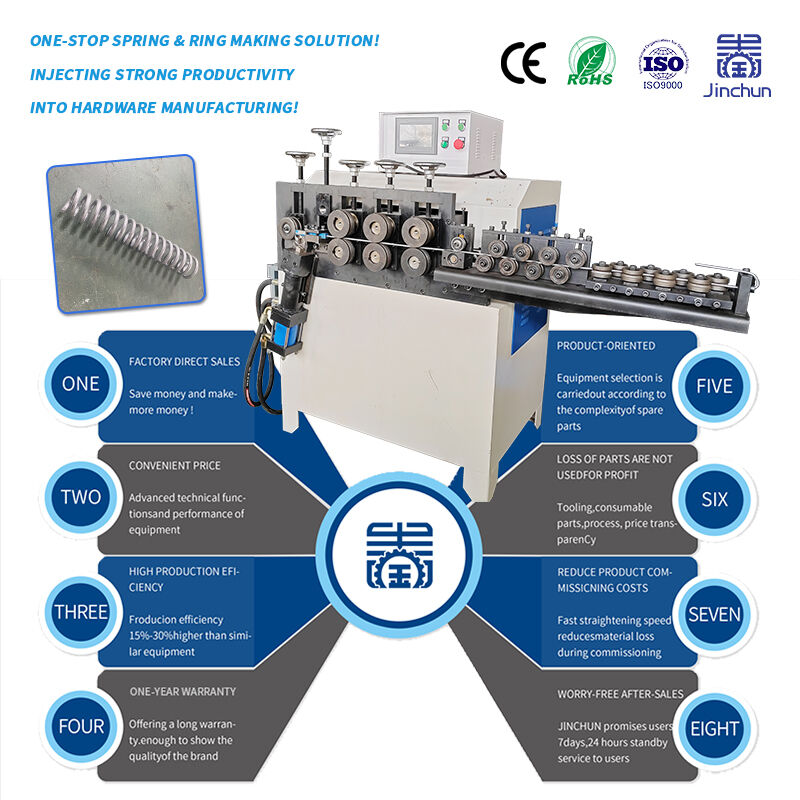
The spring forming machine represents a revolutionary advancement in metal fabrication technology, designed to create high-precision springs with exceptional consistency and efficiency. This sophisticated equipment transforms raw wire materials into various spring configurations through automated processes that ensure dimensional accuracy and optimal performance characteristics. Modern spring forming machines utilize computer numerical control systems to execute complex forming operations, delivering springs that meet stringent quality standards across diverse industrial applications. The primary function of a spring forming machine centers on wire feeding, cutting, and forming operations that shape metal wire into predetermined spring geometries. These machines accommodate multiple wire diameters and materials, including steel, stainless steel, brass, and specialized alloys, providing manufacturers with versatility in production capabilities. Advanced spring forming machines feature programmable control systems that store multiple spring specifications, enabling rapid changeovers between different product runs without extensive manual adjustments. The technological features of contemporary spring forming machines include servo-driven mechanisms that provide precise control over wire feeding rates, cutting positions, and forming angles. Multi-axis capability allows these machines to create complex three-dimensional spring shapes, including compression springs, extension springs, torsion springs, and custom configurations. Integrated quality control sensors monitor dimensional parameters during production, ensuring consistent output quality and reducing waste materials. The applications for spring forming machines span numerous industries, including automotive manufacturing, aerospace engineering, electronics production, medical device fabrication, and consumer goods manufacturing. Automotive applications utilize these machines to produce suspension springs, valve springs, and various mechanical components that require precise spring characteristics. Electronics manufacturers depend on spring forming machines to create contact springs, battery terminals, and miniature components essential for device functionality. The versatility and precision of modern spring forming machines make them indispensable tools for manufacturers seeking to optimize production efficiency while maintaining superior product quality in competitive market environments.

New Product Releases

Spring forming machines deliver substantial cost savings through automated production processes that reduce labor requirements and minimize material waste. These machines operate continuously with minimal supervision, allowing manufacturers to achieve higher output volumes while maintaining consistent quality standards. The precision control systems eliminate human error factors that traditionally contribute to dimensional variations and product defects, resulting in significant reductions in rejected parts and rework costs. Manufacturing facilities benefit from faster production cycles as spring forming machines complete complex forming operations in seconds rather than minutes required for manual processes. The automated nature of these systems enables 24-hour production schedules, maximizing equipment utilization and increasing overall manufacturing capacity without proportional increases in staffing requirements. Quality improvements represent another major advantage of spring forming machines, as computer-controlled operations ensure each spring meets exact specifications throughout extended production runs. The consistent tension, dimensional accuracy, and material properties achieved through automated forming processes translate to superior product reliability and enhanced customer satisfaction. This reliability reduces warranty claims and returns, protecting manufacturer reputation while building long-term customer relationships. Flexibility in production capabilities allows manufacturers to respond quickly to changing market demands and customer requirements. Spring forming machines accommodate diverse wire materials, diameters, and spring configurations through programmable settings that facilitate rapid product changeovers. This adaptability enables manufacturers to serve multiple market segments and accept smaller batch orders that would be economically unfeasible with manual production methods. The ability to store hundreds of spring programs in machine memory streamlines production planning and reduces setup times between different product runs. Operational efficiency gains extend beyond basic production metrics to include improved workplace safety and reduced physical demands on operators. Spring forming machines eliminate repetitive manual tasks that can cause workplace injuries and fatigue, creating safer working environments while improving employee satisfaction. The enclosed design of modern machines contains wire fragments and reduces noise levels, contributing to better overall working conditions. Additionally, these machines require minimal floor space compared to traditional spring manufacturing setups, optimizing facility layouts and reducing real estate costs. Investment in spring forming technology provides long-term competitive advantages through enhanced production capabilities and market responsiveness that position manufacturers for sustained growth and profitability.

Practical Tips

Wire Straightening Machine: How to Choose the Best One

20

Nov

Wire Straightening Machine: How to Choose the Best One

Manufacturing industries rely heavily on precise wire processing equipment to maintain product quality and operational efficiency. When wire materials arrive coiled or bent from suppliers, achieving the straightness required for downstream applicatio...
View More
Automatic Ring Making Machine: ROI for Jewelry Business

27

Nov

Automatic Ring Making Machine: ROI for Jewelry Business

The jewelry manufacturing industry has witnessed remarkable technological advancement in recent years, with automation becoming a cornerstone of modern production facilities. An automatic ring making machine represents one of the most significant inv...
View More
Two Steps in One: How Circle Forming & Welding Machines Save Time

22

Dec

Two Steps in One: How Circle Forming & Welding Machines Save Time

In modern metal fabrication, efficiency is not just about speed—it's about streamlining processes. Every extra handling step, every transfer between machines, adds time, cost, and potential for error. For industries that rely on high-quality me...
View More
 Mesh Welding Machines for Efficient Poultry and Pet Cage Production

25

Feb

Mesh Welding Machines for Efficient Poultry and Pet Cage Production

In the competitive market of animal husbandry and pet supplies, the quality of wire housing can determine a brand's reputation. Whether you are manufacturing large-scale poultry layers or intricate pet crates, the demand for precision, strength, and ...
View More

Get a Free Quote

Our representative will contact you soon.
Email
Name
Company Name
Phone / WhatsApp
Required Product
Message
0/1000

spring forming machine

Precision Control Technology for Superior Spring Quality

Precision Control Technology for Superior Spring Quality

The precision control technology integrated into modern spring forming machines represents a quantum leap forward in manufacturing accuracy and consistency. Advanced servo motor systems control every aspect of the forming process, from wire feeding rates to cutting positions and bending angles, ensuring that each spring produced meets exact dimensional specifications within tolerances measured in thousandths of an inch. This level of precision eliminates the variability inherent in manual production methods, where human factors can introduce inconsistencies that compromise product quality and performance. The computer numerical control systems employ sophisticated algorithms that calculate optimal forming parameters based on material properties, desired spring characteristics, and production requirements. These systems continuously monitor and adjust operating parameters in real-time, compensating for minor variations in wire diameter, material hardness, or environmental conditions that could affect spring quality. The result is consistent spring production that maintains uniform load characteristics, dimensional accuracy, and fatigue resistance across entire production runs. Quality assurance sensors integrated throughout the forming process provide immediate feedback on critical dimensions and spring properties, enabling automatic corrections before defective products can be produced. This real-time quality monitoring significantly reduces waste materials and eliminates the costs associated with producing out-of-specification parts. Manufacturers benefit from enhanced customer satisfaction as products consistently meet or exceed performance expectations, leading to stronger business relationships and repeat orders. The precision capabilities of spring forming machines also enable manufacturers to work with tighter tolerances than previously achievable, opening opportunities in high-precision applications such as medical devices, aerospace components, and electronic equipment where spring performance is critical to overall system functionality. This technological advantage allows manufacturers to command premium pricing for high-quality products while building reputations for reliability and excellence in their respective markets. The investment in precision control technology pays dividends through reduced quality control costs, decreased warranty claims, and the ability to serve demanding applications that require exceptional spring performance standards.
Multi-Material Processing Capabilities for Diverse Applications

Multi-Material Processing Capabilities for Diverse Applications

The multi-material processing capabilities of advanced spring forming machines provide manufacturers with unprecedented flexibility to serve diverse market segments and applications with a single piece of equipment. These machines handle an extensive range of wire materials including carbon steel, stainless steel, phosphor bronze, beryllium copper, Inconel, titanium, and various specialty alloys, each requiring different processing parameters to achieve optimal results. The sophisticated control systems automatically adjust forming speeds, temperatures, and pressures based on material properties, ensuring proper spring formation regardless of the wire material being processed. This versatility eliminates the need for multiple specialized machines, reducing capital equipment investments while maximizing production floor utilization. Material handling systems accommodate wire diameters ranging from fine gauge wires used in electronic applications to heavy-duty wires for industrial springs, with automatic diameter detection ensuring proper processing parameters are applied. The ability to process exotic materials opens opportunities in specialized markets such as aerospace, medical devices, and high-temperature applications where standard materials cannot meet performance requirements. Manufacturers can respond to unique customer specifications without outsourcing special material processing, maintaining control over quality and delivery schedules while capturing additional value-added revenue. Temperature control systems within the forming machines ensure optimal processing conditions for materials that require specific thermal treatments during forming operations. This capability is particularly important for materials that exhibit work hardening characteristics or require stress relief during the forming process. The multi-material capability also enables manufacturers to optimize spring designs by selecting the most appropriate material for each application, considering factors such as corrosion resistance, temperature stability, electrical conductivity, and mechanical properties. This flexibility supports engineering collaboration with customers to develop innovative spring solutions that improve product performance while reducing overall system costs. The economic benefits of multi-material processing extend beyond equipment utilization to include inventory management advantages, as manufacturers can maintain smaller wire inventories while serving broader customer bases. Quality traceability systems track material lots through the production process, ensuring compliance with industry standards and customer requirements for material certification and performance documentation.
Automated Production Efficiency and Cost Optimization

Automated Production Efficiency and Cost Optimization

The automated production efficiency achieved through modern spring forming machines transforms manufacturing economics by dramatically reducing labor costs, increasing output capacity, and optimizing material utilization. These machines operate with minimal human intervention, requiring only initial setup and periodic monitoring, which allows skilled technicians to oversee multiple machines simultaneously and focus on value-added activities such as quality assurance and process optimization. The continuous operation capability enables manufacturers to maintain production schedules around the clock, maximizing equipment return on investment while meeting tight delivery deadlines that are increasingly common in today's fast-paced manufacturing environment. Automated wire feeding systems eliminate manual handling and reduce material waste by precisely controlling wire consumption for each spring produced. The machines calculate exact wire lengths required for specific spring configurations, minimizing material overrun and reducing raw material costs. Scrap rates are significantly lower compared to manual production methods, as automated processes eliminate human errors that can result in incorrectly formed springs or dimensional variations that render products unusable. The consistency of automated production also reduces the need for extensive quality control inspections, as process monitoring systems ensure each spring meets specifications before completion. Production scheduling becomes more predictable with spring forming machines, as cycle times remain consistent regardless of operator skill levels or fatigue factors that can affect manual production rates. This predictability improves customer service through reliable delivery commitments and enables more accurate production planning and inventory management. The machines store production data that facilitates analysis of manufacturing efficiency, identifying opportunities for further optimization and cost reduction. Maintenance scheduling becomes more systematic as automated systems monitor component wear and provide predictive maintenance alerts, reducing unexpected downtime and extending equipment life. Energy efficiency represents another significant cost advantage, as modern spring forming machines utilize servo motors and optimized control systems that consume less power than traditional mechanical systems while delivering superior performance. The compact design of these machines reduces facility overhead costs by maximizing production capacity within smaller floor spaces, an important consideration for manufacturers facing increasing real estate costs. Training requirements are minimized as operators need only learn machine programming and monitoring procedures rather than developing complex manual forming skills, reducing training time and costs while improving workforce flexibility.

Get a Free Quote

Our representative will contact you soon.
Email
Name
Company Name
Phone / WhatsApp
Required Product
Message
0/1000

Get a Free Quote

Our representative will contact you soon.
Email
Name
Company Name
Phone / WhatsApp
Required Product
Message
0/1000