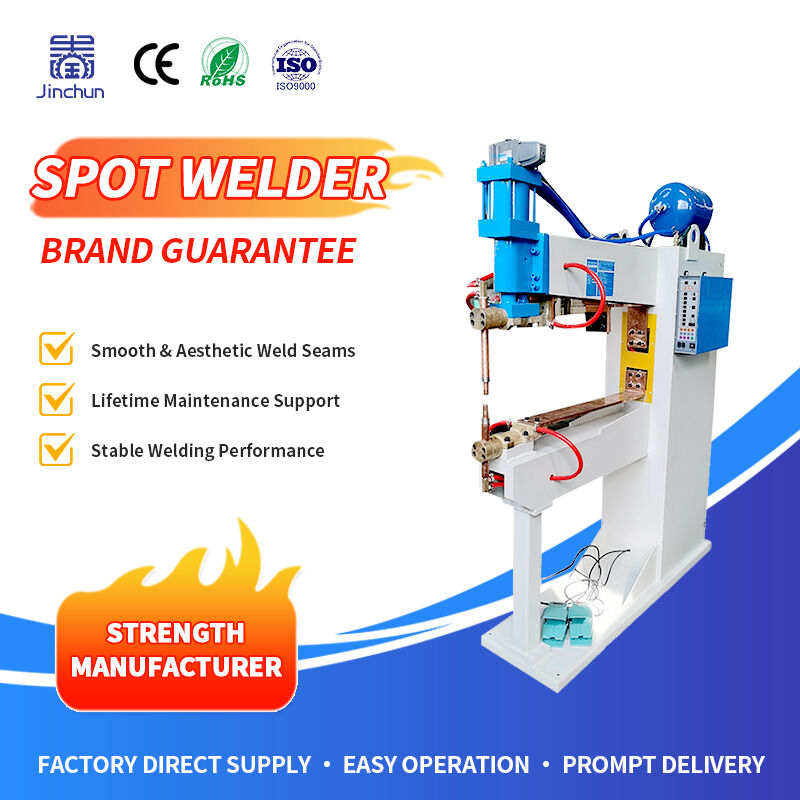
Complete Guide to Spot Welding Machine Types: Features, Applications & Benefits

Get a Free Quote

Our representative will contact you soon.
Email
Name
Company Name
Phone / WhatsApp
Required Product
Message
0/1000

spot welding machine types

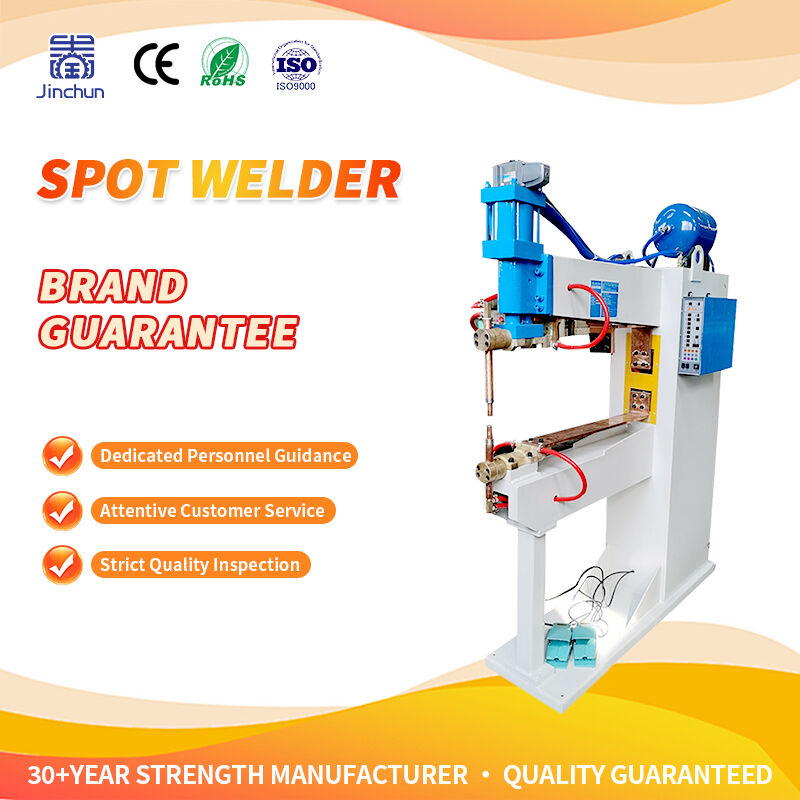
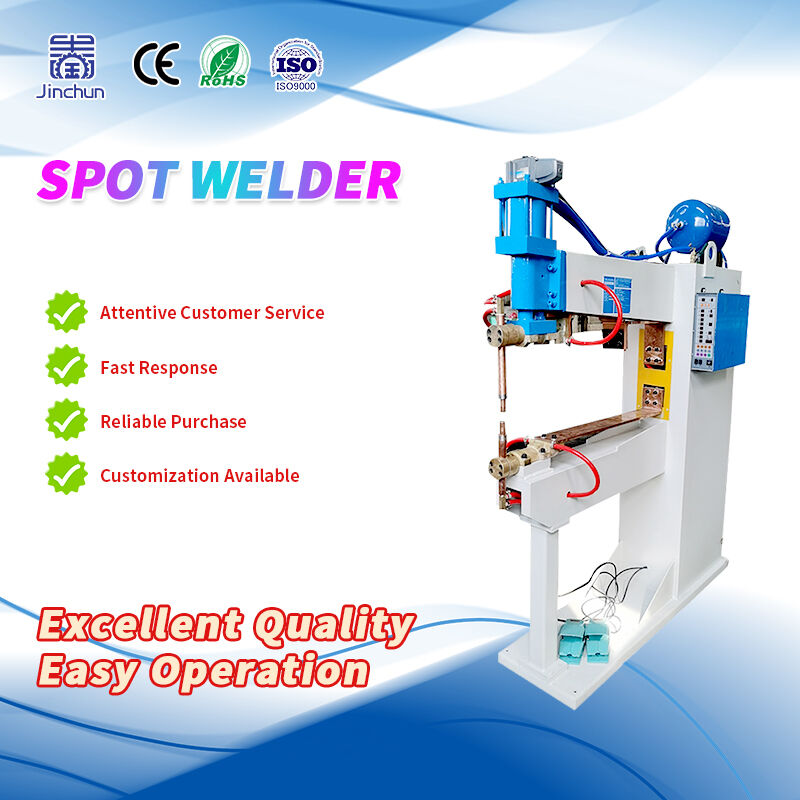
Spot welding machine types represent essential equipment in modern manufacturing processes, offering precise and efficient solutions for joining metal components. These machines utilize electrical resistance heating to create strong, permanent bonds between overlapping metal sheets through focused heat application at specific points. The primary function of spot welding machine types involves passing electrical current through metal workpieces pressed together by copper electrodes, generating localized heat that melts and fuses the materials. This process creates durable weld nuggets that maintain structural integrity under various stress conditions. Technological features of modern spot welding machine types include programmable control systems that allow operators to adjust parameters such as current intensity, welding time, and electrode pressure for optimal results. Advanced models incorporate digital displays, automated sequencing capabilities, and real-time monitoring systems that ensure consistent weld quality across production runs. These machines feature robust transformer designs that deliver precise electrical output while maintaining energy efficiency standards. Safety mechanisms built into contemporary spot welding machine types include emergency stop functions, electrode protection systems, and thermal management controls that prevent overheating during extended operations. The versatility of spot welding machine types makes them suitable for numerous applications across diverse industries. Automotive manufacturing relies heavily on these machines for assembling body panels, chassis components, and structural elements where reliable joints are critical for vehicle safety and performance. Electronics manufacturing utilizes smaller, precision-oriented spot welding machine types for creating connections in battery packs, circuit boards, and electronic assemblies. Construction and fabrication industries employ heavy-duty models for structural steelwork, HVAC systems, and industrial equipment assembly. The adaptability of spot welding machine types extends to custom applications where specialized electrode configurations and programming options accommodate unique production requirements, making them indispensable tools in modern manufacturing environments.

New Product Recommendations

Spot welding machine types deliver significant cost savings by eliminating the need for additional fasteners such as screws, bolts, or adhesives traditionally required for joining metal components. This reduction in consumable materials directly impacts production costs while streamlining inventory management processes. The speed and efficiency of spot welding machine types dramatically increase production throughput compared to conventional joining methods. Operators can complete multiple welds within seconds, enabling high-volume manufacturing scenarios where time efficiency translates to improved profitability. The automated nature of modern spot welding machine types reduces labor requirements and minimizes human error, resulting in consistent quality output that meets stringent manufacturing standards. Energy efficiency represents another crucial advantage of contemporary spot welding machine types, as they consume power only during active welding cycles rather than maintaining continuous heat like traditional welding processes. This selective energy usage reduces operational costs and supports environmental sustainability initiatives within manufacturing facilities. The precision control offered by advanced spot welding machine types ensures optimal material utilization by minimizing waste and reducing rework requirements. Operators can adjust welding parameters with exceptional accuracy, creating joints that meet specific strength requirements without compromising surrounding material properties. Maintenance requirements for spot welding machine types remain relatively minimal compared to complex manufacturing equipment, with routine electrode replacement and periodic calibration representing the primary service needs. This low maintenance profile reduces downtime and keeps operational costs manageable throughout the equipment lifecycle. The versatility of spot welding machine types allows manufacturers to process various metal types and thicknesses without requiring extensive equipment modifications or specialized tooling. This flexibility supports diverse production requirements and enables manufacturers to adapt quickly to changing market demands. Quality assurance benefits include the creation of permanent, tamper-resistant joints that maintain structural integrity under extreme conditions, making spot welding machine types ideal for safety-critical applications. The clean, professional appearance of spot welds eliminates the need for additional finishing processes, reducing production time and associated costs while delivering aesthetically pleasing results that meet customer expectations.

Practical Tips

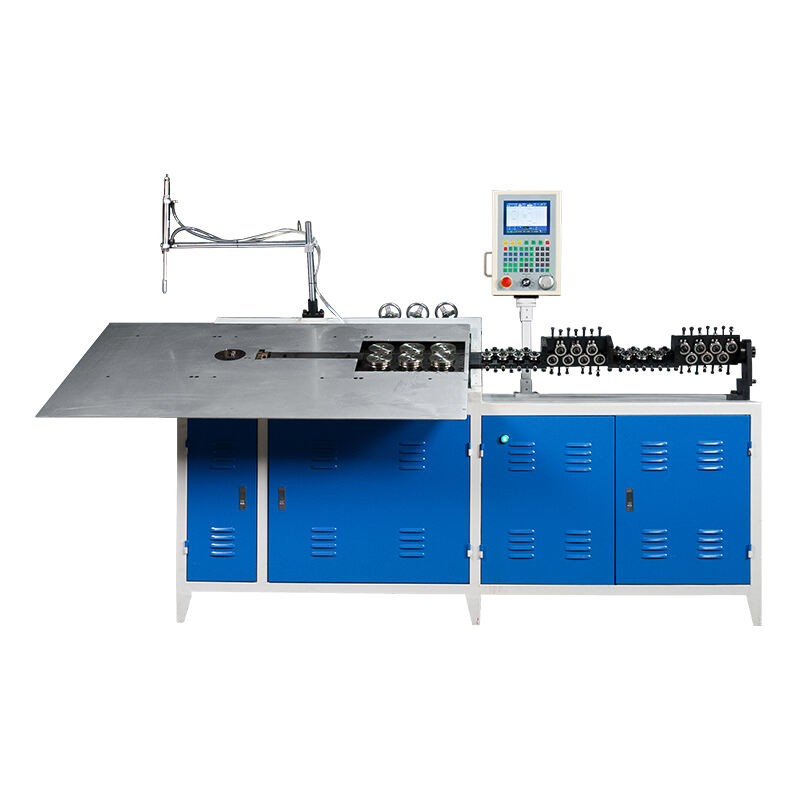
2D Bending Machines: Perfect for Pet Cages and Kitchen Organizers

15

Dec

2D Bending Machines: Perfect for Pet Cages and Kitchen Organizers

In the world of metal fabrication, efficiency and versatility are key. For manufacturers producing everyday items like pet cages and kitchen organizers, achieving consistent quality, complex designs, and cost-effectiveness is paramount. This is where...
View More
Two Steps in One: How Circle Forming & Welding Machines Save Time

22

Dec

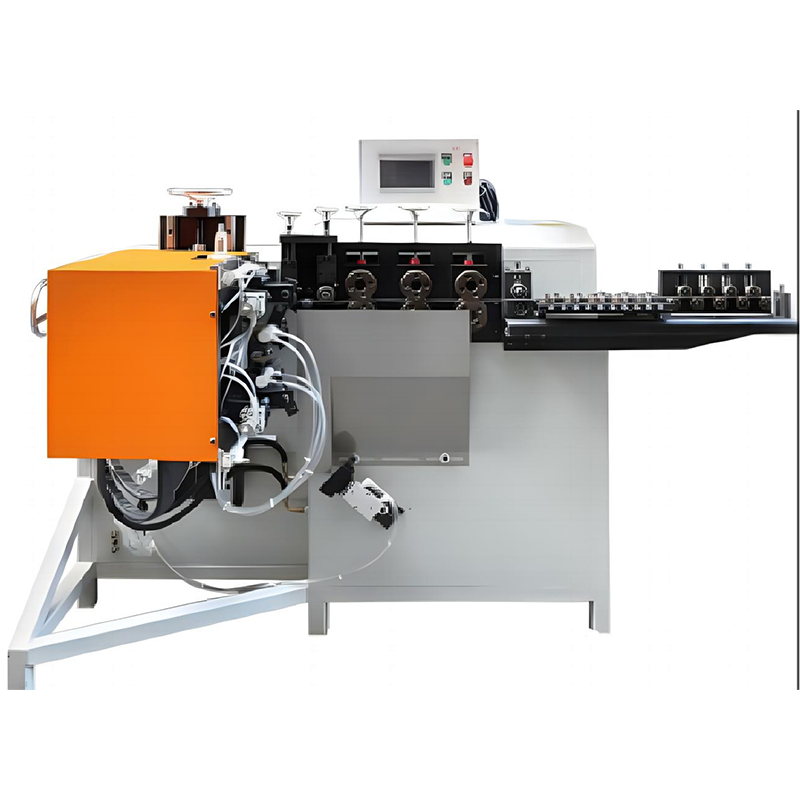
Two Steps in One: How Circle Forming & Welding Machines Save Time

In modern metal fabrication, efficiency is not just about speed—it's about streamlining processes. Every extra handling step, every transfer between machines, adds time, cost, and potential for error. For industries that rely on high-quality me...
View More
How Straightening Machines Ensure Precision in Wire Cutting and Straightening

15

Dec

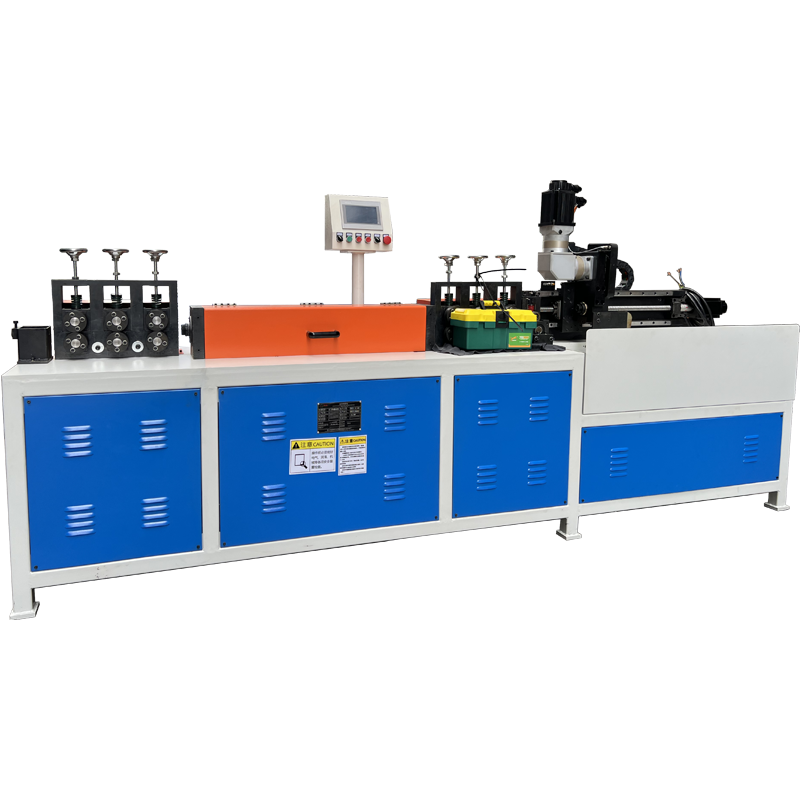
How Straightening Machines Ensure Precision in Wire Cutting and Straightening

In the manufacturing of metal mesh and grid structures, the quality of the base material is critical. Precision-cut and perfectly straightened metal bars or wires form the essential backbone for a wide range of industrial applications. For manufactur...
View More
The Ultimate Guide to CNC Wire Forming: Technology, Applications, and Choosing the Right Partner

15

Jan

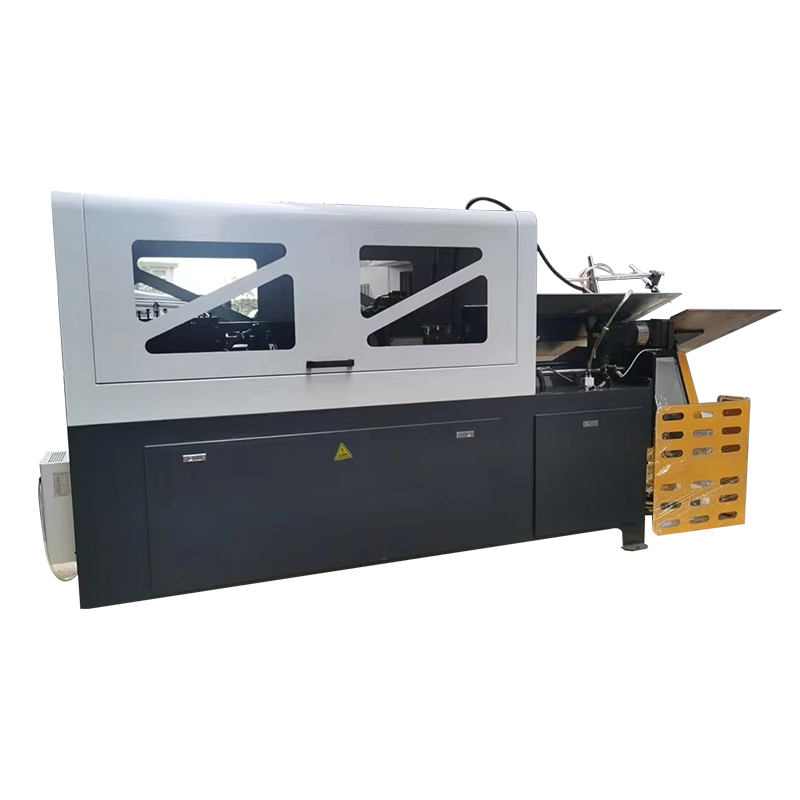
The Ultimate Guide to CNC Wire Forming: Technology, Applications, and Choosing the Right Partner

In the modern industrial landscape, precision and efficiency are the cornerstones of successful manufacturing. CNC wire forming (Computer Numerical Control wire forming) has emerged as an essential technology, allowing for the rapid manipulation of m...
View More

Get a Free Quote

Our representative will contact you soon.
Email
Name
Company Name
Phone / WhatsApp
Required Product
Message
0/1000

spot welding machine types

Advanced Control Systems and Precision Technology

Advanced Control Systems and Precision Technology

Modern spot welding machine types incorporate sophisticated control systems that revolutionize manufacturing precision and operational efficiency. These advanced systems feature microprocessor-based controllers that enable operators to program and store multiple welding schedules for different materials and applications. The digital interface allows real-time monitoring of critical parameters including current flow, voltage levels, electrode force, and welding time with exceptional accuracy. This technological advancement ensures consistent weld quality across production runs while minimizing variations that could compromise joint integrity. The feedback mechanisms built into these control systems continuously analyze welding conditions and automatically adjust parameters to maintain optimal performance throughout the welding cycle. Operators benefit from intuitive touchscreen interfaces that display comprehensive welding data, historical performance trends, and maintenance alerts that support proactive equipment management. The precision capabilities of these control systems extend to force regulation, where servo-controlled mechanisms maintain consistent electrode pressure regardless of material thickness variations or surface irregularities. This precise force control prevents electrode damage while ensuring proper heat distribution for uniform weld nugget formation. Advanced spot welding machine types also feature adaptive control algorithms that compensate for electrode wear, material property variations, and environmental factors that could affect welding quality. The data logging capabilities enable comprehensive quality tracking and statistical process control implementation, supporting ISO certification requirements and continuous improvement initiatives. Remote monitoring options allow supervisors to track multiple machines simultaneously, identifying potential issues before they impact production schedules. The integration of Industry 4.0 connectivity enables seamless communication with manufacturing execution systems, facilitating automated reporting and real-time production optimization. These technological features significantly reduce operator training requirements while improving overall equipment effectiveness and manufacturing competitiveness.
Exceptional Durability and Robust Construction Design

Exceptional Durability and Robust Construction Design

Spot welding machine types demonstrate exceptional durability through robust construction design that withstands demanding industrial environments and high-volume production requirements. The foundation of this durability lies in heavy-duty transformer construction utilizing high-grade electrical steel cores and premium copper windings that deliver consistent performance over extended operational periods. These transformers undergo rigorous testing to ensure reliable operation under varying load conditions while maintaining electrical efficiency and thermal stability. The mechanical components of professional spot welding machine types feature precision-engineered electrode arms manufactured from high-strength materials that resist deformation and maintain accurate alignment throughout millions of welding cycles. The bearing systems and pivot mechanisms utilize industrial-grade components designed for continuous operation with minimal wear, ensuring long-term positional accuracy essential for consistent weld quality. Cooling systems integrated into robust spot welding machine types employ efficient circulation designs that prevent overheating during intensive production schedules, extending component life and maintaining optimal performance levels. The electrical contactors and switching components are rated for heavy-duty industrial applications, providing reliable circuit control and protection against electrical surges or abnormal operating conditions. Housing construction utilizes welded steel frameworks with protective coatings that resist corrosion and environmental degradation, ensuring equipment longevity in challenging manufacturing environments. The modular design approach employed in quality spot welding machine types facilitates component replacement and maintenance procedures, minimizing downtime and reducing total cost of ownership. Comprehensive safety features including emergency stops, light curtains, and two-hand operation controls are built to industrial safety standards, protecting operators while ensuring regulatory compliance. The durability advantages extend to electrode holder systems that maintain secure connections and precise positioning despite repeated thermal cycling and mechanical stress. Quality manufacturers provide extensive warranty coverage and service support networks that demonstrate confidence in equipment reliability and construction quality, offering peace of mind for substantial capital investments.
Versatile Applications Across Multiple Industries

Versatile Applications Across Multiple Industries

The versatility of spot welding machine types enables their successful implementation across diverse industries, each benefiting from unique capabilities that address specific manufacturing challenges and requirements. Automotive manufacturing represents the largest application sector, where spot welding machine types create thousands of joints in vehicle body construction, ensuring structural integrity while maintaining production efficiency standards essential for modern assembly line operations. These machines accommodate various steel grades including advanced high-strength steels and aluminum alloys increasingly used in lightweight vehicle construction, requiring precise control of welding parameters to achieve optimal joint properties without compromising material characteristics. Electronics manufacturing utilizes specialized spot welding machine types designed for micro-welding applications, creating reliable connections in battery assemblies, circuit boards, and miniature components where traditional welding methods prove impractical or destructive to sensitive electronic elements. The aerospace industry relies on precision spot welding machine types for fabricating aircraft components, fuel systems, and structural assemblies where weld quality directly impacts safety and performance requirements under extreme operating conditions. Medical device manufacturing employs spot welding machine types for creating biocompatible joints in surgical instruments, implantable devices, and diagnostic equipment where contamination risks must be minimized and material purity maintained throughout the welding process. Construction and architectural applications benefit from heavy-duty spot welding machine types capable of joining structural steel members, reinforcing mesh, and decorative metalwork where aesthetic appearance and structural strength requirements must be simultaneously satisfied. HVAC manufacturing utilizes spot welding machine types for ductwork fabrication, heat exchanger assembly, and equipment housing construction where leak-proof joints and thermal efficiency considerations drive welding parameter selection. The appliance industry depends on spot welding machine types for creating durable connections in washing machines, refrigerators, and kitchen equipment where consumer safety, durability expectations, and cost-effectiveness requirements must be balanced through optimized welding processes. Custom fabrication shops benefit from the adaptability of spot welding machine types, which can be configured with specialized fixtures and programming to accommodate unique projects ranging from artistic metalwork to prototype development, demonstrating the remarkable flexibility that makes these machines valuable across virtually any metal joining application.

Get a Free Quote

Our representative will contact you soon.
Email
Name
Company Name
Phone / WhatsApp
Required Product
Message
0/1000

Get a Free Quote

Our representative will contact you soon.
Email
Name
Company Name
Phone / WhatsApp
Required Product
Message
0/1000