101, Building 9, Jicheng Science And Technology Innovation Park, No. 25, Sanle East Road, Shunjiang Community, Beijiao Town, Foshan, Guangdong, China +86-18038626853 [email protected]
101, Building 9, Jicheng Science And Technology Innovation Park, No. 25, Sanle East Road, Shunjiang Community, Beijiao Town, Foshan, Guangdong, China +86-18038626853 [email protected]

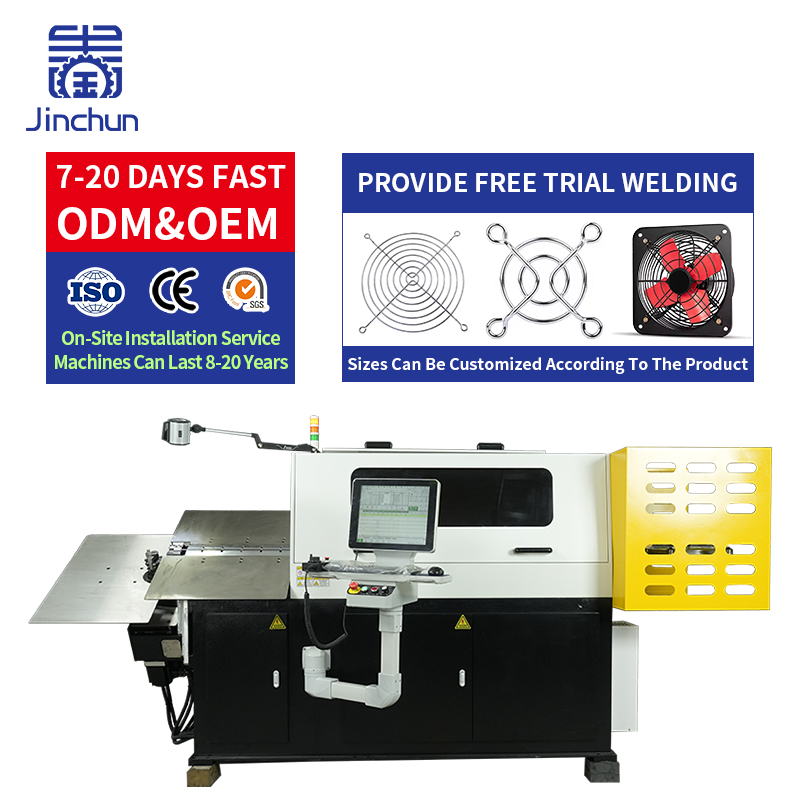
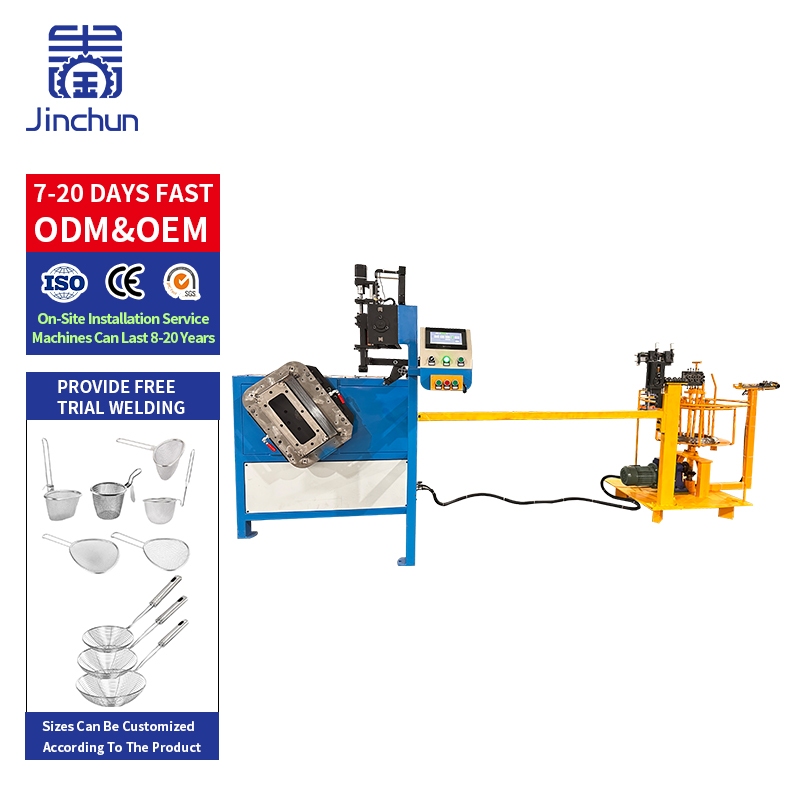
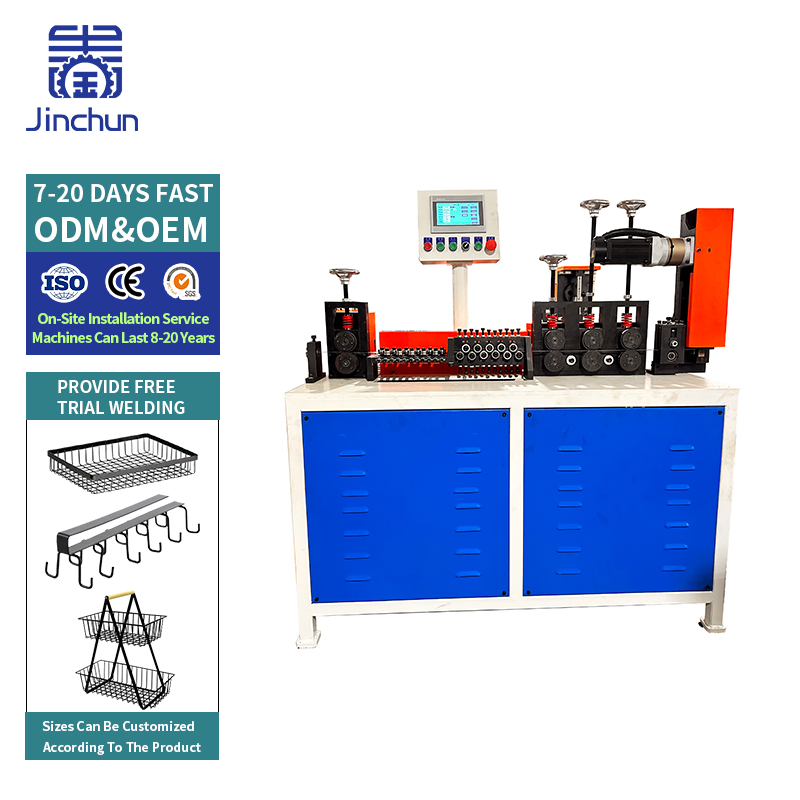
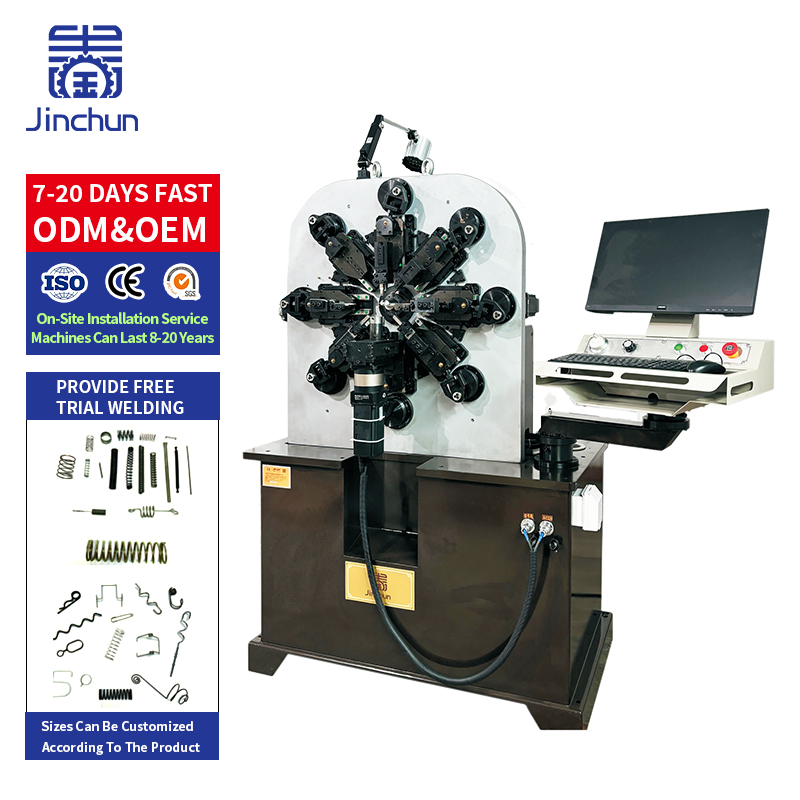
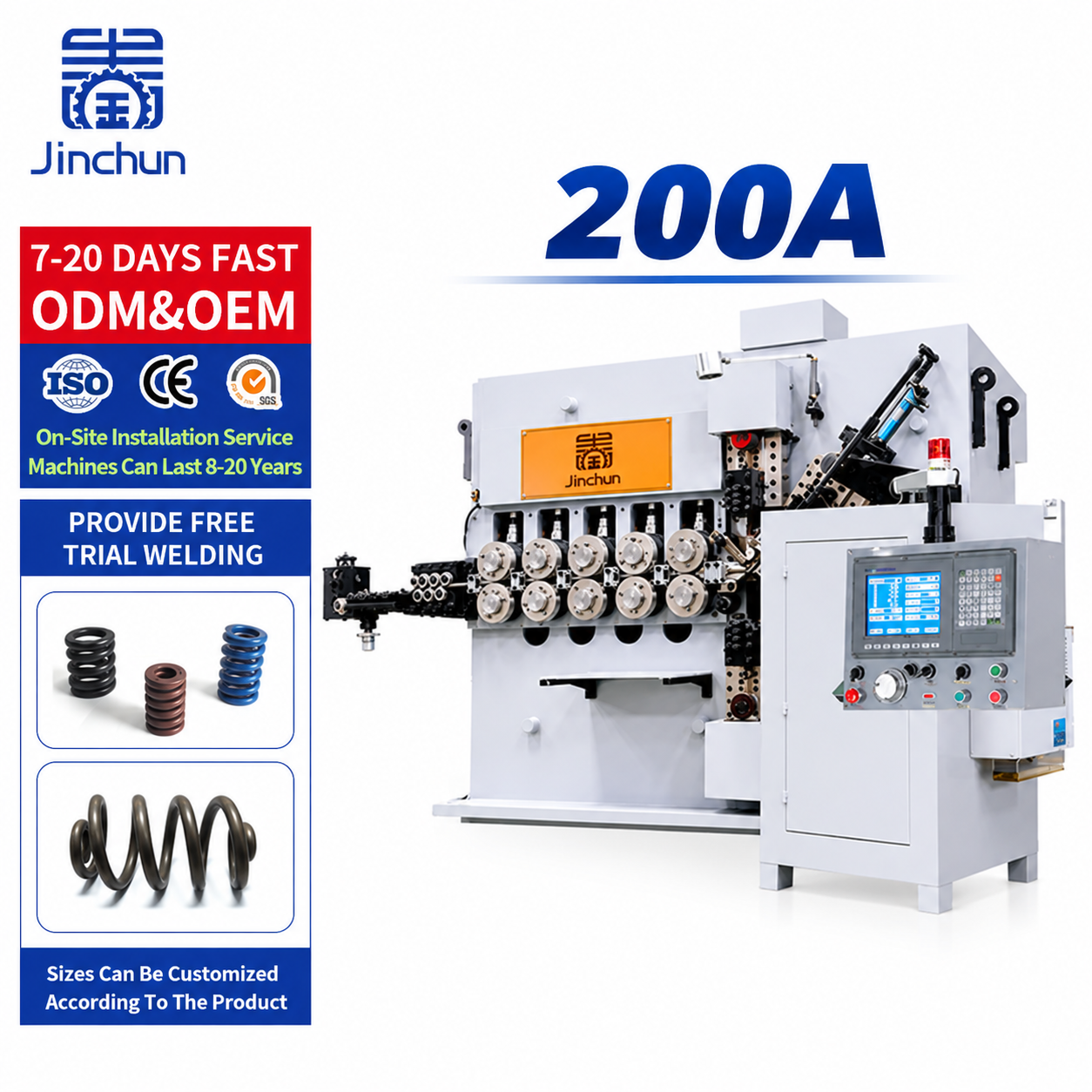
Before buying a wire bending machine, ask for a sample trial that can be repeated and documented. One attractive sample shows that a shape was produced once. It does not establish stable dimensions, sustainable output or the amount of operator correction required. A structured trial connects the approved drawing with measurements, cycle records and the exact configuration being offered.
A selected sample may have been produced after extensive adjustment or manual correction. Those circumstances do not make the sample useless, but they change what it proves. Separate setup development from the production run and identify every intervention.
Agree the trial scope before it starts. It should include the material condition, representative part range, run length, inspection plan and pass criteria. A short demonstration can support preliminary selection, while a contractual acceptance run may require substantially more evidence.
Use one approved drawing revision with units, datums, critical dimensions and tolerances clearly identified. State whether a dimension is measured to the wire centreline, inside surface or outside surface. For flexible parts, agree whether measurements are taken free-standing or in a fixture and how the part is supported.
Record the measuring instrument and method. A CNC 2D wire bending machine trial may use a planar fixture for flat components. A CNC 3D rotary head bending machine trial needs a method that captures spatial offsets and orientation as well as simple lengths. Buyer and supplier should be able to reproduce the measurement.
Keep consecutive parts in production order and identify them individually. As an initial screening exercise, ten consecutive samples can reveal obvious variation; ten samples are not, by themselves, proof of long-term process capability. Agree a larger or longer run when the purchasing risk requires it.
Measure the same critical characteristics on every selected sample. Record actual values, minimum and maximum, rejected parts and any correction between samples. If the operator adjusts the program, mark the point of adjustment and distinguish the runs. Include a restart or coil-change check when these events matter to normal production.
Inspect bend angles, inside radii, straight lengths and overall envelope against the drawing. Also check flatness or spatial position, end condition, scratches, feed-wheel impressions and coating damage. Visual acceptance should use an agreed reference or criterion rather than an undefined request for a perfect surface.
For a part that will enter an assembly fixture, verify fit without forcing it into position unless the drawing explicitly requires constrained measurement. A fixture can confirm function, but it should not conceal springback or deformation that matters in service.
Define the timing boundary, such as one finished part discharge to the next, and record several consecutive cycles. State whether feeding, cutting, unloading and required secondary operations are included. Keep adjustment time and routine stops visible in the report.
For a run-based comparison, divide accepted parts by elapsed production time using the agreed boundary. For example, 90 accepted pieces in 30 elapsed minutes equals three accepted pieces per minute. This hypothetical example is a reporting method, not a machine output claim. An edited video of the fastest motion does not provide the same evidence.
Request a changeover to a representative second part, followed by a return to the original part. Record tool replacement, guide adjustment, program selection and time to the first accepted piece. Verify that the program identifier, drawing revision and tooling list remain linked.
Ask the operator to demonstrate program backup and restoration using the supplied system. A saved program should have clear setup instructions for material and tooling; it cannot compensate for the wrong wire, worn tools or a changed guide position.
Review the supplied operating instructions, safeguarding description, maintenance schedule, electrical information and training scope. Ask the supplier to demonstrate the machine's protective functions through its documented procedure. Keep safety-related checks under qualified supervision and do not bypass safeguards for a trial.
Before acceptance, list required documents, consumables, spare parts and the process for remote support. Confirm service scope and response arrangements in writing. A public product claim does not replace the documents and terms for the particular machine being purchased.
Use the following checklist as a review record. Define numerical acceptance limits in the approved specification before the trial; the checklist does not establish universal tolerances.
Review item |
Evidence to retain |
Drawing and material |
Revision units grade condition and coil identification |
Dimensions and surface |
Actual values for identified parts and agreed visual criteria |
Consecutive production |
Run duration part sequence rejects and interventions |
Cycle and staffing |
Timing boundary accepted output and operator tasks |
Changeover and restart |
Setup record and first accepted part after each change |
Delivery scope |
Tooling software documents training and unresolved items |
How many samples should we request? Agree a number and run duration that match the risk. A small consecutive set is useful for screening, but formal acceptance may need a longer trial.
Can a video replace a measurement report? No. Use continuous video to show the process and a traceable report to document dimensions and conditions.
What if the sample needs manual correction? Record the correction and include its labor, cycle time and effect on repeatability when assessing the process.
A useful trial leaves evidence that both teams can review: identified parts, consistent measurements, full cycle records and a clear configuration. Send us the approved drawing, material specification and target output. We can prepare a sample trial and provide a machine configuration for review. To arrange the next step, contact Jinchun.
 Hot News
2026-09-19
2026-09-18
2026-09-17
2026-09-16
2026-09-15
2026-09-14
 EN
EN