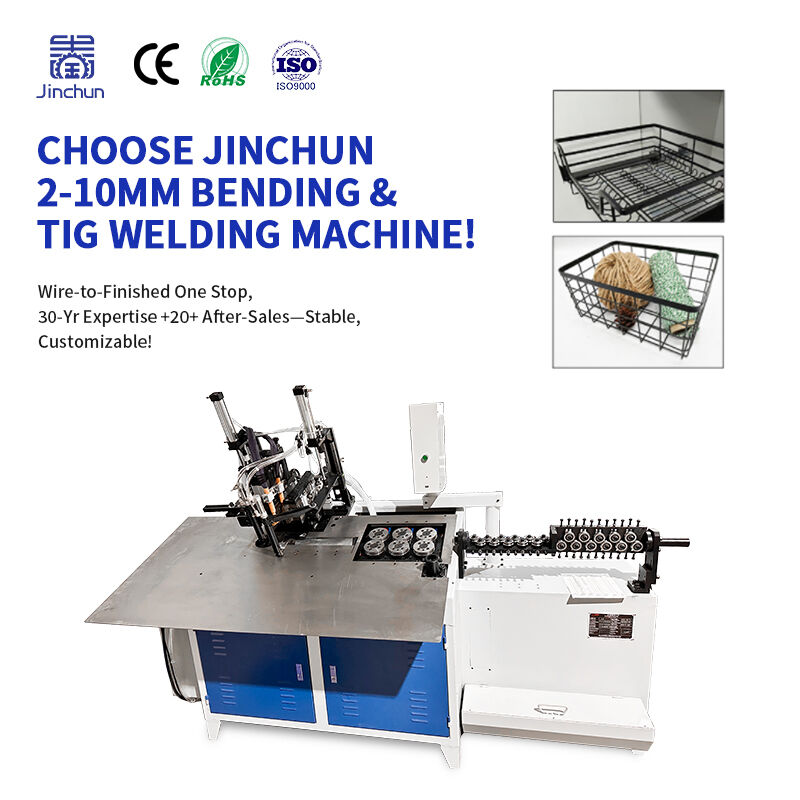
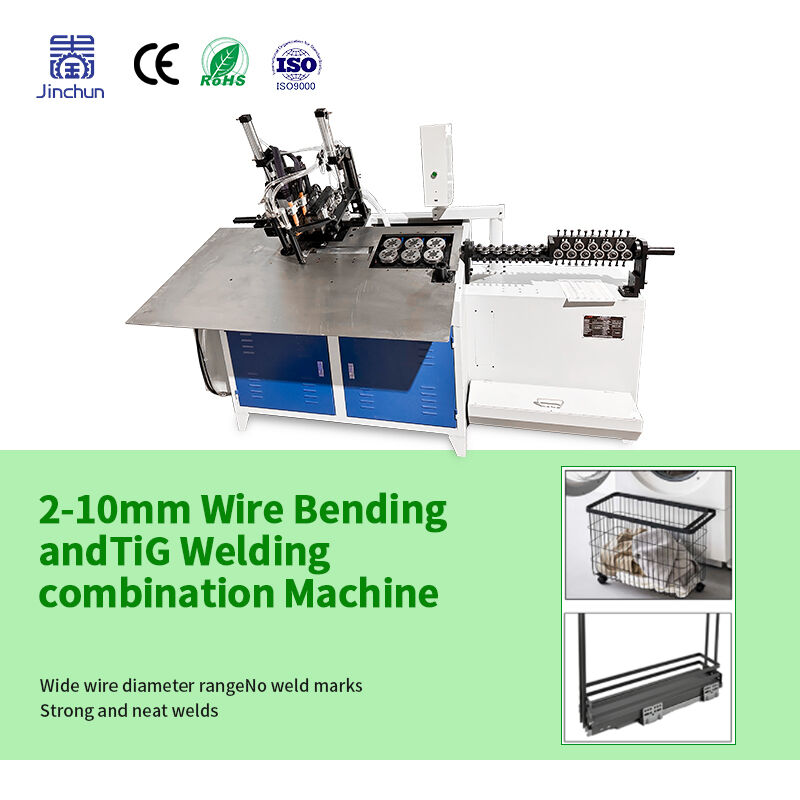
flat iron bending machine
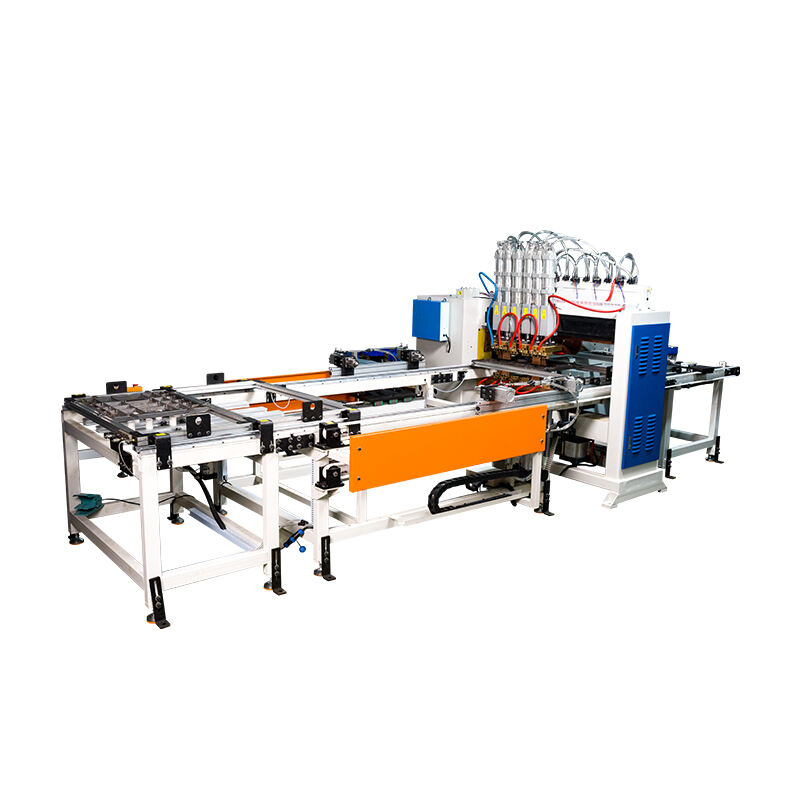
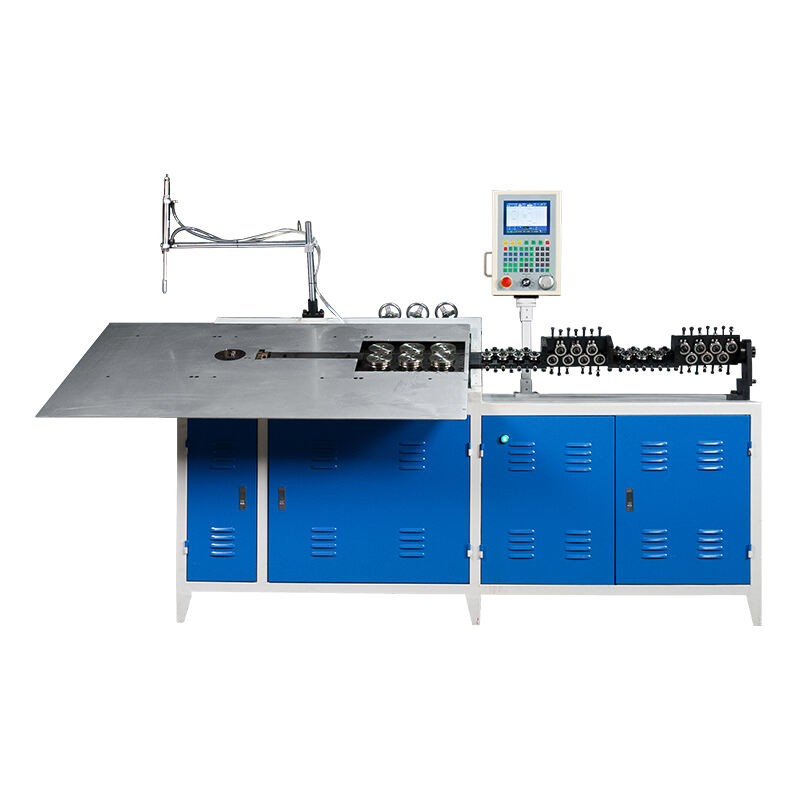
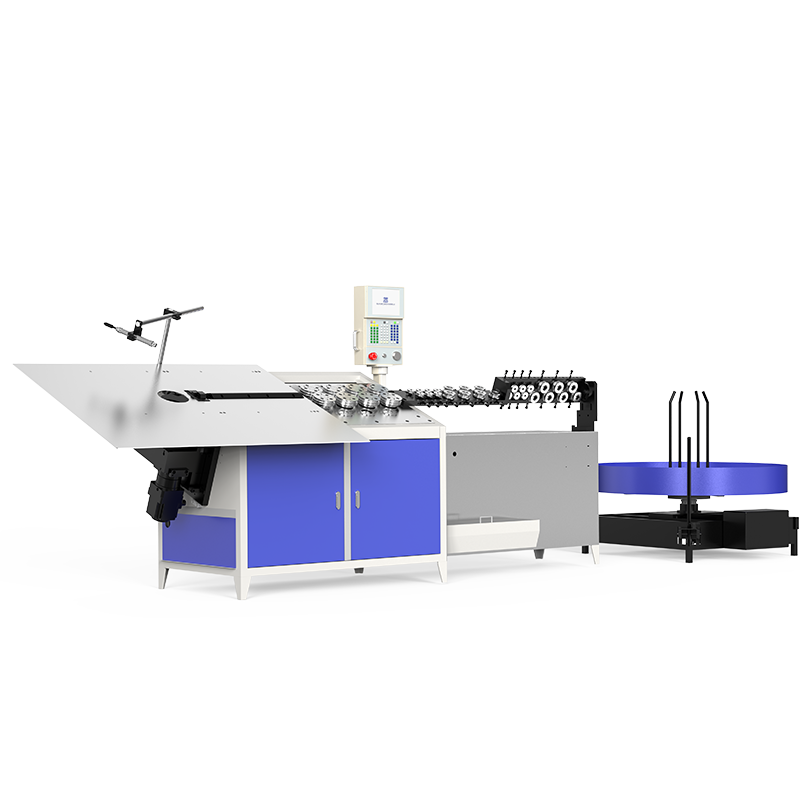
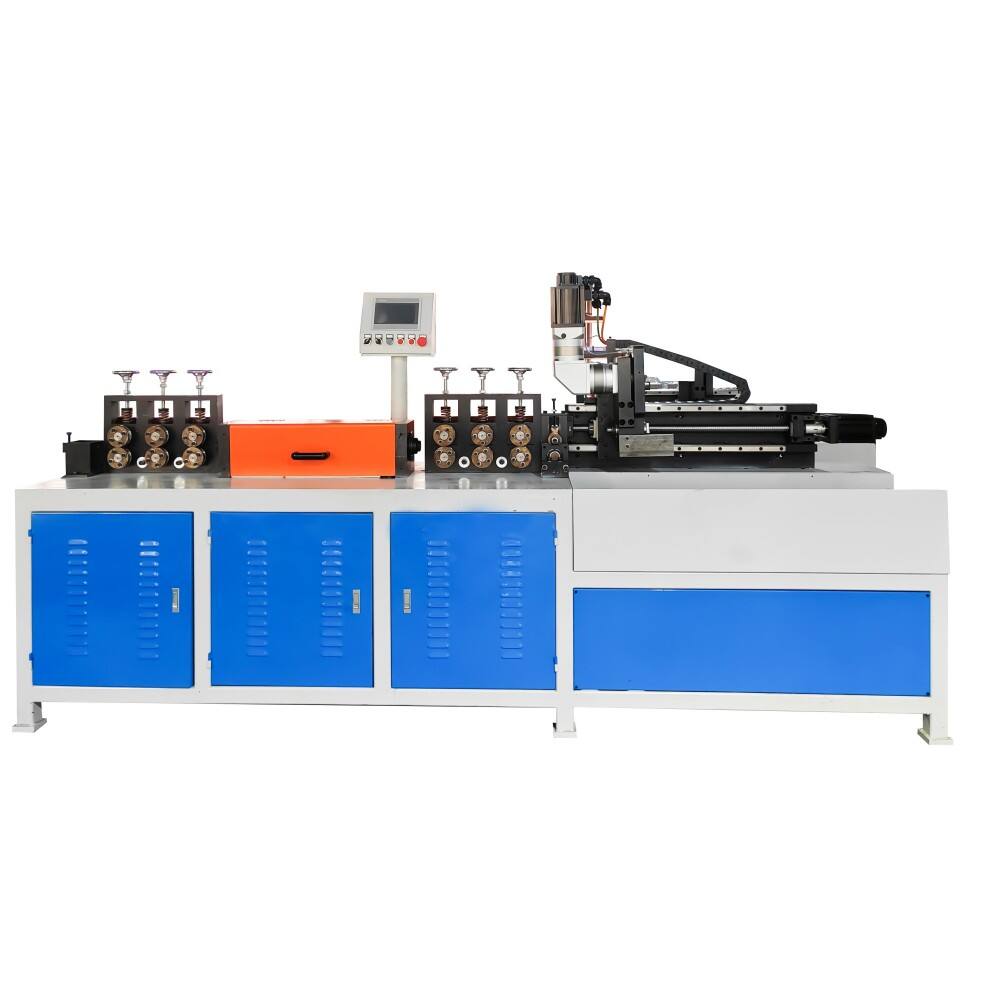
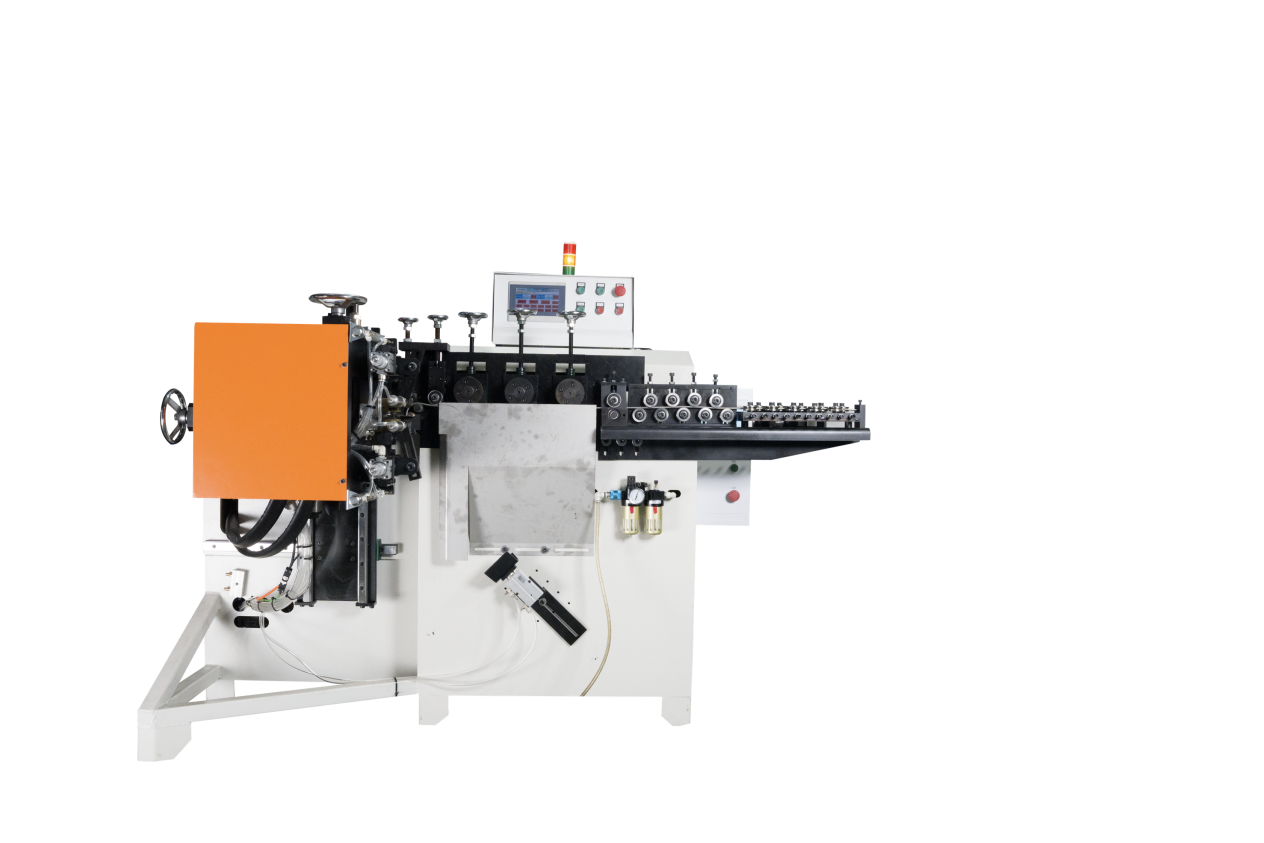
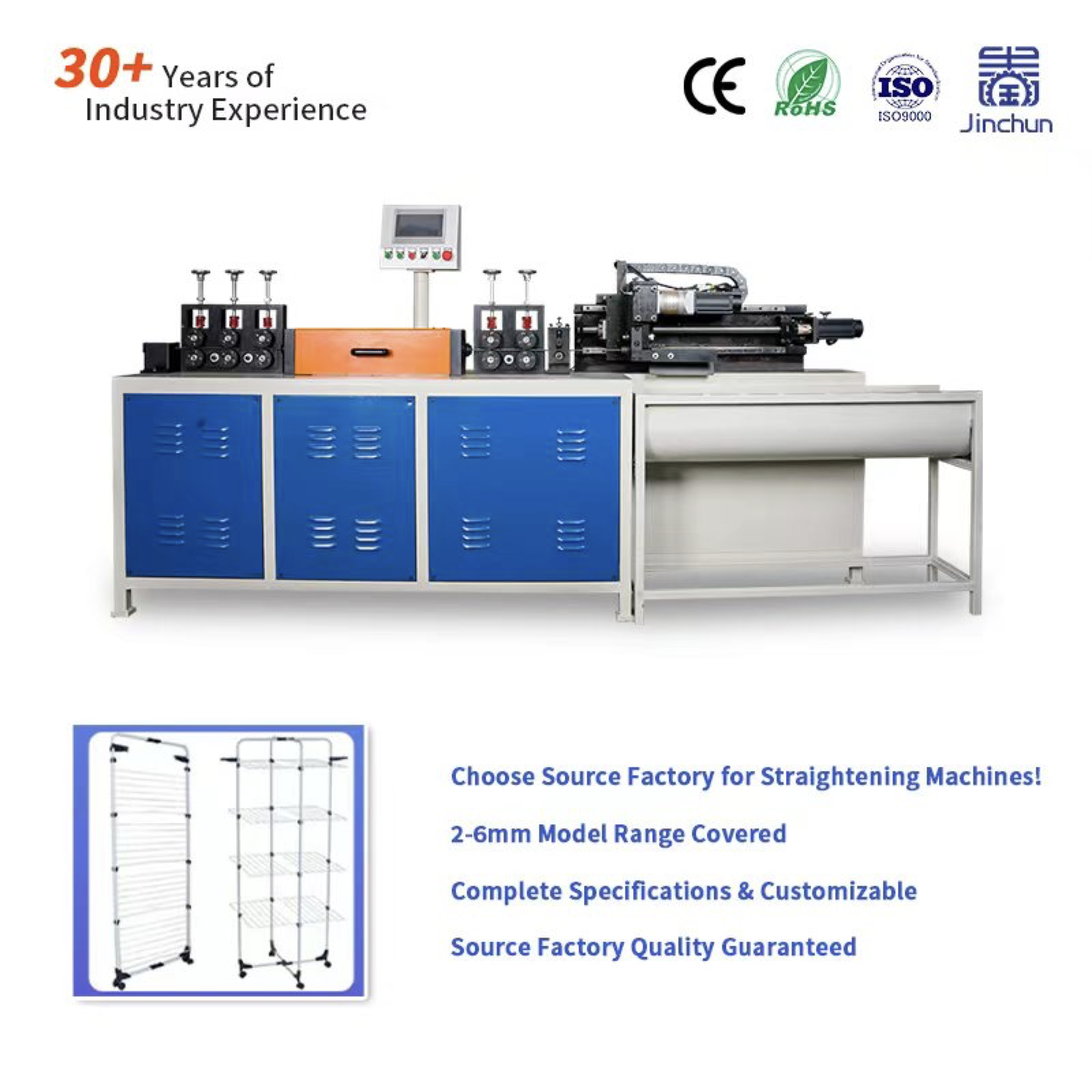
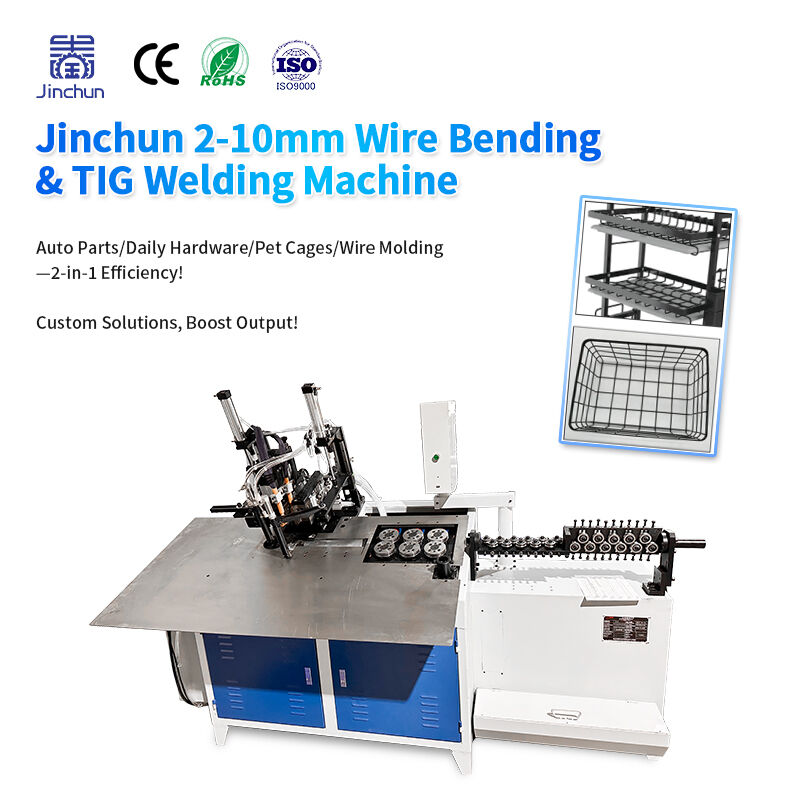
A flat iron bending machine represents a sophisticated piece of industrial equipment designed to precisely shape and manipulate flat metal strips, bars, and profiles into desired configurations. This specialized machinery combines advanced engineering principles with modern automation technology to deliver exceptional bending capabilities across various metalworking applications. The flat iron bending machine operates through a systematic process that applies controlled pressure and force to metal workpieces, enabling manufacturers to create complex curved shapes, angles, and custom profiles with remarkable accuracy. The primary function of this equipment centers on its ability to bend flat iron materials without compromising structural integrity or surface quality. Modern flat iron bending machines incorporate hydraulic or mechanical drive systems that generate substantial force while maintaining precise control over the bending process. These machines feature adjustable parameters including bending speed, pressure settings, and angle measurements, allowing operators to customize operations according to specific project requirements. The technological framework includes advanced control systems with digital displays, programmable logic controllers, and safety interlocks that ensure consistent performance and operator protection. Many contemporary models integrate computer numerical control technology, enabling automated bending sequences and reducing manual intervention. The flat iron bending machine accommodates various material thicknesses and widths, making it versatile for diverse manufacturing scenarios. Applications span multiple industries including construction, automotive manufacturing, architectural metalwork, furniture production, and ornamental ironwork. These machines prove invaluable for creating structural components, decorative elements, brackets, frames, and custom metal fixtures. The equipment's robust construction ensures longevity and reliability in demanding production environments, while its precision capabilities meet stringent quality standards required in modern manufacturing processes.
 EN
EN