Complete Guide to Types of Bending Machine: Features, Benefits & Applications

Get a Free Quote

Our representative will contact you soon.
Email
Name
Company Name
Phone / WhatsApp
Required Product
Message
0/1000

types of bending machine

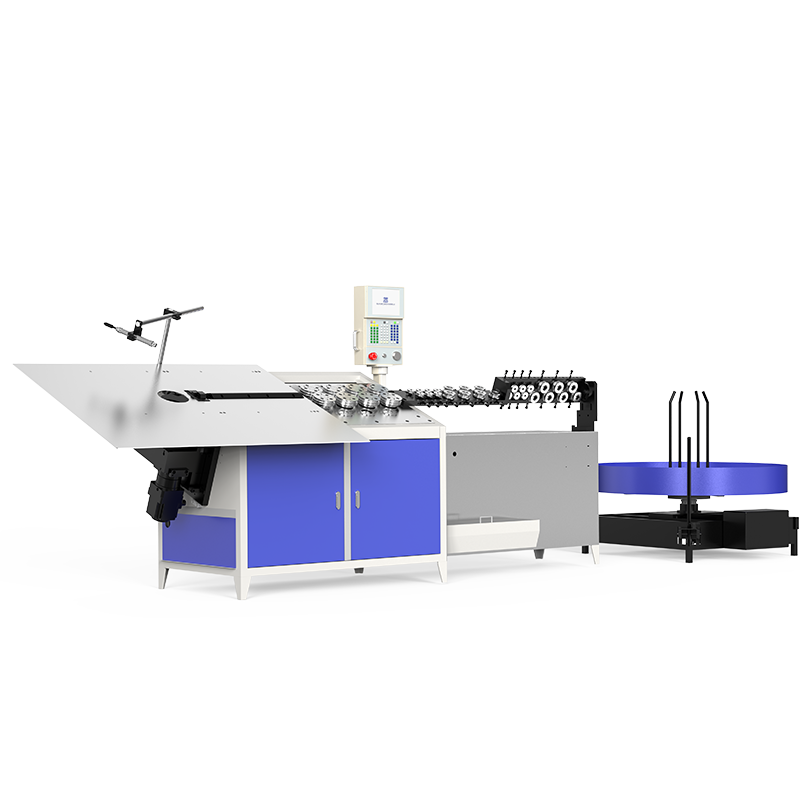
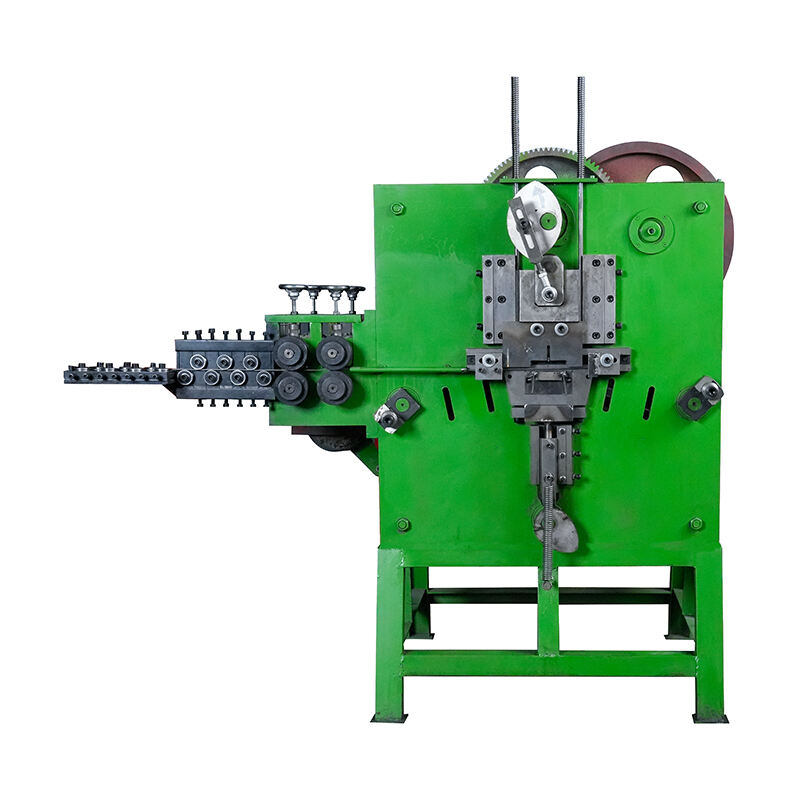
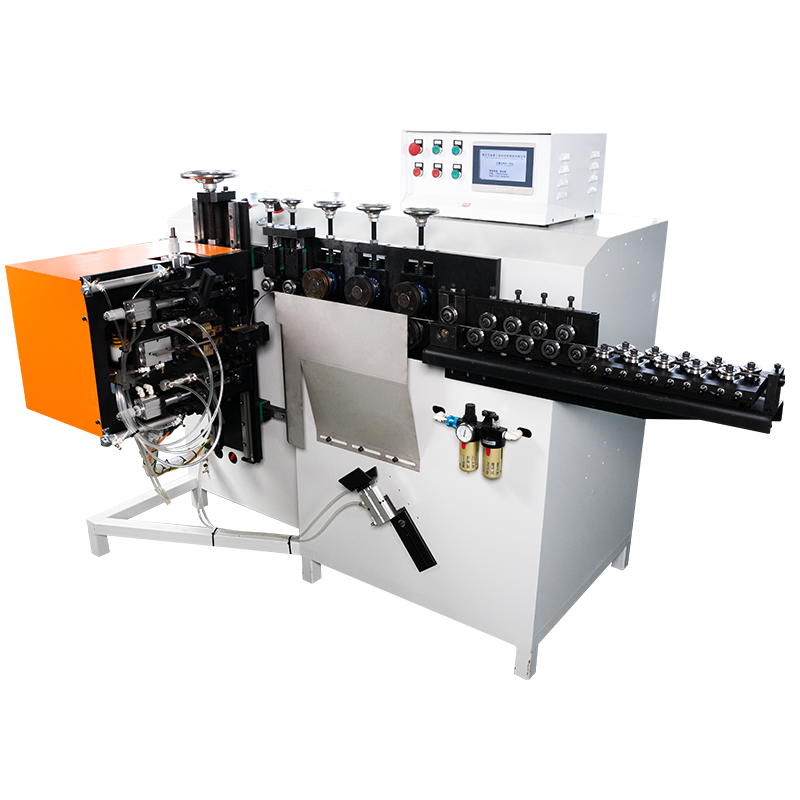
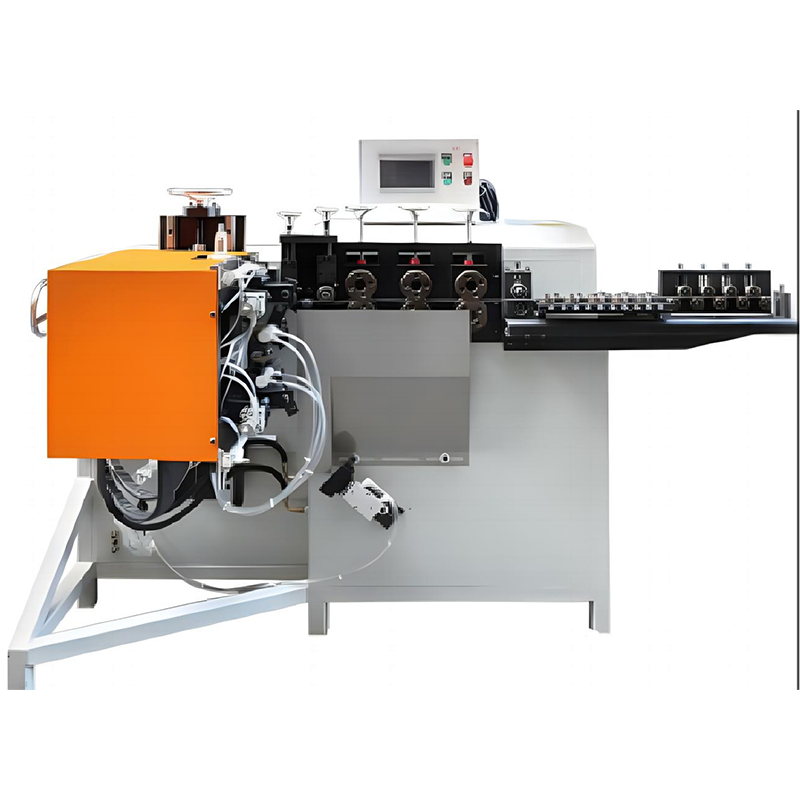
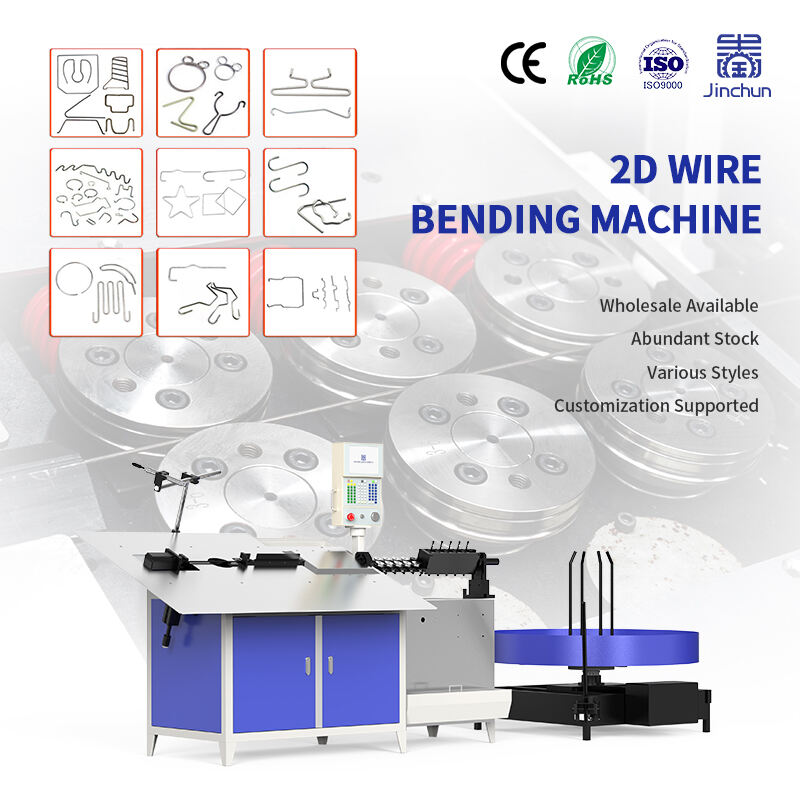
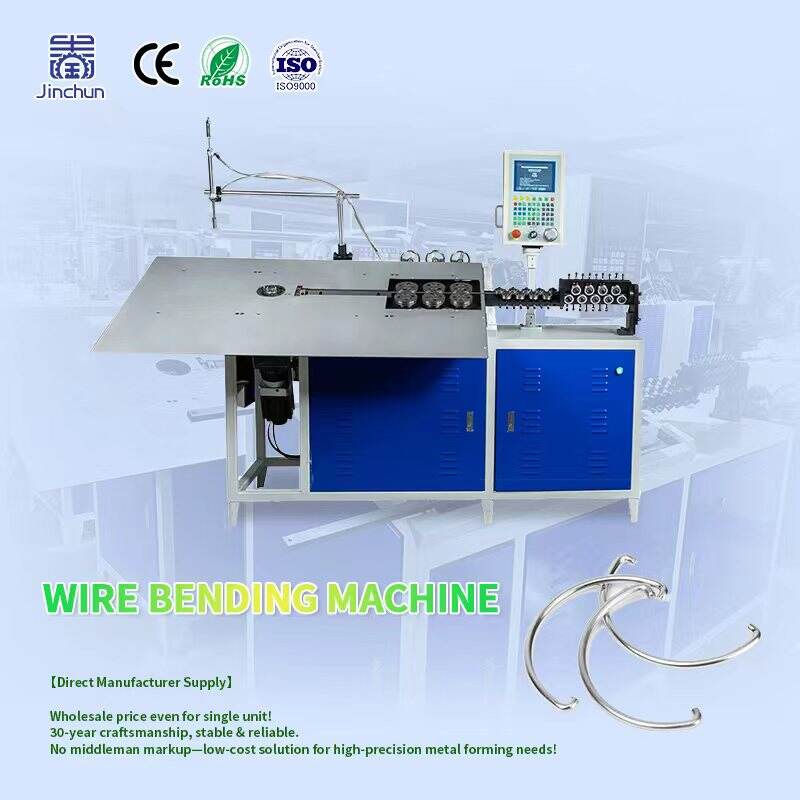
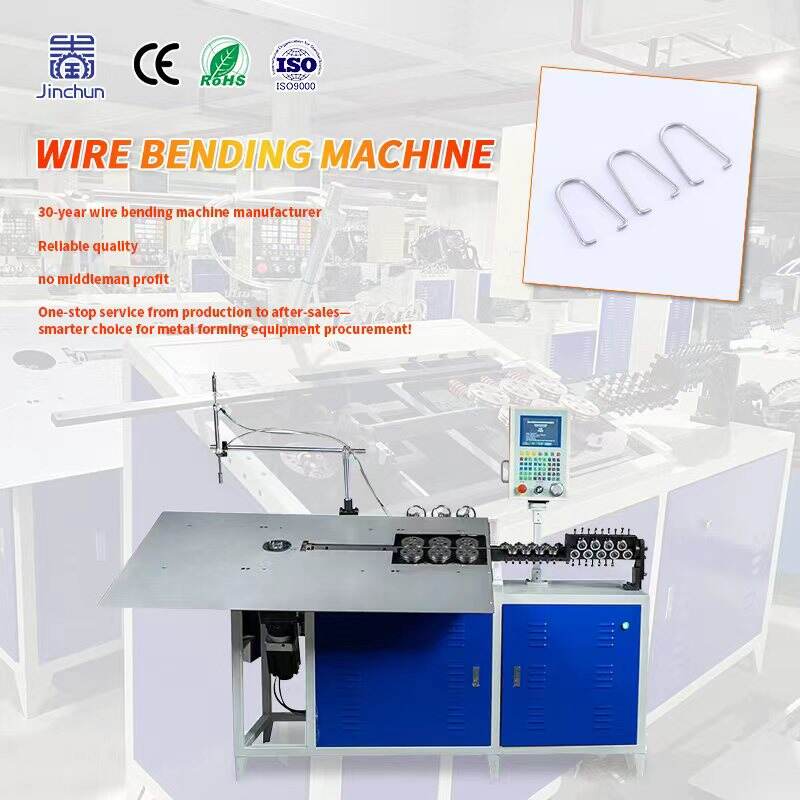
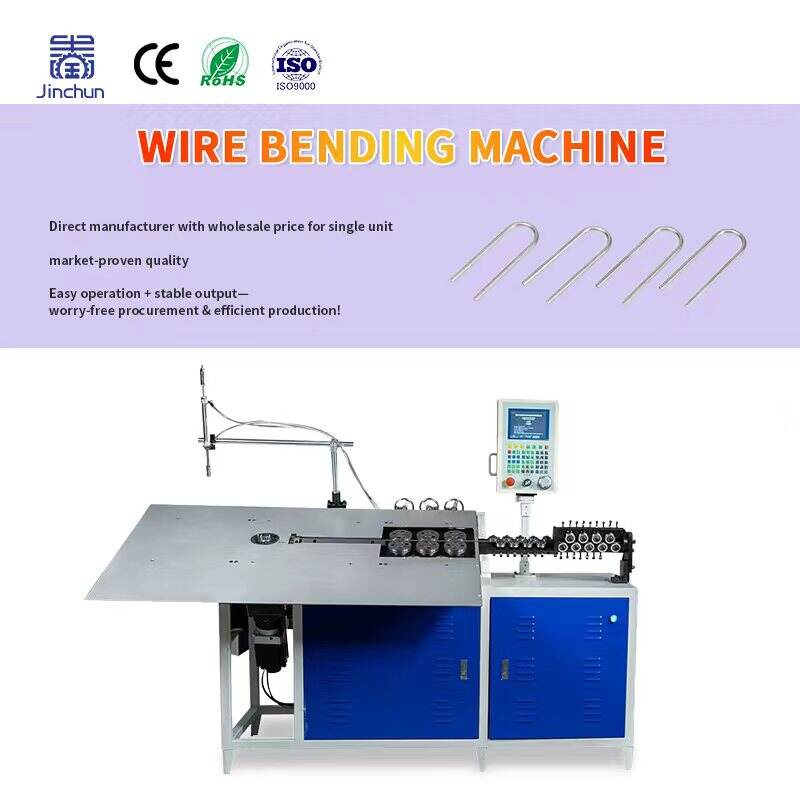
The modern manufacturing landscape features numerous types of bending machine, each engineered to address specific metalworking requirements and production demands. Press brake machines represent the most prevalent category among types of bending machine, utilizing hydraulic or mechanical force to bend sheet metal along predetermined angles. These machines excel in creating precise angular bends for architectural panels, automotive components, and HVAC ductwork. Roll bending machines constitute another essential category within types of bending machine, specifically designed for forming continuous curves and cylindrical shapes. These machines pass material through multiple rollers to achieve consistent radius bends, making them indispensable for pipe manufacturing and structural steel fabrication. Tube bending machines offer specialized capabilities for hollow materials, employing mandrels and forming dies to prevent collapse during the bending process. These types of bending machine are crucial for creating complex tube assemblies in aerospace, automotive, and plumbing applications. CNC-controlled types of bending machine have revolutionized precision metalworking by incorporating computer-aided programming for automated operation. These advanced systems ensure repeatable accuracy while reducing operator skill requirements and production time. Rotary draw bending machines utilize a rotating forming die to pull material around a bend radius, delivering exceptional precision for tight-radius applications. Meanwhile, compression bending machines apply force to push material against a stationary die, suitable for larger radius bends and thicker materials. Each category among types of bending machine incorporates distinct technological features such as servo-driven back gauges, programmable stroke controls, and adaptive pressure systems. These innovations enhance operational efficiency while maintaining consistent quality standards across production runs, making various types of bending machine essential investments for modern fabrication facilities seeking competitive advantages in today's demanding manufacturing environment.

Popular Products

The primary advantages of modern types of bending machine center on their ability to deliver exceptional precision and consistency in metal fabrication processes. These machines eliminate human error through computer-controlled positioning systems, ensuring every bend meets exact specifications regardless of production volume. This precision capability translates directly into reduced material waste, as operators can achieve accurate results on the first attempt without costly trial-and-error adjustments. Different types of bending machine offer remarkable versatility in handling diverse materials and thicknesses, from delicate aluminum sheets to heavy-duty steel plates. This adaptability allows manufacturers to consolidate multiple operations under a single machine platform, reducing equipment costs and floor space requirements significantly. The speed advantages provided by various types of bending machine cannot be overstated, as automated systems complete complex bending sequences in minutes rather than hours required by manual methods. This enhanced productivity directly impacts profitability by increasing throughput while maintaining quality standards. Safety represents another crucial advantage, as modern types of bending machine incorporate advanced protective features including light curtains, emergency stops, and enclosed work areas that protect operators from potential hazards. These safety systems reduce workplace accidents and associated insurance costs while ensuring compliance with industrial safety regulations. The repeatability offered by computerized types of bending machine ensures consistent quality across large production runs, eliminating variations that plague manual processes. This consistency builds customer confidence and reduces warranty claims, enhancing business reputation and long-term profitability. Energy efficiency in contemporary types of bending machine designs reduces operational costs through optimized hydraulic systems and servo-driven components that consume power only during active operation. Additionally, these machines require minimal maintenance when properly operated, reducing downtime and service costs. The flexibility to program and store multiple job setups allows quick changeovers between different products, maximizing machine utilization and responsiveness to customer demands. Investment in quality types of bending machine provides long-term value through durable construction and upgrade capabilities that extend operational lifespan while adapting to evolving production requirements.

Practical Tips

Wire Straightening Machine: How to Choose the Best One

20

Nov

Wire Straightening Machine: How to Choose the Best One

Manufacturing industries rely heavily on precise wire processing equipment to maintain product quality and operational efficiency. When wire materials arrive coiled or bent from suppliers, achieving the straightness required for downstream applicatio...
View More
How to Choose the Right Bending Machines for Your Shop

20

Nov

How to Choose the Right Bending Machines for Your Shop

Selecting the appropriate bending machines for your manufacturing shop represents one of the most critical investments you'll make in your production capabilities. The right equipment can dramatically improve efficiency, precision, and profitability ...
View More
Maintenance Tips to Extend Your Bending Machines' Lifespan

20

Nov

Maintenance Tips to Extend Your Bending Machines' Lifespan

Manufacturing operations depend heavily on reliable equipment performance, and bending machines represent a significant investment that requires proper care to maximize return. These precision instruments form the backbone of countless production lin...
View More
How Straightening Machines Ensure Precision in Wire Cutting and Straightening

15

Dec

How Straightening Machines Ensure Precision in Wire Cutting and Straightening

In the manufacturing of metal mesh and grid structures, the quality of the base material is critical. Precision-cut and perfectly straightened metal bars or wires form the essential backbone for a wide range of industrial applications. For manufactur...
View More

Get a Free Quote

Our representative will contact you soon.
Email
Name
Company Name
Phone / WhatsApp
Required Product
Message
0/1000

types of bending machine

Advanced CNC Integration for Maximum Precision Control

Advanced CNC Integration for Maximum Precision Control

Modern types of bending machine equipped with advanced CNC integration represent the pinnacle of precision metalworking technology, offering unprecedented control over every aspect of the bending process. These sophisticated systems incorporate multi-axis servo control that coordinates back gauge positioning, ram stroke depth, and bending angle with micron-level accuracy. The CNC integration allows operators to program complex bending sequences that automatically adjust for material thickness variations, spring-back compensation, and tool wear, ensuring consistent results across extended production runs. This technological advancement eliminates the guesswork traditionally associated with metal bending, as the system calculates optimal parameters based on material properties and desired outcomes. The touchscreen interface provides intuitive access to extensive programming capabilities, allowing operators to create, modify, and store unlimited bending programs for future use. Real-time monitoring systems continuously track machine performance parameters, automatically alerting operators to potential issues before they affect product quality. The precision offered by CNC-integrated types of bending machine extends beyond basic angle control to include sophisticated features like crowning compensation, which adjusts for machine deflection across the full length of long workpieces. This ensures uniform bend angles from end to end, even on extended components that might experience variations due to machine flex under load. The adaptive control systems learn from each bending operation, continuously refining parameters to optimize performance for specific applications. Quality documentation capabilities automatically record all process parameters for each bent component, providing complete traceability and quality assurance records that satisfy the most stringent industry standards. These advanced types of bending machine also feature predictive maintenance algorithms that analyze operational data to forecast maintenance needs, minimizing unexpected downtime and extending machine lifespan through proactive care scheduling.

Versatile Tooling Systems for Multi-Material Applications

Versatile Tooling Systems for Multi-Material Applications

The versatility offered by advanced tooling systems represents one of the most significant advantages when investing in professional types of bending machine, as these systems accommodate an extensive range of materials, thicknesses, and geometric requirements within a single machine platform. Modern tooling technology utilizes modular designs that allow rapid changeovers between different material specifications without extensive setup procedures or specialized technical knowledge. Quick-change tooling systems reduce setup times from hours to minutes, maximizing productive machine time while enabling efficient small-batch production alongside high-volume manufacturing runs. The precision-ground tooling maintains consistent dimensional accuracy across thousands of bending cycles, ensuring long-term reliability and repeatable quality standards. Specialized tooling options extend the capabilities of various types of bending machine to handle unique applications such as forming perforated materials, creating compound angles, or processing pre-finished surfaces without damage. Anti-marking tooling surfaces prevent surface scratches on decorative materials, while hardened tool steels provide exceptional durability when processing high-strength alloys or abrasive materials. The tooling systems incorporate advanced geometry designs that minimize material deformation during bending operations, reducing spring-back effects and improving final part accuracy. Segmented tooling configurations enable the processing of complex parts with multiple features, obstacles, or varying cross-sections that would be impossible with conventional solid tooling. The investment value of versatile tooling systems becomes apparent through their ability to expand machine capabilities without requiring additional equipment purchases. These systems support both air bending and bottom bending techniques, allowing operators to select the optimal approach for each specific application. The standardized tooling interfaces ensure compatibility with future upgrades and expansions, protecting the long-term investment value while providing flexibility to adapt to changing production requirements and emerging market opportunities.
Energy-Efficient Hydraulic Systems with Smart Power Management

Energy-Efficient Hydraulic Systems with Smart Power Management

Contemporary types of bending machine incorporate revolutionary energy-efficient hydraulic systems that significantly reduce operational costs while delivering superior performance characteristics compared to traditional designs. These advanced systems utilize variable-speed servo pumps that automatically adjust power consumption based on actual load requirements, eliminating the constant energy drain associated with conventional fixed-displacement pumps. The smart power management technology monitors real-time power demand and optimizes system pressure to match immediate operational needs, reducing energy consumption by up to sixty percent compared to older machine designs. This efficiency translates directly into lower utility bills and reduced environmental impact, supporting corporate sustainability initiatives while improving bottom-line profitability. The sophisticated hydraulic control systems maintain precise pressure regulation throughout the entire bending cycle, ensuring consistent force application regardless of material variations or environmental conditions. Temperature compensation algorithms automatically adjust system parameters to maintain optimal performance across varying ambient conditions, preventing quality variations due to thermal effects on hydraulic fluid properties. The closed-loop feedback systems continuously monitor hydraulic performance parameters, detecting potential issues such as seal wear, contamination, or component degradation before they impact production quality or cause catastrophic failures. Predictive maintenance algorithms analyze hydraulic system data to forecast service requirements, enabling proactive maintenance scheduling that minimizes unexpected downtime while extending component lifespan. The energy recovery systems capture and reuse hydraulic energy during machine deceleration phases, further improving overall efficiency while reducing heat generation and cooling requirements. These advanced types of bending machine feature integrated cooling systems that maintain optimal operating temperatures while minimizing energy consumption through intelligent thermal management. The hydraulic reservoir designs incorporate advanced filtration systems that maintain fluid cleanliness standards, extending service intervals while ensuring consistent system performance. The combination of energy efficiency, reliability, and performance makes these hydraulic systems an excellent long-term investment that continues delivering value throughout the machine's operational lifespan.

Get a Free Quote

Our representative will contact you soon.
Email
Name
Company Name
Phone / WhatsApp
Required Product
Message
0/1000

Get a Free Quote

Our representative will contact you soon.
Email
Name
Company Name
Phone / WhatsApp
Required Product
Message
0/1000