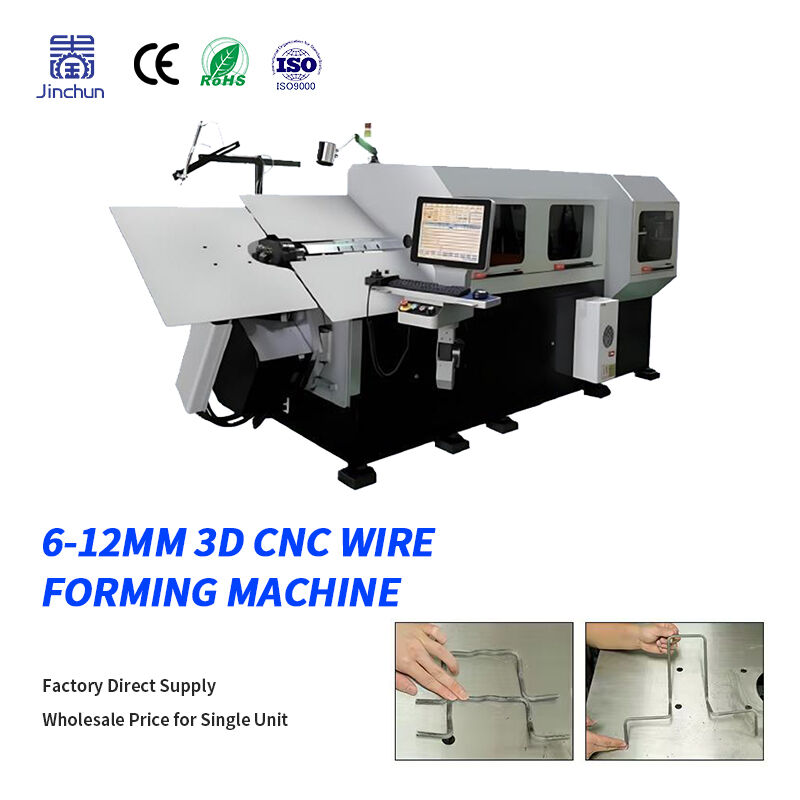
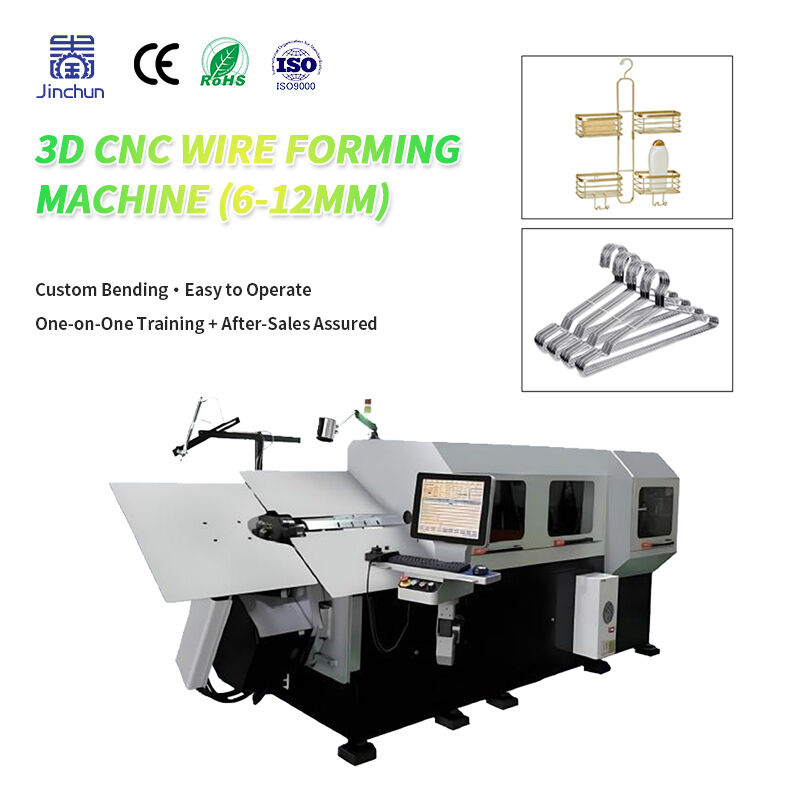
customized bending machine
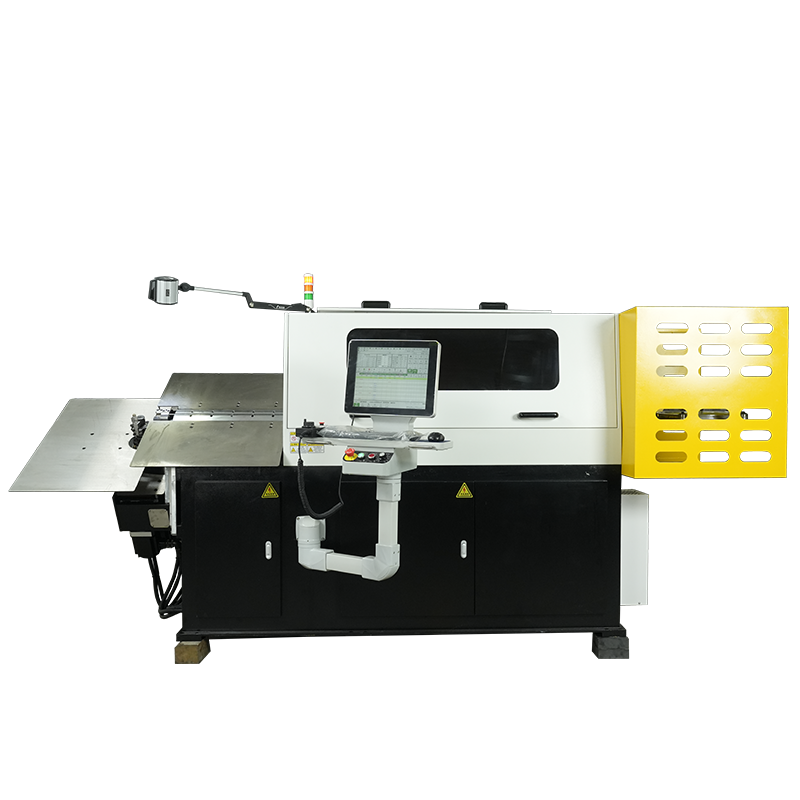
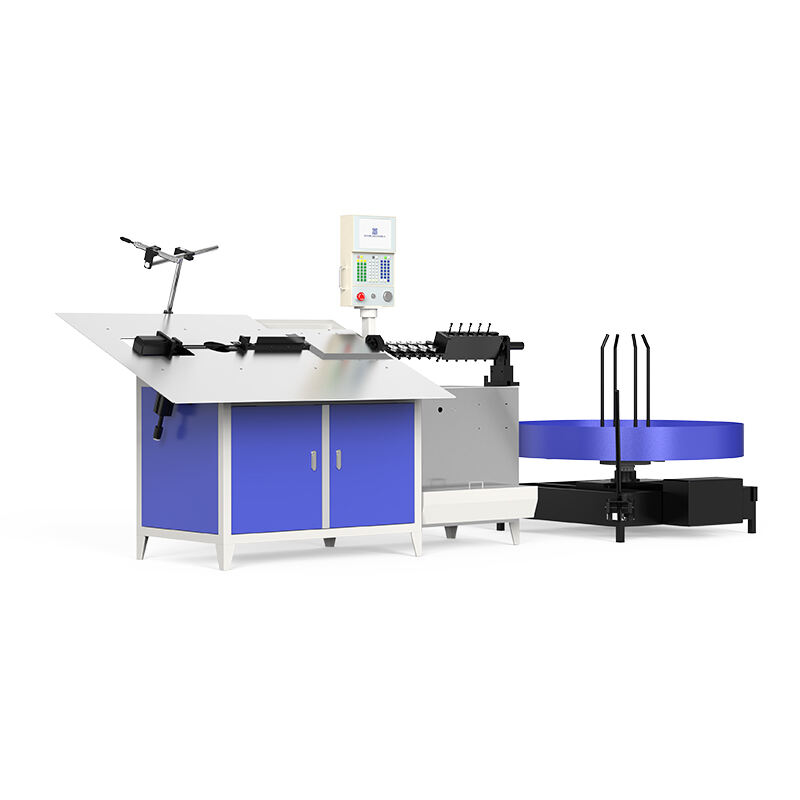
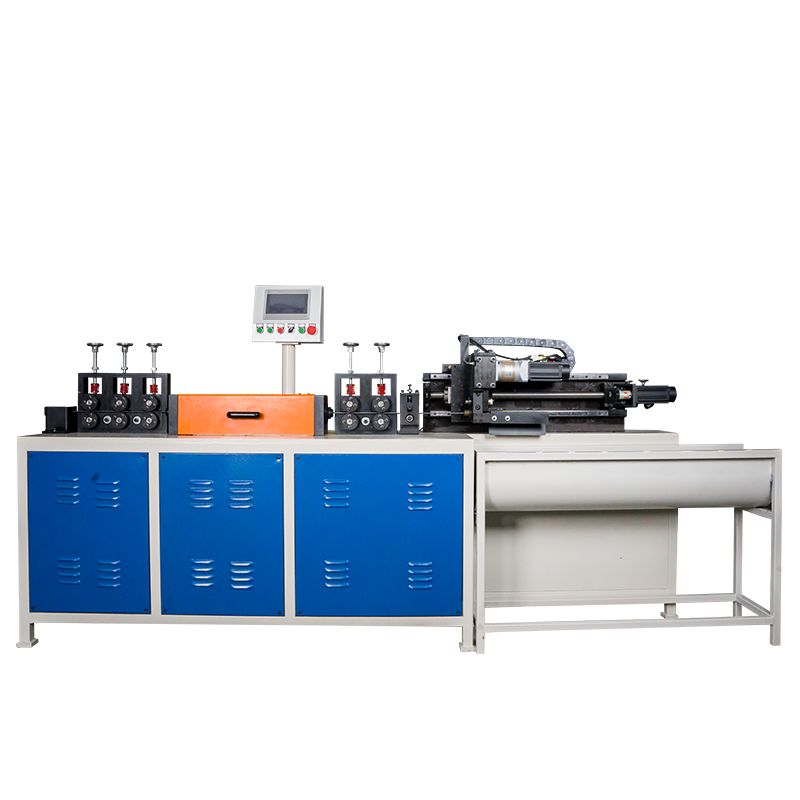
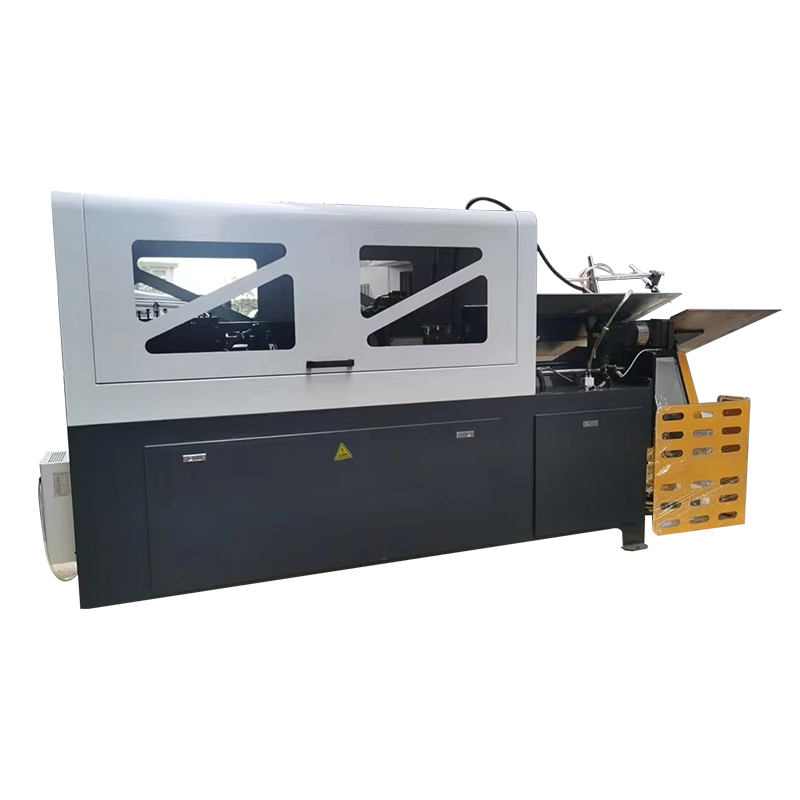
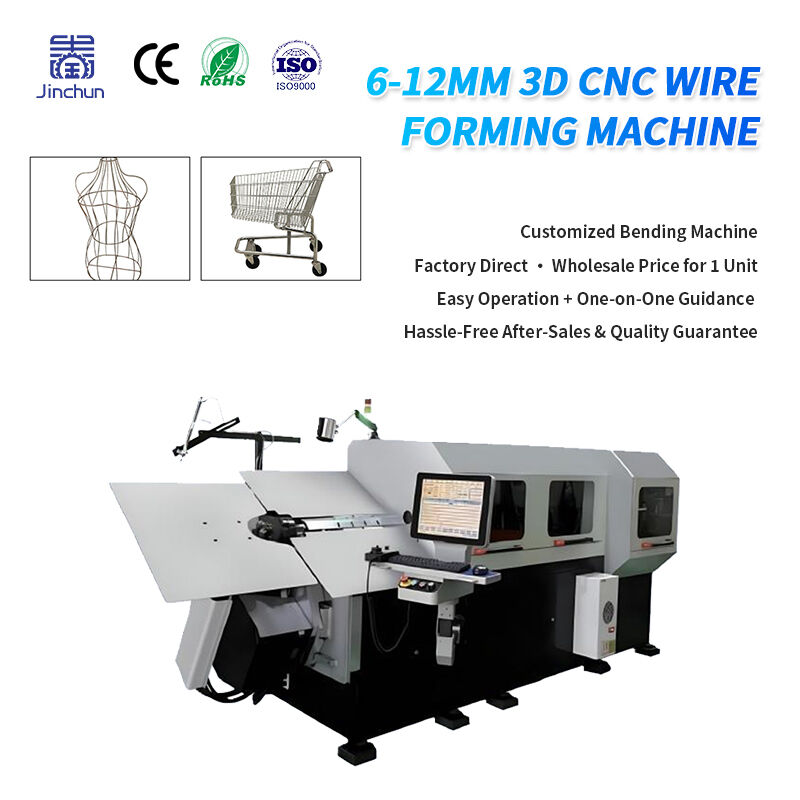
A customized bending machine represents a revolutionary advancement in metal fabrication technology, specifically engineered to meet unique manufacturing requirements across diverse industrial sectors. This sophisticated equipment transforms raw metal materials into precisely shaped components through controlled bending operations, delivering exceptional accuracy and consistency. The customized bending machine integrates advanced hydraulic systems, computer-controlled programming, and precision tooling to achieve complex geometries that standard equipment cannot accommodate. Modern customized bending machine units feature programmable logic controllers that enable operators to store multiple bending sequences, reducing setup times and ensuring repeatable results. The technological architecture includes servo-driven back gauges, automatic angle correction systems, and real-time force monitoring capabilities that optimize performance while protecting both material and equipment. These machines excel in processing various materials including stainless steel, aluminum, carbon steel, and specialized alloys with thicknesses ranging from thin sheets to heavy plates. Advanced safety systems incorporate light curtains, emergency stops, and pressure-sensitive mats to protect operators during operation. The customized bending machine employs sophisticated crowning systems that compensate for machine deflection, ensuring uniform bend angles across the entire workpiece length. Applications span automotive manufacturing, aerospace components, architectural metalwork, appliance production, and specialized industrial fabrication. The integration of CAD/CAM software allows direct programming from design files, streamlining the transition from concept to finished product. Touchscreen interfaces provide intuitive operation while comprehensive diagnostic systems facilitate preventive maintenance scheduling. The customized bending machine delivers superior productivity through rapid cycle times, reduced material waste, and minimal operator intervention, making it an essential investment for manufacturers seeking competitive advantages in today's demanding marketplace.
 EN
EN