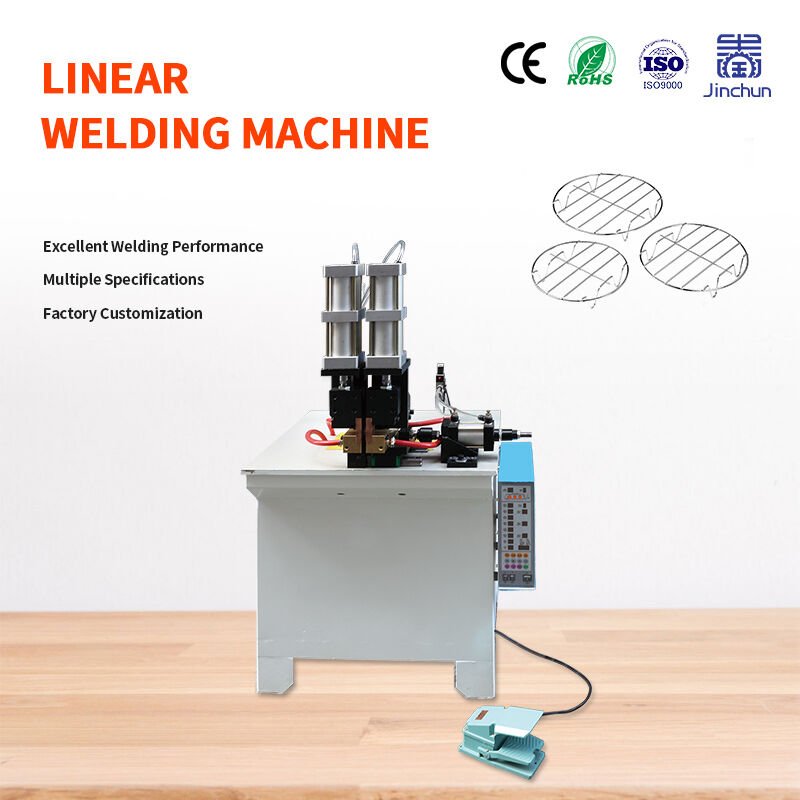
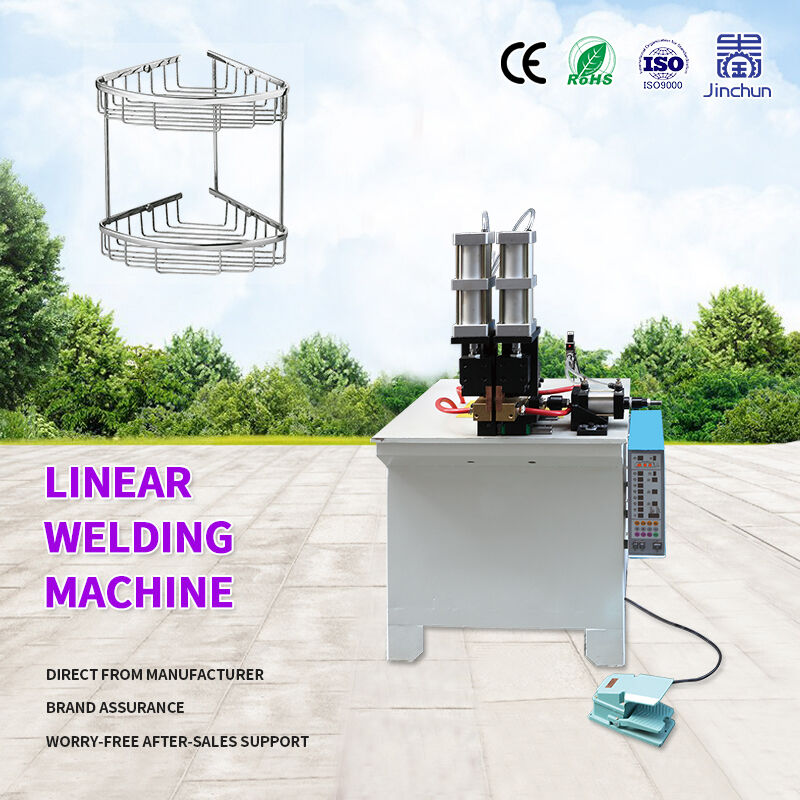
wire butt welder
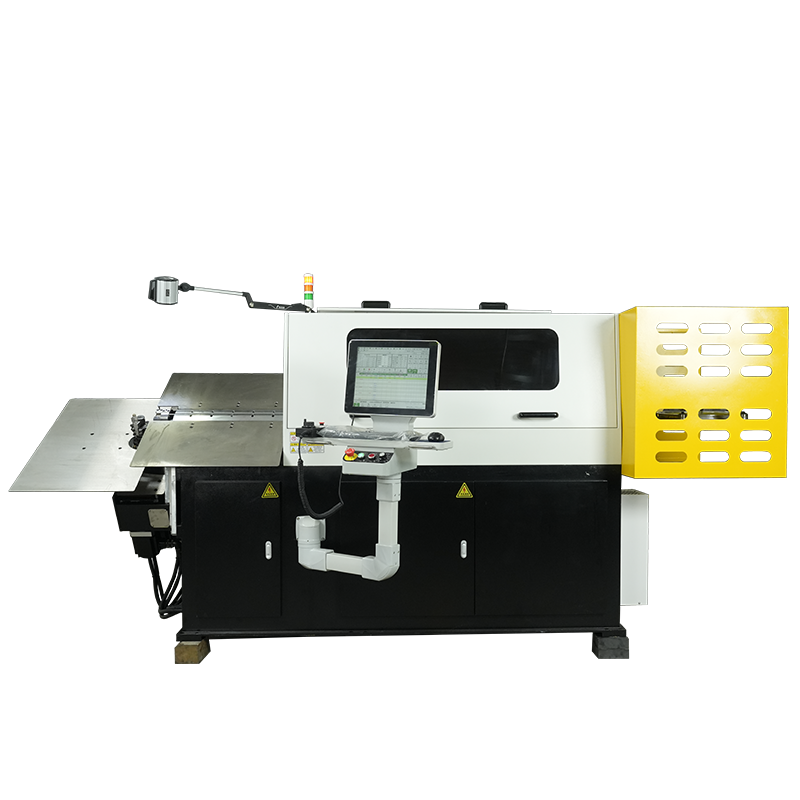
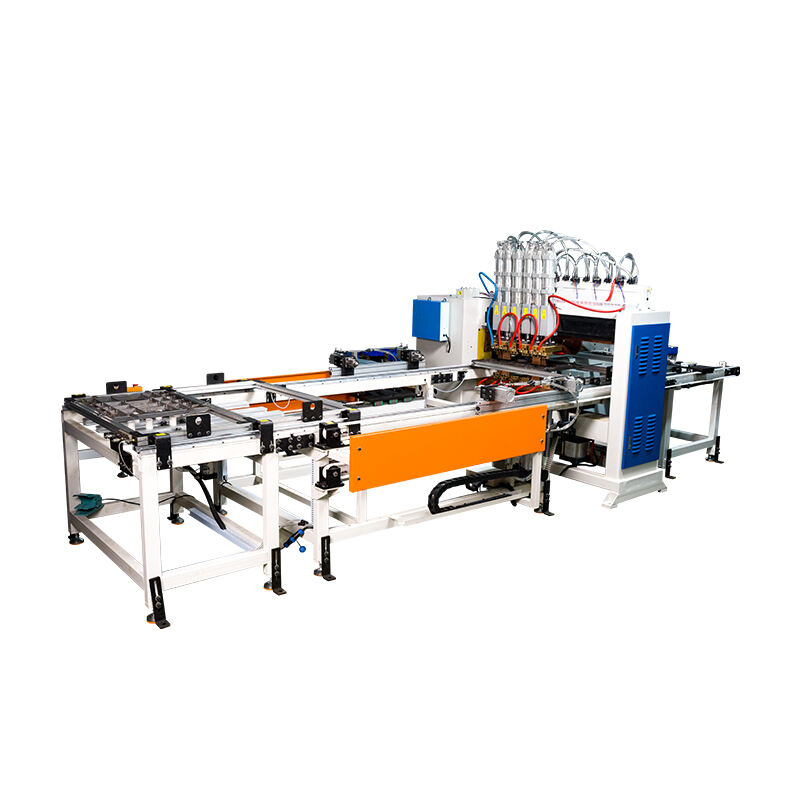
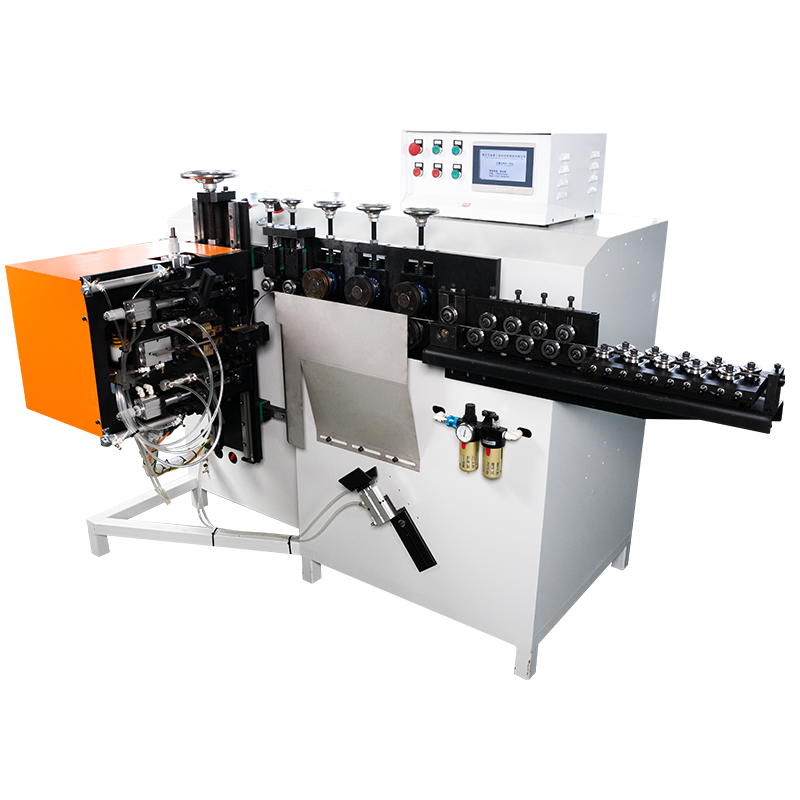
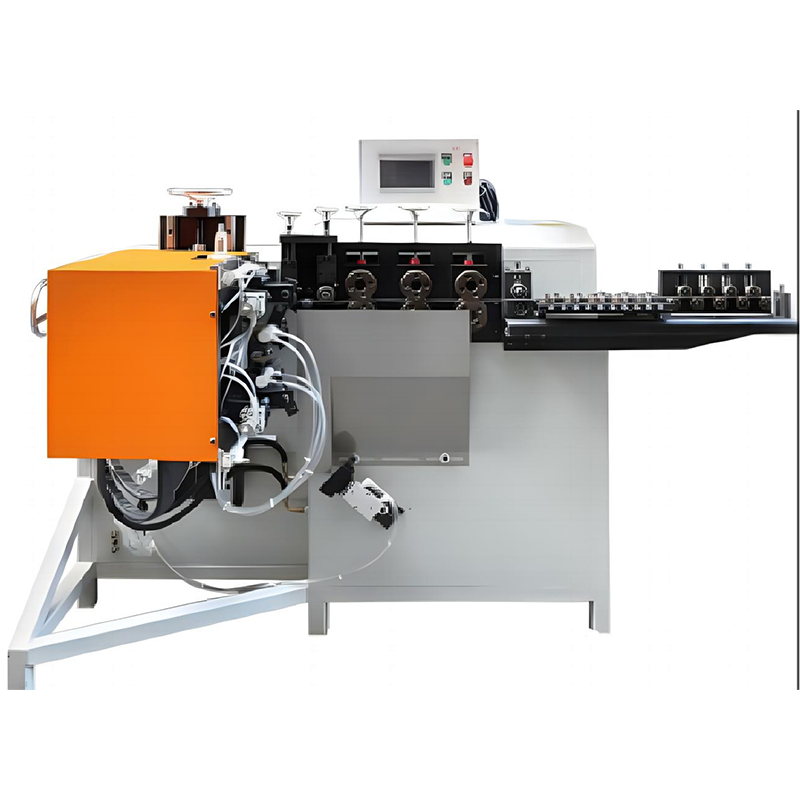
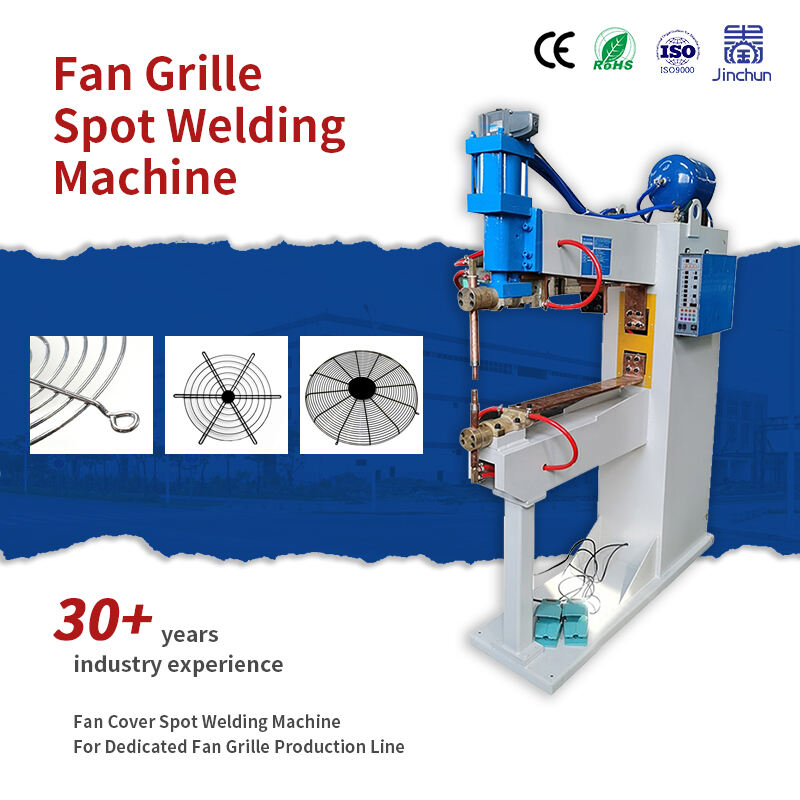
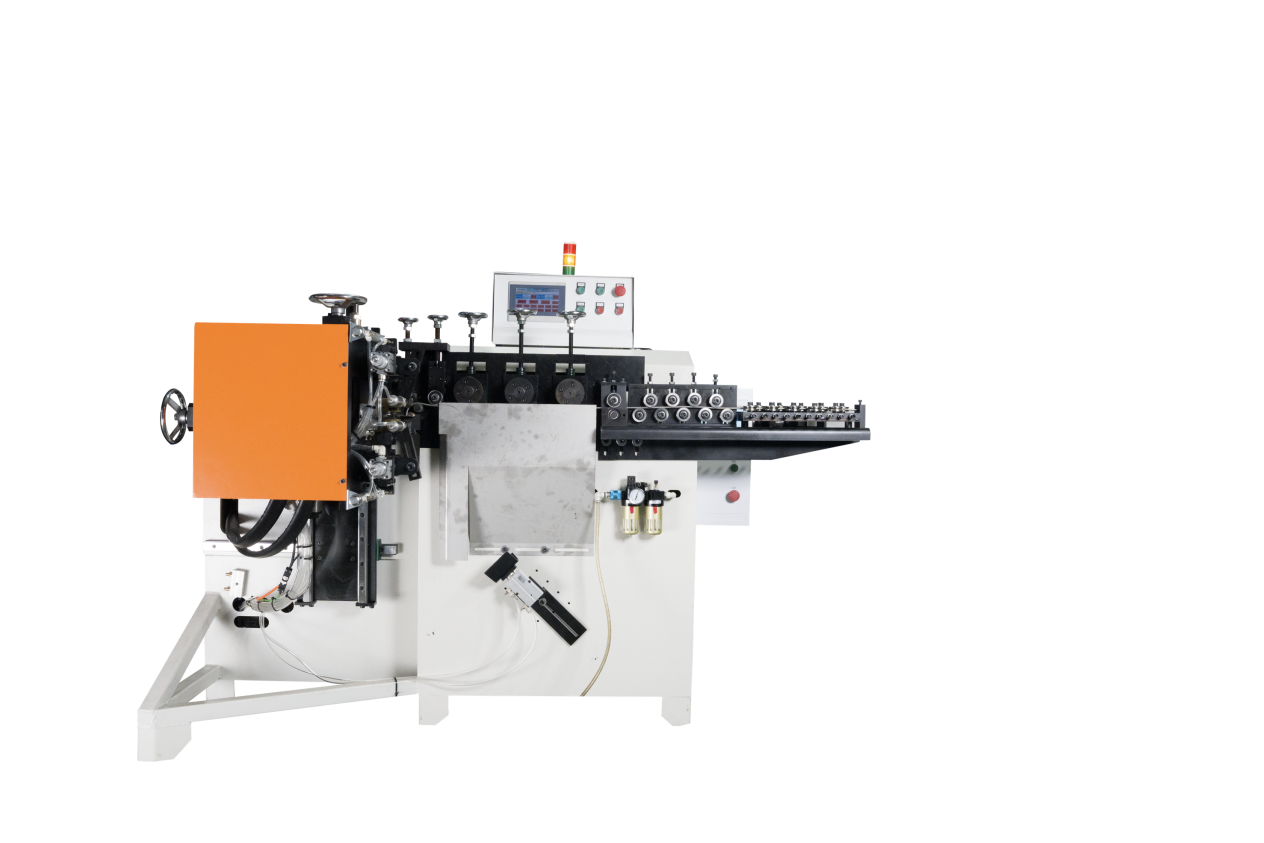
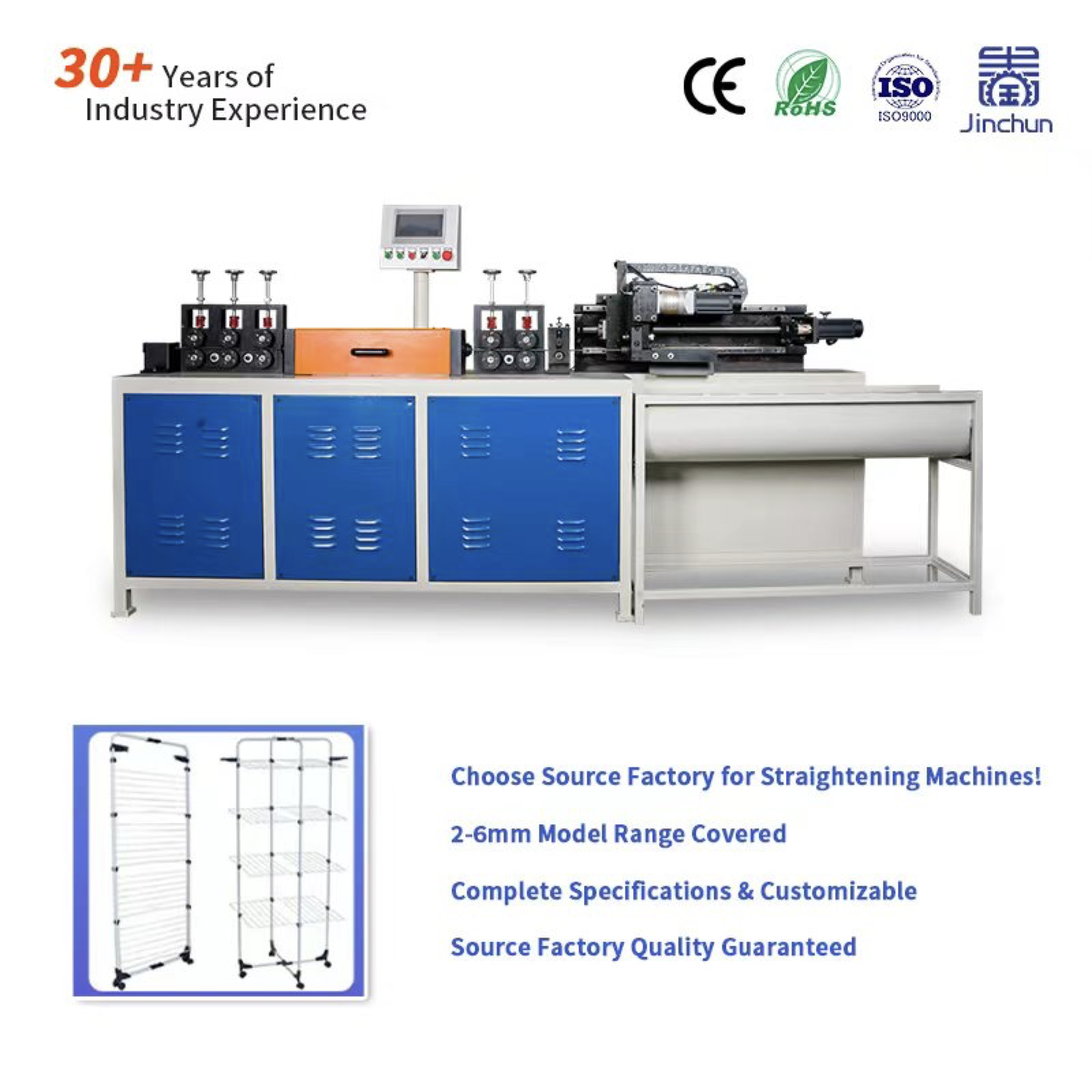
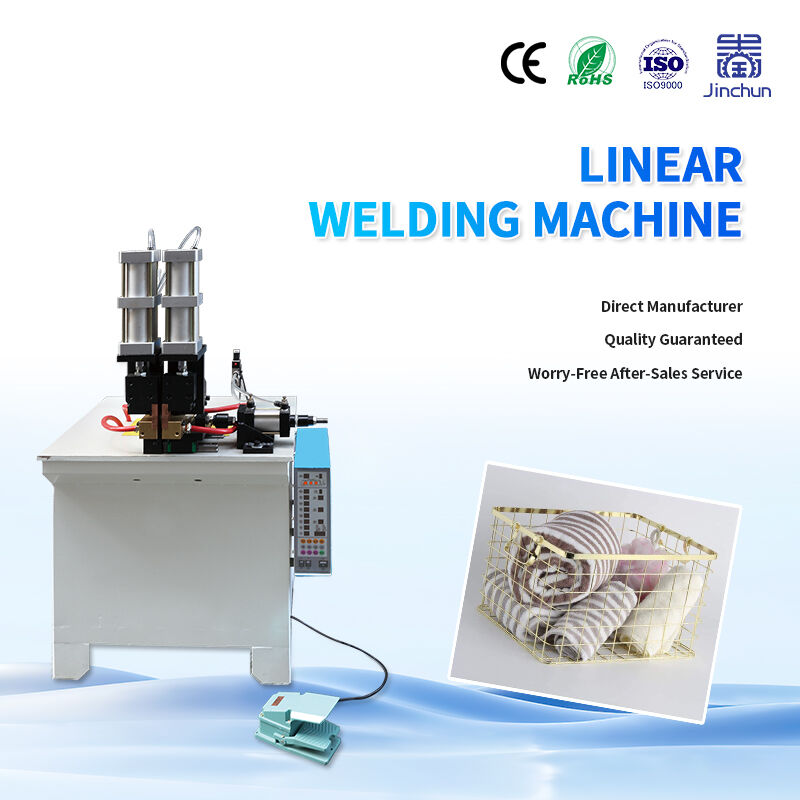
A wire butt welder represents a specialized industrial machine designed to create permanent joints between two wire ends by bringing them together under controlled pressure and heat. This sophisticated equipment operates through resistance welding principles, where electrical current passes through the wire contact points, generating localized heat that melts the metal surfaces and forms a solid fusion when cooled. The wire butt welder serves as an essential tool in manufacturing environments where continuous wire production, cable assembly, and electrical component fabrication require seamless connections. Modern wire butt welders incorporate advanced control systems that precisely regulate temperature, pressure, and timing parameters to ensure consistent weld quality across different wire materials and diameters. These machines accommodate various wire types including copper, aluminum, steel, and specialty alloys commonly used in automotive, aerospace, telecommunications, and electronics industries. The welding process begins when operators position wire ends in the machine's clamping mechanism, which securely holds the materials while applying predetermined force. Subsequently, the wire butt welder initiates the heating cycle, raising the contact area temperature to the material's melting point while maintaining optimal pressure distribution. This controlled environment prevents oxidation and contamination that could compromise joint integrity. Advanced wire butt welders feature programmable controllers that store multiple welding profiles for different wire specifications, enabling operators to switch between materials and sizes efficiently. Safety mechanisms include protective shields, emergency stops, and automatic shut-off systems that prevent accidents during operation. Quality assurance capabilities often include real-time monitoring of welding parameters, data logging for traceability, and integrated testing functions that verify joint strength immediately after completion. The wire butt welder's compact design allows integration into existing production lines while maintaining accessibility for maintenance and calibration procedures.
 EN
EN