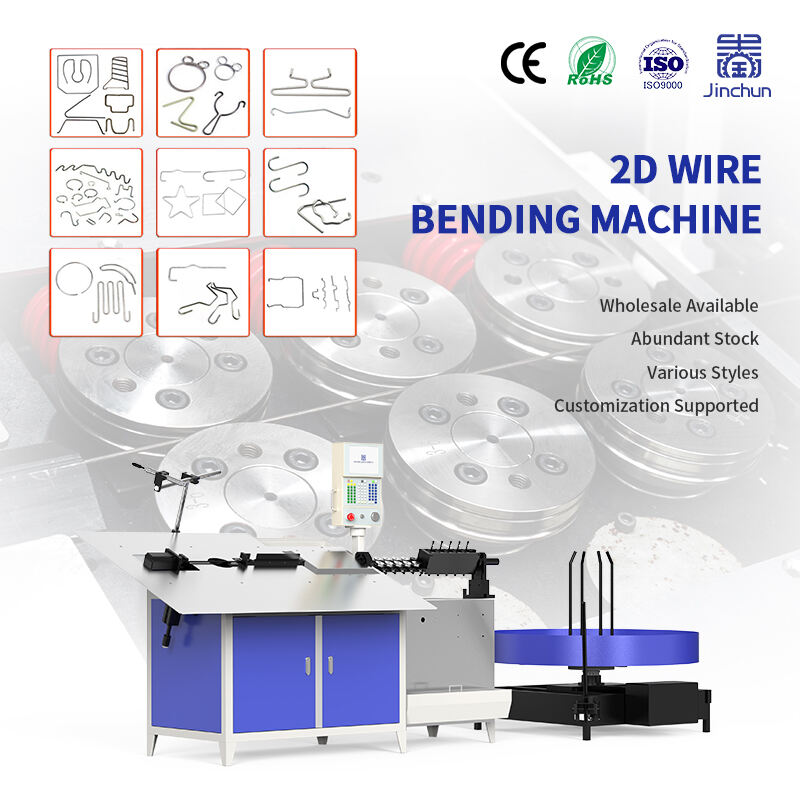
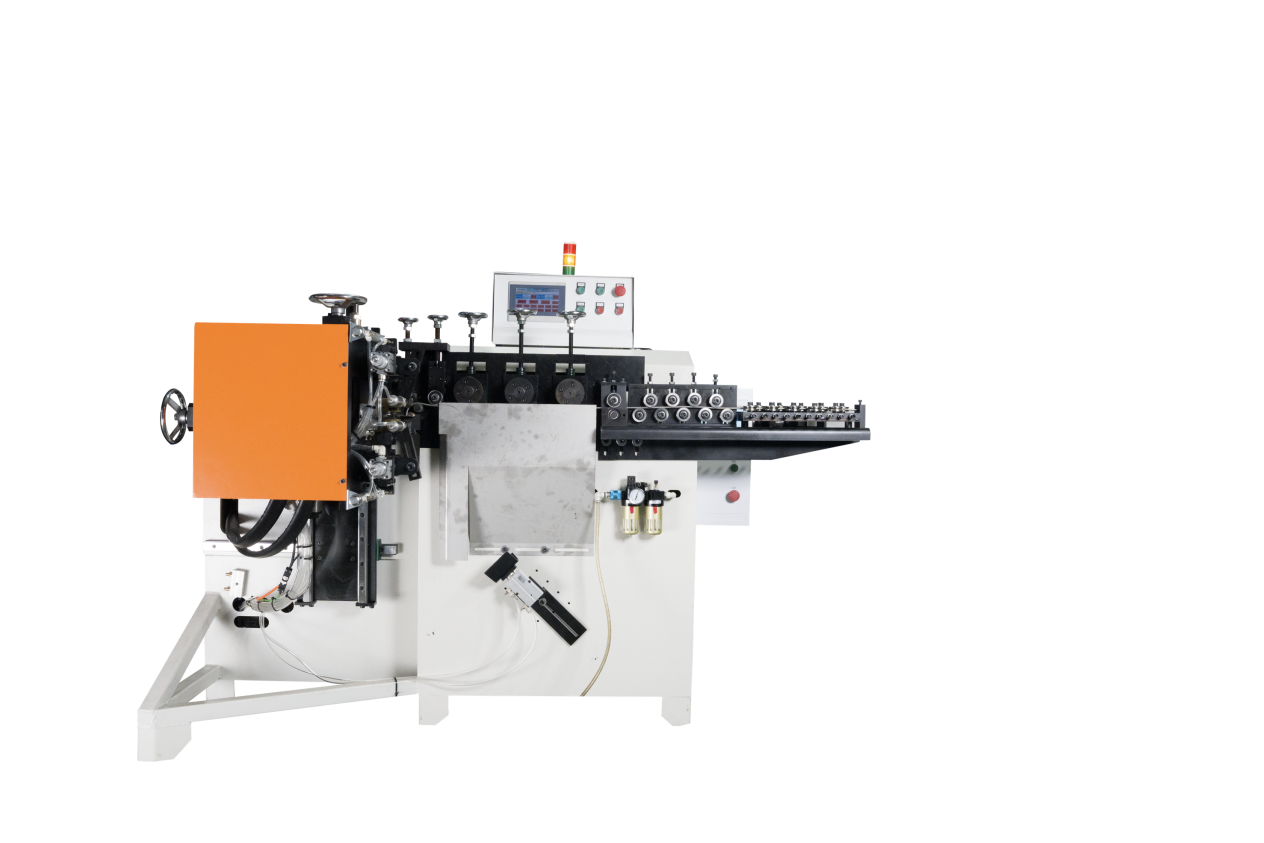
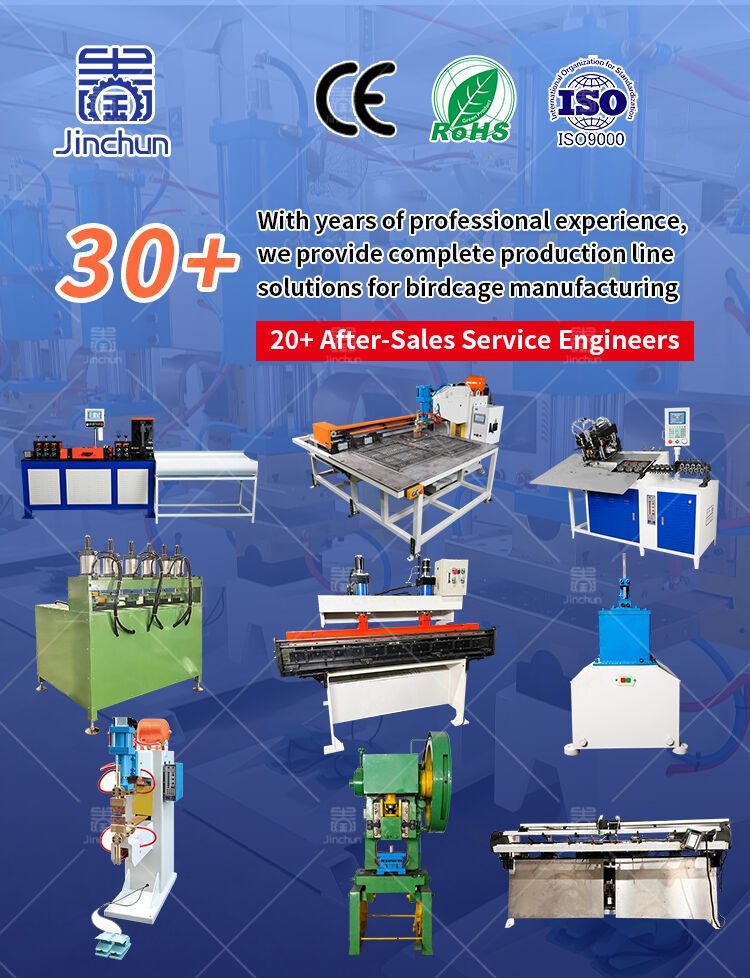
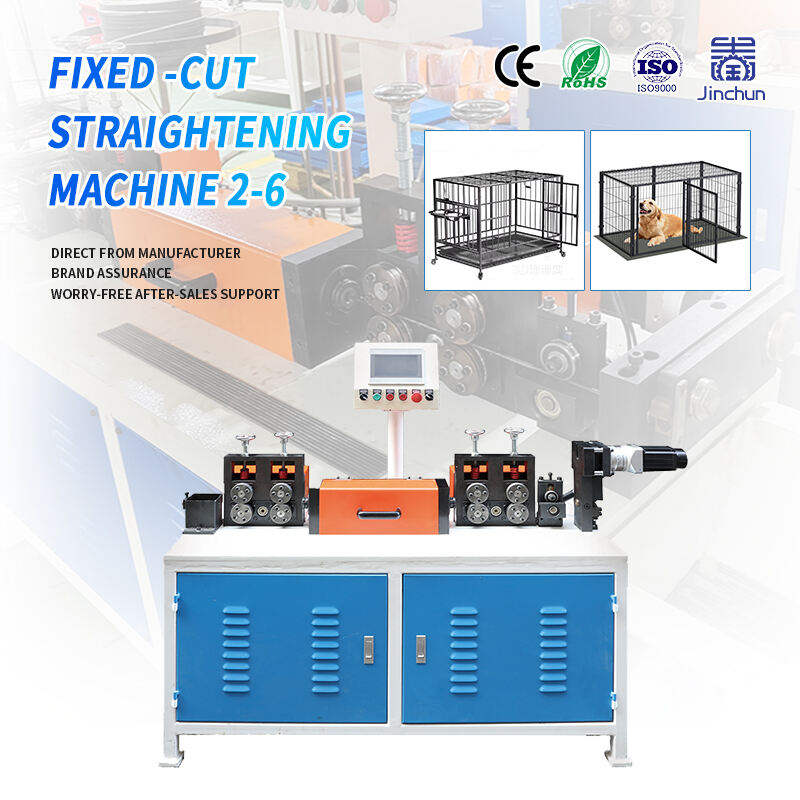
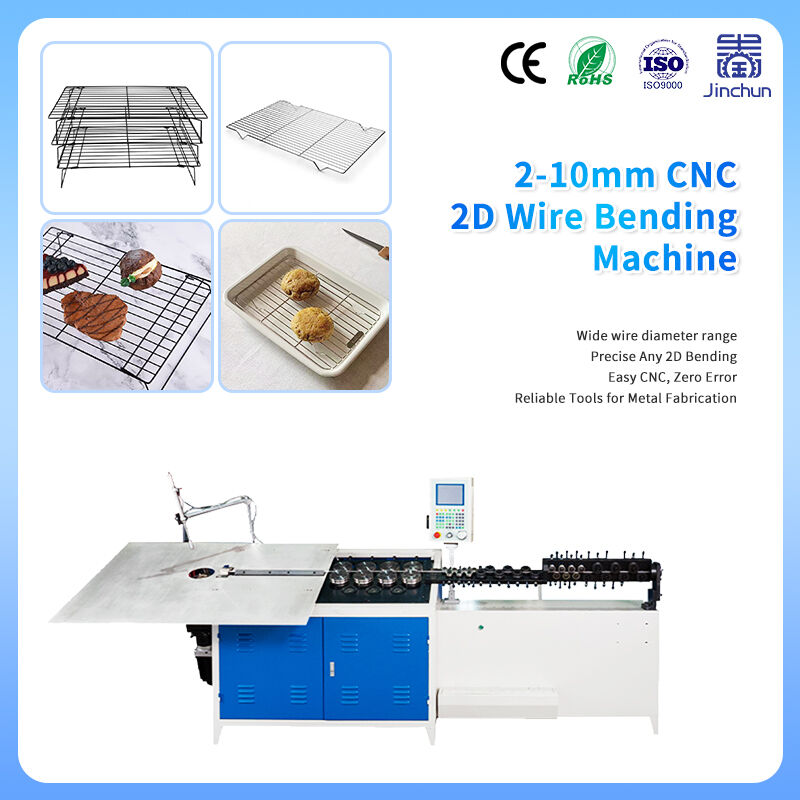
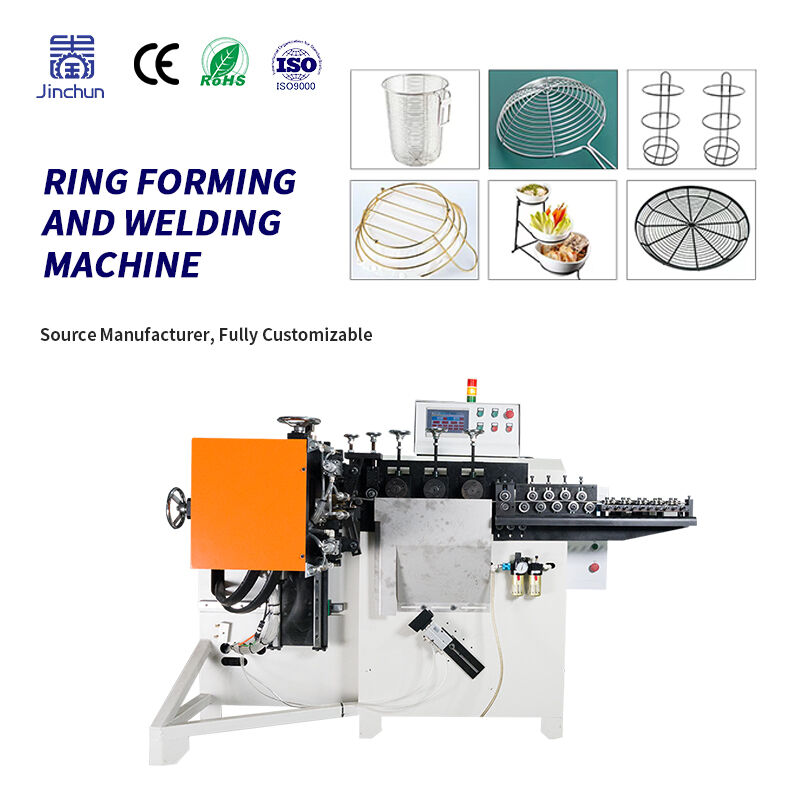
Advanced Bending Welding Machine Solutions - Precision Manufacturing Equipment

Get a Free Quote

Our representative will contact you soon.
Email
Name
Company Name
Phone / WhatsApp
Required Product
Message
0/1000

bending welding machine

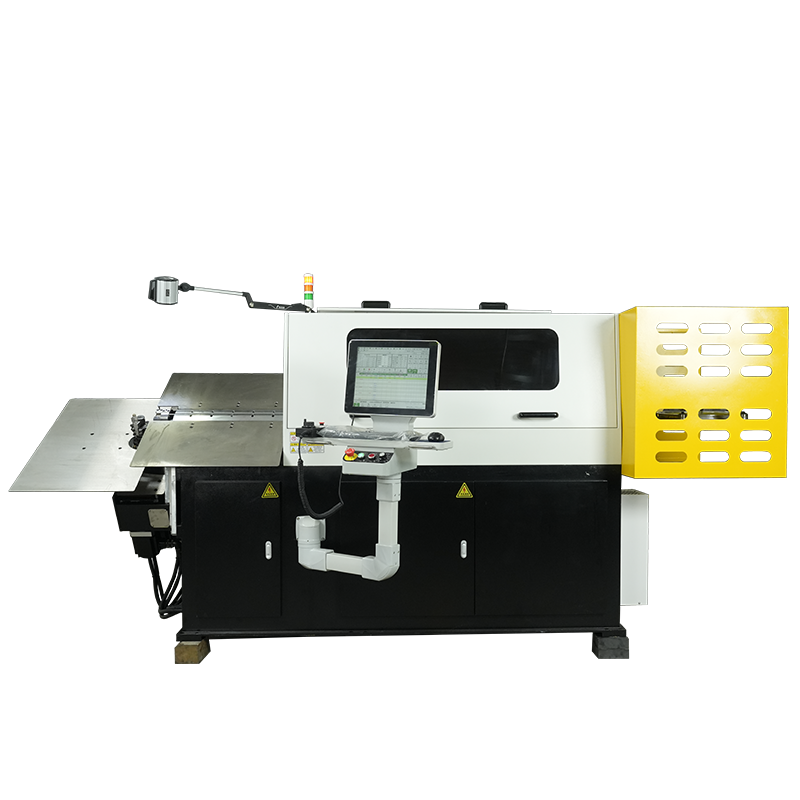
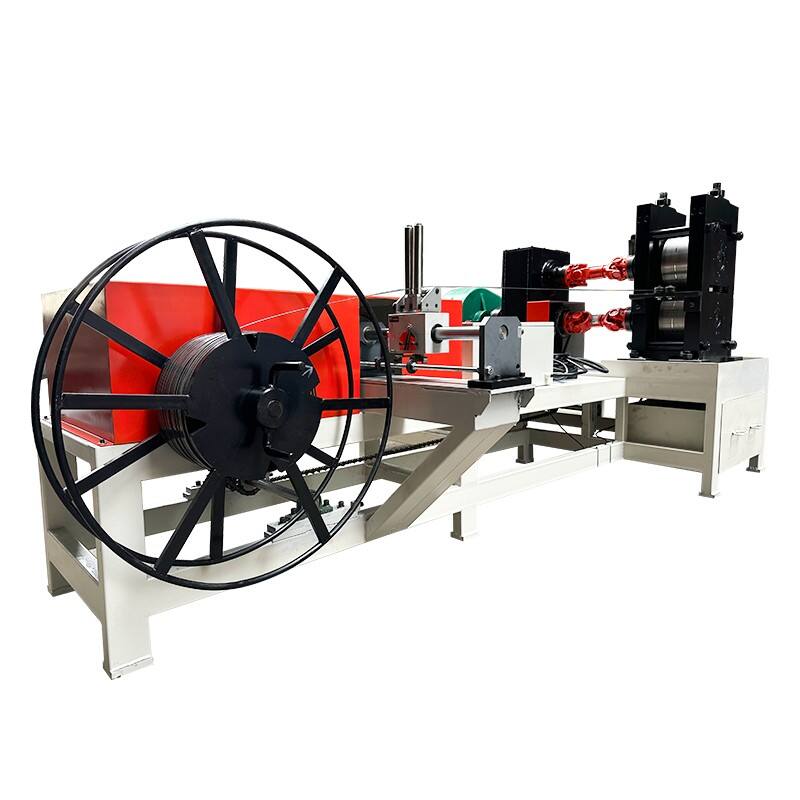
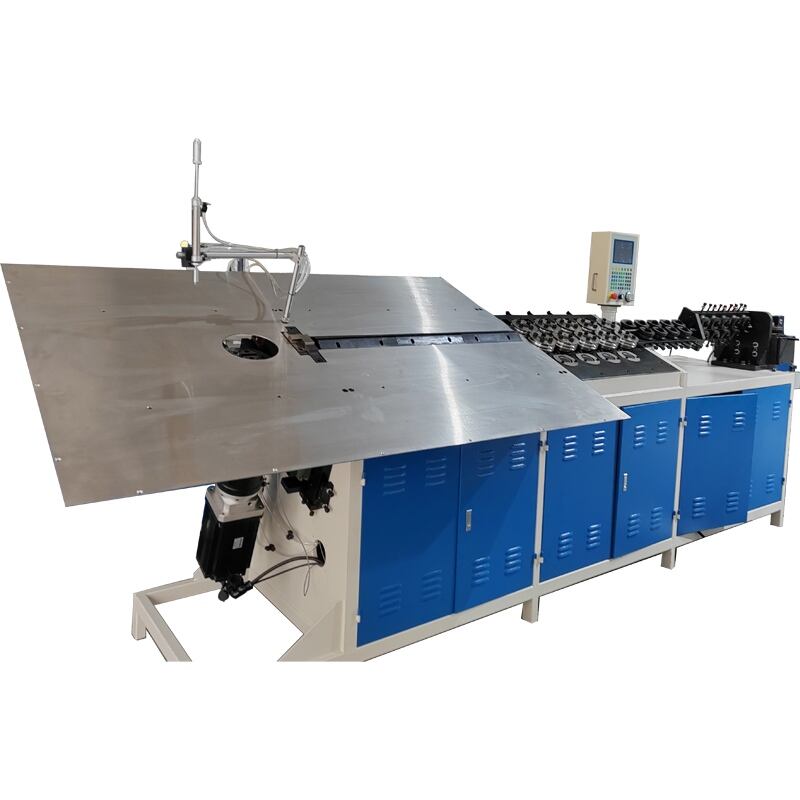
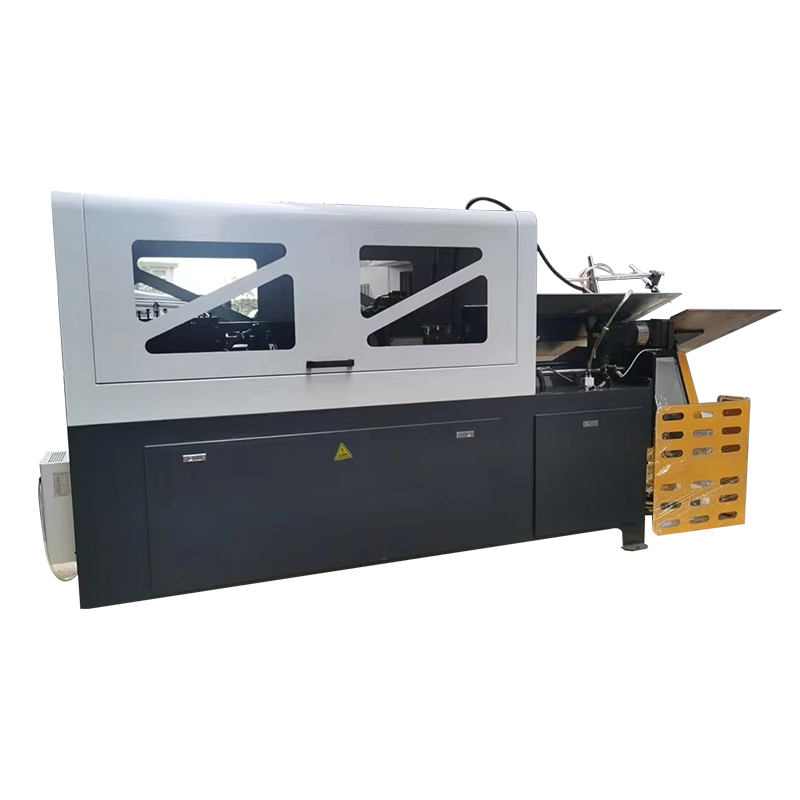
A bending welding machine represents a sophisticated piece of industrial equipment that combines two essential metalworking processes into one streamlined operation. This innovative machinery performs both metal bending and welding functions, enabling manufacturers to shape and join materials with exceptional precision and efficiency. The bending welding machine utilizes advanced hydraulic or mechanical systems to bend metal sheets, tubes, and profiles to specific angles while simultaneously welding joints to create strong, permanent connections. These machines incorporate computer-controlled systems that ensure consistent results across multiple production runs. The technological framework includes programmable logic controllers that manage bending angles, welding parameters, and timing sequences automatically. Modern bending welding machines feature digital displays that provide real-time monitoring of temperature, pressure, and position data. The welding component typically employs arc welding, resistance welding, or laser welding technologies, depending on material requirements and application specifications. The bending mechanism uses precision rollers, dies, or mandrels to achieve accurate angular formations without compromising material integrity. Safety systems include emergency stops, protective guards, and automatic shut-off features that protect operators during operation. Industrial applications span across automotive manufacturing, construction, aerospace, shipbuilding, and general fabrication industries. These machines process various materials including steel, aluminum, stainless steel, and specialized alloys. The integration of bending and welding capabilities eliminates the need for separate equipment, reducing production time and facility space requirements. Quality control features ensure consistent weld penetration and uniform bend radii throughout production cycles. Maintenance requirements remain minimal due to robust construction and self-diagnostic capabilities that alert operators to potential issues before they become critical problems.

Popular Products

The bending welding machine delivers significant operational benefits that transform manufacturing efficiency and product quality across multiple industries. These machines reduce production time by combining two traditionally separate processes into one continuous operation, eliminating material handling between different workstations. Cost savings emerge through reduced labor requirements, as operators can complete complex forming and joining tasks without moving workpieces between multiple machines. Energy consumption decreases substantially compared to operating separate bending and welding equipment, resulting in lower utility costs and improved environmental sustainability. The precision capabilities of modern bending welding machines ensure consistent product quality with minimal variation between individual pieces. Automated controls eliminate human error factors that commonly affect manual operations, providing reliable repeatability for high-volume production runs. Space efficiency becomes particularly valuable in crowded manufacturing environments where floor space commands premium costs. These machines occupy significantly less area than equivalent separate bending and welding stations would require. Material waste reduction occurs through improved accuracy and reduced handling damage during production processes. The integrated design prevents distortion and stress concentrations that often develop when materials undergo multiple handling steps. Skilled labor requirements decrease as automated systems handle complex parameter calculations and adjustments that previously required extensive operator experience. Training time for new operators reduces substantially due to simplified control interfaces and automated safety systems. Production flexibility increases through programmable settings that accommodate different material types, thicknesses, and geometric requirements without extensive setup changes. Quality assurance improves through integrated monitoring systems that track critical parameters throughout each production cycle. Maintenance costs remain lower due to unified service requirements rather than maintaining separate equipment systems. The bending welding machine provides manufacturers with competitive advantages through faster delivery times, improved product consistency, and reduced overall production costs while maintaining superior quality standards.

Practical Tips

How to Choose the Right Bending Machines for Your Shop

20

Nov

How to Choose the Right Bending Machines for Your Shop

Selecting the appropriate bending machines for your manufacturing shop represents one of the most critical investments you'll make in your production capabilities. The right equipment can dramatically improve efficiency, precision, and profitability ...
View More
How Straightening Machines Ensure Precision in Wire Cutting and Straightening

15

Dec

How Straightening Machines Ensure Precision in Wire Cutting and Straightening

In the manufacturing of metal mesh and grid structures, the quality of the base material is critical. Precision-cut and perfectly straightened metal bars or wires form the essential backbone for a wide range of industrial applications. For manufactur...
View More
Circle Forming Machines in Dust Filter Cage and Fan Guard Manufacturing

07

Jan

Circle Forming Machines in Dust Filter Cage and Fan Guard Manufacturing

In the world of high-precision metal fabrication, the demand for perfect circular components is a constant factor. Whether you are producing structural elements for Furniture, durable components for Hardware, intricate Automotive & Motorcycle Accesso...
View More
Core Processes & Equipment of a Modern Bird Cage Production Line

15

Jan

Core Processes & Equipment of a Modern Bird Cage Production Line

In the highly competitive global pet products market, efficient and precise automated production has become the core pillar of corporate success. Based on the "One-stop Solution" provided by Jinchun Industrial Automation, a modern bird cage productio...
View More

Get a Free Quote

Our representative will contact you soon.
Email
Name
Company Name
Phone / WhatsApp
Required Product
Message
0/1000

bending welding machine

Advanced Automated Control Systems

Advanced Automated Control Systems

The sophisticated control systems integrated into modern bending welding machines represent a revolutionary advancement in manufacturing technology that delivers unprecedented precision and operational efficiency. These systems utilize state-of-the-art programmable logic controllers combined with intuitive human-machine interfaces that allow operators to program complex bending and welding sequences with remarkable ease. The automated control architecture manages multiple variables simultaneously, including bending angles, welding current, travel speed, and cooling parameters, ensuring optimal results for every production cycle. Touch-screen displays provide real-time visualization of all operational parameters, enabling operators to monitor progress and make adjustments without interrupting production flow. The control system stores unlimited program profiles, allowing manufacturers to switch between different product configurations instantly without manual recalibration. Servo-driven positioning systems ensure repeatability within tolerances of plus or minus 0.1 degrees for bending operations and maintain consistent weld bead profiles throughout extended production runs. Advanced sensors continuously monitor material position, temperature, and stress levels, automatically adjusting parameters to compensate for variations in material properties or environmental conditions. Safety interlocks prevent operation when unsafe conditions exist, protecting both operators and equipment from potential damage. The diagnostic capabilities built into these control systems provide predictive maintenance alerts that help prevent unexpected downtime and extend equipment lifespan. Remote monitoring capabilities enable technical support teams to assess machine performance and provide troubleshooting assistance without requiring on-site visits. Data logging features capture production statistics, quality metrics, and performance trends that support continuous improvement initiatives and regulatory compliance requirements. The integration of artificial intelligence algorithms enables these systems to learn from production patterns and optimize parameters automatically, reducing setup time and improving overall equipment effectiveness.
Superior Material Handling and Processing Capabilities

Superior Material Handling and Processing Capabilities

The exceptional material handling and processing capabilities of bending welding machines enable manufacturers to work with diverse materials and complex geometries that would challenge conventional equipment configurations. These machines accommodate material thicknesses ranging from thin gauge sheets to heavy structural components, adapting automatically to varying material properties through intelligent sensing systems. The material feeding mechanisms utilize precision rollers and guides that maintain proper alignment throughout the bending and welding processes, preventing distortion and ensuring dimensional accuracy. Clamping systems provide secure workpiece positioning while allowing for thermal expansion during welding operations, preventing stress-related defects that commonly occur with rigid fixturing methods. The integrated design handles materials up to several meters in length without requiring additional support equipment, streamlining workflow and reducing handling complexity. Advanced tooling systems enable rapid changeover between different product configurations, minimizing downtime and maximizing production flexibility. The machines process various material types including carbon steel, stainless steel, aluminum alloys, and exotic metals used in aerospace applications. Heat management systems control thermal input during welding operations to prevent metallurgical changes that could compromise material properties in heat-affected zones. Automatic material positioning systems ensure consistent placement accuracy, eliminating variables that could affect final product quality. The processing envelope accommodates complex three-dimensional shapes through multi-axis positioning capabilities that maintain precise tool relationships throughout the forming process. Quality assurance features include integrated inspection systems that verify dimensional compliance and weld quality without requiring separate measurement operations. Material flow optimization reduces handling steps and associated labor costs while minimizing opportunities for damage or contamination. The robust construction handles demanding production schedules while maintaining accuracy standards essential for critical applications. Edge preparation and finishing capabilities provide complete processing solutions that eliminate secondary operations and reduce overall production time.
Enhanced Productivity and Cost Efficiency

Enhanced Productivity and Cost Efficiency

The remarkable productivity enhancements and cost efficiency benefits delivered by bending welding machines create compelling value propositions for manufacturers seeking competitive advantages in today's demanding marketplace. These machines typically increase production throughput by 60 to 80 percent compared to conventional separate processing methods, enabling manufacturers to meet aggressive delivery schedules while maintaining quality standards. Labor efficiency improvements result from eliminating material handling between separate bending and welding stations, reducing cycle times and minimizing opportunities for handling damage or positioning errors. The integrated approach reduces workforce requirements by up to 40 percent for typical production scenarios, allowing manufacturers to reallocate skilled personnel to higher-value activities. Energy consumption optimization occurs through coordinated heating and forming cycles that eliminate redundant thermal processing and reduce overall power requirements. Facility utilization improvements emerge from consolidated equipment footprints that free valuable floor space for additional production capacity or inventory storage. Setup time reductions of 70 percent or more become achievable through programmable controls that eliminate manual adjustments and tooling changes between different product variations. Quality improvements translate directly into cost savings through reduced rework, warranty claims, and customer complaints that typically accompany inconsistent manufacturing processes. Raw material utilization increases through improved cutting accuracy and reduced waste generation during forming operations. Inventory carrying costs decrease due to faster production cycles that enable just-in-time manufacturing strategies and reduced work-in-process accumulation. Maintenance efficiency improves through unified service requirements and diagnostic capabilities that optimize technician productivity and parts inventory management. The return on investment typically occurs within 18 to 24 months due to combined savings from labor reduction, energy efficiency, space utilization, and quality improvements. Long-term operational benefits include extended equipment life, reduced facility infrastructure requirements, and improved production scheduling flexibility that supports business growth objectives.

Get a Free Quote

Our representative will contact you soon.
Email
Name
Company Name
Phone / WhatsApp
Required Product
Message
0/1000

Get a Free Quote

Our representative will contact you soon.
Email
Name
Company Name
Phone / WhatsApp
Required Product
Message
0/1000