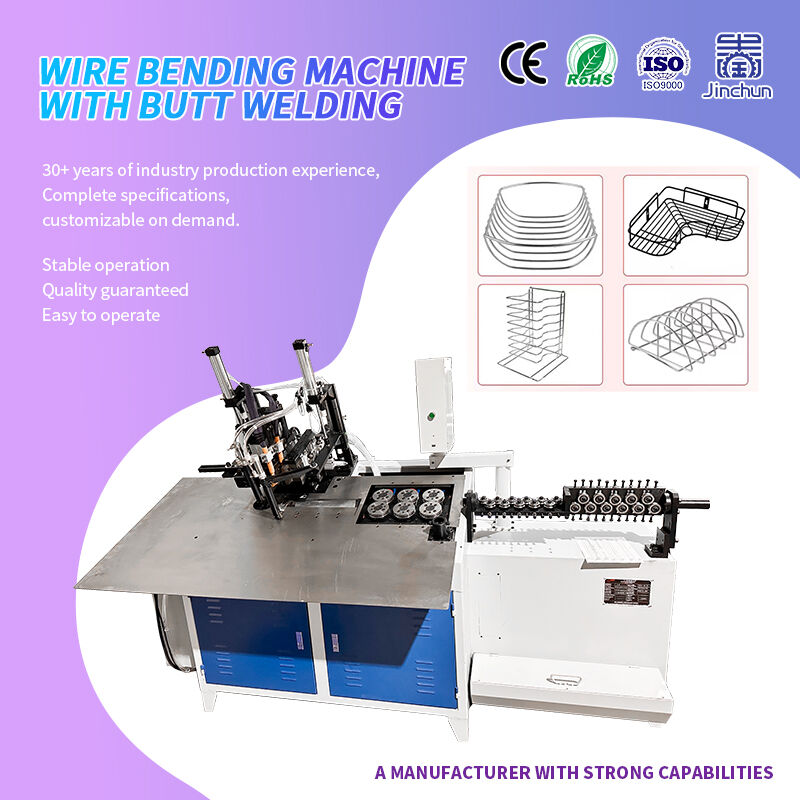
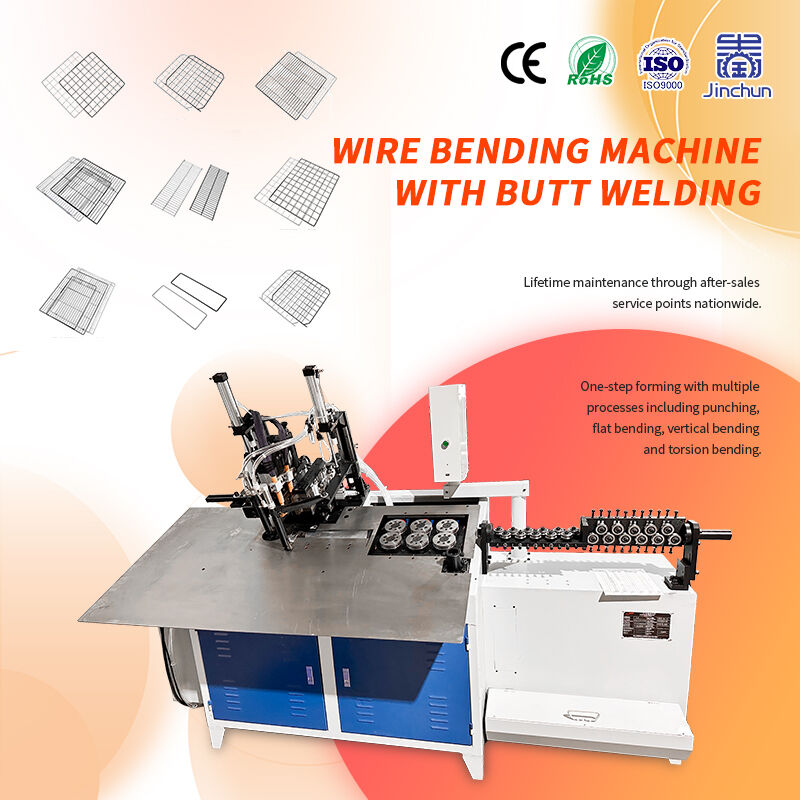
Professional Frame Butt Welder Solutions - Advanced Welding Technology for Industrial Applications

Get a Free Quote

Our representative will contact you soon.
Email
Name
Company Name
Phone / WhatsApp
Required Product
Message
0/1000

frame butt welder

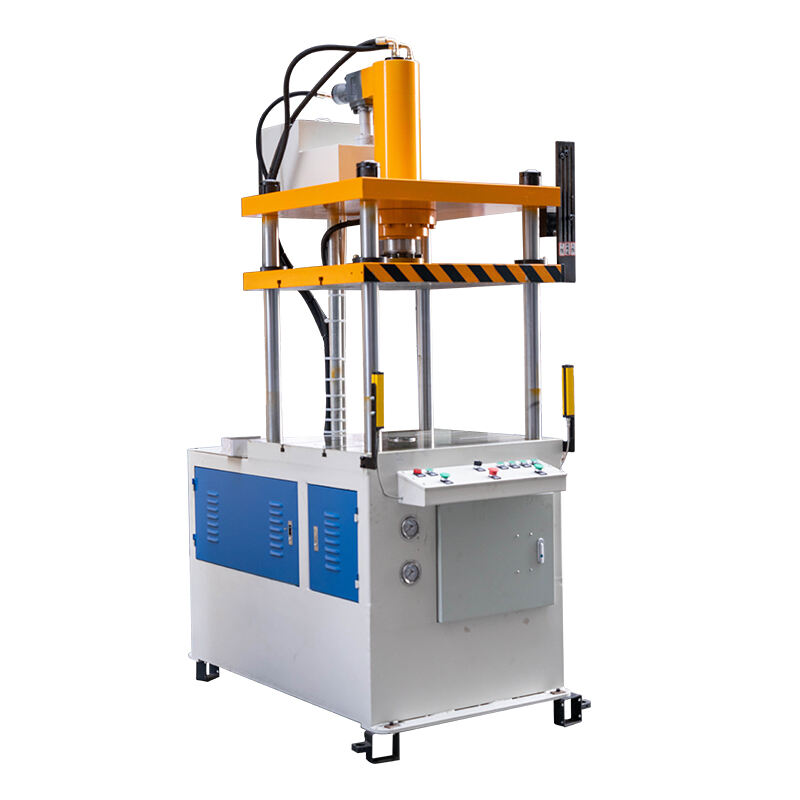
A frame butt welder represents a sophisticated industrial welding solution designed specifically for joining metal frames and structural components through precise butt joint welding techniques. This advanced welding equipment serves as an essential tool in manufacturing environments where strong, reliable connections between frame sections are critical for structural integrity. The frame butt welder operates by bringing two metal pieces together end-to-end, creating a seamless joint that maintains the original strength characteristics of the base materials. The primary function of this welding system involves heating the contact surfaces of frame components to their melting point, then applying controlled pressure to fuse the materials together. This process eliminates the need for additional welding materials or filler metals, resulting in clean, efficient joints. The technological features of modern frame butt welders include programmable control systems that allow operators to set precise parameters for different material types and thicknesses. Advanced models incorporate temperature monitoring sensors, pressure regulation mechanisms, and automated timing controls to ensure consistent results across multiple welding operations. The equipment typically features adjustable clamping systems that securely hold frame components in proper alignment during the welding process. Many frame butt welders also include integrated cooling systems to manage heat dissipation and prevent warping or distortion of welded components. The applications for frame butt welders span numerous industries, including automotive manufacturing, construction equipment production, furniture fabrication, and architectural metalwork. In automotive applications, these welders create strong joints in vehicle chassis components, door frames, and structural reinforcements. Construction equipment manufacturers rely on frame butt welders for assembling heavy-duty machinery frames that must withstand extreme operational stresses. The furniture industry utilizes this welding technology for creating durable metal frame furniture, while architectural applications include structural steelwork and decorative metal frameworks.

Popular Products

Frame butt welders deliver exceptional cost-effectiveness by eliminating the need for consumable welding materials such as electrodes, filler wires, or flux compounds. This reduction in material costs translates directly into lower operational expenses, making the frame butt welder an economical choice for high-volume production environments. The welding process creates joints that match or exceed the strength of the original base materials, ensuring structural reliability without compromising performance standards. Operators benefit from simplified training requirements since the automated nature of frame butt welders reduces the skill level needed compared to traditional welding methods. The consistent quality output means less time spent on quality control inspections and rework, increasing overall productivity levels. Energy efficiency represents another significant advantage, as frame butt welders consume less power than many alternative welding processes while delivering superior results. The precise control systems built into modern frame butt welders enable operators to achieve repeatable results with minimal variation between welded joints. This consistency proves invaluable in manufacturing environments where dimensional accuracy and joint quality directly impact product performance. The clean welding process produces minimal smoke, fumes, or spatter, creating safer working conditions and reducing the need for extensive ventilation systems. Maintenance requirements remain relatively low due to the robust construction and simplified mechanical systems typical of frame butt welders. The equipment handles various metal types including steel, aluminum, and specialized alloys, providing versatility for diverse manufacturing requirements. Production speeds increase significantly compared to manual welding processes, enabling manufacturers to meet tight delivery schedules and increase throughput capacity. The automated clamping and positioning systems reduce operator fatigue while ensuring proper alignment for every weld cycle. Quality assurance becomes more manageable since the controlled parameters eliminate many variables that typically affect manual welding operations. The compact footprint of most frame butt welders allows efficient use of factory floor space while maintaining full functionality. Environmental benefits include reduced waste generation and lower carbon emissions compared to traditional welding methods that require consumable materials and generate more byproducts.

Practical Tips

2025 Welding Machine Price Guide: Best Value for Money

20

Nov

2025 Welding Machine Price Guide: Best Value for Money

Understanding the welding machine price landscape in 2025 requires careful consideration of various factors that directly impact your investment decision. The welding industry has witnessed significant technological advancements, regulatory changes, ...
View More
Applications of 2D Bending Machines in Wire Shelf and Storage Solutions

22

Dec

Applications of 2D Bending Machines in Wire Shelf and Storage Solutions

In the manufacturing of wire-based storage and shelving systems, precision, efficiency, and versatility are paramount. This is where 2D bending machines, also known as 2D wire forming machines , become indispensable. These specialized machines are en...
View More
2D Bending Machines: Perfect for Pet Cages and Kitchen Organizers

15

Dec

2D Bending Machines: Perfect for Pet Cages and Kitchen Organizers

In the world of metal fabrication, efficiency and versatility are key. For manufacturers producing everyday items like pet cages and kitchen organizers, achieving consistent quality, complex designs, and cost-effectiveness is paramount. This is where...
View More
 Mesh Welding Machines for Efficient Poultry and Pet Cage Production

25

Feb

Mesh Welding Machines for Efficient Poultry and Pet Cage Production

In the competitive market of animal husbandry and pet supplies, the quality of wire housing can determine a brand's reputation. Whether you are manufacturing large-scale poultry layers or intricate pet crates, the demand for precision, strength, and ...
View More

Get a Free Quote

Our representative will contact you soon.
Email
Name
Company Name
Phone / WhatsApp
Required Product
Message
0/1000

frame butt welder

Advanced Automated Control Systems for Precision Welding

Advanced Automated Control Systems for Precision Welding

The sophisticated automated control systems integrated into modern frame butt welders represent a revolutionary advancement in welding technology that transforms how manufacturers approach structural joining processes. These intelligent control systems feature programmable logic controllers that allow operators to store multiple welding programs for different material combinations, thicknesses, and joint configurations. The precision offered by these systems ensures that every welding cycle delivers identical results, eliminating the variability typically associated with manual welding operations. Temperature control represents a critical component of these advanced systems, with precise monitoring capabilities that track heat buildup throughout the welding process. The controllers automatically adjust heating parameters based on real-time feedback from integrated sensors, maintaining optimal welding temperatures regardless of ambient conditions or material variations. Pressure regulation systems work in conjunction with temperature controls to apply exactly the right amount of force during the welding cycle, ensuring proper material flow and joint formation without causing distortion or damage to the frame components. The user-friendly interface typically includes touchscreen displays that guide operators through setup procedures and provide real-time feedback on welding parameters. These systems often incorporate diagnostic capabilities that monitor equipment performance and alert operators to potential maintenance needs before problems develop. The automated nature of these control systems significantly reduces the training time required for new operators while simultaneously improving overall welding quality. Memory storage capabilities allow facilities to maintain libraries of proven welding programs for different products, ensuring consistency across production runs and reducing setup time when switching between different frame configurations. Safety interlocks built into the control systems prevent operation when proper conditions are not met, protecting both equipment and operators from potential hazards. The integration capabilities of modern frame butt welder control systems enable seamless connection to factory automation networks, allowing for data collection, production monitoring, and integration with broader manufacturing execution systems.
Superior Joint Strength and Structural Integrity

Superior Joint Strength and Structural Integrity

The exceptional joint strength achieved by frame butt welders stems from the fundamental physics of the welding process, which creates molecular-level bonding between materials that often exceeds the strength characteristics of the original base metals. Unlike mechanical fastening methods that create stress concentration points, or traditional welding techniques that introduce heat-affected zones with altered material properties, the frame butt welder creates uniform joints that distribute loads evenly across the entire welded interface. This superior strength characteristic proves particularly valuable in applications where frames must withstand dynamic loading, vibration, or extreme environmental conditions. The welding process eliminates the gaps, voids, or inclusions that can compromise joint integrity in other joining methods, resulting in solid, continuous material bonds that maintain their strength characteristics over extended service periods. Fatigue resistance represents another crucial advantage of frame butt welder joints, as the smooth transition between welded components eliminates the stress risers that typically lead to crack initiation and propagation in mechanically fastened assemblies. The metallurgical properties of joints created by frame butt welders often demonstrate grain refinement and improved material homogeneity compared to the base materials, contributing to enhanced mechanical properties throughout the welded region. Corrosion resistance improves significantly since the welded joint creates a continuous material surface without crevices or interfaces where corrosive agents might accumulate. Testing and validation procedures consistently demonstrate that properly executed frame butt welds meet or exceed industry standards for structural applications, providing engineers with confidence when designing products that rely on these joints for structural integrity. The dimensional stability of frame butt welded assemblies surpasses that of mechanically fastened alternatives, as thermal expansion and contraction affect the entire structure uniformly rather than creating differential movement at joint interfaces. Quality control procedures for frame butt welds include non-destructive testing methods that verify joint integrity without compromising structural performance, ensuring that every welded assembly meets specified requirements before entering service.
Exceptional Versatility Across Multiple Industries and Applications

Exceptional Versatility Across Multiple Industries and Applications

The remarkable versatility of frame butt welders enables their successful deployment across diverse industrial sectors, each benefiting from the unique capabilities these machines provide for specialized welding requirements. Automotive manufacturers extensively utilize frame butt welders for assembling vehicle chassis components, where the strength-to-weight ratio of welded joints contributes significantly to overall vehicle performance and fuel efficiency. The precision control available with modern frame butt welders allows automotive engineers to optimize joint designs for specific loading conditions while maintaining strict dimensional tolerances required for modern vehicle assembly processes. Construction equipment manufacturers rely on frame butt welders to create robust assemblies capable of withstanding the extreme operational stresses encountered in heavy-duty applications such as excavators, bulldozers, and crane structures. The ability to weld thick sections of high-strength steel ensures that these critical components maintain structural integrity throughout extended service lives in demanding environments. Aerospace applications benefit from the clean, precise joints achievable with frame butt welders, particularly in secondary structural components where weight reduction and reliability represent paramount concerns. The furniture manufacturing industry has embraced frame butt welders for creating strong, aesthetically pleasing joints in metal frame furniture where traditional welding methods might compromise surface finishes or require extensive post-weld processing. Architectural metalwork applications showcase the versatility of frame butt welders in creating complex structural assemblies for building facades, decorative elements, and structural support systems. The equipment adapts readily to different material types including carbon steel, stainless steel, aluminum alloys, and specialized metals used in specific industry applications. Size flexibility allows frame butt welders to handle components ranging from small precision assemblies to large structural elements, making them suitable for both high-volume production and custom fabrication requirements. The modular nature of many frame butt welder designs enables customization for specific application requirements, including specialized clamping systems, material handling equipment, and integration with existing production lines. Quality standards across different industries benefit from the consistent, repeatable results achievable with frame butt welders, ensuring that welded assemblies meet stringent specifications regardless of the specific application or industry requirements.

Get a Free Quote

Our representative will contact you soon.
Email
Name
Company Name
Phone / WhatsApp
Required Product
Message
0/1000

Get a Free Quote

Our representative will contact you soon.
Email
Name
Company Name
Phone / WhatsApp
Required Product
Message
0/1000