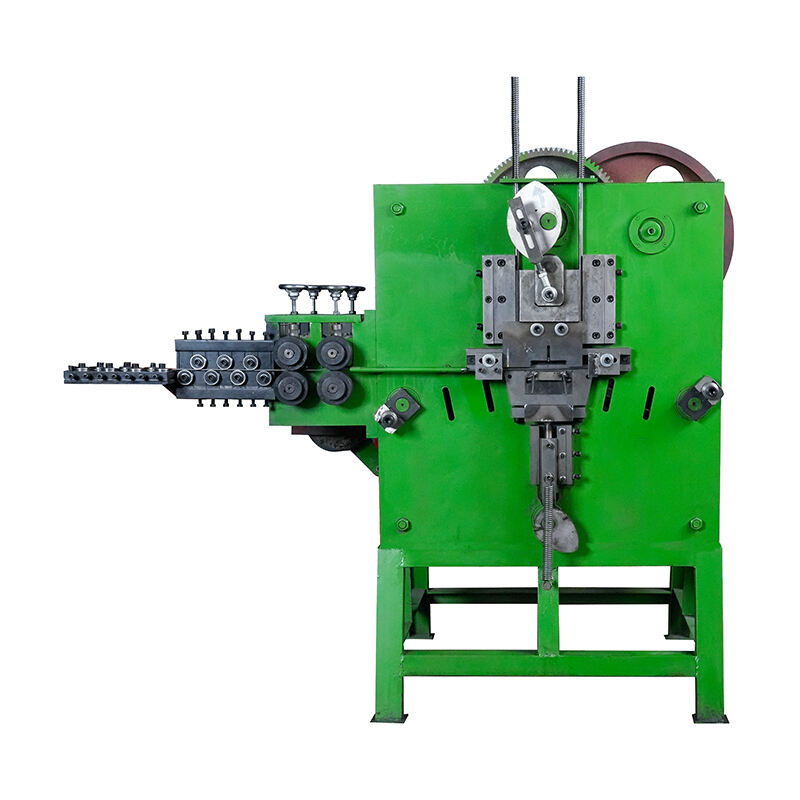
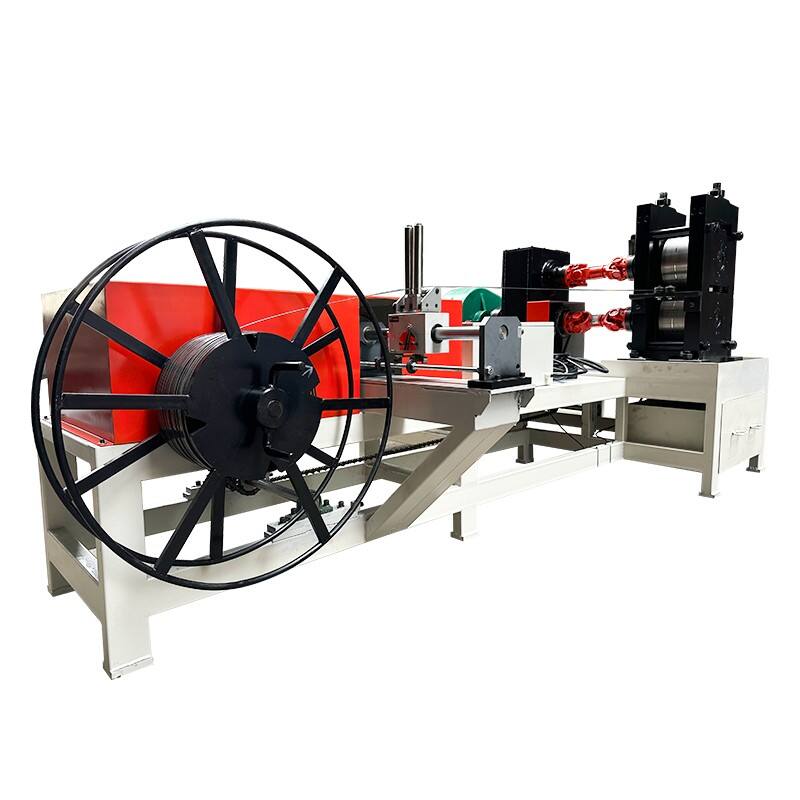
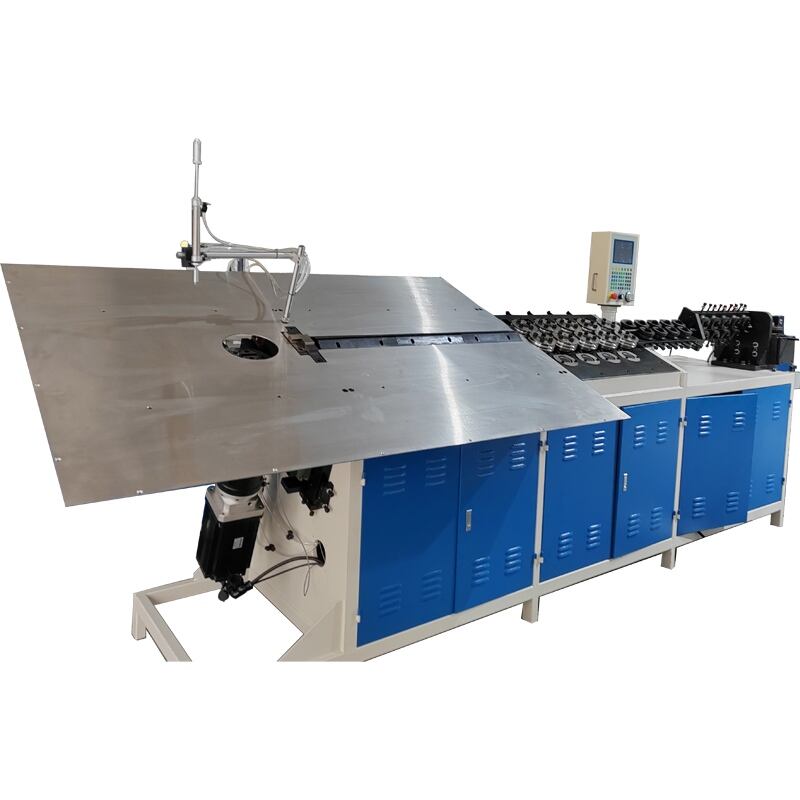
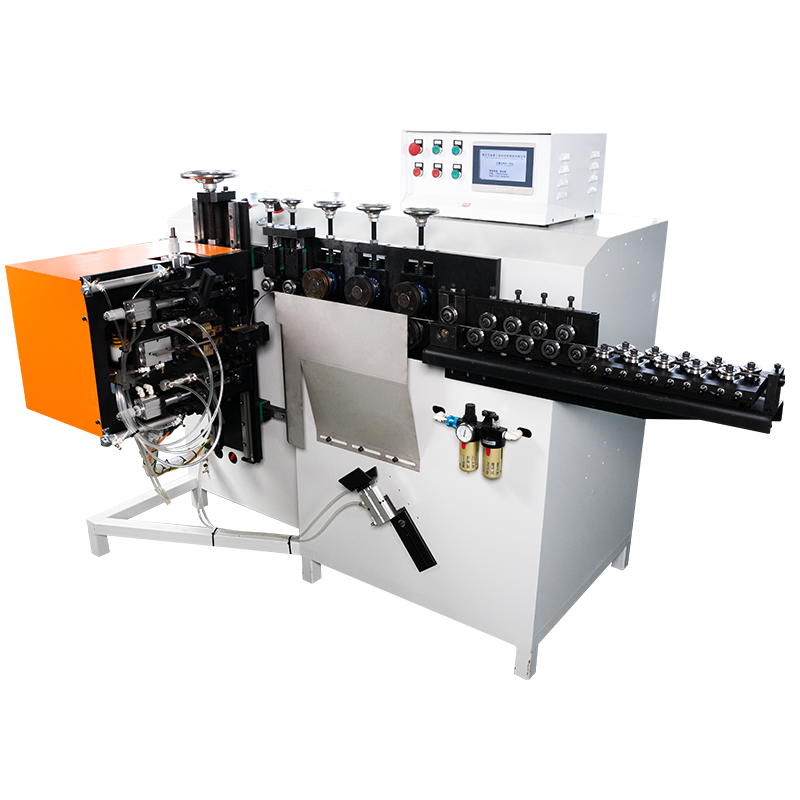
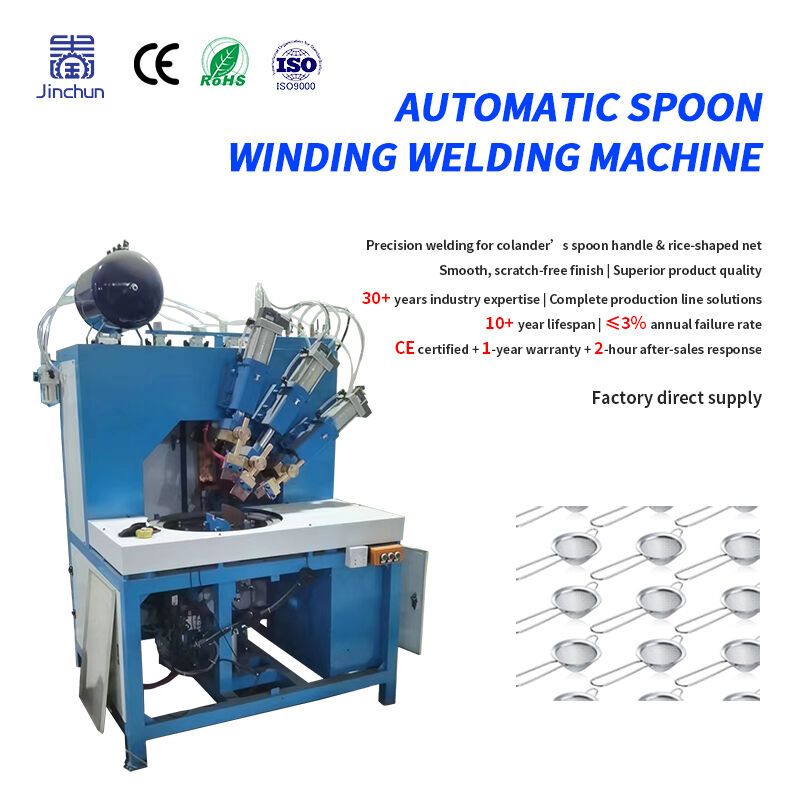
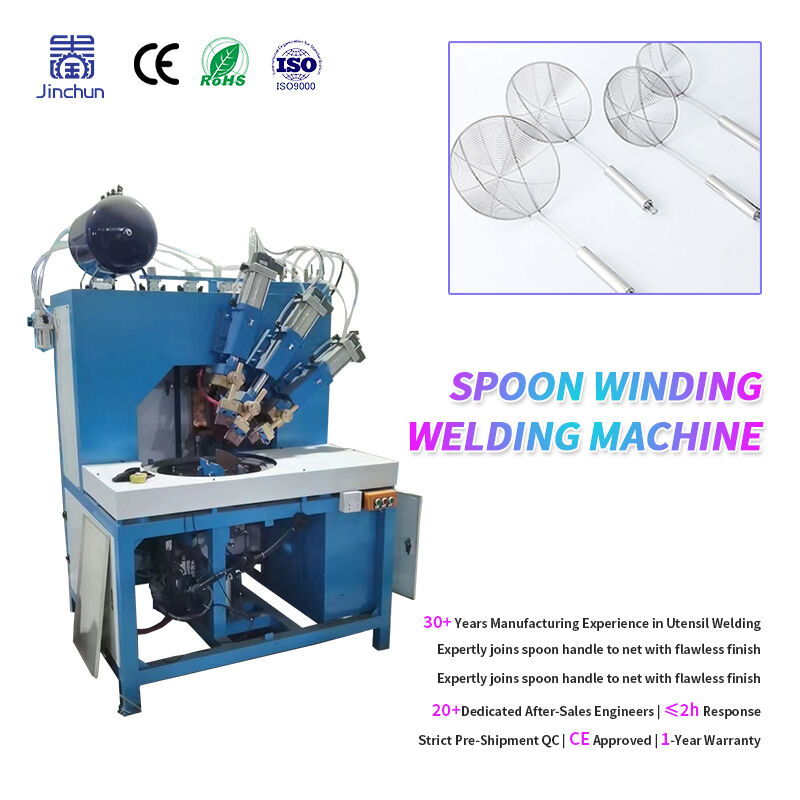
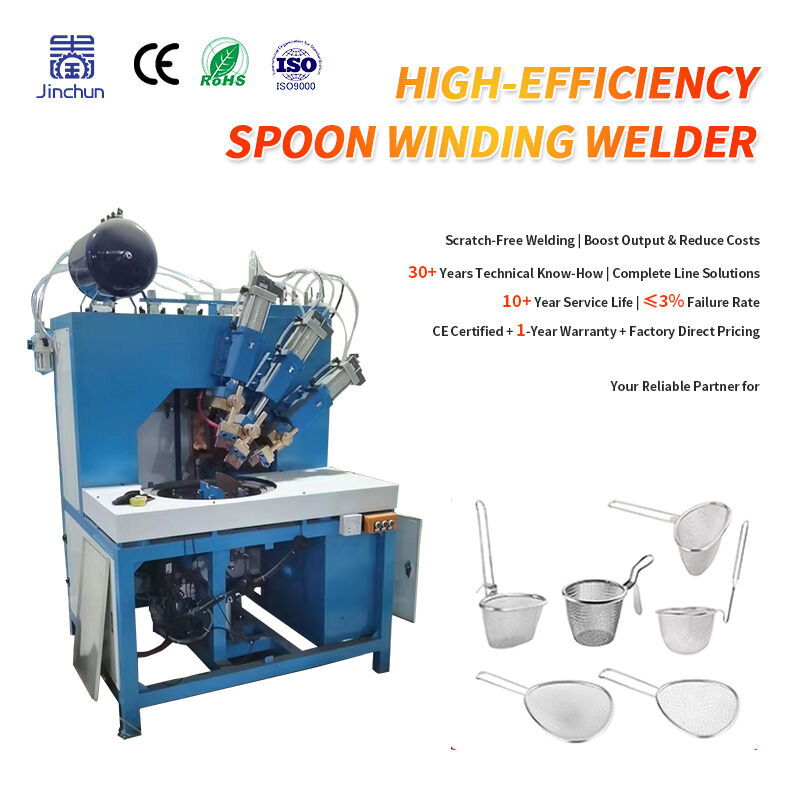
Advanced Automatic Welding Equipment - Precision, Productivity & Cost-Effective Solutions

Get a Free Quote

Our representative will contact you soon.
Email
Name
Company Name
Phone / WhatsApp
Required Product
Message
0/1000

automatic welding equipment

Automatic welding equipment represents a revolutionary advancement in modern manufacturing technology, transforming traditional welding processes through sophisticated automation and precision control systems. This cutting-edge machinery integrates advanced robotics, computerized controls, and intelligent sensors to deliver consistent, high-quality welds across various industrial applications. The automatic welding equipment operates through programmable logic controllers that manage welding parameters, torch positioning, and material feed rates with exceptional accuracy. These systems incorporate multiple welding processes including MIG, TIG, and stick welding capabilities, enabling manufacturers to handle diverse materials from steel and aluminum to exotic alloys. The technological backbone of automatic welding equipment features real-time monitoring systems that continuously adjust welding variables based on joint conditions and material properties. Advanced vision systems and laser tracking technology ensure precise seam following and defect detection throughout the welding process. The equipment utilizes servo-driven mechanisms for smooth torch movement and consistent arc length maintenance, resulting in uniform penetration and superior weld quality. Multi-axis robotic arms provide unlimited positioning flexibility, allowing complex geometries and hard-to-reach joints to be welded efficiently. The automatic welding equipment incorporates sophisticated cooling systems and fume extraction units to maintain optimal operating conditions and workplace safety standards. Digital interfaces enable operators to program welding sequences, store parameters for different jobs, and monitor production metrics in real-time. These systems support various welding techniques including pulsed welding, synchronized tandem welding, and adaptive fill welding strategies. The modular design of automatic welding equipment allows for easy integration into existing production lines and future expansion capabilities. Applications span across automotive manufacturing, shipbuilding, construction, aerospace, pipeline installation, and heavy machinery fabrication industries.

New Products

Automatic welding equipment delivers substantial productivity improvements that directly impact manufacturing efficiency and profitability. Companies implementing these systems experience up to 300 percent increases in welding speed compared to manual operations, enabling faster project completion and higher throughput rates. The consistent arc stability and controlled heat input of automatic welding equipment eliminate common defects like porosity, undercut, and inconsistent penetration that frequently occur with manual welding. This reliability translates to significant cost savings through reduced rework, material waste, and quality inspection time. The precise parameter control ensures repeatable results across thousands of welds, maintaining uniform quality standards that meet stringent industry specifications. Automatic welding equipment operates continuously with minimal supervision, allowing manufacturers to run extended shifts and maximize equipment utilization rates. The reduced dependency on skilled welders addresses critical labor shortages while maintaining production schedules and quality requirements. Safety benefits include elimination of direct operator exposure to welding fumes, intense arc radiation, and ergonomic stress associated with prolonged manual welding positions. The enclosed welding environment and integrated fume extraction systems create healthier working conditions and ensure compliance with occupational safety regulations. Cost effectiveness becomes evident through lower consumable usage rates, as automatic welding equipment optimizes wire feed speeds and gas flow rates based on specific welding requirements. The digital documentation capabilities provide complete traceability of welding parameters and quality metrics, supporting certification requirements and continuous improvement initiatives. Energy efficiency improvements result from optimized duty cycles and intelligent power management systems that reduce overall electrical consumption. The versatility of automatic welding equipment enables manufacturers to handle diverse product lines without significant changeover time or additional equipment investments. Long-term reliability and robust construction ensure extended service life with minimal maintenance requirements, maximizing return on investment. Remote monitoring capabilities allow supervisors to oversee multiple welding stations simultaneously, optimizing resource allocation and production planning. The consistent quality output reduces warranty claims and enhances customer satisfaction, building stronger market reputation and competitive advantages.

Tips And Tricks

Automatic Ring Making Machine: ROI for Jewelry Business

27

Nov

Automatic Ring Making Machine: ROI for Jewelry Business

The jewelry manufacturing industry has witnessed remarkable technological advancement in recent years, with automation becoming a cornerstone of modern production facilities. An automatic ring making machine represents one of the most significant inv...
View More
Maintenance Guide for Automatic Ring Making Machine

27

Nov

Maintenance Guide for Automatic Ring Making Machine

Manufacturing operations rely heavily on precision equipment to maintain consistent production quality and efficiency. An automatic ring making machine represents a significant investment in industrial metalworking capabilities, requiring systematic ...
View More
How Does a 3D Bending Machine Improve Precision in Metal Furniture Manufacturing?

27

Nov

How Does a 3D Bending Machine Improve Precision in Metal Furniture Manufacturing?

Metal furniture manufacturing has undergone a revolutionary transformation with the introduction of advanced automation technologies. Among the most significant innovations is the implementation of sophisticated bending equipment that delivers unprec...
View More
How a 3D Bending Machine Can Revolutionize Your Metal Fabrication Process

05

Feb

How a 3D Bending Machine Can Revolutionize Your Metal Fabrication Process

In the competitive landscape of metal fabrication, precision and speed are the dual pillars of success. Traditional manual bending methods often struggle with complex spatial geometries and consistency. Enter the 3D Wire Bending Machine (Rotary Head ...
View More

Get a Free Quote

Our representative will contact you soon.
Email
Name
Company Name
Phone / WhatsApp
Required Product
Message
0/1000

automatic welding equipment

Precision Control Technology

Precision Control Technology

The precision control technology integrated into automatic welding equipment represents the pinnacle of modern welding innovation, delivering unprecedented accuracy and consistency that surpasses traditional welding methods. This sophisticated system employs advanced microprocessor-based controllers that monitor and adjust welding parameters in real-time, ensuring optimal performance across varying conditions and materials. The precision control technology utilizes multiple feedback sensors that continuously measure arc voltage, current levels, travel speed, and wire feed rates, making instantaneous corrections to maintain ideal welding conditions. These intelligent systems can detect material thickness variations, joint gap changes, and surface irregularities, automatically compensating for these variables to produce uniform weld profiles throughout the entire operation. The technology incorporates adaptive algorithms that learn from previous welding cycles, continuously optimizing parameters based on historical performance data and real-time conditions. Digital servo motors provide exceptional positioning accuracy with repeatability tolerances measured in hundredths of millimeters, ensuring consistent torch placement and movement patterns. The precision control technology enables complex welding sequences including multi-pass welding with varying parameters for root, fill, and cap passes, all programmed and executed automatically. Advanced waveform control capabilities allow for precise manipulation of arc characteristics, enabling specialized techniques like cold metal transfer and pulsed welding that minimize heat input while maximizing penetration quality. The system maintains detailed logs of all welding parameters and performance metrics, providing valuable data for process optimization and quality assurance documentation. Temperature monitoring and thermal management systems prevent overheating and ensure consistent material properties throughout the weld zone. The precision control technology seamlessly integrates with quality inspection systems, automatically flagging potential defects and initiating corrective actions before completion of the weld cycle, significantly reducing post-welding inspection requirements and rework costs.
Enhanced Productivity Features

Enhanced Productivity Features

Enhanced productivity features built into automatic welding equipment revolutionize manufacturing operations by dramatically increasing output rates while maintaining superior quality standards throughout production cycles. These comprehensive productivity enhancements include high-speed welding capabilities that achieve travel speeds up to five times faster than manual operations without compromising weld integrity or structural soundness. The automatic welding equipment incorporates intelligent work handling systems that position and manipulate workpieces efficiently, eliminating time-consuming manual setup and repositioning operations that traditionally slow production workflows. Multi-station configurations allow simultaneous welding of multiple components, maximizing equipment utilization and reducing per-unit production time significantly. The enhanced productivity features include automated consumable changing systems that replace welding wire and electrodes without stopping production, minimizing downtime and maintaining consistent output rates. Quick-change tooling systems enable rapid transition between different welding applications and part geometries, reducing changeover time from hours to minutes and increasing overall equipment effectiveness. The automatic welding equipment features programmable welding sequences that can be stored and recalled instantly, eliminating setup time for repeat jobs and ensuring consistent production parameters across multiple shifts and operators. Integrated material handling systems coordinate with the welding operations to deliver components precisely when needed, reducing waiting time and optimizing production flow. The enhanced productivity features include predictive maintenance capabilities that monitor component wear and performance degradation, scheduling maintenance activities during planned downtime to prevent unexpected breakdowns that disrupt production schedules. Batch processing capabilities allow the automatic welding equipment to handle multiple similar components in sequence with minimal operator intervention, maximizing throughput during high-volume production runs. Real-time production monitoring systems track key performance indicators including cycle times, quality metrics, and equipment utilization rates, providing managers with actionable data to optimize operations continuously. The productivity enhancement extends to reduced post-welding operations through superior weld quality that minimizes grinding, machining, and finishing requirements, streamlining the entire manufacturing process from start to completion.
Cost-Effective Operation

Cost-Effective Operation

Cost-effective operation stands as a fundamental advantage of automatic welding equipment, delivering substantial financial benefits through multiple cost reduction mechanisms and efficiency improvements that directly enhance profitability and competitive positioning. The automatic welding equipment achieves remarkable consumable savings through precise control of wire feed rates, gas flow optimization, and minimal spatter generation, reducing material costs by up to 40 percent compared to manual welding operations. Energy efficiency improvements result from optimized power management systems that adjust electrical consumption based on actual welding requirements, significantly reducing utility costs while maintaining performance standards. The cost-effective operation includes substantial labor savings through reduced operator requirements, allowing skilled welders to focus on complex tasks while automatic systems handle routine production welding with minimal supervision. Quality consistency eliminates costly rework and scrap materials that typically account for significant waste in manual welding operations, with automatic systems achieving defect rates below 2 percent compared to industry averages of 8-15 percent for manual welding. Maintenance costs remain minimal due to robust construction and predictive maintenance capabilities that prevent major component failures and extend service life beyond traditional expectations. The automatic welding equipment operates with exceptional duty cycles, often achieving 85-95 percent utilization rates compared to 40-60 percent for manual operations, maximizing return on equipment investment through increased productive hours. Insurance premiums decrease due to enhanced safety features and reduced workplace accidents associated with manual welding operations, providing additional cost savings that accumulate over time. Training costs diminish significantly as operators require less specialized welding skills to operate automatic systems effectively, reducing educational investments and enabling faster workforce development. The cost-effective operation extends to inventory management through reduced consumable waste and more predictable material usage patterns that optimize purchasing and storage requirements. Documentation and traceability features eliminate additional inspection costs by providing complete welding records that satisfy quality assurance requirements without manual tracking systems. Long-term operational costs benefit from consistent production rates that enable accurate project budgeting and resource planning, reducing the financial risks associated with variable manual welding performance and unpredictable completion times.

Get a Free Quote

Our representative will contact you soon.
Email
Name
Company Name
Phone / WhatsApp
Required Product
Message
0/1000

Get a Free Quote

Our representative will contact you soon.
Email
Name
Company Name
Phone / WhatsApp
Required Product
Message
0/1000