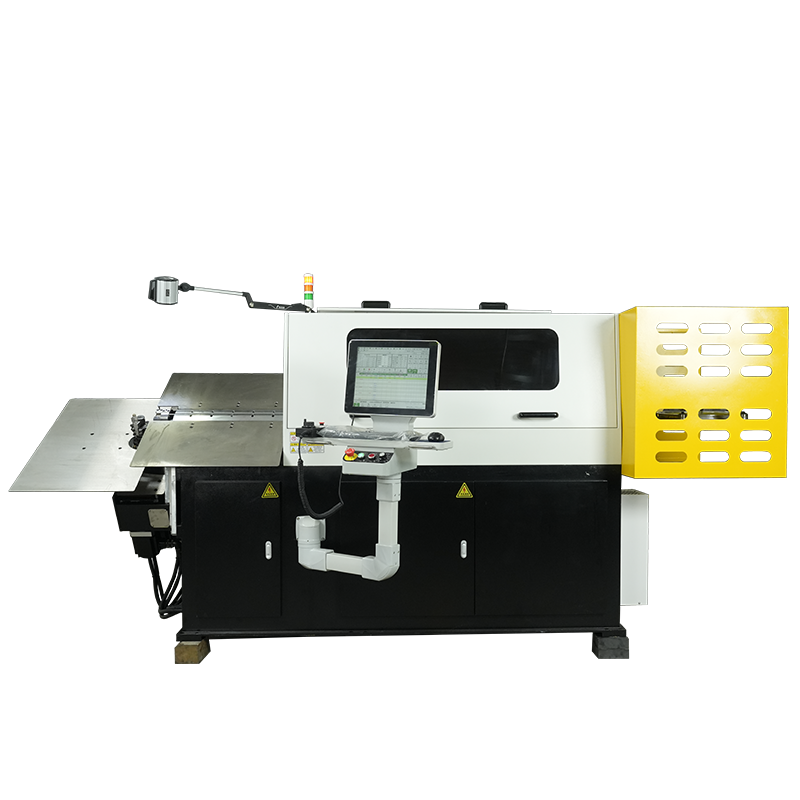
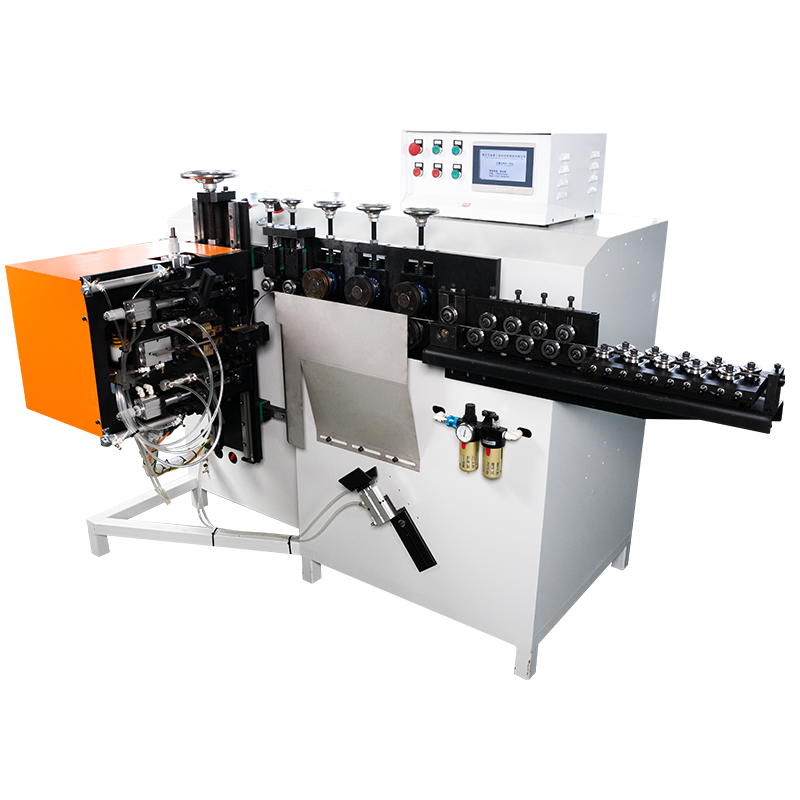
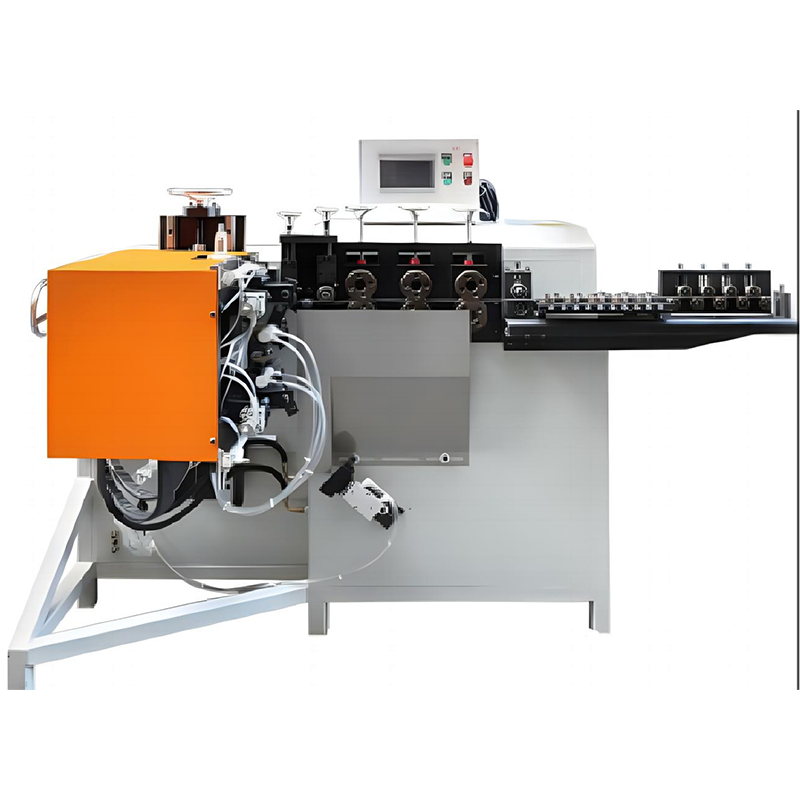
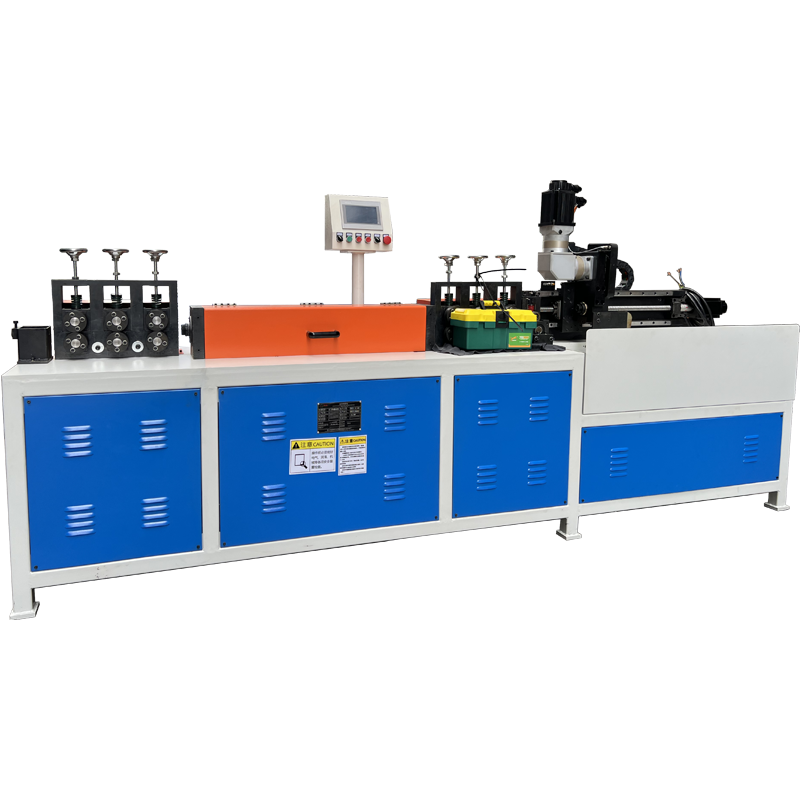
accurate spot welding machine
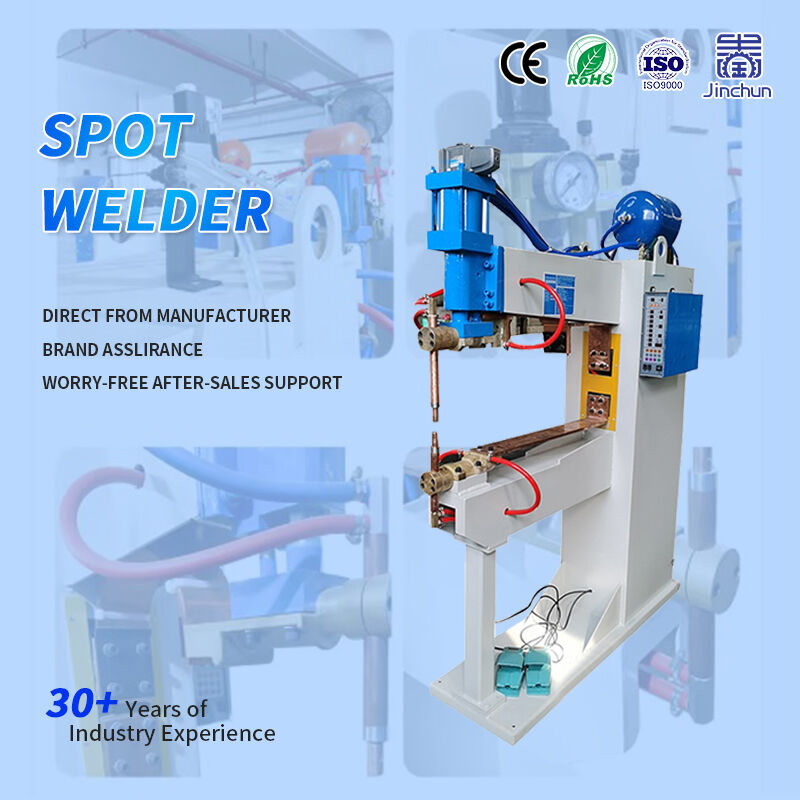
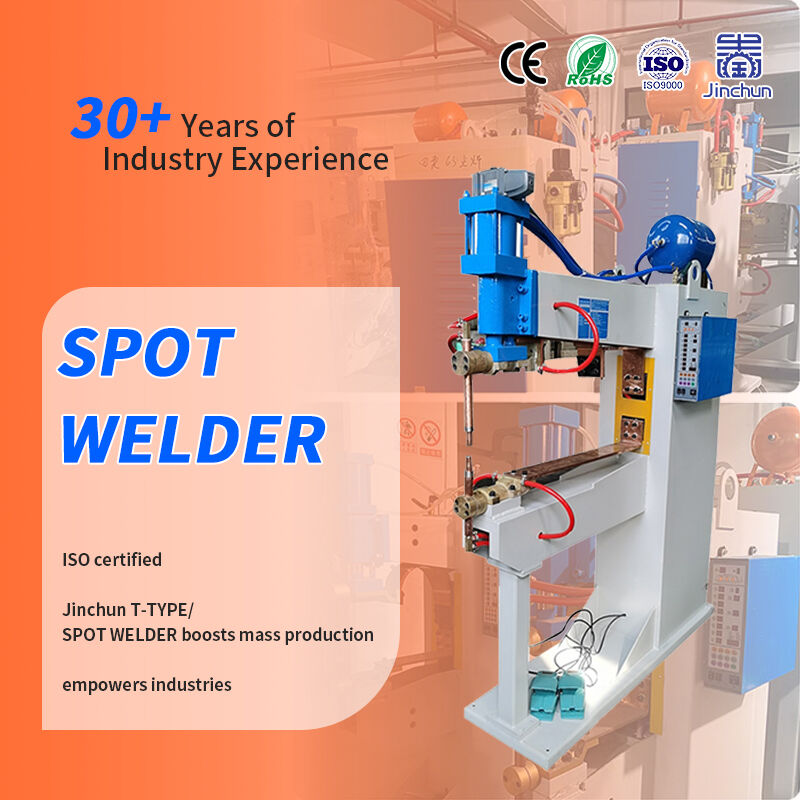
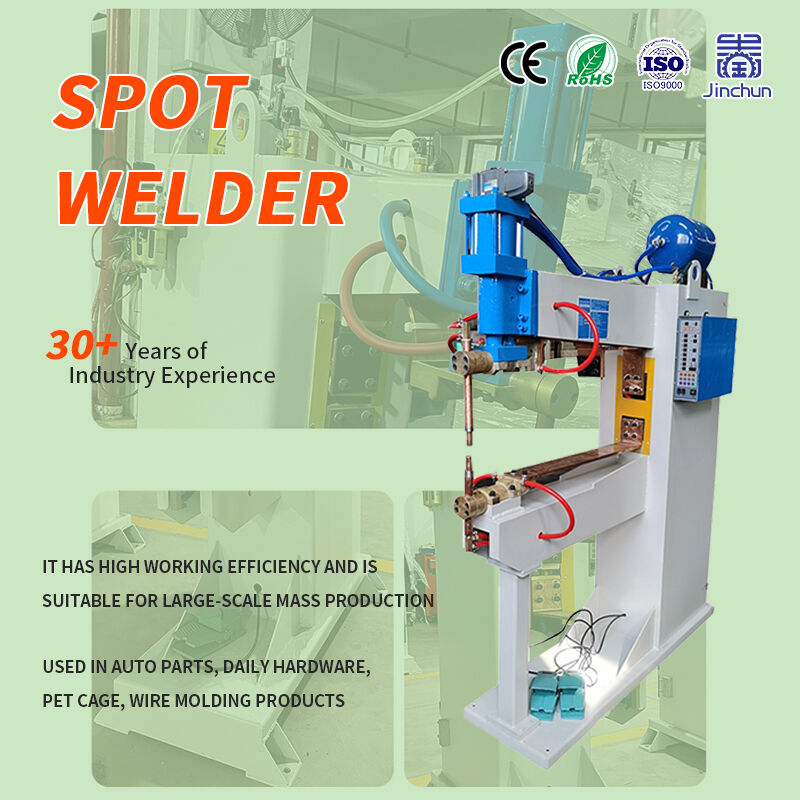
The accurate spot welding machine represents a cutting-edge solution for precision metal joining applications across diverse industries. This sophisticated equipment delivers consistent, high-quality welds through advanced control systems and precision engineering. The accurate spot welding machine utilizes electric current to create localized heat at the junction of two metal pieces, forming a strong, durable bond within seconds. Modern accurate spot welding machines incorporate digital controls that allow operators to fine-tune parameters such as current intensity, welding duration, and electrode pressure with remarkable precision. These machines feature robust construction with heavy-duty frames designed to withstand continuous industrial operation while maintaining consistent performance standards. The technological backbone of an accurate spot welding machine includes programmable logic controllers, digital displays for real-time monitoring, and servo-driven electrode positioning systems. Advanced cooling systems prevent overheating during extended use, while safety features protect operators from electrical hazards and ensure compliance with workplace safety regulations. The accurate spot welding machine typically operates on single-phase or three-phase power supplies, depending on the model and intended application. Key components include copper electrodes, transformers for current regulation, pneumatic or hydraulic pressure systems, and integrated timing controls. These machines excel in automotive manufacturing, electronics assembly, appliance production, and general metalworking applications. The accurate spot welding machine produces minimal heat distortion compared to other welding methods, making it ideal for thin materials and temperature-sensitive components. Quality control features include weld monitoring systems that detect incomplete bonds and maintain consistent joint strength. The versatility of the accurate spot welding machine extends to various material thicknesses and metal types, including steel, aluminum, and specialized alloys. Modern units offer programmable memory functions that store welding parameters for different materials and thicknesses, enabling quick setup changes and consistent results across production runs.
 EN
EN