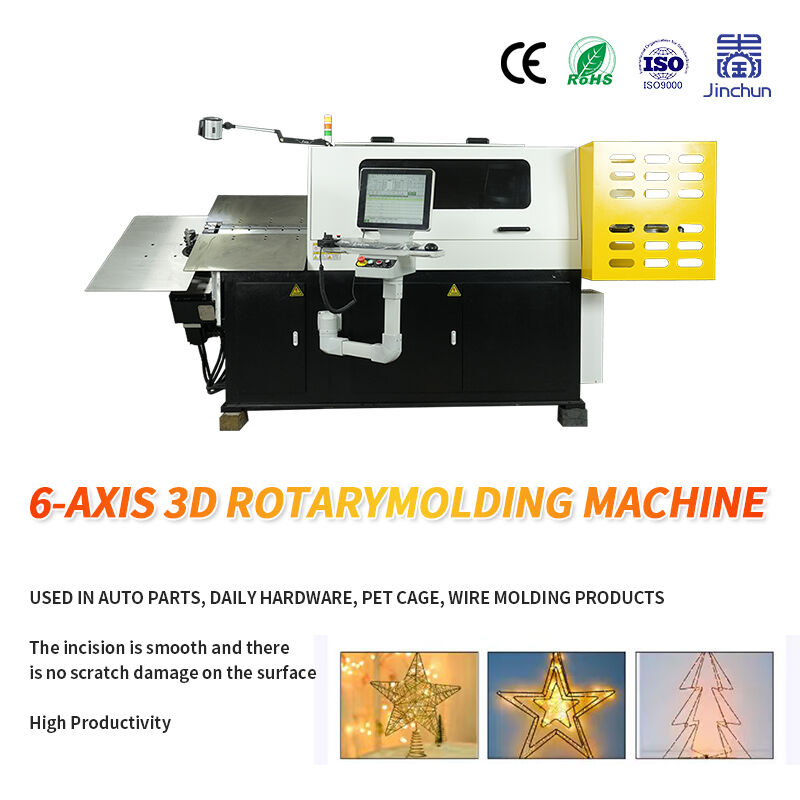
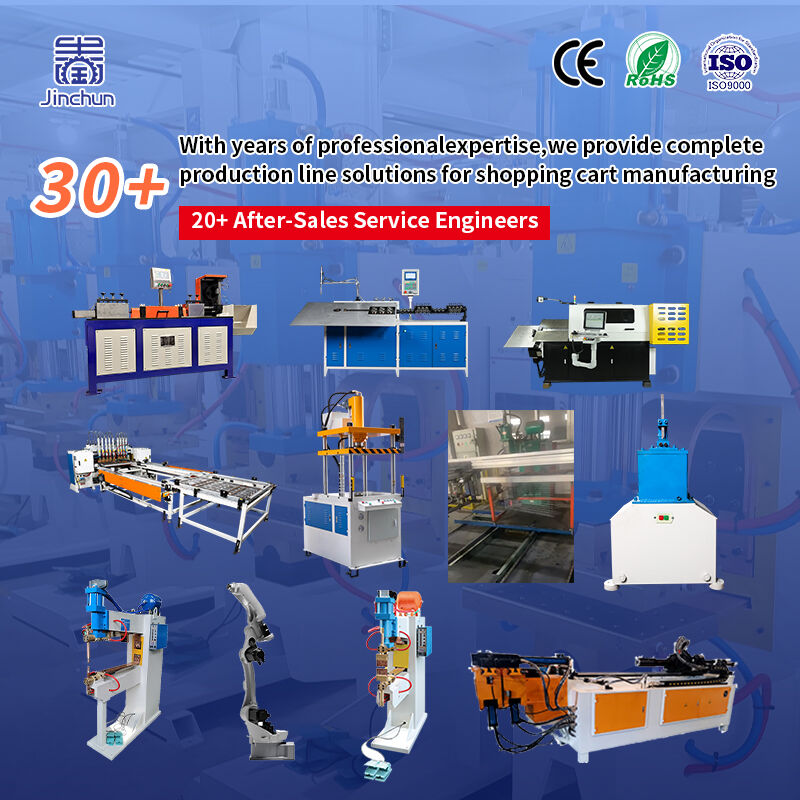
Professional Stainless Steel Spot Welding Machine - High-Precision Industrial Welding Solutions

Get a Free Quote

Our representative will contact you soon.
Email
Name
Company Name
Phone / WhatsApp
Required Product
Message
0/1000

stainless steel spot welding machine

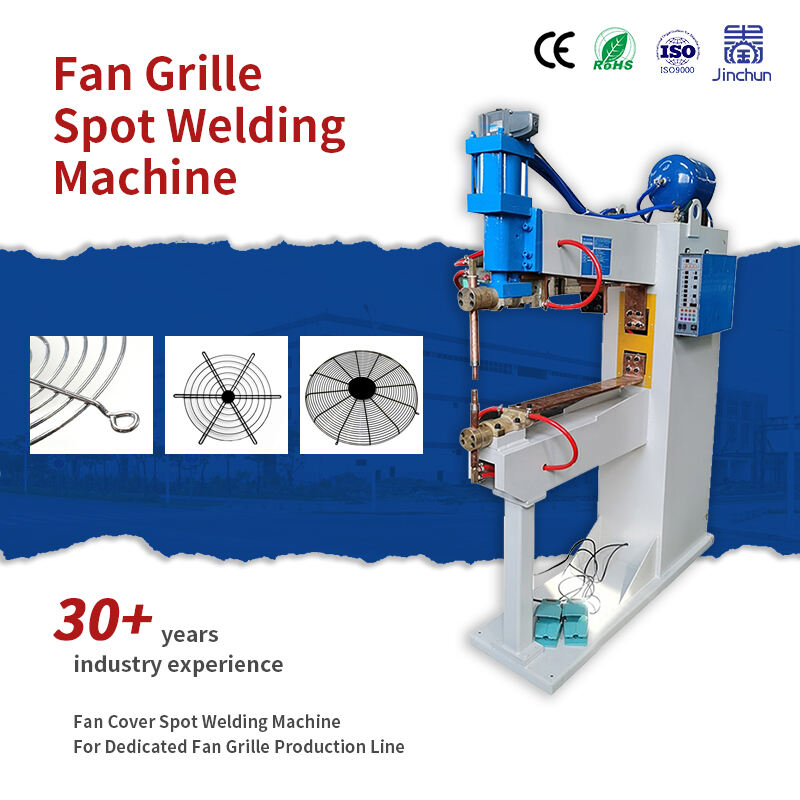
A stainless steel spot welding machine represents cutting-edge welding technology designed specifically for joining stainless steel materials with precision and reliability. This specialized equipment utilizes resistance welding principles to create strong, durable joints between metal components through controlled electrical current and pressure application. The machine operates by passing high-amperage current through copper electrodes that compress the stainless steel workpieces together, generating localized heat that melts and fuses the materials at specific contact points. This process creates robust weld nuggets that maintain the structural integrity and corrosion resistance properties inherent in stainless steel materials. The stainless steel spot welding machine incorporates advanced control systems that regulate welding parameters including current intensity, welding time, electrode pressure, and cooling cycles. These sophisticated controls ensure consistent weld quality while preventing material distortion or surface damage that could compromise the aesthetic appeal of finished products. Modern units feature digital displays, programmable settings, and automated sequences that streamline production workflows and reduce operator training requirements. The technological architecture includes transformer-based power supplies that deliver precise energy control, pneumatic or servo-driven electrode positioning systems for accurate placement, and cooling circuits that maintain optimal operating temperatures during extended production runs. Safety features encompass emergency stops, protective shields, and interlock systems that prevent accidental activation. The machine's robust construction utilizes high-grade components designed to withstand industrial environments while maintaining consistent performance over extended operational periods. Applications span across automotive manufacturing, appliance production, medical device fabrication, food processing equipment, architectural metalwork, and precision electronics assembly. The versatility of stainless steel spot welding machines makes them indispensable for manufacturers requiring reliable joining solutions for corrosion-resistant materials in demanding applications where weld quality directly impacts product performance and longevity.

Popular Products

The stainless steel spot welding machine delivers exceptional performance advantages that transform manufacturing operations and enhance product quality across diverse industrial applications. Speed represents a primary benefit as these machines complete welds in milliseconds, enabling rapid production cycles that significantly boost manufacturing throughput compared to traditional joining methods. This remarkable efficiency allows operators to process hundreds of joints per hour while maintaining consistent quality standards that meet stringent industry requirements. Cost effectiveness emerges through multiple channels including reduced labor requirements, minimal consumable materials, and lower energy consumption per weld compared to alternative joining techniques. The elimination of filler materials, flux, or shielding gases creates substantial savings while reducing inventory management complexity and storage requirements. Precision control capabilities ensure repeatable results that minimize waste and rework expenses that typically plague less sophisticated welding approaches. The automated nature of spot welding reduces dependency on highly skilled operators, allowing manufacturers to deploy workforce resources more efficiently while maintaining production quality. Environmental benefits include clean operation without harmful fumes, sparks, or waste byproducts that characterize other welding processes, creating safer working conditions and reducing ventilation system requirements. The contained nature of resistance welding eliminates fire hazards and reduces insurance premiums while supporting corporate sustainability initiatives. Quality advantages manifest through superior joint strength that often exceeds the base material properties, creating assemblies that withstand demanding service conditions without premature failure. The localized heating pattern preserves material properties in surrounding areas, preventing heat-affected zone degradation that weakens traditional welded joints. Consistency represents another crucial advantage as computer-controlled parameters eliminate human variables that introduce quality variations in manual processes. Each weld receives identical energy input, pressure application, and timing sequences that produce uniform results regardless of operator experience levels. Maintenance requirements remain minimal due to the robust construction and absence of consumable components that require frequent replacement. The enclosed electrode system protects critical components from contamination while extending service life and reducing operational interruptions. Flexibility benefits include rapid changeover capabilities between different material thicknesses and configurations, enabling efficient production of diverse product lines without extensive setup modifications.

Latest News

Maintenance Tips to Extend Your Bending Machines' Lifespan

20

Nov

Maintenance Tips to Extend Your Bending Machines' Lifespan

Manufacturing operations depend heavily on reliable equipment performance, and bending machines represent a significant investment that requires proper care to maximize return. These precision instruments form the backbone of countless production lin...
View More
Maintenance Guide for Automatic Ring Making Machine

27

Nov

Maintenance Guide for Automatic Ring Making Machine

Manufacturing operations rely heavily on precision equipment to maintain consistent production quality and efficiency. An automatic ring making machine represents a significant investment in industrial metalworking capabilities, requiring systematic ...
View More
Two Steps in One: How Circle Forming & Welding Machines Save Time

22

Dec

Two Steps in One: How Circle Forming & Welding Machines Save Time

In modern metal fabrication, efficiency is not just about speed—it's about streamlining processes. Every extra handling step, every transfer between machines, adds time, cost, and potential for error. For industries that rely on high-quality me...
View More
 Mesh Welding Machines for Efficient Poultry and Pet Cage Production

25

Feb

Mesh Welding Machines for Efficient Poultry and Pet Cage Production

In the competitive market of animal husbandry and pet supplies, the quality of wire housing can determine a brand's reputation. Whether you are manufacturing large-scale poultry layers or intricate pet crates, the demand for precision, strength, and ...
View More

Get a Free Quote

Our representative will contact you soon.
Email
Name
Company Name
Phone / WhatsApp
Required Product
Message
0/1000

stainless steel spot welding machine

Advanced Microprocessor Control System

Advanced Microprocessor Control System

The stainless steel spot welding machine incorporates state-of-the-art microprocessor control technology that revolutionizes welding precision and consistency across all production scenarios. This sophisticated control system manages every aspect of the welding process through real-time monitoring and adjustment capabilities that ensure optimal results regardless of material variations or environmental conditions. The digital interface provides operators with intuitive access to comprehensive parameter settings including current amplitude, welding duration, squeeze pressure, hold time, and cooling intervals, all displayed on high-resolution screens that eliminate guesswork and reduce setup errors. Advanced algorithms continuously analyze welding conditions and automatically compensate for variables such as electrode wear, material thickness variations, and surface contamination that traditionally compromise weld quality in conventional systems. The microprocessor stores multiple welding programs that accommodate different stainless steel grades, thickness combinations, and joint configurations, enabling rapid changeover between production runs without time-consuming manual adjustments. Quality monitoring features include real-time current and voltage tracking, weld nugget formation analysis, and automatic rejection of defective joints before they progress through subsequent manufacturing stages. This proactive quality control eliminates costly rework and ensures consistent product reliability that meets demanding industry standards. The system maintains comprehensive welding logs that document every parameter and result, supporting traceability requirements in regulated industries such as aerospace, medical devices, and food processing equipment manufacturing. Diagnostic capabilities provide predictive maintenance alerts that schedule electrode replacement, calibration procedures, and component servicing before performance degradation occurs, minimizing unplanned downtime and production interruptions. Remote connectivity options enable technicians to monitor multiple machines simultaneously, download production data for analysis, and provide technical support without physically visiting production locations. The user-friendly programming interface allows operators to create custom welding sequences that optimize cycle times while maintaining quality requirements specific to particular applications. Safety integration includes fail-safe monitoring that immediately stops operations when parameters exceed safe operating limits, protecting both equipment and personnel from potentially hazardous conditions.

Precision Electrode Positioning Technology

Precision Electrode Positioning Technology

The stainless steel spot welding machine features revolutionary electrode positioning technology that delivers unprecedented accuracy and repeatability in weld placement and pressure application. This advanced system utilizes servo-driven actuators combined with precision linear guides that position electrodes with micron-level accuracy, ensuring consistent contact geometry that directly translates to superior weld quality and structural integrity. The pneumatic or servo-electric positioning mechanisms provide variable pressure control that adapts to different material combinations and thickness variations without compromising weld penetration or surface finish quality. Sophisticated feedback systems continuously monitor electrode position, contact pressure, and alignment throughout each welding cycle, making real-time adjustments that compensate for material springback, thermal expansion, and mechanical wear that typically degrade conventional welding systems. The dual-electrode configuration ensures parallel contact surfaces that distribute welding forces evenly across the joint interface, preventing material distortion and achieving uniform current density that produces consistent weld nugget formation. Advanced electrode cooling systems maintain optimal operating temperatures that preserve electrode geometry and extend service life while preventing material pickup that can contaminate subsequent welds. The positioning system incorporates quick-change mechanisms that enable rapid electrode replacement and configuration changes to accommodate different part geometries without extensive downtime or specialized tools. Programmable approach speeds and retraction sequences optimize cycle times while preventing damage to delicate components or finished surfaces that require pristine appearance. The system automatically adjusts for electrode wear by maintaining constant pressure and contact geometry as tip dimensions change during normal operation, eliminating the need for frequent manual adjustments and ensuring consistent weld quality throughout electrode life. Alignment verification systems use precision sensors to detect misalignment conditions and automatically correct positioning errors before welding commences, preventing defective joints and material waste. The robust construction utilizes hardened steel components and precision bearings that withstand millions of operating cycles while maintaining accuracy specifications, ensuring long-term reliability in demanding production environments. Integration capabilities allow the positioning system to interface with robotic handling equipment and automated production lines, enabling lights-out manufacturing operations that maximize productivity while maintaining strict quality control standards.
Superior Joint Strength and Durability

Superior Joint Strength and Durability

The stainless steel spot welding machine produces joints that consistently exceed industry standards for strength, durability, and corrosion resistance, making it the preferred choice for critical applications where joint failure could result in safety hazards or costly product recalls. The resistance welding process creates metallurgical bonds that achieve tensile strengths equal to or greater than the base material properties, ensuring that welded assemblies perform reliably under demanding service conditions including vibration, thermal cycling, and corrosive environments. The localized heating pattern inherent in spot welding preserves the grain structure and corrosion resistance properties of stainless steel beyond the immediate weld zone, maintaining material integrity that traditional fusion welding processes often compromise through excessive heat input and extended thermal exposure. Weld nugget formation occurs through controlled melting and solidification that creates fine-grain microstructures with superior mechanical properties compared to cast or forged materials, resulting in joints that resist fatigue failure and stress corrosion cracking throughout extended service life. The absence of filler materials eliminates potential galvanic corrosion issues that can occur when dissimilar metals are introduced into the joint region, preserving the inherent corrosion resistance that makes stainless steel valuable in challenging environments. Quality control measures include destructive testing protocols that verify weld strength and penetration characteristics, ensuring that production joints meet or exceed specified performance requirements before products reach end users. The consistent heat input and cooling rates achievable through computer control eliminate the hot cracking and porosity defects commonly associated with manual welding processes, producing sound joints free from internal discontinuities that could propagate into service failures. Fatigue resistance represents a critical advantage as spot welded joints withstand millions of loading cycles without crack initiation, making them ideal for automotive components, appliance assemblies, and structural applications subjected to repetitive stresses. The smooth weld profile and minimal heat-affected zone reduce stress concentration factors that typically limit joint performance in conventional welded structures, enabling designers to optimize component geometries for weight reduction without sacrificing structural integrity. Environmental durability testing demonstrates that properly executed spot welds maintain their strength properties after exposure to salt spray, temperature extremes, and chemical exposure that would degrade mechanically fastened or adhesively bonded joints, providing long-term reliability that reduces maintenance requirements and extends product service life in demanding applications.

Get a Free Quote

Our representative will contact you soon.
Email
Name
Company Name
Phone / WhatsApp
Required Product
Message
0/1000

Get a Free Quote

Our representative will contact you soon.
Email
Name
Company Name
Phone / WhatsApp
Required Product
Message
0/1000