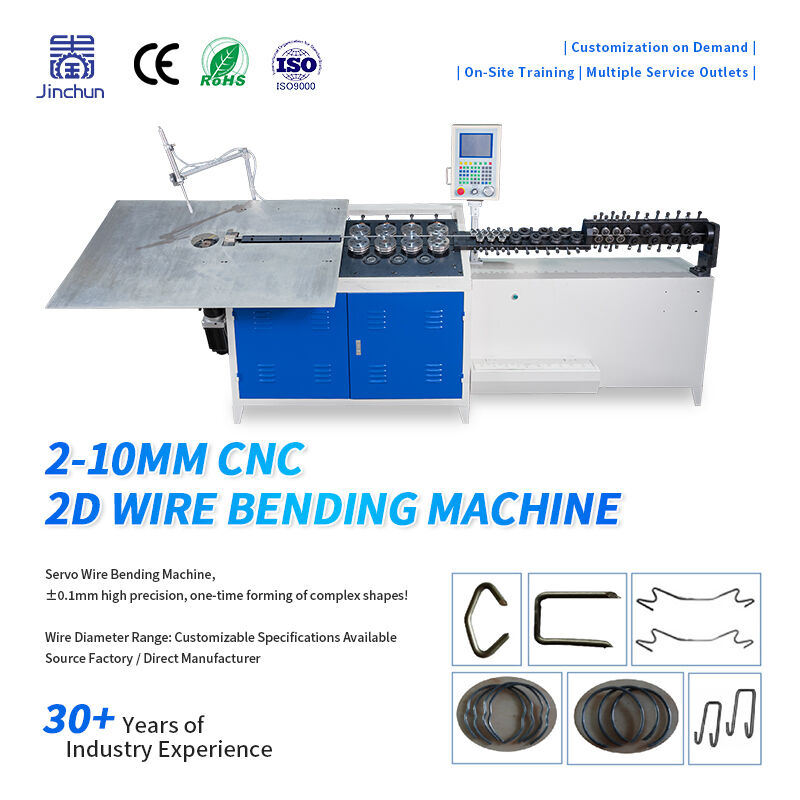
wire spot welding machine
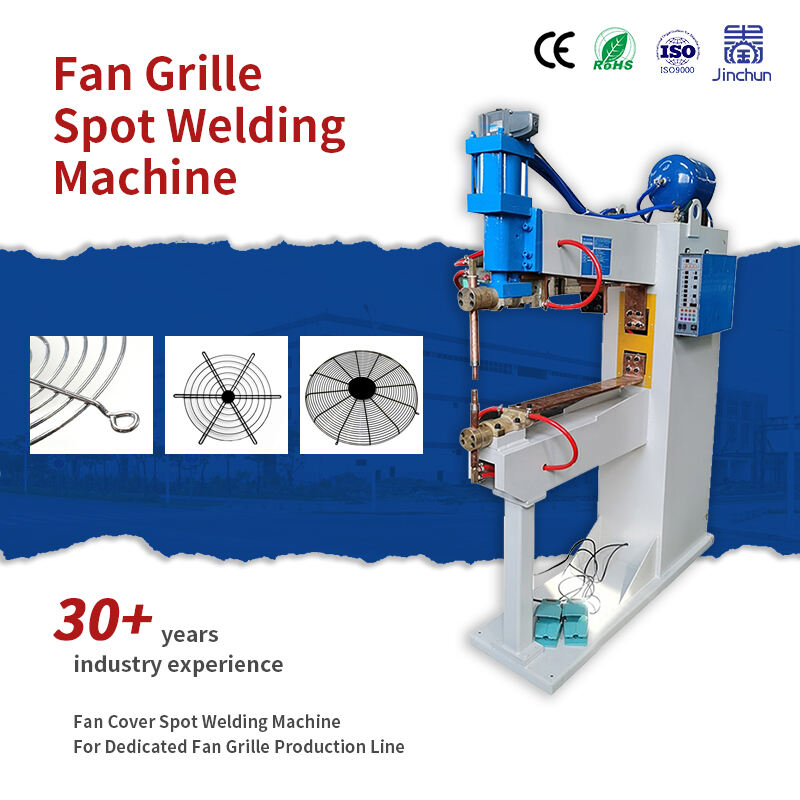
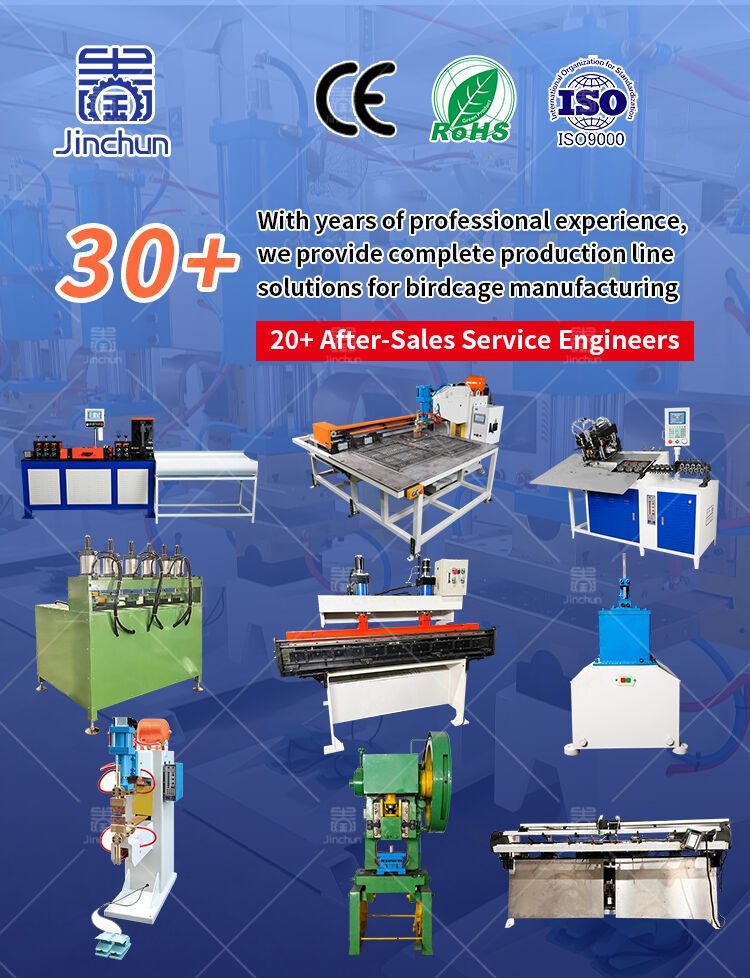
A wire spot welding machine represents a sophisticated piece of industrial equipment designed specifically for creating precise, localized welds on various metal components using wire electrodes. This specialized welding technology operates by applying concentrated electrical current through copper or copper-alloy wire electrodes to generate intense heat at specific contact points, effectively fusing metal surfaces together. The wire spot welding machine utilizes resistance welding principles, where electrical resistance converts energy into heat, creating temperatures sufficient to melt and join metallic materials at designated spots. Modern wire spot welding machines incorporate advanced control systems that regulate current flow, timing sequences, and pressure application with exceptional accuracy. These machines feature programmable controllers that allow operators to customize welding parameters based on material thickness, wire specifications, and desired joint strength requirements. The equipment typically includes hydraulic or pneumatic pressure systems that ensure consistent electrode contact and proper force distribution during the welding process. Wire spot welding machines excel in processing thin to medium-thickness metals, including steel sheets, aluminum panels, and various alloy combinations commonly used in manufacturing environments. The technology supports both single-point and multi-point welding configurations, enabling simultaneous creation of multiple weld spots across larger workpieces. Temperature monitoring systems integrated within wire spot welding machines provide real-time feedback to maintain optimal welding conditions and prevent overheating that could compromise joint integrity. Safety features include protective shields, emergency stop mechanisms, and automated shut-off systems that activate when irregularities are detected during operation. The wire spot welding machine design incorporates ergonomic considerations, featuring adjustable working heights, accessible control panels, and efficient material handling capabilities that reduce operator fatigue and improve productivity rates in industrial settings.
 EN
EN