 EN
EN


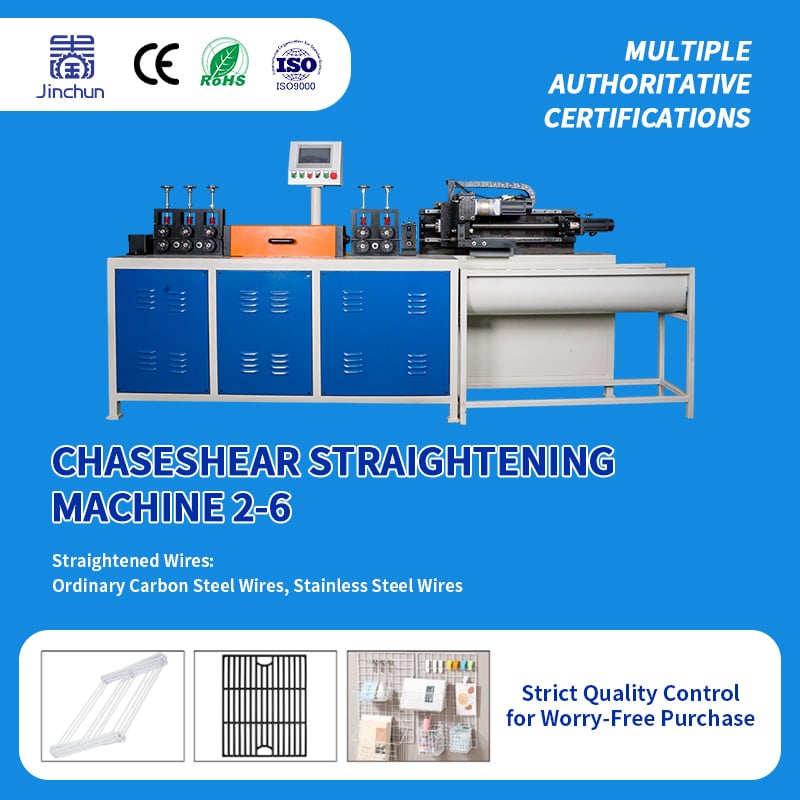
Understanding the welding machine price landscape in 2025 requires careful consideration of various factors that directly impact your investment decision. The welding industry has witnessed significant technological advancements, regulatory changes, and market fluctuations that have reshaped pricing structures across all equipment categories. Professional welders, fabrication shops, and manufacturing facilities must navigate these complexities to identify machines that deliver optimal performance while maintaining cost-effectiveness.
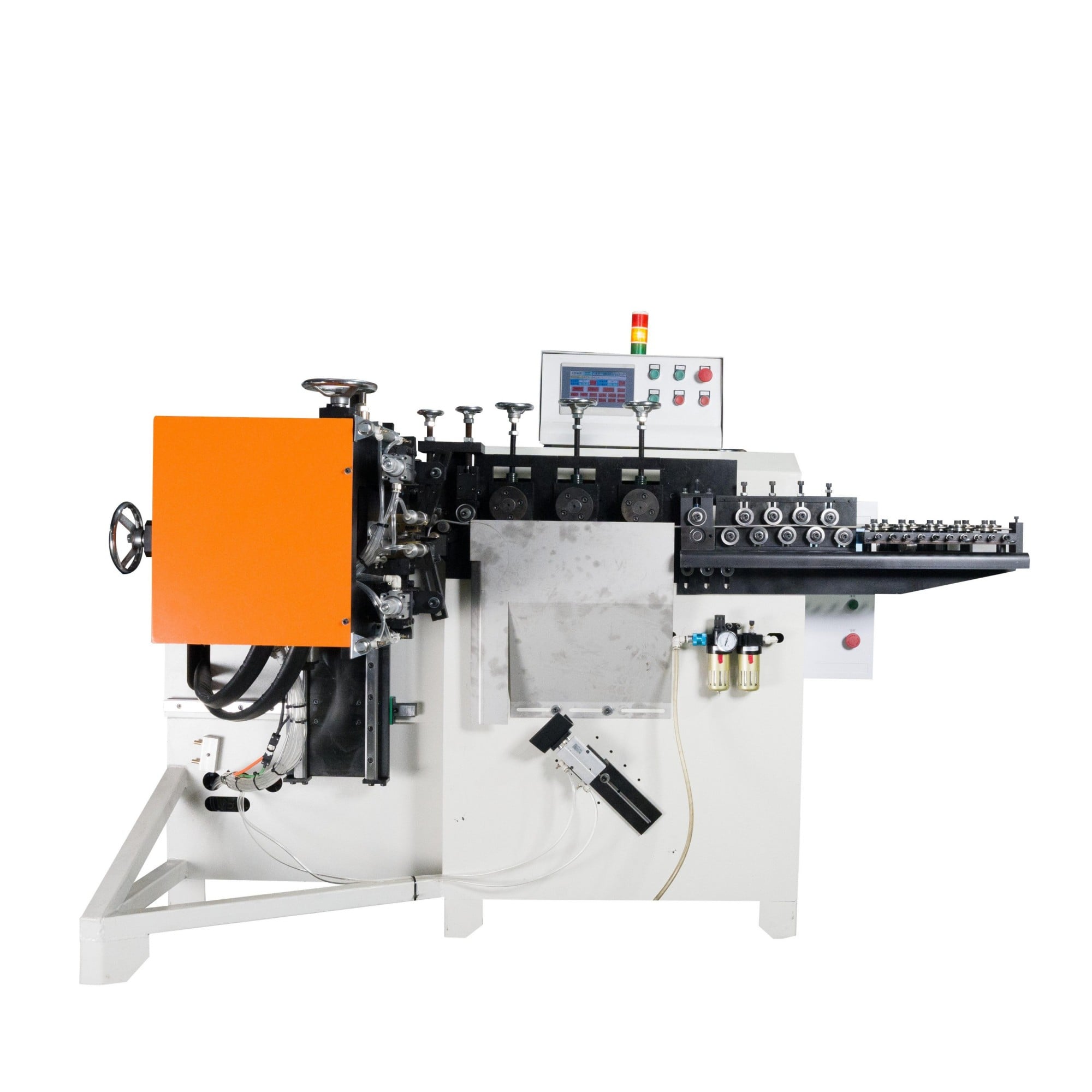
Current market analysis reveals that welding equipment prices have stabilized after the volatile period of 2022-2023, creating favorable conditions for strategic purchasing decisions. Industrial buyers now benefit from increased competition among manufacturers, resulting in more competitive pricing structures and enhanced value propositions. The emergence of advanced automation features and precision control systems has created distinct price tiers that cater to different operational requirements and budget constraints.
Professional procurement teams are increasingly focusing on total cost of ownership rather than initial purchase prices alone. This holistic approach considers factors such as energy consumption, maintenance requirements, operational efficiency, and expected service life when evaluating investment opportunities. Modern welding systems offer sophisticated diagnostic capabilities and predictive maintenance features that significantly reduce long-term operational costs despite potentially higher upfront investments.
Market Overview and Pricing Trends
Industrial Segment Analysis
The industrial welding segment continues to dominate market value, representing approximately 65% of total equipment sales by revenue. Heavy-duty welding systems designed for continuous operation typically command premium pricing due to their robust construction, advanced control systems, and specialized application capabilities. Manufacturing facilities in automotive, aerospace, and shipbuilding industries drive demand for high-performance equipment that justifies substantial capital investments through productivity gains and quality improvements.
Enterprise-level welding solutions feature sophisticated process control algorithms, real-time monitoring capabilities, and integration with manufacturing execution systems. These advanced features contribute to higher welding machine price points but deliver measurable returns through reduced rework rates, improved consistency, and enhanced production throughput. Leading manufacturers offer comprehensive support packages that include training, technical assistance, and performance optimization services.
Technological Innovation Impact
Recent technological breakthroughs have introduced new pricing dynamics across the welding equipment market. Inverter-based power sources have become standard in mid-range and premium segments, offering superior arc characteristics and energy efficiency compared to traditional transformer-based designs. These innovations have created clear performance differentiation that justifies price premiums while delivering tangible operational benefits.
Digital control interfaces and cloud connectivity features represent emerging value propositions that influence purchasing decisions. Smart welding systems provide data analytics capabilities, remote monitoring functionality, and automated parameter adjustment based on real-time feedback. While these features increase initial equipment costs, they enable predictive maintenance strategies and optimize consumable usage patterns that reduce overall operating expenses.
Equipment Categories and Price Ranges
Entry-Level Systems
Basic welding machines designed for light-duty applications and small-scale operations typically range from $500 to $3,000, depending on power output and included features. These systems target workshops, repair facilities, and educational institutions that require reliable performance for intermittent use. Standard features include basic process controls, thermal protection, and compatibility with common consumables and accessories.
Entry-level equipment manufacturers focus on delivering essential functionality while maintaining competitive pricing through streamlined designs and efficient production processes. Quality control standards ensure consistent performance within specified operational parameters, though advanced features like synergic control or adaptive arc management may not be available. These systems provide excellent value for applications that do not require continuous duty cycles or specialized process capabilities.
Professional-Grade Equipment
Mid-range welding systems priced between $3,000 and $15,000 offer enhanced performance characteristics suitable for professional fabrication work and moderate production environments. These machines incorporate advanced power supply technologies, improved duty cycles, and expanded process versatility that supports diverse application requirements. Professional-grade equipment typically includes digital displays, preset welding programs, and enhanced operator safety features.
Manufacturing quality and component specifications in this price segment reflect the demanding requirements of commercial applications. Robust construction materials, precision-engineered components, and rigorous testing protocols ensure reliable operation under challenging conditions. Extended warranty coverage and comprehensive technical support demonstrate manufacturer confidence in product durability and performance consistency.
Precision Welding Solutions
Specialized Applications
High-precision welding applications in electronics, medical device manufacturing, and aerospace require specialized equipment that commands premium pricing due to exceptional accuracy requirements and stringent quality standards. welding machine price considerations for precision applications must account for advanced control systems, superior arc stability, and micron-level positioning accuracy that enable consistent results on critical components.
Precision welding systems incorporate sophisticated feedback mechanisms, closed-loop control algorithms, and specialized process monitoring capabilities that ensure repeatable results within extremely tight tolerances. These advanced features require extensive research and development investments that are reflected in equipment pricing, though the resulting quality improvements and reduced rejection rates often justify the additional costs.
Automation Integration
Automated welding solutions represent the highest price tier in the market, with complete systems ranging from $50,000 to several hundred thousand dollars depending on complexity and production capacity. These installations combine precision welding equipment with robotic positioning systems, advanced sensors, and intelligent process control software that enables lights-out manufacturing capabilities.
Investment in automated welding technology delivers substantial returns through increased production rates, improved quality consistency, and reduced labor requirements. Sophisticated programming interfaces allow operators to develop complex welding sequences while built-in quality monitoring systems provide real-time feedback on process parameters and joint quality. Integration with enterprise resource planning systems enables comprehensive production tracking and optimization.
Cost-Benefit Analysis Framework
Total Cost of Ownership
Comprehensive cost analysis extends beyond initial purchase prices to include operational expenses, maintenance requirements, consumable costs, and productivity impacts over the equipment's service life. Energy-efficient power supplies can reduce electrical consumption by 20-30% compared to older technologies, generating significant savings in facilities with high utilization rates. Modern welding systems also optimize consumable usage through precise parameter control and reduced spatter generation.
Preventive maintenance programs and component replacement schedules directly impact long-term ownership costs. Premium welding equipment typically features modular designs that simplify maintenance procedures and reduce service time requirements. Diagnostic capabilities and prognostic monitoring systems enable condition-based maintenance strategies that minimize unexpected downtime while extending component service life.
Productivity Considerations
Advanced welding systems enhance productivity through faster travel speeds, reduced setup times, and improved first-pass success rates that minimize rework requirements. Automated parameter adjustment and adaptive control systems enable less experienced operators to achieve consistent results, reducing training requirements and improving overall output quality. These productivity benefits often justify higher initial investments through shortened payback periods.
Quality improvements achieved through precision welding equipment reduce inspection requirements, minimize rejection rates, and enhance customer satisfaction levels. Consistent weld quality also reduces warranty claims and field service requirements that can significantly impact profitability. Advanced process monitoring capabilities provide documentation and traceability features that support quality management systems and regulatory compliance requirements.
Regional Market Variations
Geographic Pricing Factors
Regional variations in welding machine price structures reflect differences in manufacturing costs, import duties, distribution networks, and local market conditions. Established manufacturing regions often offer more competitive pricing due to proximity to component suppliers and efficient logistics networks. However, emerging markets may experience higher prices due to limited distribution infrastructure and smaller market volumes that reduce economies of scale.
Currency fluctuations and international trade policies significantly influence equipment pricing in global markets. Manufacturers often adjust pricing strategies to accommodate exchange rate variations and tariff changes that affect import costs. Local assembly operations and regional sourcing initiatives help stabilize pricing while providing faster delivery times and enhanced customer support capabilities.
Market Competition Dynamics
Competitive pressure among welding equipment manufacturers has intensified in recent years, leading to more aggressive pricing strategies and enhanced value propositions. New market entrants challenge established brands through innovative technologies and competitive pricing, while traditional manufacturers respond with improved product features and comprehensive service offerings. This competitive environment benefits customers through increased choice and better value propositions.
Strategic partnerships between equipment manufacturers and consumable suppliers create bundled offerings that provide cost advantages for high-volume users. These collaborative arrangements often include performance guarantees, technical support services, and preferential pricing on replacement parts and consumables. Such partnerships demonstrate the evolving nature of customer relationships in the welding industry.
Future Market Outlook
Technology Development Trends
Emerging technologies including artificial intelligence, machine learning, and advanced materials science are driving the next generation of welding equipment development. These innovations promise enhanced process control, improved energy efficiency, and expanded application capabilities that will influence future pricing structures. Early adoption of breakthrough technologies typically commands premium pricing until manufacturing volumes increase and production costs decline.
Sustainability initiatives are increasingly influencing equipment design and pricing considerations. Energy-efficient power supplies, reduced consumable waste, and extended equipment service life contribute to lower environmental impact while often providing economic benefits. Green technology premiums are gradually decreasing as environmental features become standard rather than optional enhancements.
Market Expansion Opportunities
Growing demand in emerging markets and expanding applications in new industries create opportunities for volume growth that can support more competitive pricing strategies. Infrastructure development projects, renewable energy installations, and advanced manufacturing initiatives drive sustained demand for welding equipment across diverse market segments. These growth opportunities encourage continued investment in research and development that enhances product performance while controlling costs.
Digitalization trends enable new business models including equipment-as-a-service offerings and performance-based contracts that shift focus from initial purchase price to operational value. These innovative approaches provide customers with access to advanced technology while reducing capital investment requirements. Manufacturers benefit through recurring revenue streams and closer customer relationships that support continuous improvement initiatives.
FAQ
What factors most significantly influence welding equipment pricing in 2025
The primary factors affecting welding machine price include power output capacity, duty cycle ratings, process versatility, control system sophistication, and automation integration capabilities. Advanced features such as digital interfaces, synergic control, and data connectivity add value but increase costs. Manufacturing quality, brand reputation, and warranty coverage also contribute to price variations across different market segments.
How do total ownership costs compare between different price categories
While premium welding equipment requires higher initial investment, total ownership costs often favor higher-quality systems due to improved energy efficiency, reduced maintenance requirements, and enhanced productivity. Entry-level systems may appear cost-effective initially but can generate higher operating expenses through increased consumable usage, more frequent repairs, and lower productivity rates. Comprehensive cost analysis should consider all operational factors over the equipment's expected service life.
What financing options are available for welding equipment purchases
Most manufacturers and distributors offer flexible financing solutions including equipment leasing, rental programs, and extended payment terms that help manage cash flow requirements. Government incentives for manufacturing investment and energy-efficient equipment may provide additional cost benefits. Equipment-as-a-service models are becoming increasingly popular, allowing access to advanced technology without large capital commitments while including maintenance and support services.
How should buyers evaluate return on investment for welding equipment
ROI evaluation should consider productivity improvements, quality enhancements, labor cost reductions, and operational efficiency gains in addition to direct cost savings. Quantifiable benefits include increased throughput, reduced rework rates, lower consumable costs, and decreased downtime. Intangible benefits such as improved customer satisfaction, enhanced capabilities, and competitive advantages also contribute to long-term value creation and should be included in comprehensive investment analysis.