 EN
EN


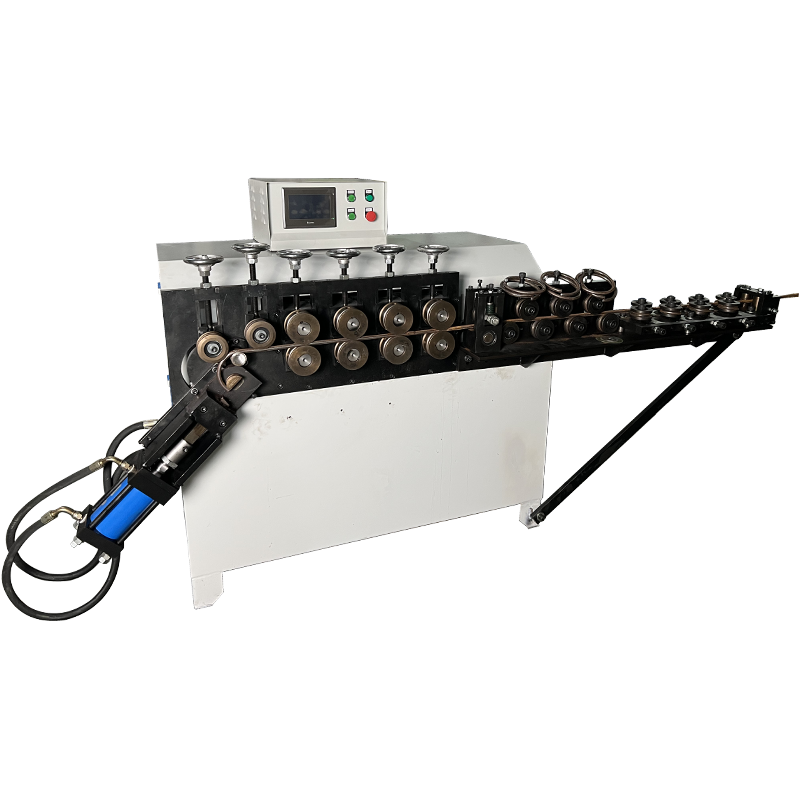
Manufacturing operations rely heavily on precision equipment to maintain consistent production quality and efficiency. An automatic ring making machine represents a significant investment in industrial metalworking capabilities, requiring systematic maintenance protocols to ensure optimal performance throughout its operational lifespan. Proper maintenance procedures not only extend equipment longevity but also minimize unexpected downtime that can severely impact production schedules and profitability. Understanding the comprehensive maintenance requirements for these sophisticated machines enables operators to maximize their return on investment while maintaining the highest standards of product quality.
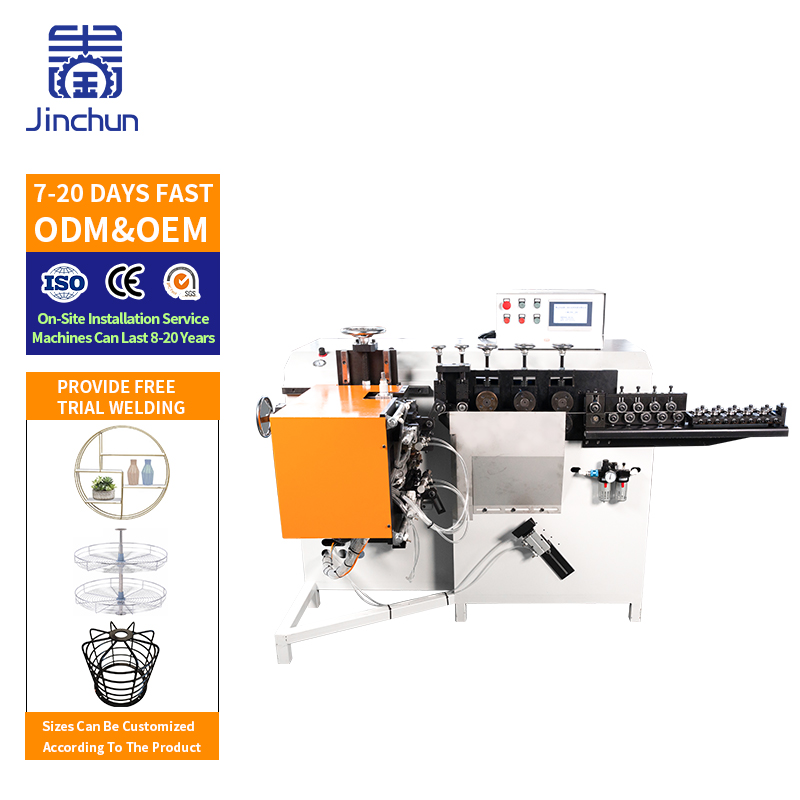
Industrial ring manufacturing demands precise control over forming processes, welding parameters, and material handling systems. Modern automatic ring making machines incorporate advanced technologies including programmable logic controllers, servo motors, and sophisticated sensor networks that monitor critical operational parameters in real-time. These complex systems require specialized knowledge and systematic approaches to maintenance that go beyond basic lubrication and cleaning procedures commonly associated with simpler manufacturing equipment.
Essential Daily Maintenance Procedures
Pre-Operation Inspection Protocol
Beginning each production shift with a comprehensive pre-operation inspection establishes the foundation for reliable equipment performance. Operators must visually examine all safety guards, emergency stops, and protective barriers to ensure they function correctly and remain properly positioned. This inspection should include verification that all warning labels and operational placards remain clearly visible and undamaged, as these provide critical safety information during normal operations and emergency situations.
The electrical control panel requires careful examination for any signs of overheating, unusual odors, or visible damage to switches and indicators. Operators should verify that all status lights illuminate according to the manufacturer specifications and that no error codes display on digital readouts. Any abnormal conditions discovered during this preliminary inspection must be addressed before beginning production activities to prevent potential equipment damage or safety hazards.
Lubrication System Verification
Proper lubrication forms the cornerstone of mechanical system longevity in automatic ring making machines. Daily verification of lubricant levels in all designated reservoirs ensures that moving components receive adequate protection against wear and friction-related damage. Operators should check automatic lubrication system functionality by observing lubricant flow indicators and confirming that scheduled lubrication cycles complete successfully without error conditions.
Manual lubrication points require attention using manufacturer-specified lubricants applied in precise quantities according to established schedules. Over-lubrication can attract contaminants and create operational problems, while insufficient lubrication leads to premature component wear and potential catastrophic failures. Maintaining detailed lubrication logs helps identify consumption patterns and potential system issues before they result in equipment downtime.
Weekly Comprehensive System Checks
Mechanical Component Assessment
Weekly maintenance procedures for an automatic ring making machine focus on thorough mechanical system evaluation to identify potential issues before they compromise production quality or equipment reliability. This assessment begins with careful inspection of all drive belts for proper tension, alignment, and surface condition. Worn or improperly tensioned belts can cause irregular motion profiles that negatively impact ring formation accuracy and consistency.
Bearing assemblies throughout the machine require evaluation for abnormal noise, vibration, or temperature conditions that may indicate developing problems. Using precision measuring instruments, technicians should verify that critical dimensional tolerances remain within manufacturer specifications. Any deviations from established parameters warrant immediate investigation and corrective action to prevent production quality issues or equipment damage.
Electrical System Diagnostics
Electrical system diagnostics encompass comprehensive testing of control circuits, sensor networks, and power distribution components that enable precise automatic ring making machine operation. Technicians should verify proper voltage levels at all connection points and confirm that current draw measurements fall within normal operating ranges for each motor and actuator. Abnormal electrical readings often provide early warning signs of developing component failures that can be addressed proactively.
Sensor calibration verification ensures that position feedback, force monitoring, and quality control systems maintain accuracy required for consistent ring production. This process involves comparing sensor outputs against known reference standards and adjusting calibration parameters as necessary to maintain system precision. Documentation of all electrical measurements creates valuable trending data that helps predict maintenance requirements and optimize service scheduling.
Monthly Deep Maintenance Activities
Welding System Maintenance
The welding system represents one of the most critical components in automatic ring making machine operations, requiring specialized monthly maintenance procedures to ensure consistent weld quality and equipment longevity. Electrode inspection and replacement schedules must align with production volumes and material specifications to maintain optimal welding parameters. Worn electrodes produce inconsistent welds that compromise ring strength and appearance, potentially resulting in customer quality complaints or product failures.
Welding transformer maintenance includes cleaning cooling passages, verifying insulation integrity, and testing output characteristics under various load conditions. Power supply components require inspection for signs of overheating, corrosion, or mechanical damage that could affect welding performance. Regular calibration of welding parameters ensures that heat input, pressure application, and timing sequences remain within optimal ranges for different ring materials and geometries.
Hydraulic and Pneumatic System Service
Hydraulic and pneumatic systems in automatic ring making machines require monthly service procedures that focus on fluid quality, system cleanliness, and component condition assessment. Hydraulic fluid analysis provides valuable information about system health, including contamination levels, additive depletion, and potential component wear indicators. Regular fluid sampling and laboratory analysis help determine optimal change intervals and identify developing problems before they cause system failures.
Filter replacement schedules must account for operating environment conditions and production intensity to maintain system cleanliness standards. Clogged filters restrict fluid flow and increase system pressures, leading to reduced performance and accelerated component wear. Pneumatic system maintenance includes moisture trap servicing, air filter replacement, and pressure regulator calibration to ensure consistent actuator performance and prevent contamination-related failures.
Preventive Maintenance Scheduling Strategies
Condition-Based Monitoring Implementation
Modern automatic ring making machine maintenance strategies increasingly rely on condition-based monitoring technologies that provide real-time equipment health assessment capabilities. Vibration analysis systems detect developing mechanical problems in rotating equipment before they progress to failure conditions, enabling planned maintenance activities that minimize production disruption. Temperature monitoring of critical components helps identify lubrication deficiencies, electrical problems, or abnormal loading conditions that require immediate attention.
Integration of monitoring systems with maintenance management software creates comprehensive equipment health databases that support predictive maintenance decision-making. These systems analyze trending data to identify optimal maintenance intervals, predict component replacement requirements, and optimize spare parts inventory levels. Advanced diagnostic capabilities enable maintenance teams to focus resources on equipment conditions that most significantly impact production reliability and quality.
Documentation and Record Management
Comprehensive maintenance documentation forms the foundation of effective automatic ring making machine reliability programs. Detailed maintenance logs capture critical information about service activities, component replacements, and system modifications that affect equipment performance over time. This historical data enables analysis of failure patterns, maintenance effectiveness, and equipment lifecycle costs that guide future maintenance strategy development.
Digital maintenance management systems streamline record keeping while providing powerful analytical capabilities for maintenance optimization. These platforms integrate work order management, spare parts inventory, and equipment history databases to support efficient maintenance operations. Regular review of maintenance metrics helps identify improvement opportunities and ensures that maintenance programs continue to meet evolving production requirements and reliability objectives.
Troubleshooting Common Operational Issues
Quality Control Problem Resolution
Quality control issues in automatic ring making machine operations often result from gradual equipment wear, environmental changes, or process parameter drift that occurs over extended production periods. Systematic troubleshooting approaches focus on identifying root causes rather than merely addressing symptoms to prevent recurring problems. This methodology begins with comprehensive data collection including production statistics, quality measurements, and equipment operating parameters during problem occurrences.
Correlation analysis between quality deviations and equipment conditions helps isolate potential causes and guide corrective actions. Common quality issues include dimensional variations, weld inconsistencies, and surface finish problems that may indicate specific component wear or calibration drift. Addressing these issues promptly prevents production of non-conforming products and maintains customer satisfaction levels essential for business success.
Performance Optimization Techniques
Performance optimization for automatic ring making machines involves systematic evaluation of production rates, energy consumption, and material utilization efficiency to identify improvement opportunities. Cycle time analysis helps determine whether equipment operates at design specifications or if process modifications could enhance productivity without compromising quality standards. This analysis often reveals opportunities for parameter adjustments that significantly improve overall equipment effectiveness.
Energy consumption monitoring provides insights into equipment efficiency and identifies potential mechanical or electrical problems that increase operating costs. Unusual power consumption patterns may indicate developing component failures, improper adjustments, or process inefficiencies that warrant investigation. Optimization efforts should balance production goals with equipment longevity considerations to achieve sustainable operational improvements.
FAQ
How often should hydraulic fluid be changed in an automatic ring making machine
Hydraulic fluid change intervals depend on operating conditions, fluid type, and contamination levels, but typically range from 1000 to 3000 operating hours. Regular fluid analysis provides the most accurate determination of change requirements, as contamination levels and additive depletion vary significantly based on operating environment and system cleanliness. High-temperature operations, dusty environments, or intensive production schedules may require more frequent fluid changes to maintain system reliability.
What are the most critical safety considerations during maintenance procedures
Safety considerations during automatic ring making machine maintenance include proper lockout-tagout procedures, verification of energy isolation, and use of appropriate personal protective equipment. All electrical, hydraulic, and pneumatic energy sources must be isolated and verified de-energized before beginning maintenance work. Confined space entry procedures may apply when accessing internal machine areas, and proper fall protection equipment is essential for elevated maintenance activities.
How can vibration analysis help predict maintenance requirements
Vibration analysis detects developing mechanical problems in rotating equipment by monitoring frequency signatures that indicate specific component conditions. Bearing defects, misalignment, imbalance, and gear wear each produce characteristic vibration patterns that trained analysts can identify weeks or months before component failure occurs. This early warning capability enables planned maintenance activities that prevent unexpected equipment failures and minimize production disruption.
What spare parts inventory should be maintained for optimal equipment availability
Critical spare parts inventory should include wear items like electrodes, seals, filters, and belts that require regular replacement, plus key components with long lead times or high failure impact. Analysis of equipment history helps determine optimal stock levels based on consumption rates and supplier delivery capabilities. Emergency spare parts for critical components that could cause extended downtime should be maintained even if failure probability is low, while routine consumables can often be managed with just-in-time delivery systems.
Table of Contents
- Essential Daily Maintenance Procedures
- Weekly Comprehensive System Checks
- Monthly Deep Maintenance Activities
- Preventive Maintenance Scheduling Strategies
- Troubleshooting Common Operational Issues
-
FAQ
- How often should hydraulic fluid be changed in an automatic ring making machine
- What are the most critical safety considerations during maintenance procedures
- How can vibration analysis help predict maintenance requirements
- What spare parts inventory should be maintained for optimal equipment availability