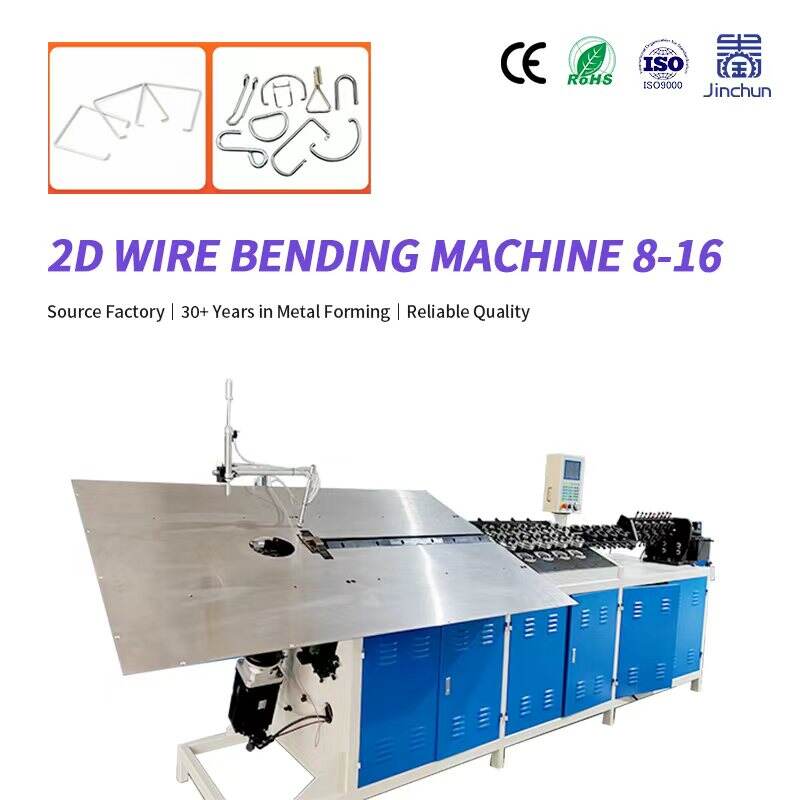
Advanced Multiaxis Wire Bending Systems: Precision Manufacturing Solutions for Complex Components

Get a Free Quote

Our representative will contact you soon.
Email
Name
Company Name
Phone / WhatsApp
Required Product
Message
0/1000

multiaxis wire bending system

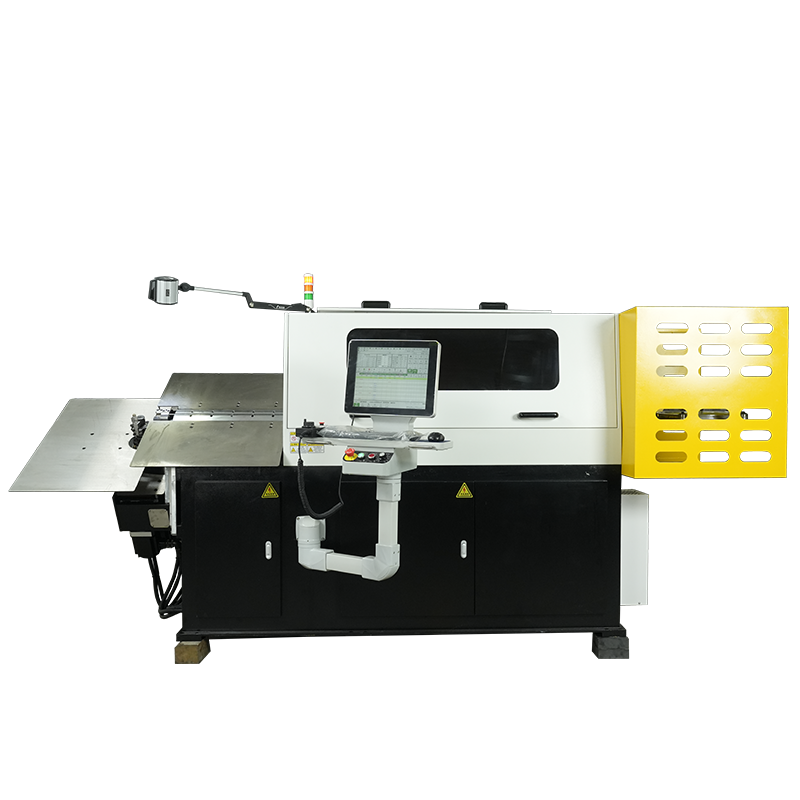
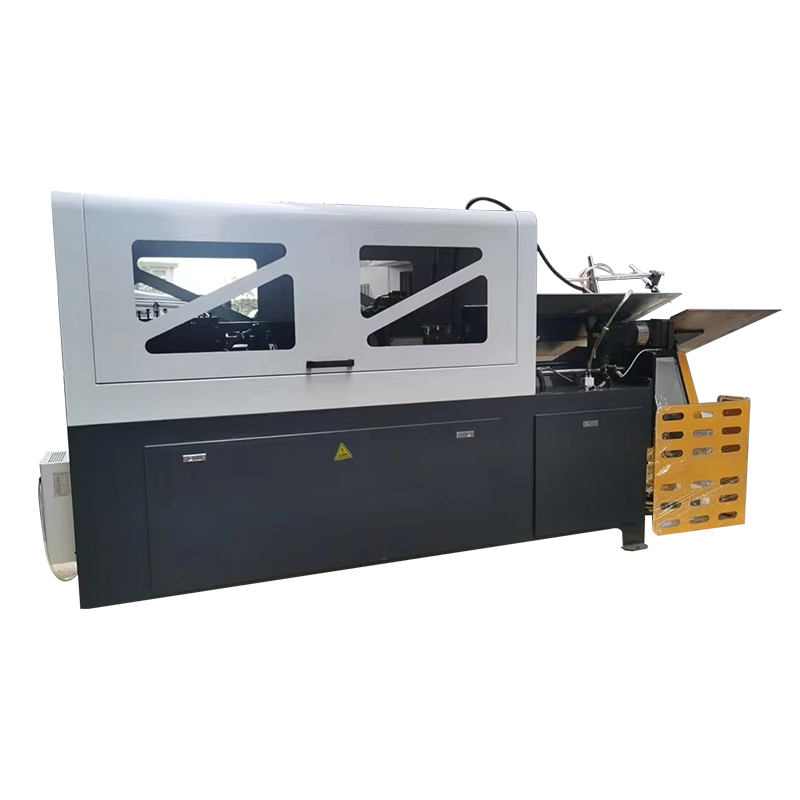
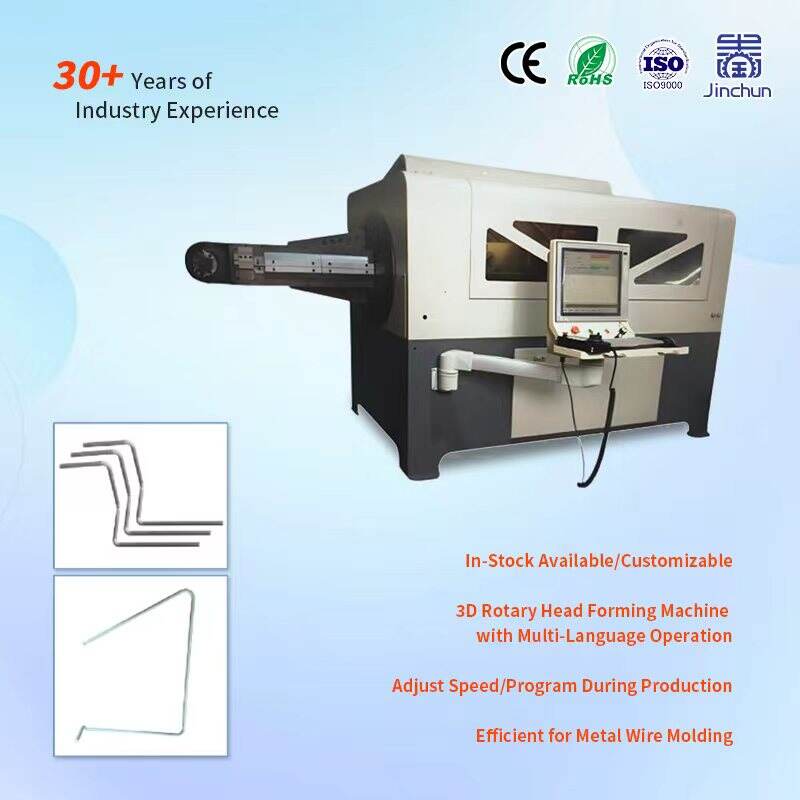
A multiaxis wire bending system represents a sophisticated manufacturing solution designed to transform straight wire into complex three-dimensional shapes with exceptional precision and repeatability. This advanced machinery utilizes computer-controlled mechanisms to manipulate wire along multiple axes simultaneously, enabling the production of intricate components that would be impossible to create using traditional single-axis bending methods. The multiaxis wire bending system incorporates servo-driven motors, precise positioning sensors, and intelligent control software to achieve accurate wire forming operations across various industries. The primary functions of a multiaxis wire bending system include precise wire feeding, controlled rotation around multiple planes, sequential bending operations, and automated part ejection. These systems can handle various wire materials including steel, aluminum, copper, and specialized alloys, with diameters ranging from thin gauge wires to heavy-duty cables. The technological features encompass programmable control interfaces that allow operators to input complex bending sequences, real-time monitoring systems that ensure quality consistency, and adaptive feedback mechanisms that compensate for material variations. Advanced multiaxis wire bending systems often integrate vision systems for quality inspection, automatic tool changing capabilities for different bending radii, and sophisticated software packages that simulate bending operations before actual production begins. The applications for multiaxis wire bending systems span numerous industries including automotive manufacturing for producing exhaust components and suspension springs, aerospace sector for creating specialized brackets and wire harnesses, furniture industry for chair frames and decorative elements, medical device manufacturing for surgical instruments and implant components, and electronics industry for connector pins and circuit components. These systems excel in producing consistent results while maintaining tight tolerances, making them essential for high-volume production environments where quality and efficiency are paramount considerations for successful manufacturing operations.

New Product Recommendations

The multiaxis wire bending system delivers substantial cost savings by eliminating manual labor requirements and reducing material waste through precise programming capabilities. Manufacturers benefit from significantly faster production cycles compared to traditional bending methods, as the automated system operates continuously without fatigue or break requirements. The enhanced precision capabilities ensure consistent part quality, reducing rejection rates and eliminating costly rework procedures that drain resources and delay delivery schedules. Companies experience improved safety conditions since operators work with automated machinery rather than manual tools, reducing workplace injury risks and associated insurance costs. The flexibility offered by multiaxis wire bending systems allows manufacturers to quickly adapt to changing product designs without investing in new tooling or equipment modifications. This adaptability proves invaluable when customers request design changes or when introducing new product lines to market segments. The system's ability to store multiple program configurations enables rapid switching between different part specifications, maximizing equipment utilization and minimizing setup time between production runs. Quality control becomes more reliable with integrated monitoring systems that detect deviations immediately, preventing defective parts from progressing through subsequent manufacturing stages. The consistent repeatability achieved through computer-controlled operations ensures every component meets exact specifications, building customer confidence and reducing warranty claims. Energy efficiency represents another significant advantage, as modern multiaxis wire bending systems consume less power than multiple separate machines performing individual operations. The compact footprint of these systems optimizes factory floor space utilization, allowing manufacturers to increase production capacity without expanding facility size. Maintenance requirements decrease substantially due to fewer moving parts and advanced diagnostic systems that predict service needs before breakdowns occur. The integration capabilities with existing manufacturing execution systems enable seamless data flow throughout production processes, improving inventory management and production scheduling accuracy. Training requirements for operators become simplified through intuitive user interfaces and comprehensive documentation, reducing the time needed to achieve proficiency. The scalability of multiaxis wire bending systems accommodates business growth, allowing manufacturers to increase production volumes without proportional increases in labor costs or facility requirements.

Tips And Tricks

2025 Welding Machine Price Guide: Best Value for Money

20

Nov

2025 Welding Machine Price Guide: Best Value for Money

Understanding the welding machine price landscape in 2025 requires careful consideration of various factors that directly impact your investment decision. The welding industry has witnessed significant technological advancements, regulatory changes, ...
View More
Wire Straightening Machine: How to Choose the Best One

20

Nov

Wire Straightening Machine: How to Choose the Best One

Manufacturing industries rely heavily on precise wire processing equipment to maintain product quality and operational efficiency. When wire materials arrive coiled or bent from suppliers, achieving the straightness required for downstream applicatio...
View More
How a 3D Bending Machine Can Revolutionize Your Metal Fabrication Process

05

Feb

How a 3D Bending Machine Can Revolutionize Your Metal Fabrication Process

In the competitive landscape of metal fabrication, precision and speed are the dual pillars of success. Traditional manual bending methods often struggle with complex spatial geometries and consistency. Enter the 3D Wire Bending Machine (Rotary Head ...
View More
 Mesh Welding Machines for Efficient Poultry and Pet Cage Production

25

Feb

Mesh Welding Machines for Efficient Poultry and Pet Cage Production

In the competitive market of animal husbandry and pet supplies, the quality of wire housing can determine a brand's reputation. Whether you are manufacturing large-scale poultry layers or intricate pet crates, the demand for precision, strength, and ...
View More

Get a Free Quote

Our representative will contact you soon.
Email
Name
Company Name
Phone / WhatsApp
Required Product
Message
0/1000

multiaxis wire bending system

Advanced Multi-Axis Control Technology

Advanced Multi-Axis Control Technology

The revolutionary multi-axis control technology integrated within modern multiaxis wire bending systems represents a quantum leap forward in precision manufacturing capabilities. This sophisticated control mechanism operates through synchronized servo motors that work in perfect harmony to manipulate wire materials across six or more axes simultaneously, creating complex three-dimensional geometries that were previously impossible to achieve with conventional equipment. The control system utilizes advanced algorithms that calculate optimal bending sequences, taking into account material properties, springback characteristics, and geometric constraints to deliver consistently accurate results. The technology incorporates real-time feedback sensors that continuously monitor wire position, bending force, and angular displacement throughout each operation, making instantaneous adjustments to maintain precise tolerances. This level of control enables manufacturers to produce intricate components such as automotive suspension springs, medical device components, and aerospace brackets with tolerances measured in hundredths of millimeters. The programming interface allows engineers to input complex bending sequences using CAD data directly, eliminating translation errors and reducing setup time significantly. The system's ability to perform multiple bending operations in a single continuous cycle dramatically improves production efficiency while maintaining exceptional quality standards. Advanced interpolation capabilities ensure smooth transitions between different bending radii and angles, preventing material stress concentrations that could lead to premature failure. The control technology also features adaptive learning algorithms that analyze historical production data to optimize bending parameters automatically, continuously improving process efficiency and quality outcomes. Emergency stop functions and safety interlocks protect both operators and equipment from potential hazards, while diagnostic systems provide detailed feedback about system performance and maintenance requirements. This comprehensive control technology transforms the multiaxis wire bending system from a simple forming tool into an intelligent manufacturing solution that delivers superior results with minimal operator intervention.
Exceptional Flexibility and Rapid Changeover Capabilities

Exceptional Flexibility and Rapid Changeover Capabilities

The exceptional flexibility and rapid changeover capabilities of multiaxis wire bending systems provide manufacturers with unprecedented adaptability in today's fast-paced production environments. This remarkable versatility stems from the system's modular design philosophy, which allows quick reconfiguration for different part geometries without extensive retooling or setup procedures. The rapid changeover functionality enables manufacturers to switch between completely different product lines within minutes rather than hours, maximizing equipment utilization and responding quickly to customer demands. The flexibility extends to material compatibility, as these systems accommodate various wire types including stainless steel, carbon steel, aluminum, copper, and exotic alloys across a wide range of diameters and temper conditions. Quick-change tooling systems allow operators to modify bending radii and forming configurations rapidly using standardized tool holders and positioning mechanisms. The programmable nature of multiaxis wire bending systems means that complex bending sequences can be stored digitally and recalled instantly, eliminating the need for physical templates or manual setup procedures. This capability proves especially valuable for manufacturers serving diverse markets or producing seasonal products with varying demand patterns. The system's ability to handle both high-volume production runs and small batch custom orders makes it an ideal solution for job shops and contract manufacturers who require maximum operational flexibility. Advanced software capabilities enable simulation of new part designs before actual production begins, allowing engineers to optimize bending sequences and identify potential issues without consuming materials or machine time. The integration of automatic tool length measurement and compensation systems ensures consistent part quality regardless of tooling changes or wear conditions. Recipe management functions allow operators to store and organize hundreds of different part programs, complete with all necessary parameters and quality specifications. The flexibility also extends to production scheduling, as the rapid changeover capabilities enable manufacturers to implement just-in-time production strategies that reduce inventory costs and improve cash flow. This exceptional adaptability positions the multiaxis wire bending system as a strategic manufacturing asset that enhances competitiveness across multiple market segments while providing the agility needed to respond to changing customer requirements effectively.
Superior Quality and Consistency Through Automated Precision

Superior Quality and Consistency Through Automated Precision

Superior quality and consistency represent the cornerstone benefits of multiaxis wire bending systems, delivering manufacturing excellence that exceeds traditional forming methods by substantial margins. The automated precision capabilities eliminate human variability factors that typically introduce inconsistencies in manual or semi-automated operations, ensuring every component meets exact specifications regardless of production volume or operator skill levels. This remarkable consistency stems from the system's closed-loop control architecture, which continuously monitors critical parameters such as bending angles, radii, and dimensional accuracy throughout each forming cycle. Statistical process control integration provides real-time quality metrics and trend analysis, enabling proactive adjustments before variations exceed acceptable limits. The precision positioning systems utilize high-resolution encoders and advanced servo control algorithms to achieve repeatability within micrometers, producing components that consistently meet tight tolerance requirements demanded by aerospace, medical, and automotive applications. Automatic compensation for material property variations ensures consistent results even when working with different wire lots or suppliers, maintaining quality standards across extended production runs. The elimination of manual handling during forming operations prevents damage and contamination that could compromise component integrity or surface finish quality. Integrated quality inspection systems can verify dimensional accuracy and detect defects immediately after forming, preventing defective parts from progressing to subsequent manufacturing stages or reaching customers. The system's ability to maintain consistent bending speeds and forces prevents work hardening variations that could affect material properties or component performance. Temperature compensation algorithms account for thermal effects on both the machinery and materials, ensuring stable operation across varying environmental conditions. Traceability functions record detailed production parameters for each component, enabling comprehensive quality documentation and facilitating rapid root cause analysis when issues arise. The automated nature of multiaxis wire bending systems eliminates fatigue-related errors that commonly occur in manual operations, maintaining consistent quality throughout extended production shifts. Preventive maintenance scheduling based on actual usage patterns and component wear ensures optimal system performance and prevents quality degradation due to worn tooling or mechanical components. This superior quality and consistency not only reduces manufacturing costs through lower rejection rates but also enhances customer satisfaction and brand reputation through reliable product performance.

Get a Free Quote

Our representative will contact you soon.
Email
Name
Company Name
Phone / WhatsApp
Required Product
Message
0/1000

Get a Free Quote

Our representative will contact you soon.
Email
Name
Company Name
Phone / WhatsApp
Required Product
Message
0/1000