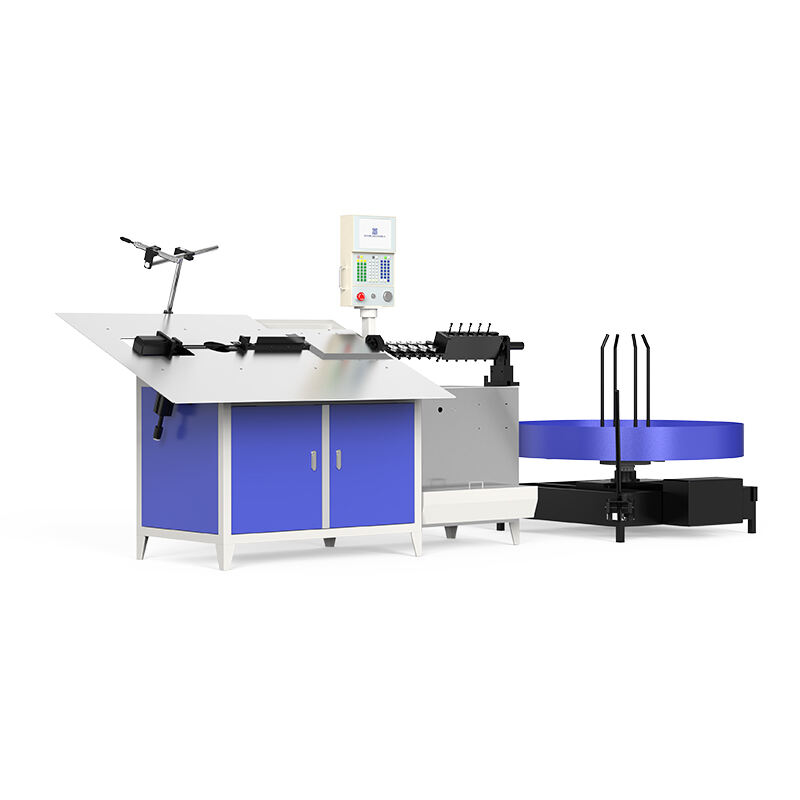
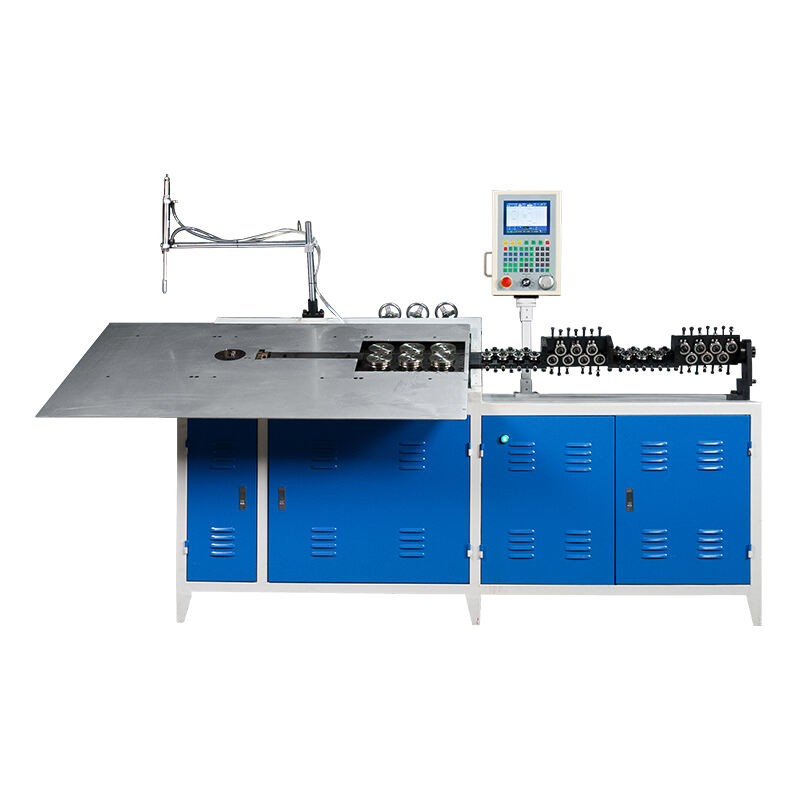
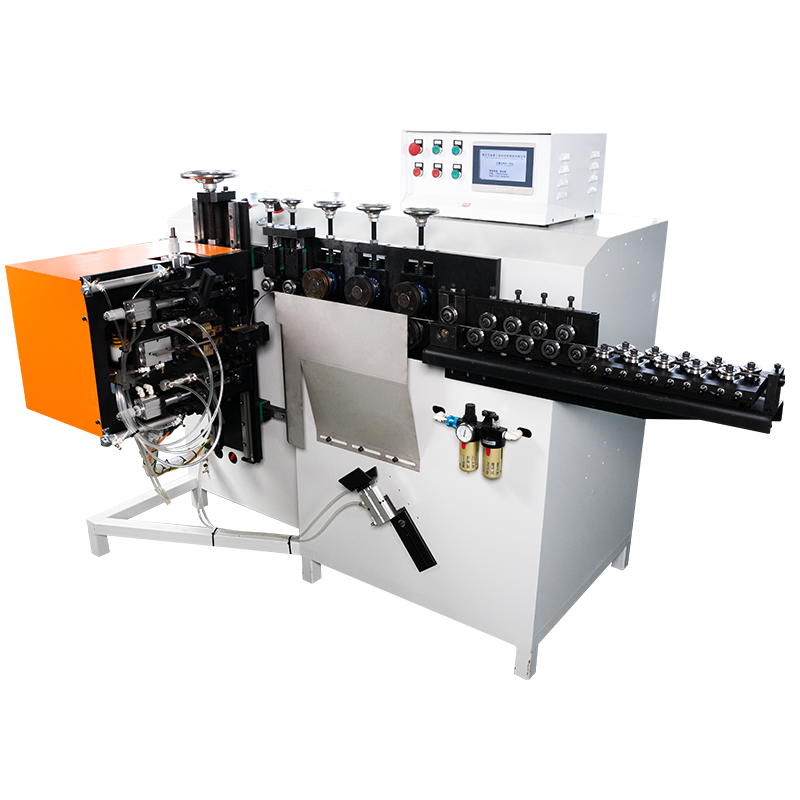
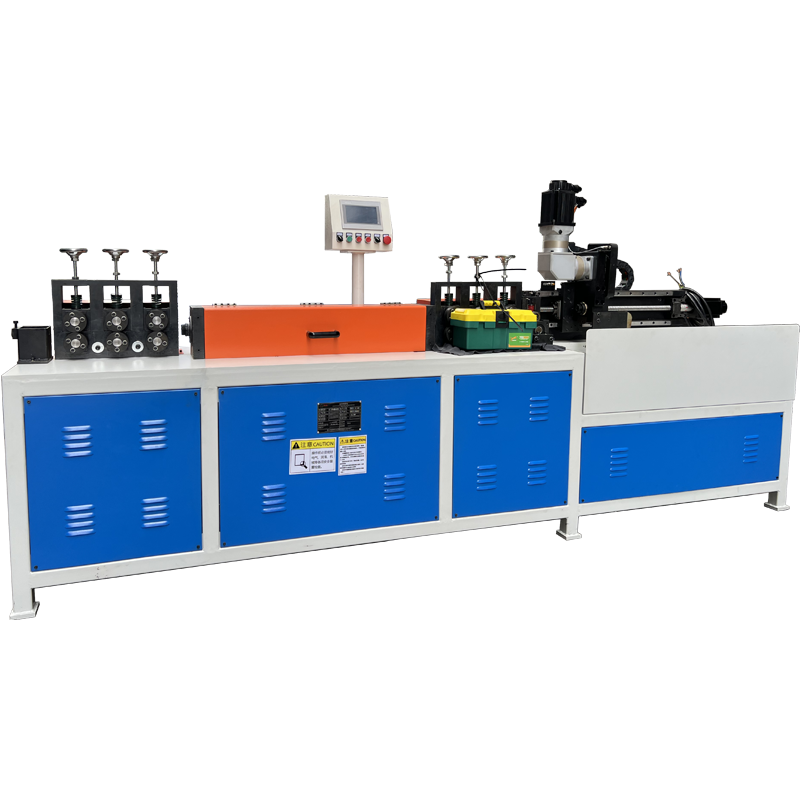
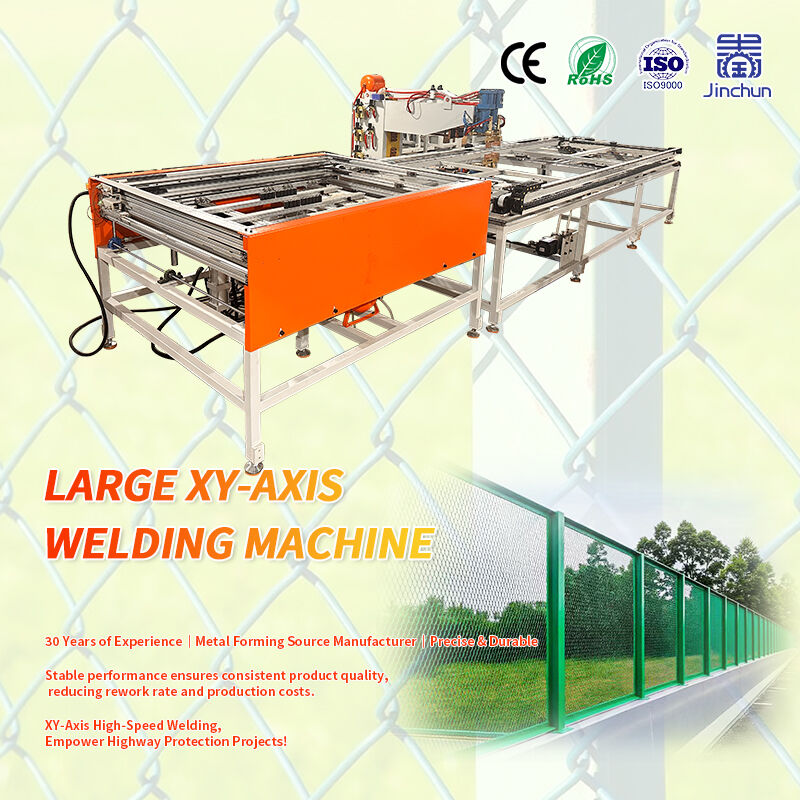
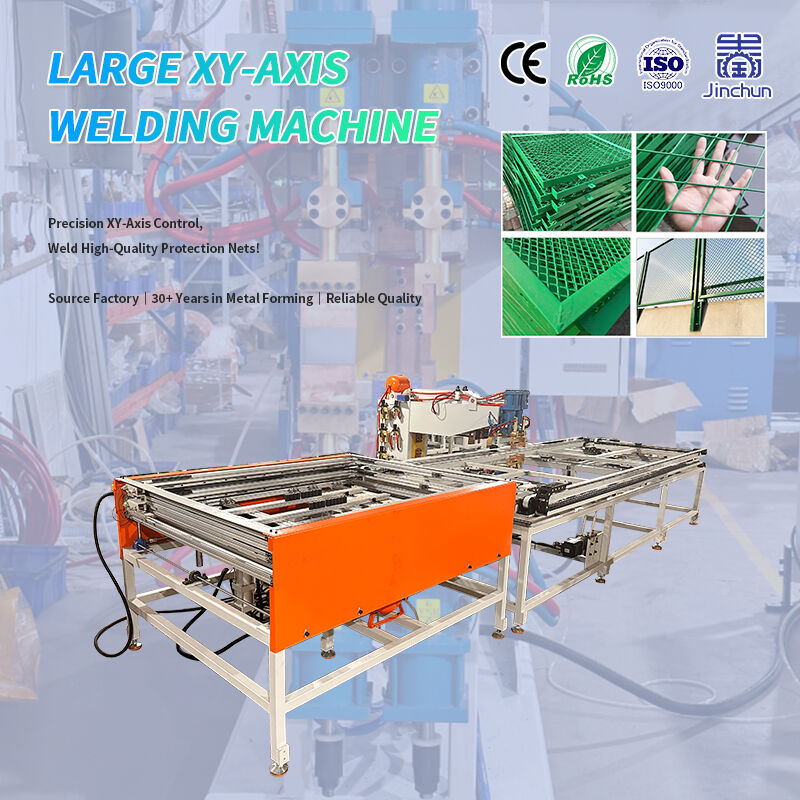
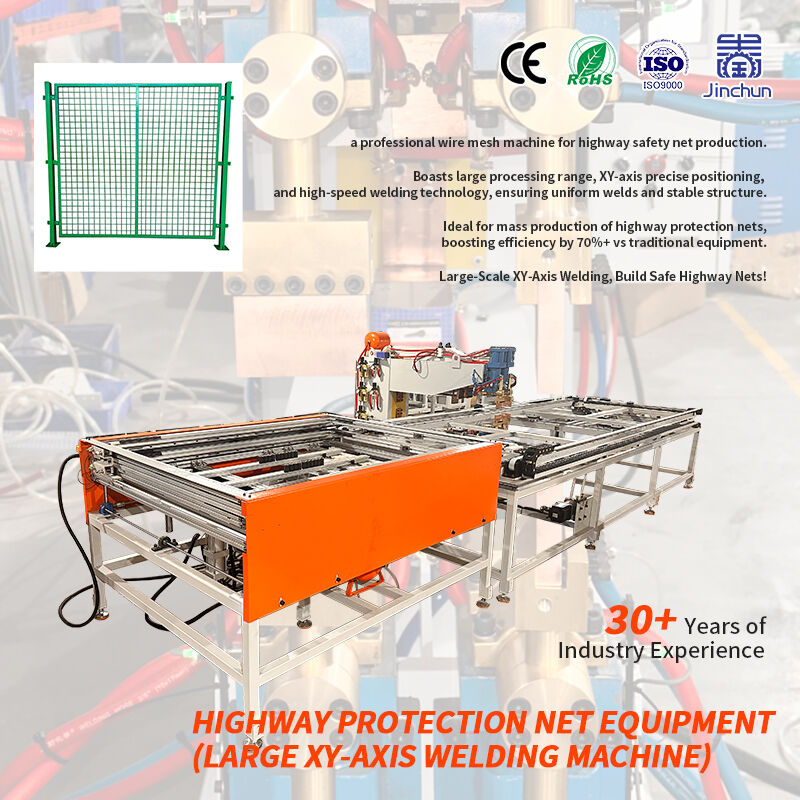
highway protection net equipment
Highway protection net equipment represents a critical infrastructure component designed to enhance roadway safety and protect both vehicles and pedestrians from potential hazards. This specialized safety system consists of engineered barriers that are strategically installed along highway corridors, bridges, medians, and vulnerable sections of roadways. The primary function of highway protection net equipment involves creating physical barriers that prevent vehicles from departing the roadway during accidents, reducing the severity of crashes, and protecting adjacent areas from vehicular intrusion. Modern highway protection net equipment incorporates advanced materials such as high-tensile steel cables, galvanized wire mesh, and impact-resistant posts that work together to absorb and redirect collision forces. The technological features of these systems include modular designs that allow for flexible installation configurations, weather-resistant coatings that ensure long-term durability, and engineered anchoring systems that provide optimal structural integrity. Contemporary highway protection net equipment utilizes computer-aided design principles to optimize barrier height, spacing, and deflection characteristics based on specific roadway conditions and traffic patterns. The equipment serves multiple applications including median barrier protection, bridge rail systems, work zone safety barriers, and perimeter fencing for sensitive areas adjacent to highways. Installation of highway protection net equipment requires specialized knowledge of soil conditions, traffic engineering principles, and regulatory compliance standards. These systems are particularly valuable in mountainous regions, urban environments with limited space, and areas where traditional concrete barriers may not be suitable. The versatility of highway protection net equipment makes it an essential component of comprehensive highway safety strategies, contributing to reduced accident severity and improved overall traffic flow management.
 EN
EN