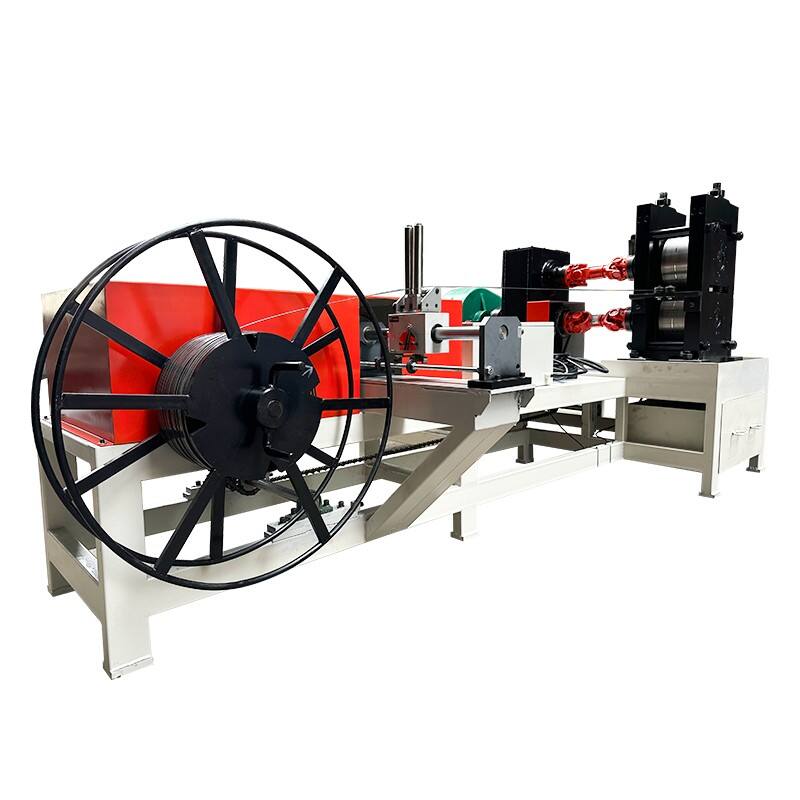
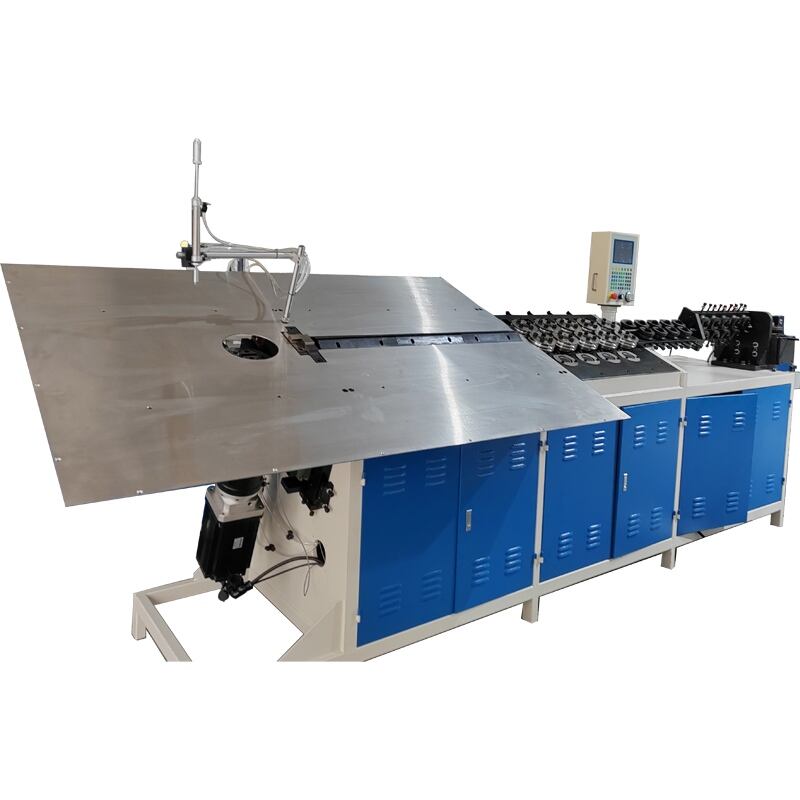
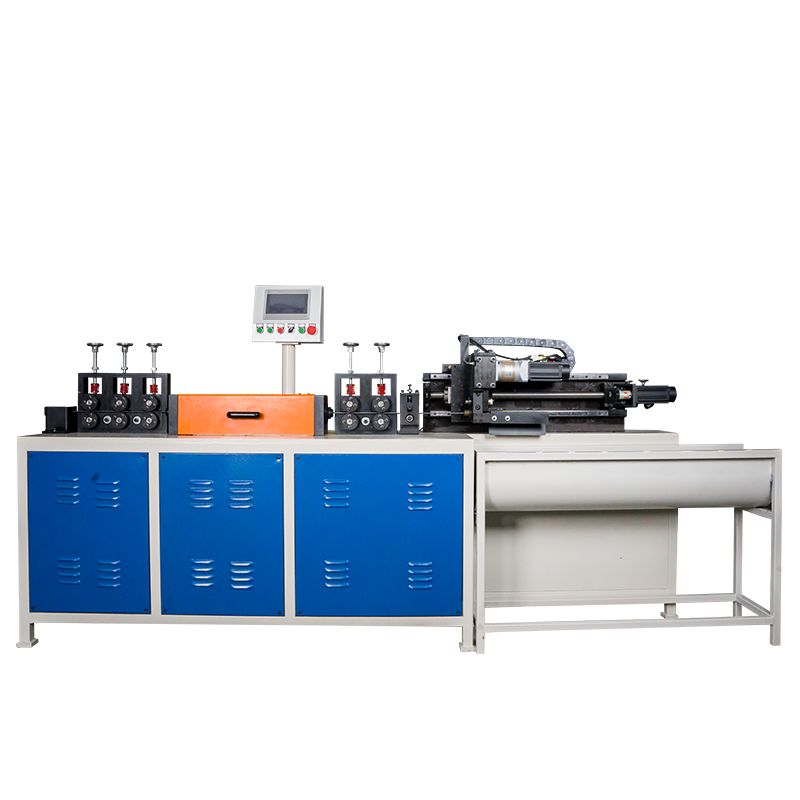
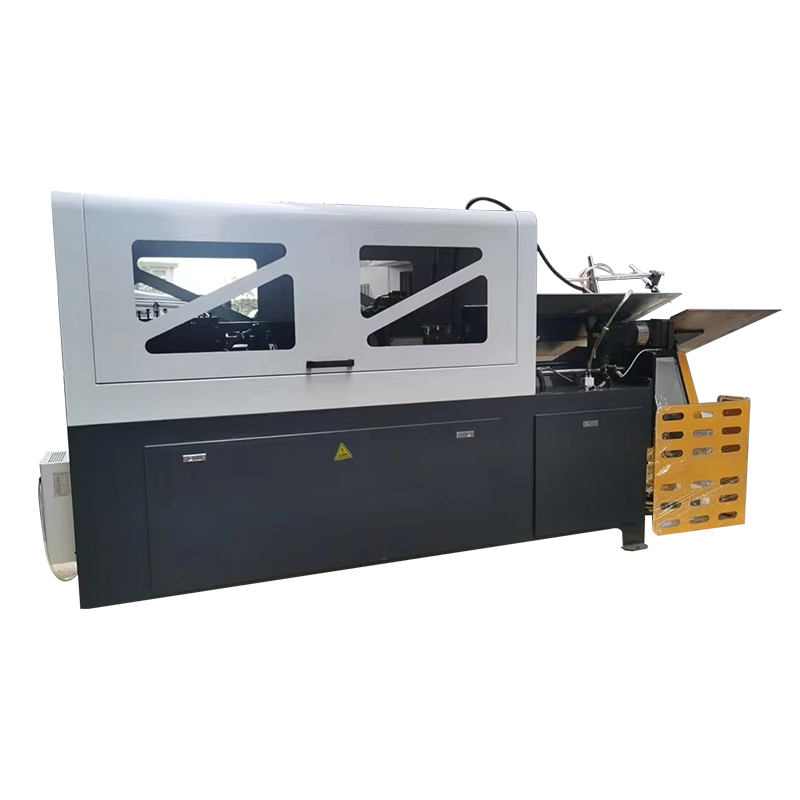
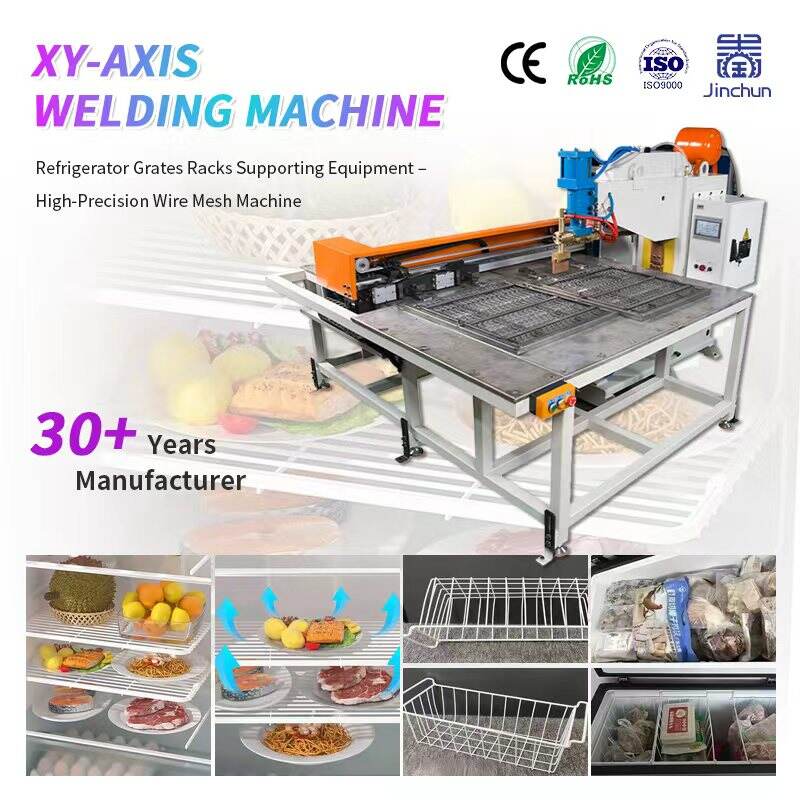
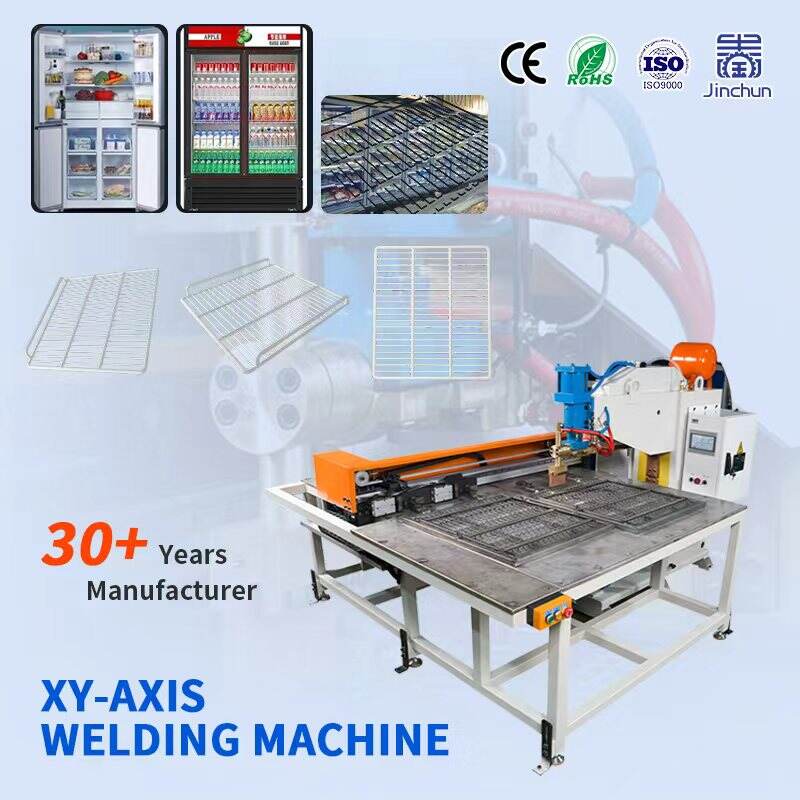
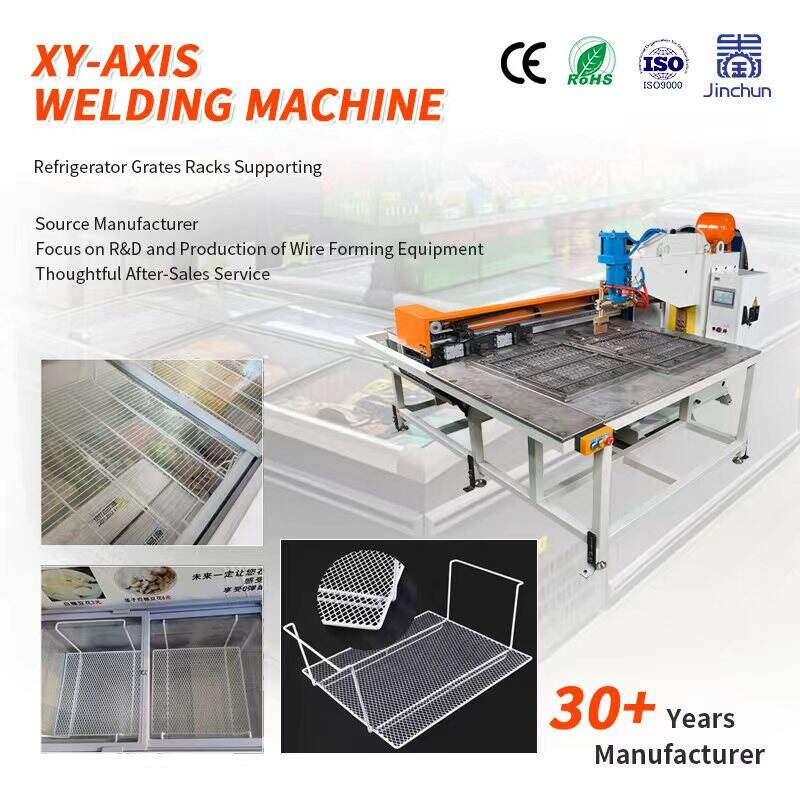
refrigerator gratesrefrigerator racks supporting equipment
Refrigerator grates refrigerator racks supporting equipment represents an essential component system designed to maximize storage efficiency and organization within commercial and residential refrigeration units. These specialized structural elements provide critical support infrastructure that transforms basic refrigerator compartments into highly functional, organized storage environments. The primary function of refrigerator grates refrigerator racks supporting equipment involves creating multiple horizontal surfaces that effectively utilize vertical space while maintaining proper air circulation throughout the refrigerated environment. This equipment typically consists of durable wire construction, solid shelving platforms, or perforated metal designs that allow optimal airflow while supporting various food items, containers, and storage materials. The technological features of modern refrigerator grates refrigerator racks supporting equipment include adjustable height mechanisms, corrosion-resistant coatings, and modular configurations that accommodate different storage requirements. These systems incorporate advanced materials such as stainless steel, powder-coated metals, and food-grade plastics that ensure longevity and hygiene compliance. Many units feature removable components for easy cleaning and maintenance, while others include specialized attachments for specific storage needs. Applications for refrigerator grates refrigerator racks supporting equipment span across numerous industries including restaurants, hospitals, laboratories, grocery stores, and residential kitchens. Commercial establishments rely on these systems to maintain food safety standards while maximizing storage capacity. The equipment proves particularly valuable in environments requiring precise temperature control and organized inventory management. Installation typically involves simple mounting procedures that allow users to customize their refrigerator interior according to specific operational needs. The supporting equipment integrates seamlessly with existing refrigeration systems without compromising cooling efficiency or energy consumption patterns.
 EN
EN