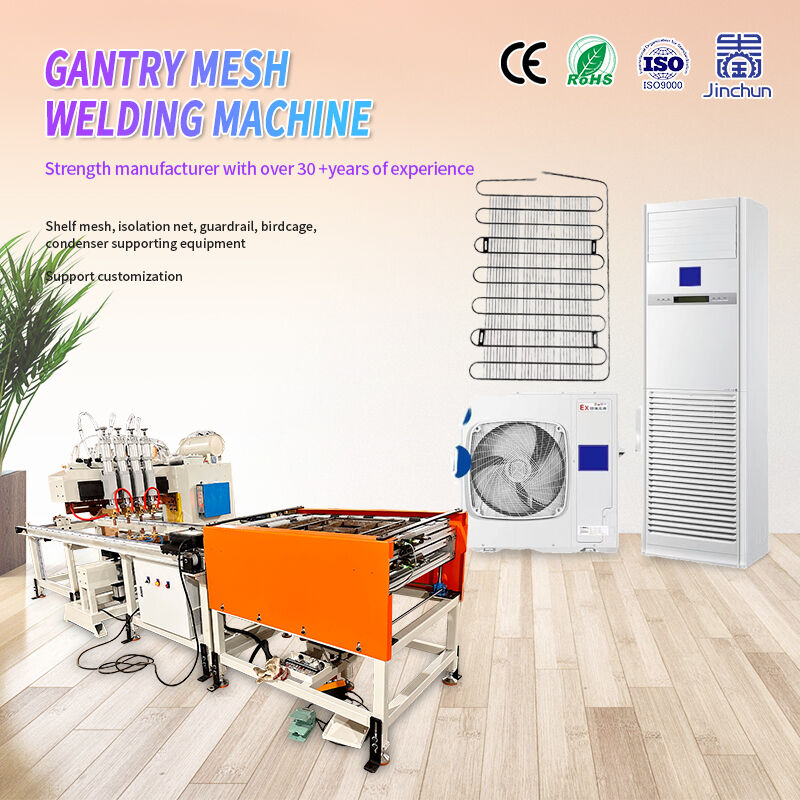
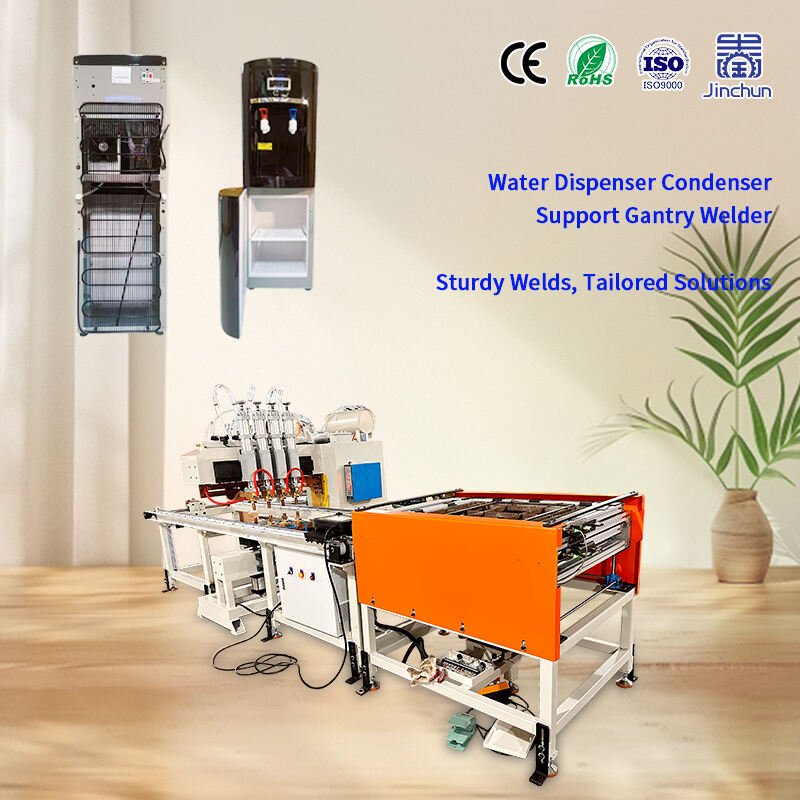
Complete Guide to Condenser Supporting Equipment - Features, Benefits and Applications

Get a Free Quote

Our representative will contact you soon.
Email
Name
Company Name
Phone / WhatsApp
Required Product
Message
0/1000

condenser supporting equipment

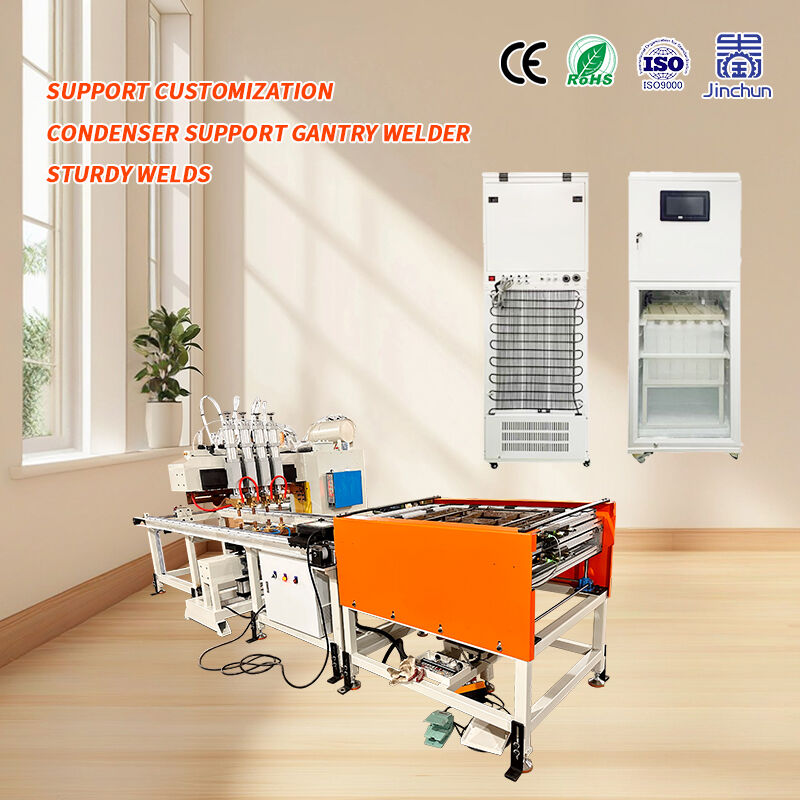
Condenser supporting equipment represents a comprehensive suite of auxiliary systems that work in harmony with primary condensers to ensure optimal thermal management and operational efficiency across industrial applications. This specialized equipment encompasses a wide range of components including cooling towers, water treatment systems, vacuum pumps, circulation pumps, heat exchangers, and monitoring instrumentation. The primary function of condenser supporting equipment centers on maintaining precise temperature control, facilitating efficient heat transfer, and ensuring continuous operation of condensation processes. These systems manage the flow of cooling media, regulate pressure levels, and remove non-condensable gases that could impair performance. Technologically, modern condenser supporting equipment incorporates advanced automation controls, variable frequency drives, smart sensors, and integrated monitoring systems that provide real-time operational data. The equipment utilizes cutting-edge materials resistant to corrosion and thermal stress, ensuring longevity and reliability in demanding environments. Applications span across power generation facilities, chemical processing plants, pharmaceutical manufacturing, food processing industries, and HVAC systems for large commercial buildings. In power plants, condenser supporting equipment maintains optimal vacuum conditions in steam condensers, directly impacting turbine efficiency and overall plant performance. Chemical and pharmaceutical industries rely on this equipment for precise temperature control during distillation, crystallization, and purification processes. The integration of IoT technology and predictive maintenance capabilities allows operators to anticipate maintenance needs, reduce downtime, and optimize energy consumption. Environmental considerations drive the development of eco-friendly cooling solutions and water conservation technologies within condenser supporting equipment designs, aligning with sustainability goals while maintaining operational excellence.

New Products

Condenser supporting equipment delivers substantial operational benefits that directly translate into improved productivity and cost savings for industrial facilities. The enhanced efficiency provided by properly designed supporting systems reduces energy consumption by up to thirty percent compared to basic condenser setups. This efficiency gain occurs through optimized heat transfer rates, reduced pumping losses, and intelligent control systems that adjust operations based on real-time conditions. Reliability stands as another crucial advantage, with modern condenser supporting equipment featuring redundant systems and robust components that minimize unexpected shutdowns. The equipment includes backup pumps, alternative cooling circuits, and emergency protocols that ensure continuous operation even during component failures. Maintenance costs decrease significantly due to automated monitoring systems that track equipment health and predict maintenance needs before critical failures occur. These predictive capabilities extend equipment lifespan and reduce emergency repair expenses. Water conservation represents a major benefit, with advanced cooling tower designs and water treatment systems reducing makeup water requirements by up to forty percent. This conservation not only reduces operational costs but also addresses environmental regulations and sustainability initiatives. Flexibility in operation allows condenser supporting equipment to adapt to varying load conditions, seasonal changes, and different process requirements without compromising performance. Variable speed drives on pumps and fans automatically adjust capacity based on demand, optimizing energy usage throughout different operational scenarios. Temperature precision improves product quality in manufacturing processes where exact thermal conditions are critical. The supporting equipment maintains stable condensing temperatures within narrow tolerances, ensuring consistent output quality and reducing waste. Integration capabilities with existing plant control systems streamline operations and provide centralized monitoring and control. This integration reduces operator workload while improving response times to changing conditions. The modular design of modern condenser supporting equipment allows for scalable installations that can grow with facility expansion needs. Components can be added or upgraded without major system overhauls, providing long-term flexibility and protecting capital investments. Safety features built into condenser supporting equipment protect personnel and equipment through automated shutdown procedures, pressure relief systems, and comprehensive alarm networks that alert operators to potential issues before they become hazardous.

Latest News

Maintenance Tips to Extend Your Bending Machines' Lifespan

20

Nov

Maintenance Tips to Extend Your Bending Machines' Lifespan

Manufacturing operations depend heavily on reliable equipment performance, and bending machines represent a significant investment that requires proper care to maximize return. These precision instruments form the backbone of countless production lin...
View More
Maintenance Guide for Automatic Ring Making Machine

27

Nov

Maintenance Guide for Automatic Ring Making Machine

Manufacturing operations rely heavily on precision equipment to maintain consistent production quality and efficiency. An automatic ring making machine represents a significant investment in industrial metalworking capabilities, requiring systematic ...
View More
2D Bending Machines: Perfect for Pet Cages and Kitchen Organizers

15

Dec

2D Bending Machines: Perfect for Pet Cages and Kitchen Organizers

In the world of metal fabrication, efficiency and versatility are key. For manufacturers producing everyday items like pet cages and kitchen organizers, achieving consistent quality, complex designs, and cost-effectiveness is paramount. This is where...
View More
Circle Forming Machines in Dust Filter Cage and Fan Guard Manufacturing

07

Jan

Circle Forming Machines in Dust Filter Cage and Fan Guard Manufacturing

In the world of high-precision metal fabrication, the demand for perfect circular components is a constant factor. Whether you are producing structural elements for Furniture, durable components for Hardware, intricate Automotive & Motorcycle Accesso...
View More

Get a Free Quote

Our representative will contact you soon.
Email
Name
Company Name
Phone / WhatsApp
Required Product
Message
0/1000

condenser supporting equipment

Advanced Automation and Smart Control Systems

Advanced Automation and Smart Control Systems

Modern condenser supporting equipment incorporates sophisticated automation and intelligent control systems that revolutionize operational efficiency and management capabilities. These advanced systems utilize programmable logic controllers, distributed control systems, and artificial intelligence algorithms to optimize performance continuously. The smart control technology monitors hundreds of parameters simultaneously, including inlet and outlet temperatures, pressure differentials, flow rates, vibration levels, and chemical concentrations in cooling water systems. Machine learning algorithms analyze historical performance data to predict optimal operating conditions and automatically adjust system parameters to maintain peak efficiency. The automation systems feature adaptive control strategies that respond to changing environmental conditions, load variations, and seasonal fluctuations without manual intervention. Operators benefit from intuitive human-machine interfaces that provide comprehensive system visualization, trending data, and diagnostic information through touchscreen displays and mobile applications. Remote monitoring capabilities enable facility managers to oversee condenser supporting equipment operations from anywhere, receiving real-time alerts and performance reports via secure cloud-based platforms. The integration of IoT sensors throughout the system creates a comprehensive data network that enables predictive maintenance scheduling, reducing unplanned downtime by up to sixty percent. Energy optimization algorithms continuously analyze power consumption patterns and automatically adjust pump speeds, fan operations, and cooling tower cell utilization to minimize electrical costs while maintaining required performance levels. Safety interlocks and emergency shutdown procedures are programmed into the control systems, providing multiple layers of protection for equipment and personnel. The automation technology also includes advanced water treatment control that maintains optimal chemical balance, preventing scaling, corrosion, and biological growth in cooling systems. Customizable reporting features generate detailed performance analyses, energy consumption reports, and maintenance schedules that support regulatory compliance and operational decision-making. These intelligent systems reduce operator workload while improving system reliability, making condenser supporting equipment more efficient and cost-effective than ever before.
Energy Efficiency and Environmental Sustainability

Energy Efficiency and Environmental Sustainability

Condenser supporting equipment achieves remarkable energy efficiency improvements and environmental benefits through innovative design principles and advanced technologies. Modern systems incorporate high-efficiency motors, variable frequency drives, and optimized pump and fan designs that significantly reduce power consumption compared to traditional fixed-speed equipment. The implementation of free cooling technologies takes advantage of favorable ambient conditions to reduce mechanical refrigeration loads, resulting in energy savings of up to fifty percent during cooler periods. Heat recovery systems capture waste heat from condensation processes and redirect it to other facility heating requirements, improving overall thermal efficiency and reducing fuel consumption. Advanced cooling tower designs utilize enhanced heat transfer surfaces, improved air distribution patterns, and optimized water distribution systems to maximize cooling capacity while minimizing energy input. The supporting equipment incorporates water conservation technologies including drift eliminators, efficient nozzle designs, and closed-loop cooling systems that reduce water consumption and eliminate the need for chemical water treatment in many applications. Environmentally friendly refrigerants and cooling media are utilized throughout the system, reducing global warming potential and ozone depletion impacts while maintaining superior performance characteristics. Smart scheduling algorithms optimize equipment operation during off-peak electricity rate periods, reducing operational costs and supporting grid stability. The modular design approach minimizes material waste during manufacturing and installation while enabling component replacement rather than complete system replacement at end-of-life. Energy monitoring and reporting capabilities provide detailed insights into power consumption patterns, enabling facility managers to identify additional conservation opportunities and track progress toward sustainability goals. Advanced filtration systems in cooling water circuits extend equipment life by preventing fouling and corrosion, reducing the frequency of chemical cleaning and component replacement. The supporting equipment meets or exceeds international environmental standards and energy efficiency regulations, ensuring compliance with evolving sustainability requirements. These environmental benefits combined with operational cost savings create compelling value propositions that justify investment in modern condenser supporting equipment while supporting corporate sustainability initiatives and reducing environmental footprint.
Modular Design and Scalability Features

Modular Design and Scalability Features

The modular design philosophy of contemporary condenser supporting equipment provides unparalleled flexibility and scalability that adapts to evolving facility requirements and operational demands. This approach enables facilities to implement phased installations, starting with essential components and adding modules as production capacity expands or process requirements change. Each module within the condenser supporting equipment system is designed as a self-contained unit with standardized interfaces that facilitate seamless integration with existing infrastructure and other system components. The modular configuration allows for redundancy planning where critical modules can be duplicated to ensure continuous operation during maintenance or unexpected failures. This redundancy capability is particularly valuable in mission-critical applications where downtime results in significant production losses or safety concerns. Engineering teams benefit from the standardized design approach that simplifies installation, commissioning, and maintenance procedures across different modules. The plug-and-play connectivity between modules reduces installation time and complexity while minimizing the risk of integration errors. Capacity expansion becomes straightforward as additional modules can be added without disrupting existing operations or requiring major system modifications. This scalability feature protects capital investments by allowing facilities to grow their condenser supporting equipment capacity incrementally rather than over-sizing initial installations. Module standardization enables cost-effective spare parts inventory management and reduces training requirements for maintenance personnel. The modular approach also facilitates technology upgrades where individual modules can be replaced with newer, more efficient versions without replacing the entire system. This upgrade path ensures that condenser supporting equipment remains current with technological advances and regulatory requirements throughout its operational life. Manufacturing efficiency improves through modular production methods that enable quality control optimization and reduced lead times for custom configurations. The modular design supports diverse application requirements by allowing different module combinations to address specific process needs, cooling loads, and environmental conditions. Transportation and handling advantages emerge from the modular approach as individual modules are smaller and lighter than integrated systems, reducing shipping costs and enabling installation in space-constrained locations. This flexibility extends to maintenance operations where individual modules can be serviced or replaced without affecting other system components, minimizing downtime and maintenance costs while maximizing operational availability.

Get a Free Quote

Our representative will contact you soon.
Email
Name
Company Name
Phone / WhatsApp
Required Product
Message
0/1000

Get a Free Quote

Our representative will contact you soon.
Email
Name
Company Name
Phone / WhatsApp
Required Product
Message
0/1000