 EN
EN


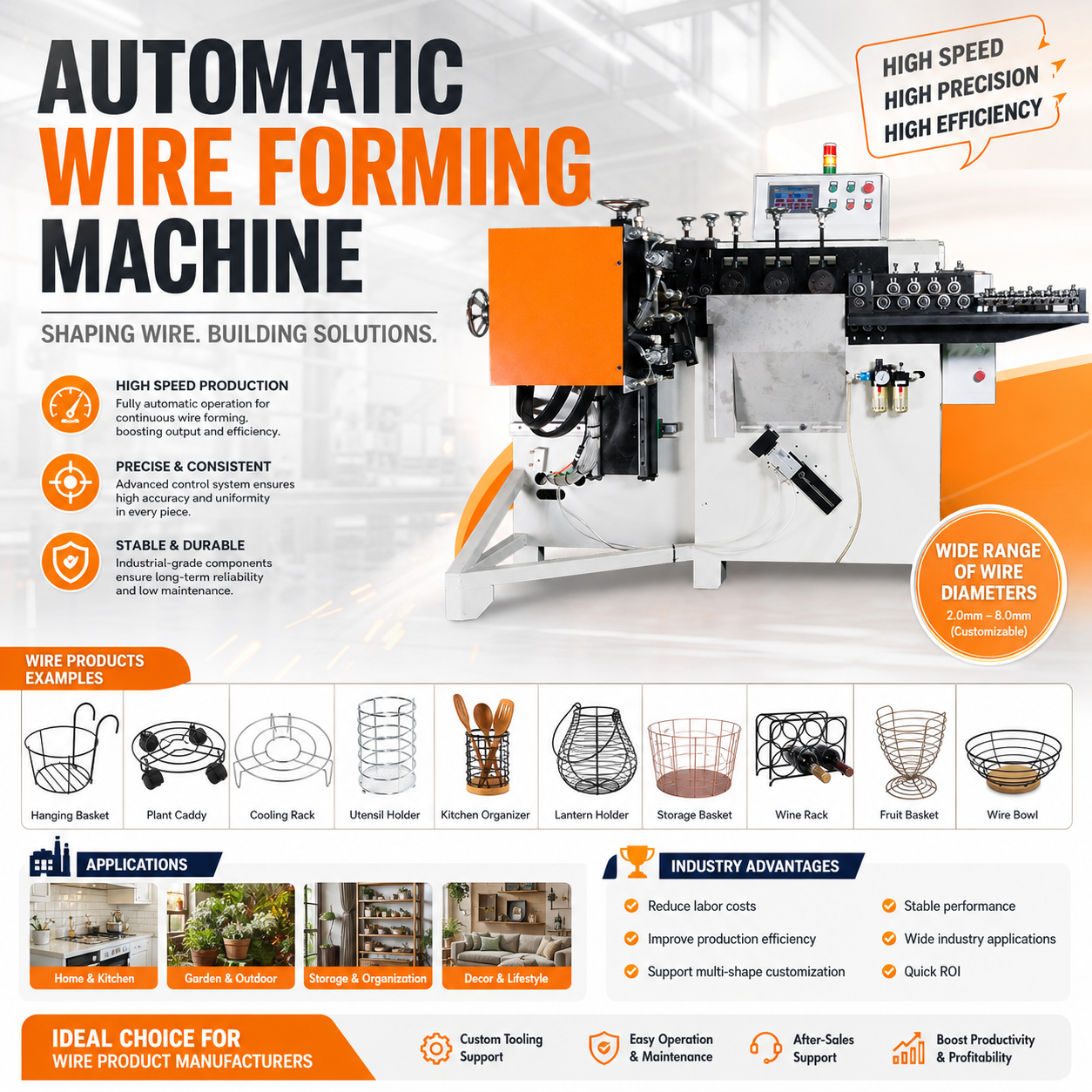
The jewelry manufacturing industry has witnessed remarkable technological advancement in recent years, with automation becoming a cornerstone of modern production facilities. An automatic ring making machine represents one of the most significant investments a jewelry business can make to enhance productivity, reduce labor costs, and maintain consistent quality standards. These sophisticated machines have revolutionized how jewelry manufacturers approach ring production, offering unprecedented precision and efficiency that translates directly into improved return on investment.
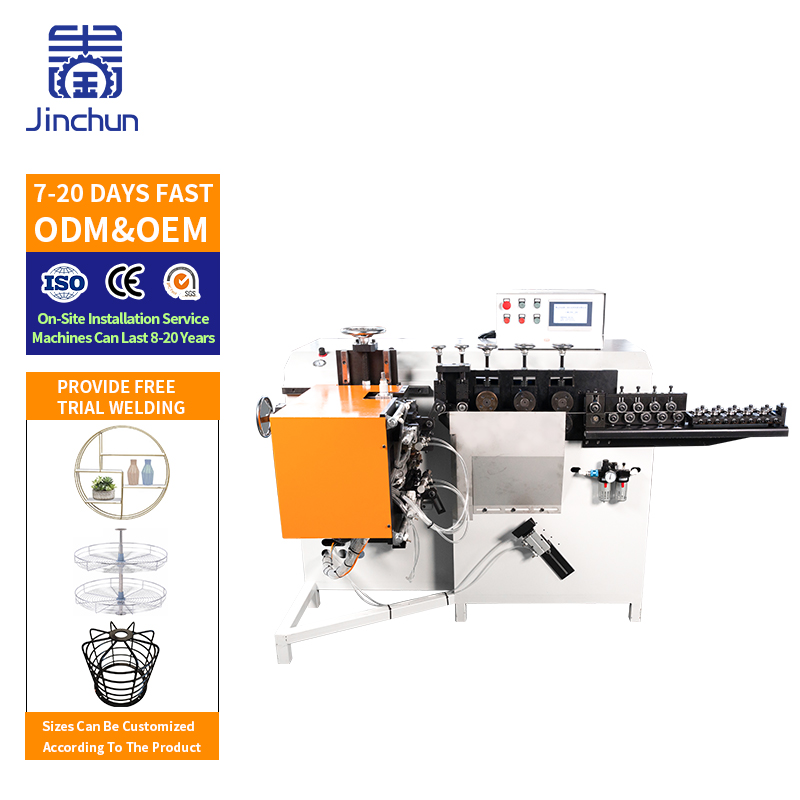
Modern jewelry businesses face increasing pressure to deliver high-quality products while maintaining competitive pricing and meeting demanding production schedules. Traditional handcrafting methods, while artistically valuable, often prove insufficient for large-scale operations requiring consistent output and standardized dimensions. The integration of automated ring production technology addresses these challenges by providing manufacturers with reliable, repeatable processes that significantly reduce production time and material waste.
Understanding Automatic Ring Making Technology
Core Components and Functionality
An automatic ring making machine incorporates several sophisticated subsystems working in harmony to transform raw metal into finished ring bands. The primary components include precision feeding mechanisms, forming dies, welding systems, and quality control sensors. These machines typically utilize resistance welding technology to join metal ends seamlessly, creating perfectly circular bands with consistent wall thickness and uniform surface finish.
The feeding system ensures consistent material flow, while programmable controls allow operators to adjust parameters for different ring sizes and metal types. Advanced models feature servo-driven mechanisms that provide exceptional accuracy in positioning and forming operations. Temperature control systems maintain optimal welding conditions, ensuring strong, reliable joints that meet industry quality standards.
Material Compatibility and Versatility
Modern automatic ring making machines accommodate various precious metals including gold, silver, platinum, and alternative materials such as titanium and stainless steel. The versatility extends to different wire gauges and ring diameters, enabling manufacturers to produce diverse product lines from delicate jewelry pieces to robust wedding bands. Some advanced systems can handle multiple materials simultaneously, switching between different specifications without extensive reconfiguration.
The material handling capabilities directly impact production flexibility, allowing businesses to respond quickly to market demands and customer preferences. This adaptability becomes particularly valuable when seasonal trends influence jewelry styles or when custom orders require specific metal combinations and dimensions.
Financial Benefits and ROI Analysis
Direct Cost Savings Through Automation
The implementation of an automatic ring making machine generates immediate cost savings through reduced labor requirements and increased production efficiency. Traditional ring making processes often require skilled craftspeople working at slower production rates, while automated systems can operate continuously with minimal supervision. Labor cost reductions typically range from 40% to 70%, depending on the scale of operations and local wage rates.
Material waste reduction represents another significant cost-saving factor, as automated systems maintain precise control over cutting and forming operations. Traditional methods may result in 10-15% material waste, while automated systems typically achieve waste rates below 3%. For businesses processing precious metals, this reduction in material waste translates to substantial cost savings over time.
Production Capacity and Revenue Growth
Automated ring production systems dramatically increase manufacturing capacity, enabling businesses to fulfill larger orders and explore new market opportunities. A typical automatic ring making machine can produce 200-500 rings per hour, compared to 10-20 rings per hour through traditional methods. This increased capacity allows businesses to accept larger contracts, reduce delivery times, and improve customer satisfaction.
The ability to maintain consistent production schedules enables jewelry businesses to better predict cash flow and plan inventory management. Reliable production capacity also supports expansion into wholesale markets and private label manufacturing, creating additional revenue streams that contribute to overall business growth.
Quality Consistency and Brand Reputation
Precision Manufacturing Standards
Quality consistency represents one of the most valuable benefits of automatic ring making machines, as these systems eliminate human variability from critical manufacturing processes. Each ring produced maintains identical dimensions, surface finish, and structural integrity, ensuring customer satisfaction and reducing warranty claims. The precision achievable through automation often exceeds what skilled craftspeople can accomplish consistently by hand.
Automated quality control systems integrated into modern machines detect defects in real-time, preventing substandard products from reaching customers. This proactive quality management approach protects brand reputation and reduces the costs associated with returns, repairs, and customer complaints.
Scalability and Market Positioning
Consistent quality output enables jewelry businesses to compete effectively in premium market segments where customers expect perfect products every time. The reliability of automated manufacturing processes supports brand positioning strategies focused on quality and precision, allowing businesses to command higher prices and build customer loyalty.
Scalability becomes achievable when quality remains constant regardless of production volume, enabling businesses to grow without compromising their reputation. This consistency supports long-term business relationships with retailers and distributors who depend on reliable product quality for their own success.
Implementation Considerations and Best Practices
Initial Investment and Equipment Selection
Selecting the right automatic ring making machine requires careful evaluation of production requirements, available space, and budget constraints. Entry-level systems may cost between $50,000 and $100,000, while high-end industrial machines can exceed $300,000. The investment decision should consider long-term production goals, expected return on investment, and the machine's capability to handle future business growth.
Factors influencing equipment selection include production speed requirements, material compatibility needs, automation level preferences, and integration capabilities with existing manufacturing systems. Businesses should also evaluate supplier support services, training programs, and warranty coverage when making investment decisions.
Staff Training and Operational Integration
Successful implementation requires comprehensive staff training programs that cover machine operation, maintenance procedures, and troubleshooting techniques. Most manufacturers provide initial training, but ongoing education ensures operators maximize equipment capabilities and maintain optimal performance levels. Cross-training multiple employees reduces dependency on individual operators and ensures continuous production capability.
Integration with existing workflows may require process modifications and quality control procedure updates. Establishing clear operating procedures, maintenance schedules, and safety protocols creates a foundation for successful long-term operation and helps realize the full ROI potential of automated ring production equipment.
Market Trends and Future Outlook
Industry Adoption Patterns
The jewelry manufacturing industry continues embracing automation as competitive pressures intensify and skilled labor becomes increasingly scarce. Small and medium-sized businesses that previously relied on traditional methods are now investing in automated solutions to remain competitive. Industry surveys indicate that over 60% of jewelry manufacturers plan to increase automation investments within the next five years.
Consumer preferences for customization and quick delivery times drive demand for flexible manufacturing solutions that can adapt quickly to changing requirements. Automatic ring making machines equipped with programmable controls and rapid changeover capabilities address these market demands effectively.
Technological Advancement and Integration
Future developments in automatic ring making technology focus on enhanced connectivity, artificial intelligence integration, and improved user interfaces. Smart manufacturing concepts enable real-time monitoring, predictive maintenance, and data-driven optimization that further improve ROI through reduced downtime and enhanced efficiency.
Integration with computer-aided design systems and digital manufacturing workflows creates seamless production processes from concept to finished product. These technological advances position automated ring production as an essential component of modern jewelry manufacturing operations.
FAQ
What is the typical payback period for an automatic ring making machine investment?
Most jewelry businesses achieve payback within 18 to 36 months, depending on production volume, labor costs, and material savings. Higher-volume operations typically see faster returns due to increased utilization rates and greater labor cost savings.
Can automatic ring making machines handle custom sizing and special orders?
Yes, modern automatic ring making machines feature programmable controls that allow quick adjustments for different ring sizes and specifications. Many systems can store multiple programs for commonly requested sizes, enabling efficient production of custom orders without significant setup time.
What maintenance requirements should businesses expect with automated ring production equipment?
Regular maintenance typically includes daily cleaning, weekly lubrication, and monthly calibration checks. Most manufacturers recommend professional service every six months, with major component replacement cycles ranging from two to five years depending on usage intensity and operating conditions.
How does automation affect the skill requirements for jewelry manufacturing staff?
While automation reduces the need for traditional handcrafting skills, it creates demand for technical skills including machine operation, programming, and troubleshooting. Many businesses find that existing skilled craftspeople adapt well to automated systems with proper training, combining their jewelry knowledge with new technical capabilities.
Table of Contents
- Understanding Automatic Ring Making Technology
- Financial Benefits and ROI Analysis
- Quality Consistency and Brand Reputation
- Implementation Considerations and Best Practices
- Market Trends and Future Outlook
-
FAQ
- What is the typical payback period for an automatic ring making machine investment?
- Can automatic ring making machines handle custom sizing and special orders?
- What maintenance requirements should businesses expect with automated ring production equipment?
- How does automation affect the skill requirements for jewelry manufacturing staff?