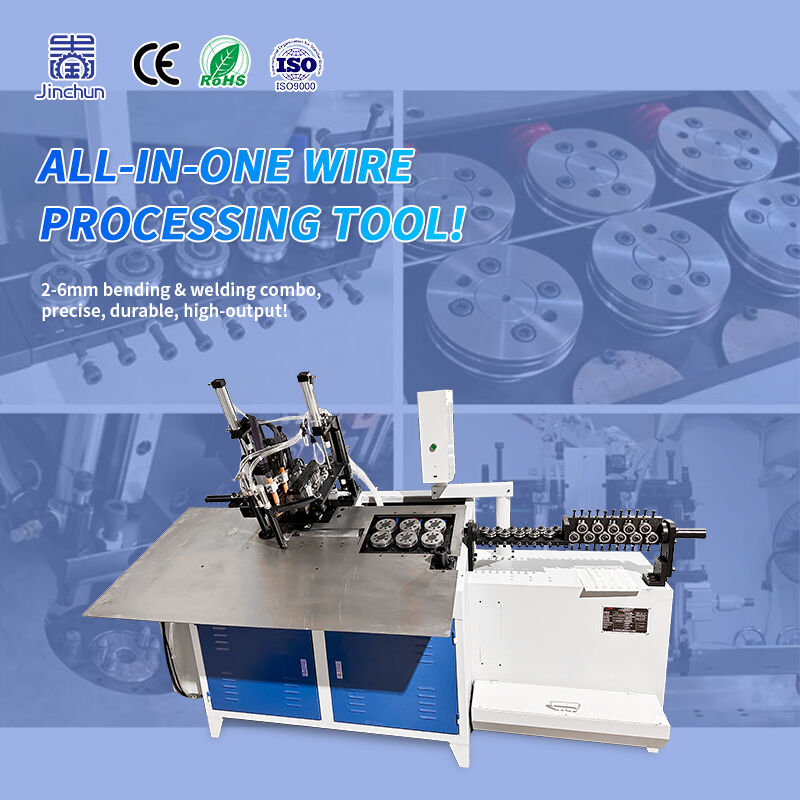
tig bending system
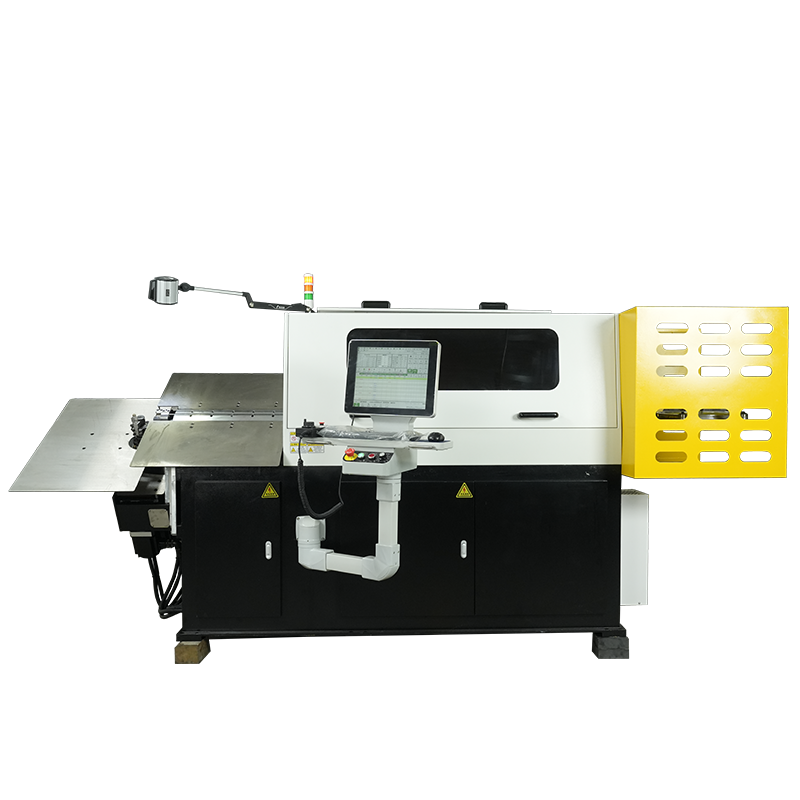
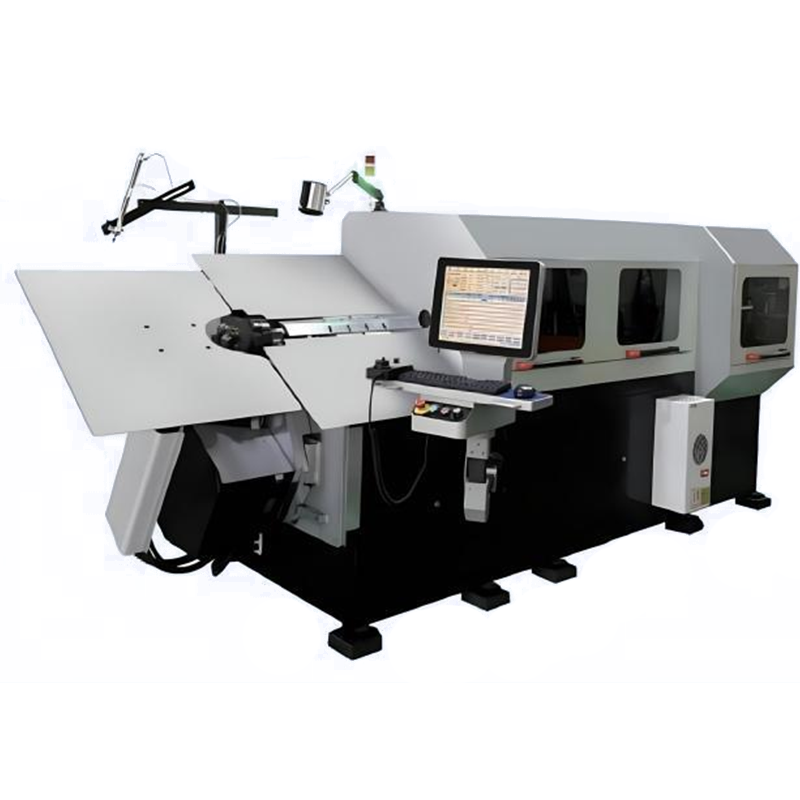
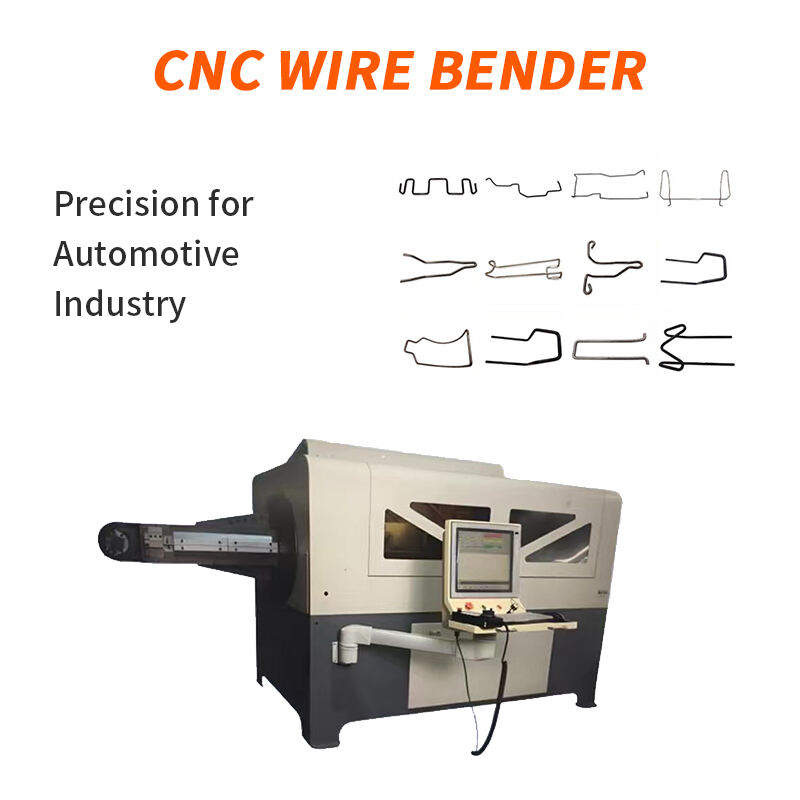
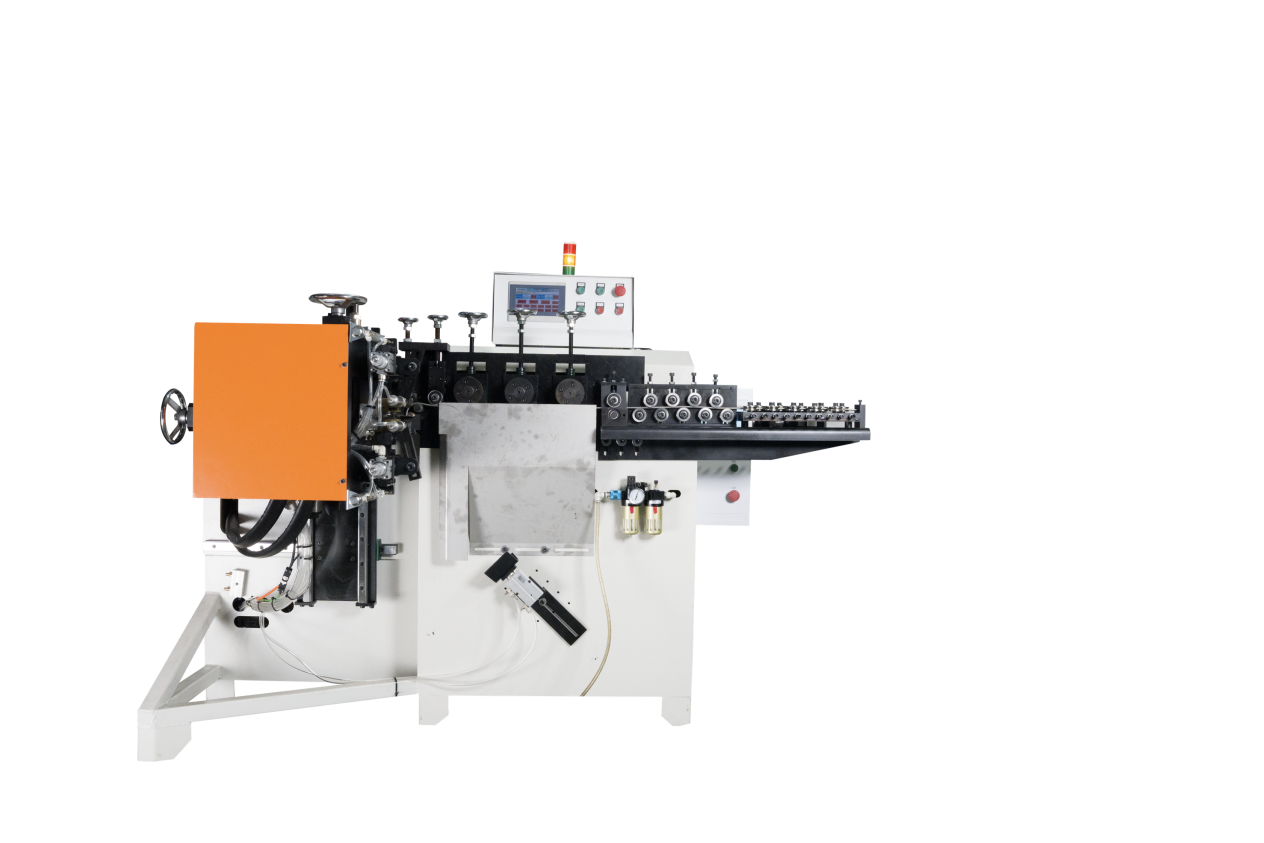
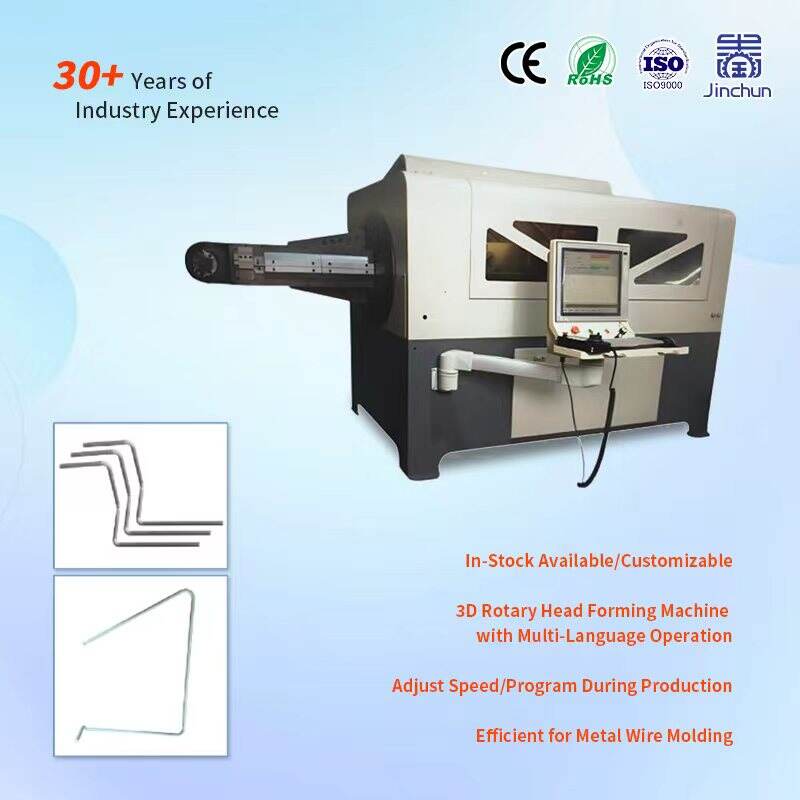
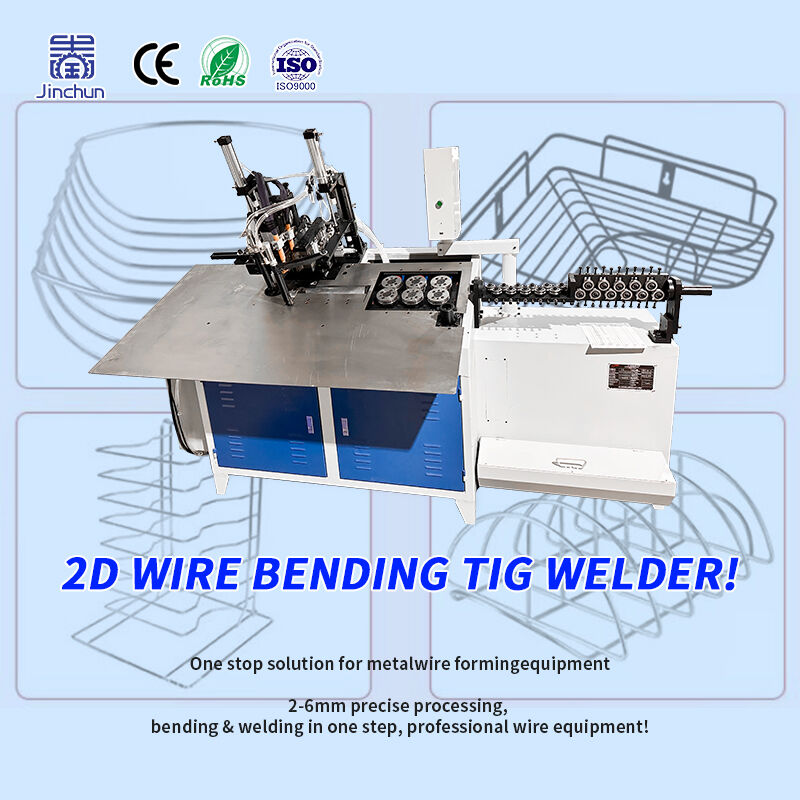
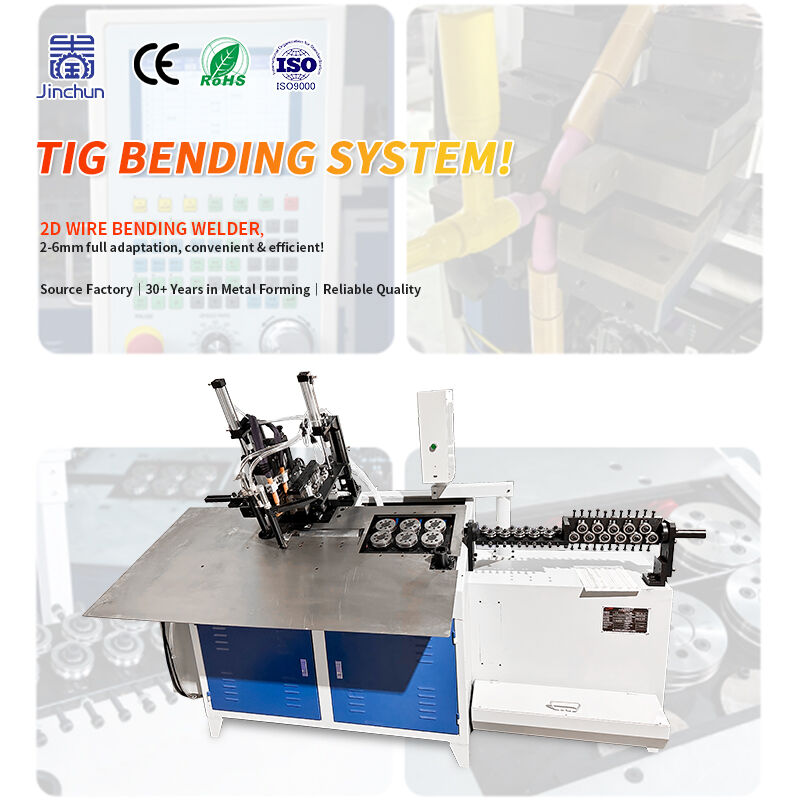
The tig bending system represents a revolutionary advancement in metal fabrication technology, combining precision welding capabilities with sophisticated bending mechanisms to deliver unparalleled results in metalworking applications. This innovative system integrates tungsten inert gas (TIG) welding technology with automated bending processes, creating a comprehensive solution for manufacturers requiring high-quality metal components with complex geometries. The tig bending system operates through a sophisticated control interface that manages both the welding parameters and bending sequences, ensuring consistent results across production runs. At its core, the system features advanced servo-driven motors that provide precise control over bending angles and radii, while the integrated TIG welding station delivers clean, high-strength welds with minimal post-processing requirements. The technological framework of the tig bending system incorporates real-time monitoring sensors that continuously track material properties, temperature variations, and stress distributions during the bending and welding processes. This data-driven approach enables operators to maintain optimal processing conditions and achieve superior quality outcomes. The system's modular design allows for customization based on specific application requirements, accommodating various material thicknesses, tube diameters, and complex geometrical configurations. Key applications for the tig bending system span across aerospace, automotive, medical device manufacturing, and architectural metalwork industries. In aerospace applications, the system produces critical components such as hydraulic lines, fuel systems, and structural elements that demand exceptional precision and reliability. Automotive manufacturers utilize the tig bending system for exhaust system fabrication, roll cage construction, and chassis components where strength and dimensional accuracy are paramount. The medical device sector benefits from the system's ability to create intricate tubing for surgical instruments, implantable devices, and diagnostic equipment with biocompatible material compatibility. The tig bending system's sophisticated programming capabilities enable operators to store and recall complex bending sequences, reducing setup times and minimizing human error in production environments.
 EN
EN