Versatile Material Compatibility and Application Range
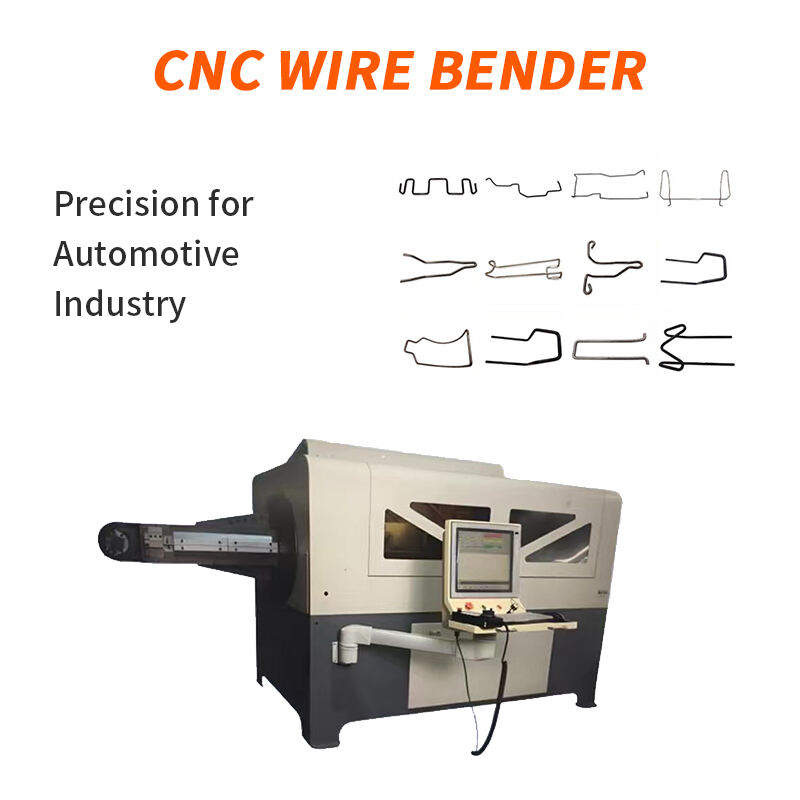
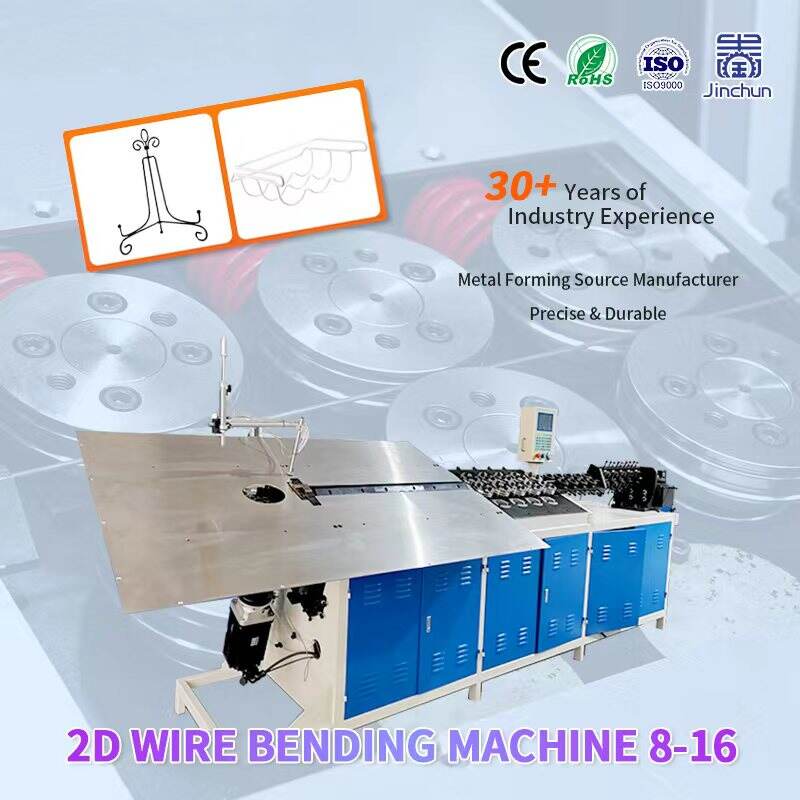
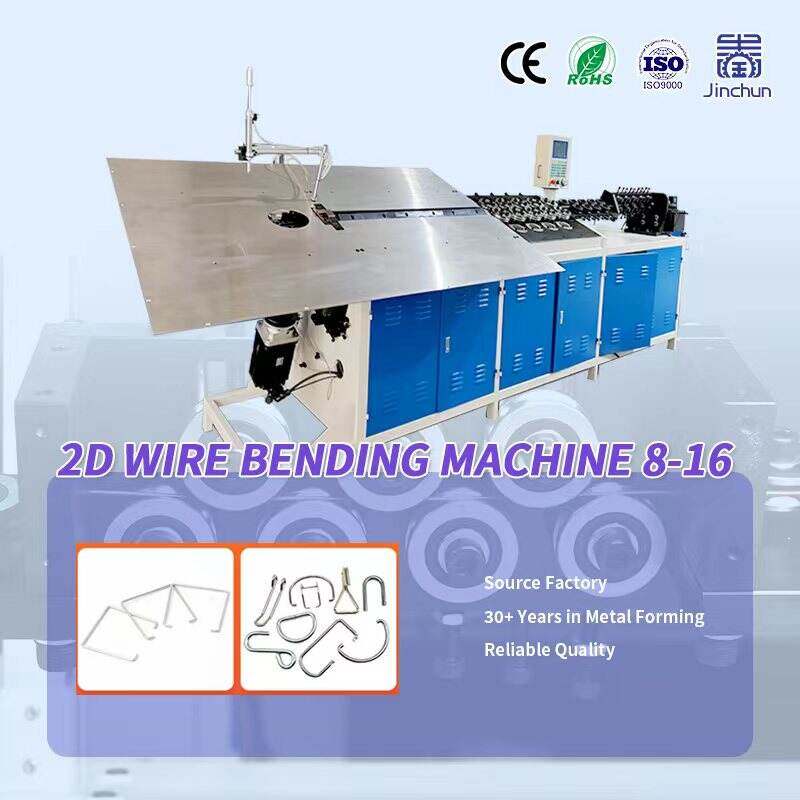
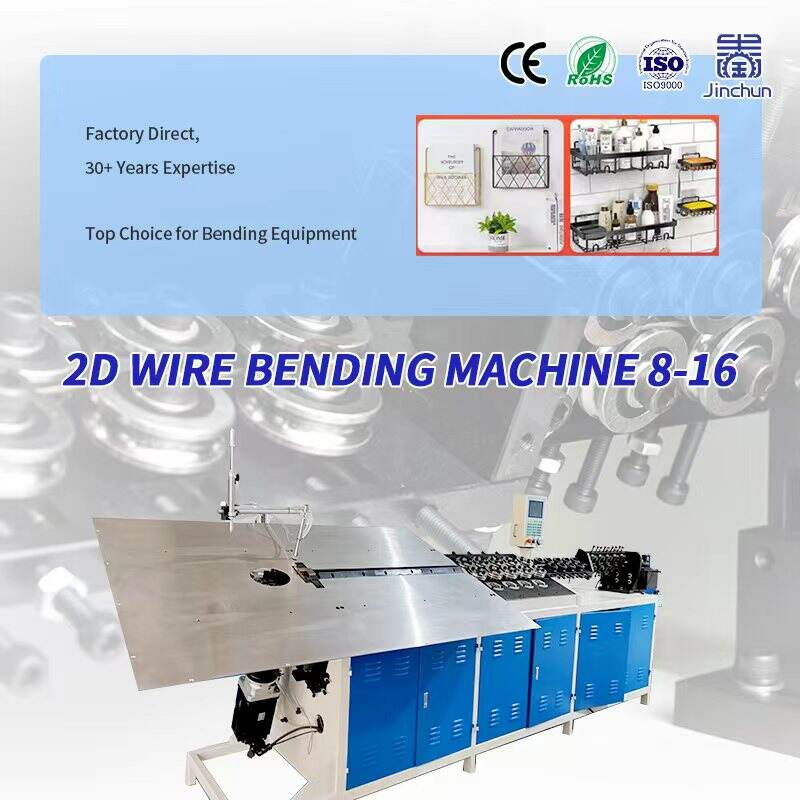
The versatility of metal wire bending processes encompasses an extensive range of materials and applications that serve diverse industrial sectors with specialized requirements. Professional metal wire bending operations accommodate ferrous and non-ferrous metals including carbon steel, stainless steel, aluminum, copper, brass, bronze, titanium, and exotic alloys designed for specific environmental conditions or performance criteria. This broad material compatibility enables engineers to select optimal wire compositions that balance mechanical properties, corrosion resistance, electrical conductivity, and cost considerations for their particular applications. Advanced metal wire bending techniques adapt to varying wire diameters, from fine gauge wires used in electronic components to heavy-duty cables employed in construction and infrastructure projects. The process flexibility extends to wire cross-sectional shapes, accommodating round, square, rectangular, and custom profiles that meet unique design requirements. Surface treatments and coatings applied before or after metal wire bending include galvanizing, powder coating, anodizing, and specialized platings that enhance durability and appearance while maintaining dimensional integrity. Application versatility makes metal wire bending indispensable across automotive, aerospace, electronics, construction, furniture, medical device, and consumer product industries. In automotive applications, metal wire bending produces seat springs, suspension components, brake lines, and wiring harnesses that must withstand demanding operational conditions while maintaining safety and performance standards. Aerospace applications require metal wire bending for control cables, structural supports, and electrical connections that meet stringent weight and reliability requirements. Electronic industry applications utilize precision metal wire bending for connector pins, component leads, and EMI shielding elements that ensure proper electrical performance and signal integrity. The construction industry relies on metal wire bending for reinforcing elements, fasteners, and architectural details that combine structural strength with aesthetic appeal. This versatility advantage enables customers to consolidate their supplier base while ensuring consistent quality standards across multiple product lines and applications.
 EN
EN