Straightening Machine Price Guide: Advanced Industrial Equipment for Precision Metal Correction

Get a Free Quote

Our representative will contact you soon.
Email
Name
Company Name
Phone / WhatsApp
Required Product
Message
0/1000

straightening machine price

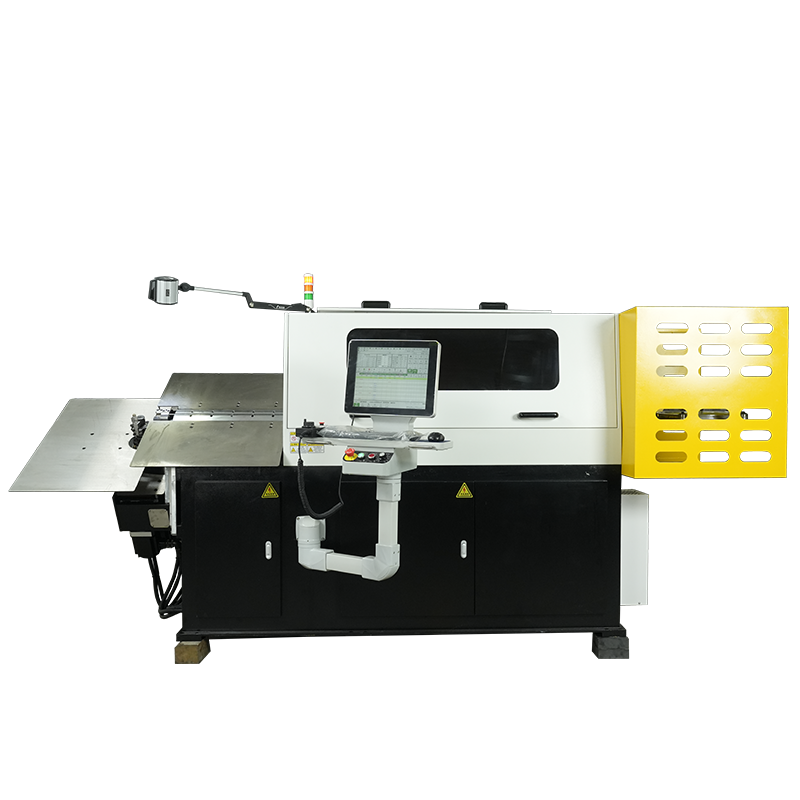
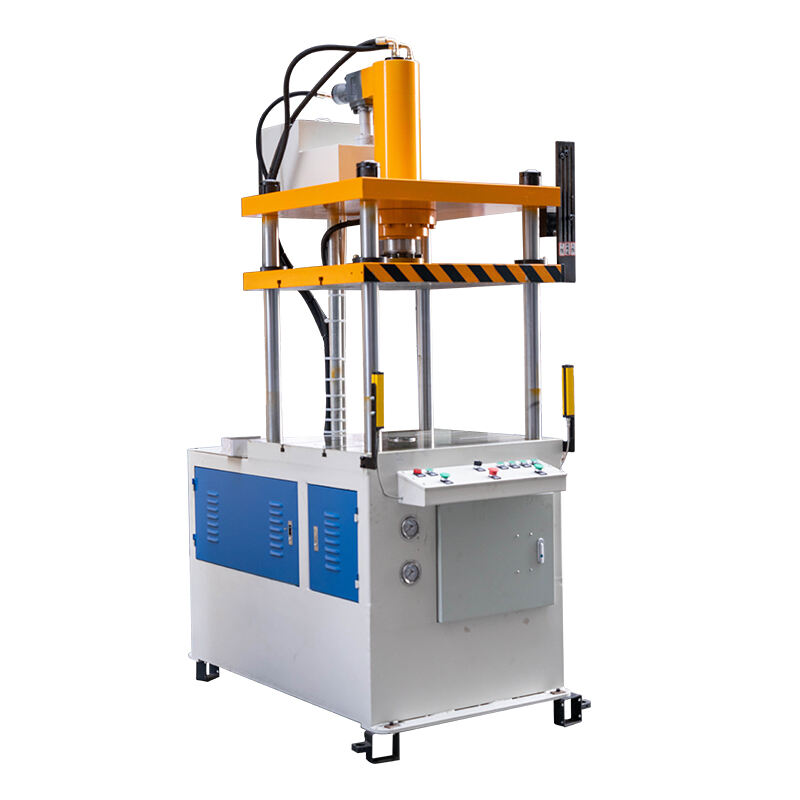
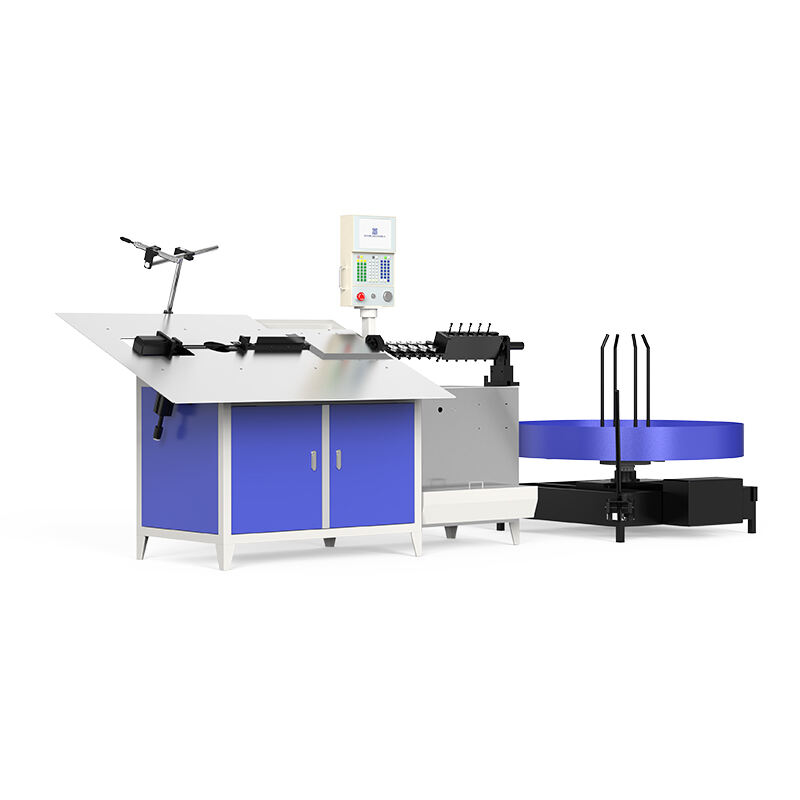
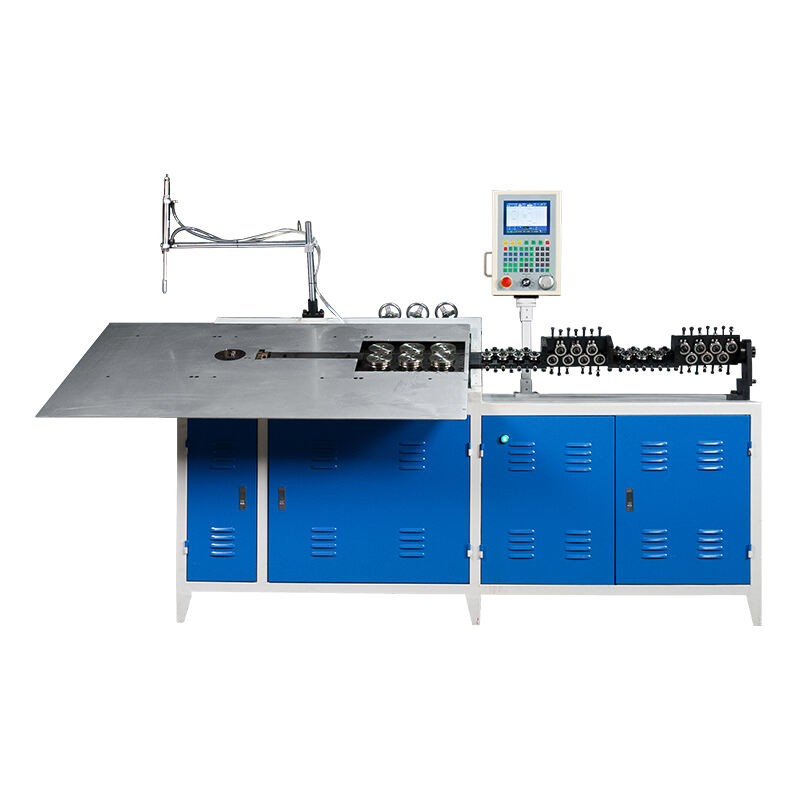
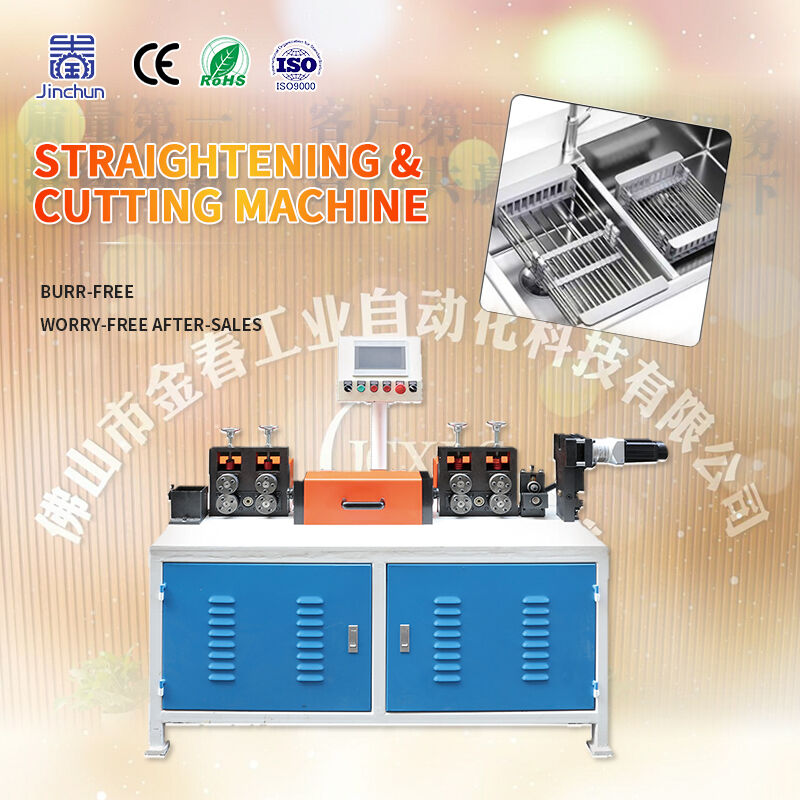
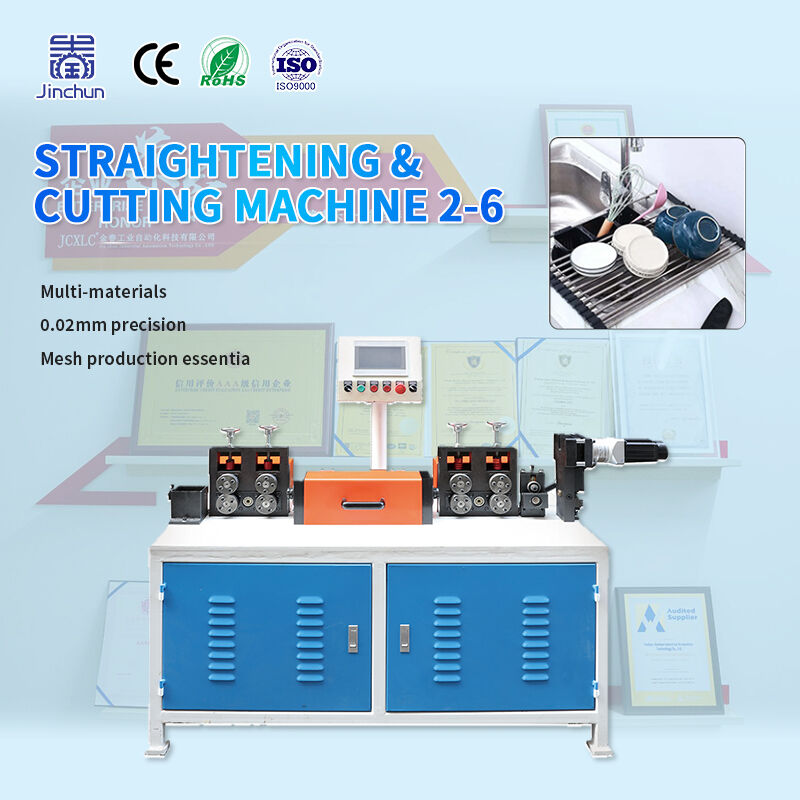
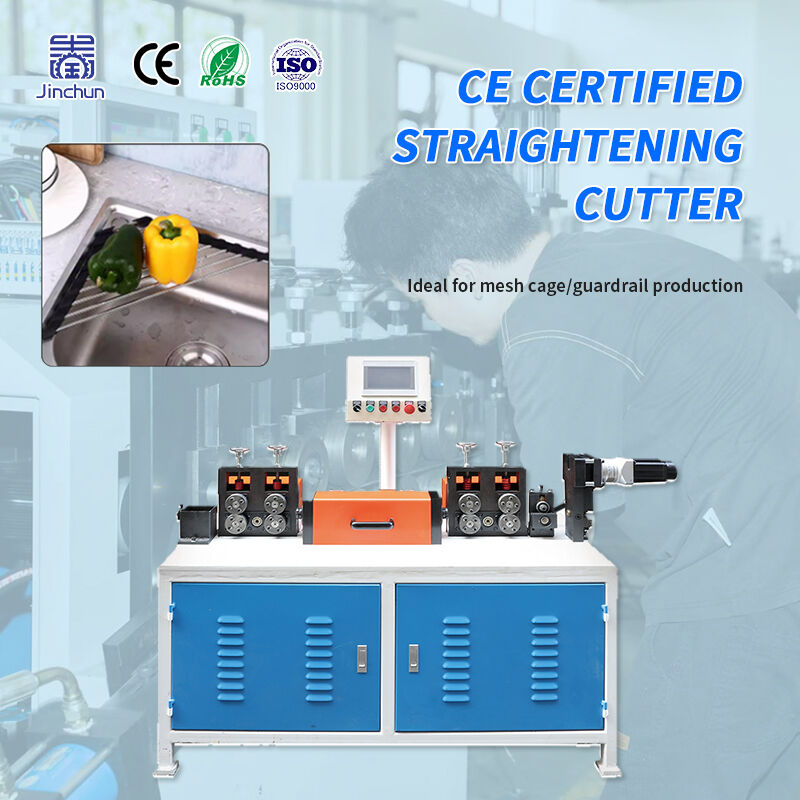
Understanding straightening machine price requires examining the comprehensive value these industrial devices deliver to manufacturing operations. Straightening machines serve as essential equipment for correcting deformations in metal bars, rods, tubes, and wire products, ensuring materials meet precise dimensional specifications. The straightening machine price reflects sophisticated engineering that combines mechanical precision with advanced control systems to deliver consistent results across various material types and sizes. These machines utilize multiple roller configurations or press mechanisms to apply controlled force, gradually eliminating bends, twists, and other irregularities that occur during production or transportation. Modern straightening equipment incorporates servo-driven motors, programmable logic controllers, and digital measurement systems that monitor material positioning and straightness in real-time. The straightening machine price encompasses not only the hardware components but also integrated software solutions that optimize processing parameters based on material properties, desired tolerances, and production requirements. Key technological features include adjustable roller spacing, variable speed control, automatic feeding systems, and precision measurement capabilities that ensure consistent output quality. Applications span numerous industries including automotive manufacturing, construction, aerospace, and general metalworking where straight components are critical for assembly processes and structural integrity. The straightening machine price varies significantly based on capacity, automation level, and specialized features such as multi-axis correction capabilities or integrated quality inspection systems. Investment considerations extend beyond initial purchase costs to include installation requirements, operator training, maintenance schedules, and long-term productivity gains. Advanced models offer computer numerical control integration, allowing seamless connection with existing production management systems and enabling data collection for process optimization and quality assurance documentation.

New Product Releases

The straightening machine price delivers exceptional return on investment through multiple operational advantages that directly impact manufacturing efficiency and product quality. Primary benefits include dramatic reduction in material waste, as these machines salvage previously unusable bent or twisted components that would otherwise require costly replacement or extensive manual correction processes. Production throughput increases substantially when straightening operations are automated, eliminating bottlenecks caused by manual straightening methods that are time-consuming and inconsistent in results. Labor cost savings represent another significant advantage, as automated straightening reduces dependence on skilled workers for precision correction tasks while allowing existing personnel to focus on higher-value activities. Quality consistency improves markedly because mechanical straightening systems apply uniform pressure and follow programmed parameters, eliminating human error variables that affect manual processes. The straightening machine price includes advanced monitoring capabilities that detect and correct dimensional variations in real-time, preventing defective products from advancing through production lines and reducing costly rework or customer returns. Energy efficiency benefits emerge from optimized processing cycles that minimize power consumption while maximizing output, contributing to reduced operating costs and environmental sustainability goals. Maintenance requirements are typically lower compared to older straightening methods because modern machines feature robust construction, self-lubricating components, and predictive maintenance systems that alert operators to service needs before breakdowns occur. Flexibility advantages allow manufacturers to process diverse material types and sizes without extensive setup changes, enabling rapid response to customer requirements and market demands. The straightening machine price encompasses safety enhancements including protective enclosures, emergency stop systems, and automated material handling that minimize workplace injury risks associated with manual straightening operations. Integration capabilities enable seamless connection with existing production lines, quality management systems, and enterprise resource planning software, creating comprehensive manufacturing solutions that optimize overall operational efficiency. Data collection and analysis features provide valuable insights into material characteristics, processing parameters, and quality trends that support continuous improvement initiatives and help manufacturers maintain competitive advantages in demanding market conditions.

Latest News

How Does a 3D Bending Machine Improve Precision in Metal Furniture Manufacturing?

27

Nov

How Does a 3D Bending Machine Improve Precision in Metal Furniture Manufacturing?

Metal furniture manufacturing has undergone a revolutionary transformation with the introduction of advanced automation technologies. Among the most significant innovations is the implementation of sophisticated bending equipment that delivers unprec...
View More
2D Bending Machines: Perfect for Pet Cages and Kitchen Organizers

15

Dec

2D Bending Machines: Perfect for Pet Cages and Kitchen Organizers

In the world of metal fabrication, efficiency and versatility are key. For manufacturers producing everyday items like pet cages and kitchen organizers, achieving consistent quality, complex designs, and cost-effectiveness is paramount. This is where...
View More
Automating Mesh Welding with Double-Layer XY Axis Welding Machines

07

Jan

Automating Mesh Welding with Double-Layer XY Axis Welding Machines

In the modern landscape of metal fabrication, the demand for high-quality mesh products—ranging from storage cages and display shelves to protective fencing and pet enclosures—has never been higher. To meet this demand while maintaining...
View More
The Ultimate Guide to CNC Wire Forming: Technology, Applications, and Choosing the Right Partner

15

Jan

The Ultimate Guide to CNC Wire Forming: Technology, Applications, and Choosing the Right Partner

In the modern industrial landscape, precision and efficiency are the cornerstones of successful manufacturing. CNC wire forming (Computer Numerical Control wire forming) has emerged as an essential technology, allowing for the rapid manipulation of m...
View More

Get a Free Quote

Our representative will contact you soon.
Email
Name
Company Name
Phone / WhatsApp
Required Product
Message
0/1000

straightening machine price

Advanced Precision Control Technology

Advanced Precision Control Technology

The straightening machine price incorporates cutting-edge precision control technology that revolutionizes material correction processes across industrial applications. This sophisticated system combines servo-driven actuators with high-resolution encoders and advanced algorithms to achieve unprecedented accuracy in straightening operations. The control technology continuously monitors material position, applies precise corrective forces, and adjusts processing parameters in real-time to accommodate variations in material properties or dimensional characteristics. Integrated feedback systems ensure that straightening forces are applied gradually and consistently, preventing over-correction or material damage that can occur with less sophisticated equipment. The straightening machine price reflects investment in programmable logic controllers that store multiple processing recipes, allowing operators to quickly switch between different material types, sizes, and straightness requirements without extensive manual adjustments. Touch-screen interfaces provide intuitive operation while displaying critical process parameters, quality metrics, and diagnostic information that enables operators to optimize performance and identify potential issues before they impact production. Advanced sensor arrays detect material entry angles, measure straightness throughout the correction process, and verify final dimensions to ensure compliance with specified tolerances. The precision control technology adapts automatically to material hardness variations, cross-sectional changes, and other factors that influence straightening requirements, maintaining consistent output quality regardless of input material variations. Diagnostic capabilities monitor system performance, track component wear patterns, and predict maintenance needs to minimize unplanned downtime and extend equipment life. Integration protocols enable seamless communication with upstream and downstream equipment, creating coordinated production lines that optimize material flow and quality control processes. The straightening machine price includes comprehensive software packages that provide statistical process control, quality documentation, and performance analysis tools essential for modern manufacturing operations.
Multi-Material Processing Capability

Multi-Material Processing Capability

The straightening machine price reflects exceptional versatility in processing diverse materials ranging from soft aluminum alloys to high-strength steel compositions, making these systems invaluable for manufacturers serving multiple industries or handling varied product lines. This multi-material capability stems from sophisticated design features including adjustable roller configurations, variable pressure settings, and adaptive control algorithms that automatically optimize processing parameters based on material characteristics. The equipment handles round bars, square sections, hexagonal profiles, and custom shapes with equal precision, eliminating the need for multiple specialized machines and reducing capital equipment investments. Material compatibility extends across different temper conditions, surface treatments, and dimensional ranges, allowing manufacturers to consolidate straightening operations and improve production efficiency. The straightening machine price encompasses advanced material identification systems that automatically recognize different alloys and adjust processing parameters accordingly, preventing material damage and ensuring optimal straightening results. Specialized roller coatings and surface treatments minimize marking or scratching during processing while maintaining precise dimensional control across various material hardness levels. Quick-change tooling systems enable rapid reconfiguration for different material sizes or profiles, reducing setup time and increasing productive capacity when processing mixed product batches. Temperature compensation features account for thermal expansion effects during processing, particularly important when handling materials that generate heat during straightening operations. The straightening machine price includes comprehensive material databases containing optimized processing parameters for common alloys and profiles, with capability for custom parameter development when processing specialized materials or unique applications. Quality validation systems verify straightening results against material-specific tolerances, ensuring that each processed component meets required specifications regardless of input material variations. Automated material handling systems accommodate different material weights, lengths, and surface conditions while maintaining safe and efficient processing workflows that maximize productivity and minimize operator intervention requirements.
Comprehensive Quality Assurance Integration

Comprehensive Quality Assurance Integration

The straightening machine price includes integrated quality assurance systems that provide comprehensive monitoring, documentation, and control capabilities essential for maintaining consistent product quality and regulatory compliance in demanding manufacturing environments. These systems combine multiple measurement technologies including laser displacement sensors, linear variable differential transformers, and optical inspection systems to continuously monitor material straightness throughout the correction process. Real-time quality feedback enables immediate process adjustments when measurements indicate deviation from specified tolerances, preventing production of non-conforming parts and reducing material waste. The straightening machine price encompasses statistical process control software that analyzes quality trends, identifies process variations, and generates alerts when parameters drift beyond acceptable ranges. Automatic data logging creates comprehensive quality records that include material identification, processing parameters, measurement results, and operator information required for traceability and audit compliance. Integration with enterprise quality management systems enables seamless data transfer and analysis across multiple production lines and facilities. The quality assurance capabilities extend beyond dimensional verification to include surface condition monitoring, material integrity assessment, and geometric tolerance validation using advanced measurement algorithms. Automated sorting systems can separate conforming and non-conforming parts based on quality measurements, ensuring only acceptable products advance to subsequent manufacturing operations. The straightening machine price includes calibration management systems that track measurement device accuracy, schedule regular calibrations, and maintain certification records required for quality system compliance. Pre-production qualification protocols verify system capability for new materials or specifications before full production implementation, reducing risk of quality issues during manufacturing runs. Quality reporting features generate comprehensive documentation including control charts, capability studies, and compliance certificates that support customer quality requirements and regulatory submissions. Advanced analytics identify correlations between material characteristics, processing parameters, and quality outcomes, enabling continuous improvement initiatives that enhance overall manufacturing capability and competitiveness.

Get a Free Quote

Our representative will contact you soon.
Email
Name
Company Name
Phone / WhatsApp
Required Product
Message
0/1000

Get a Free Quote

Our representative will contact you soon.
Email
Name
Company Name
Phone / WhatsApp
Required Product
Message
0/1000