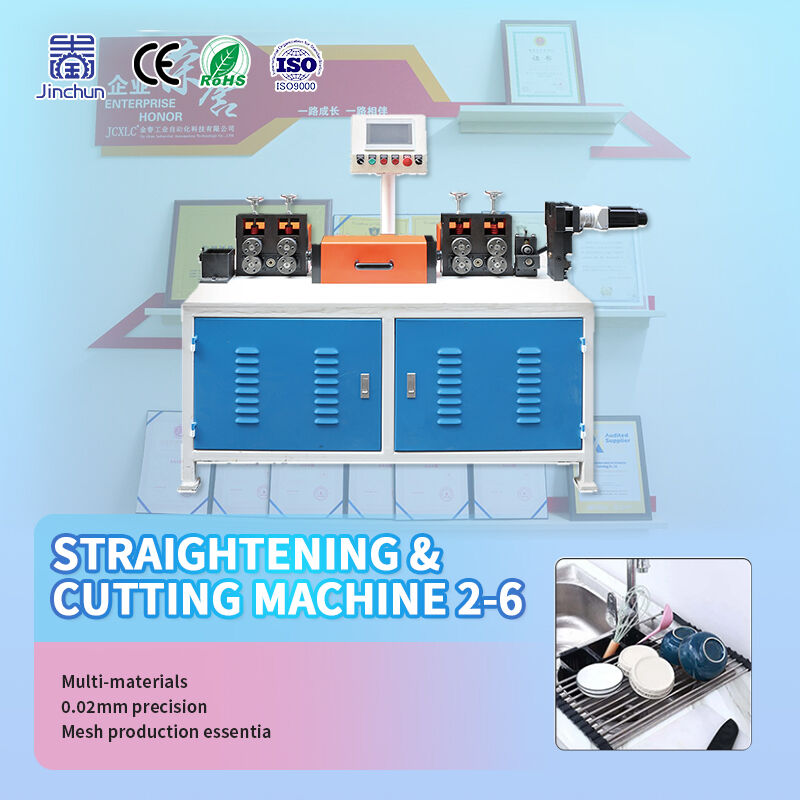
bar straightening machine price
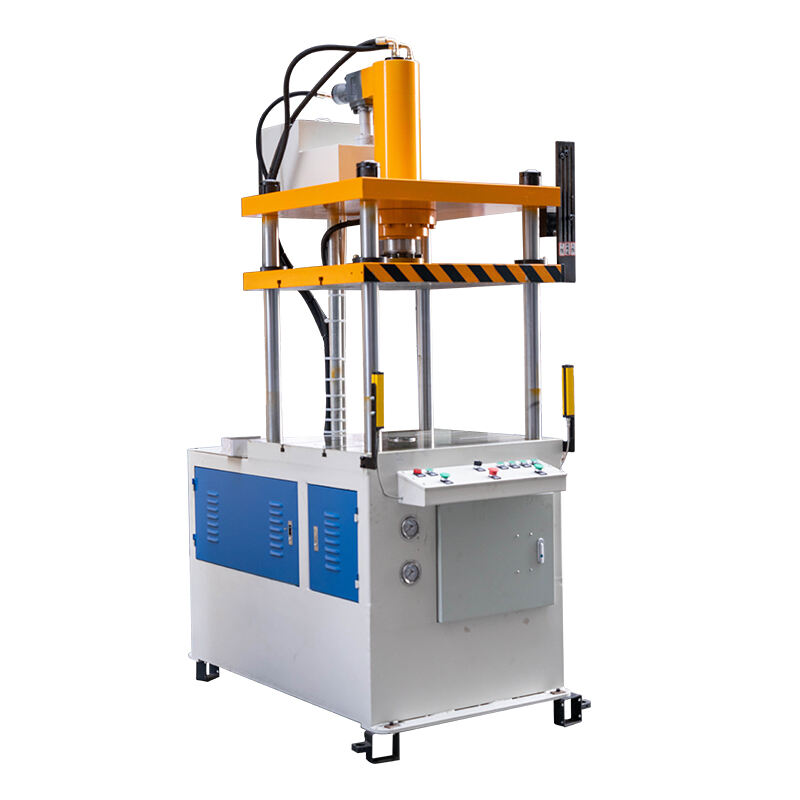
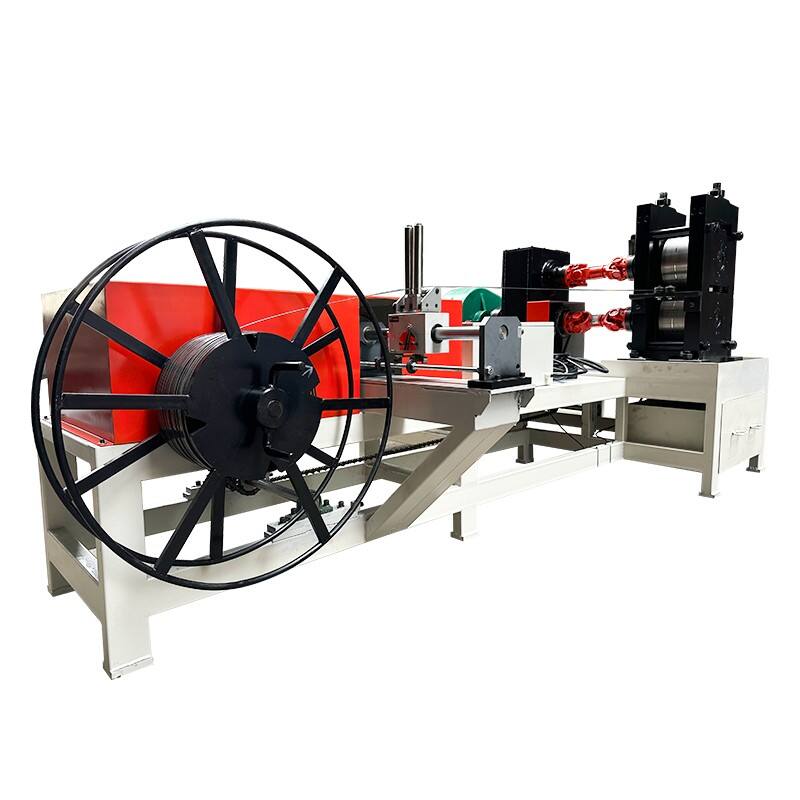
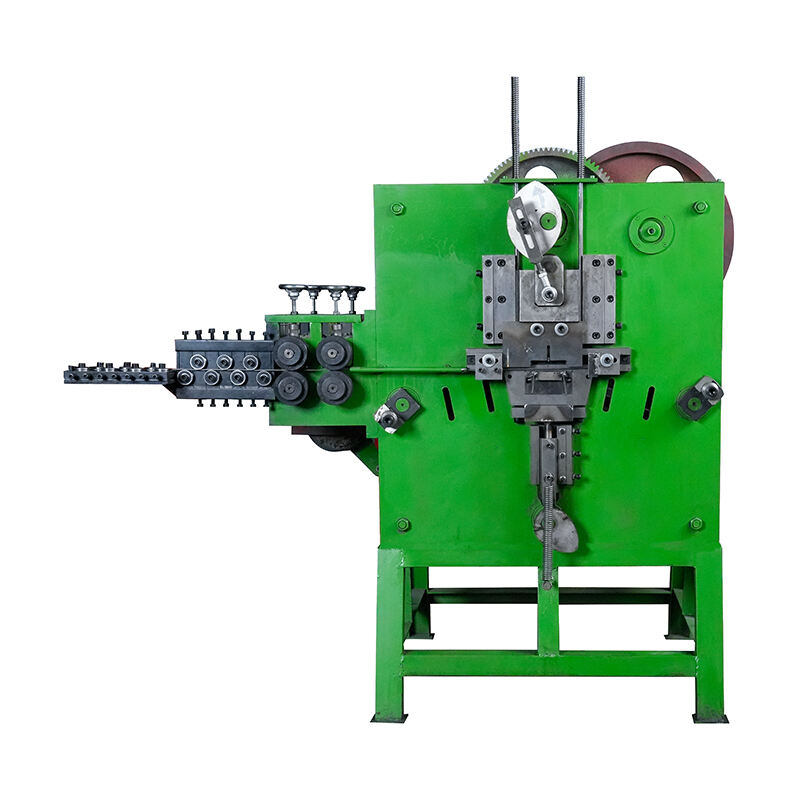
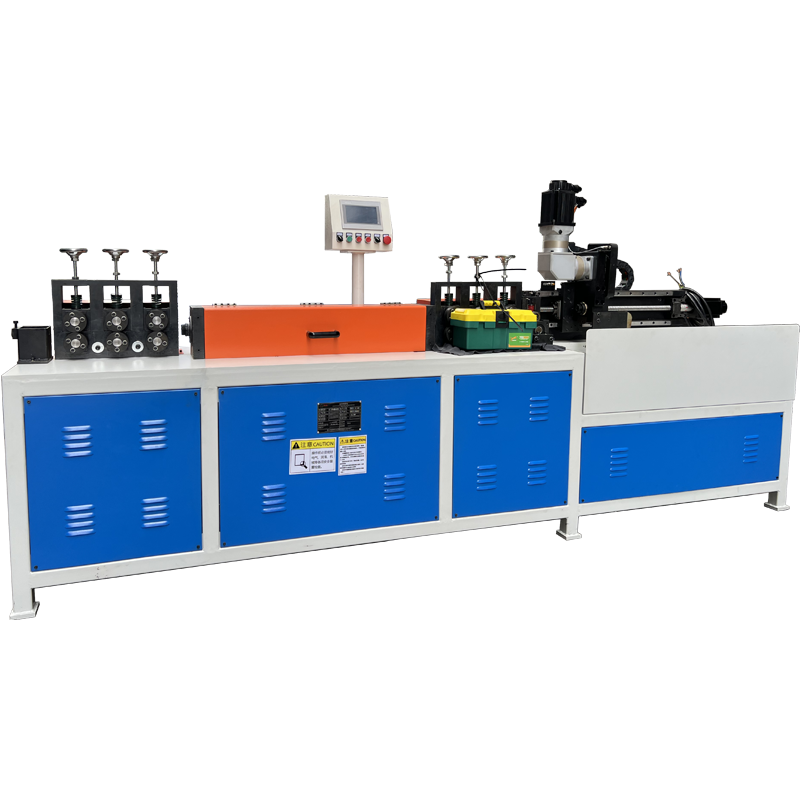
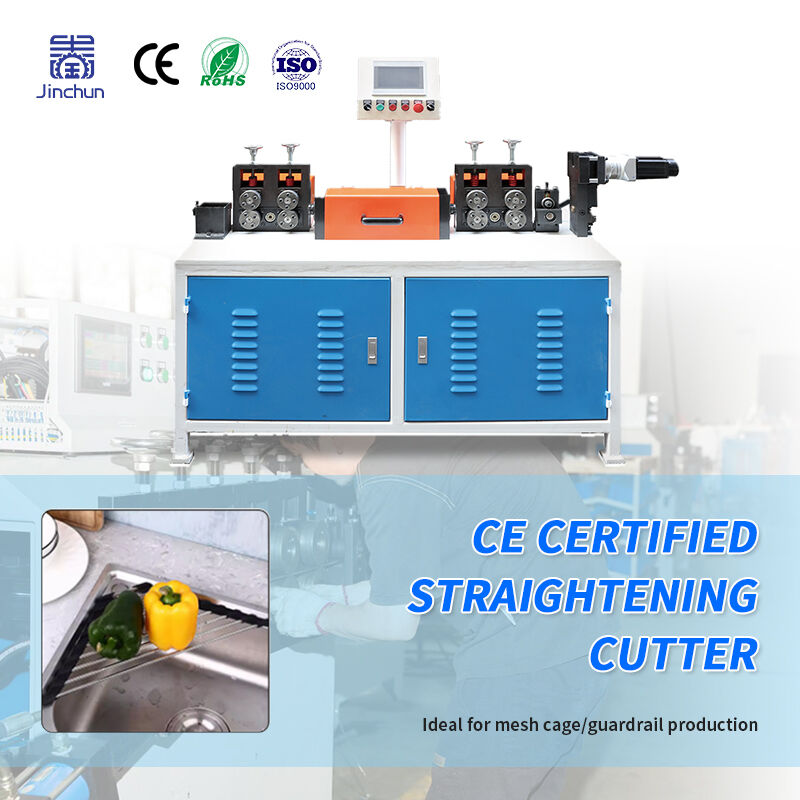
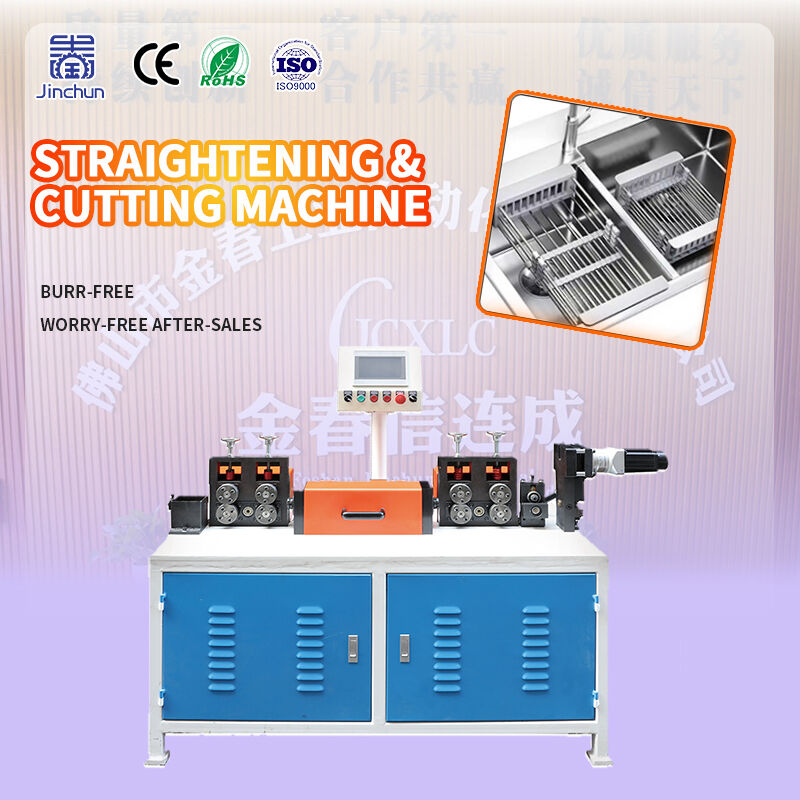
The bar straightening machine price represents a crucial investment for manufacturers seeking to enhance their metal processing capabilities while maintaining cost-effectiveness. These sophisticated pieces of equipment serve the primary function of correcting deformed, bent, or twisted metal bars, rods, and profiles to achieve precise straightness tolerances required in construction and manufacturing applications. Modern bar straightening machines incorporate advanced hydraulic systems, precision roller assemblies, and computer-controlled positioning mechanisms that enable operators to process various metal types including steel, aluminum, copper, and stainless steel with remarkable accuracy. The technological features of contemporary models include programmable logic controllers that allow for automated operation sequences, reducing manual labor requirements and improving consistency across production runs. Variable speed controls enable operators to adjust processing speeds based on material properties and desired outcomes, while integrated measuring systems provide real-time feedback on straightness parameters. The bar straightening machine price varies significantly based on capacity specifications, automation levels, and manufacturing quality, with entry-level models starting around fifteen thousand dollars and high-capacity industrial units reaching several hundred thousand dollars. Applications span multiple industries including construction where reinforcement bars require precise straightening, automotive manufacturing for chassis components, aerospace for structural elements, and general fabrication where material quality directly impacts final product performance. The versatility of these machines extends to processing round bars, square profiles, hexagonal rods, and custom shapes up to specific diameter limits determined by machine specifications. Investment considerations for bar straightening machine price should account for long-term operational costs, maintenance requirements, energy consumption, and potential productivity gains that justify initial capital expenditure through improved material utilization and reduced waste generation.
 EN
EN