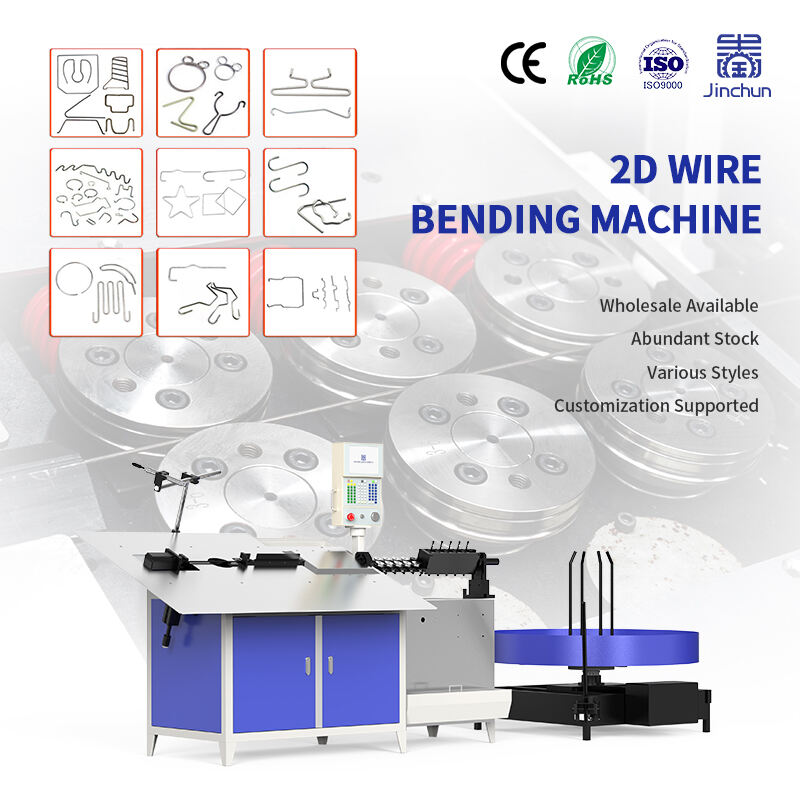
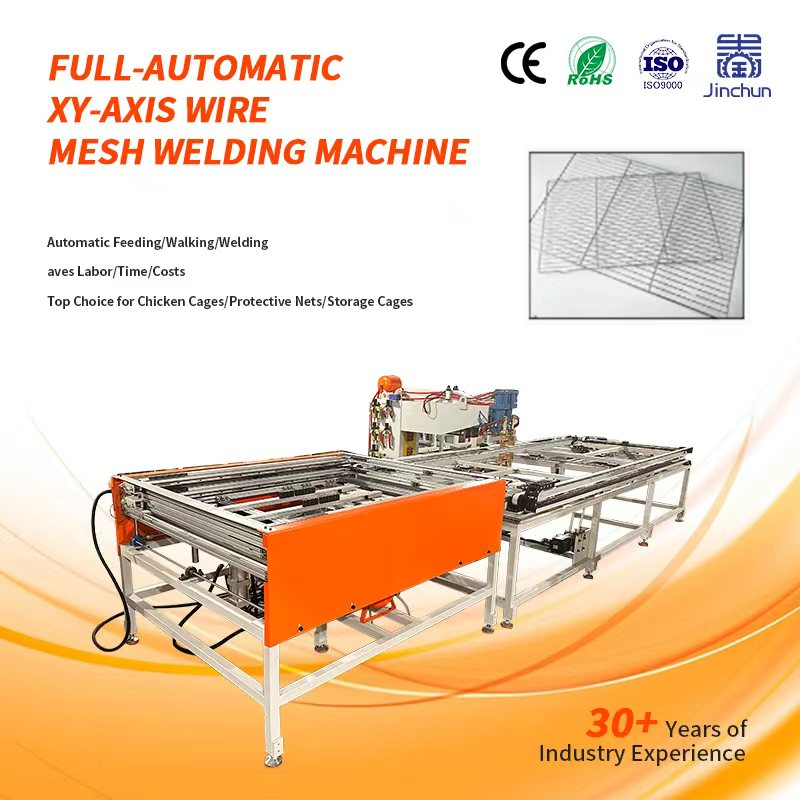
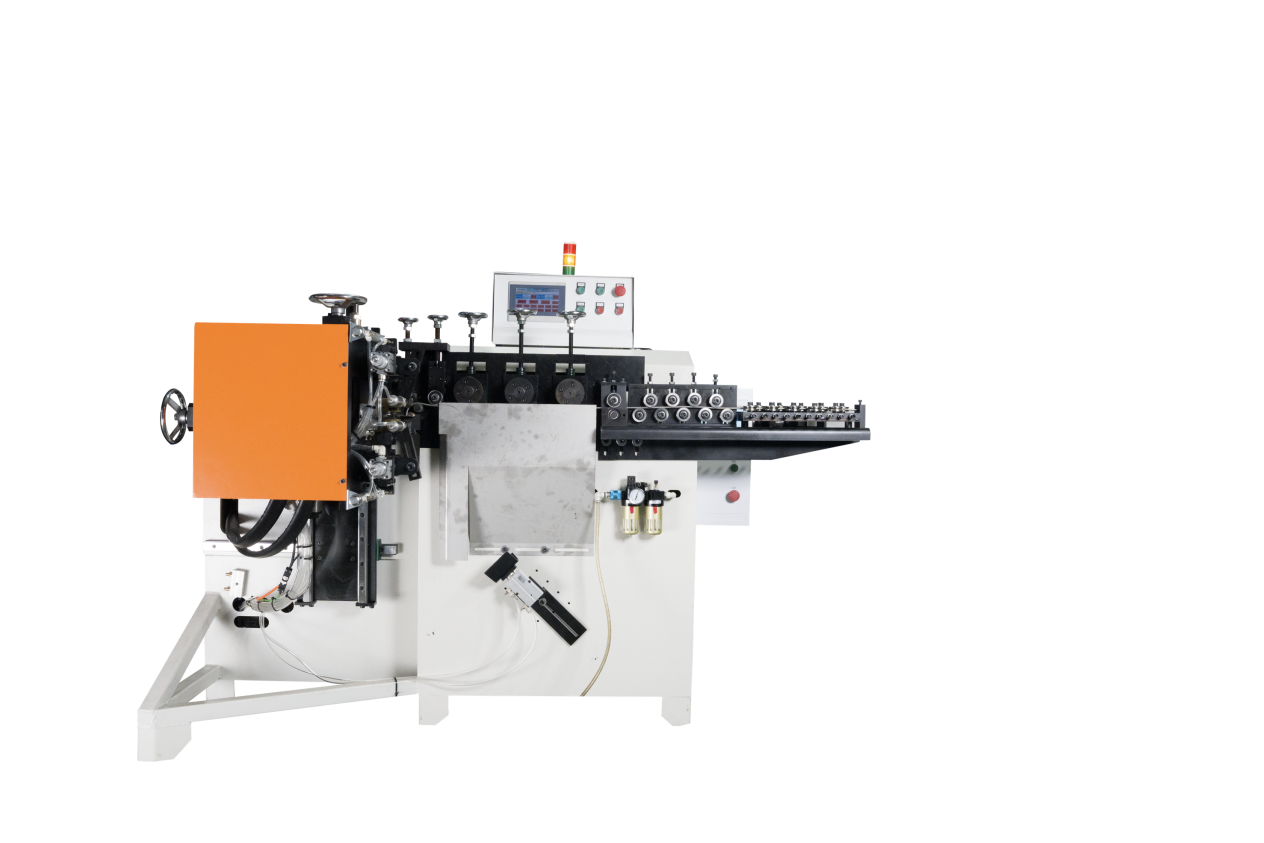
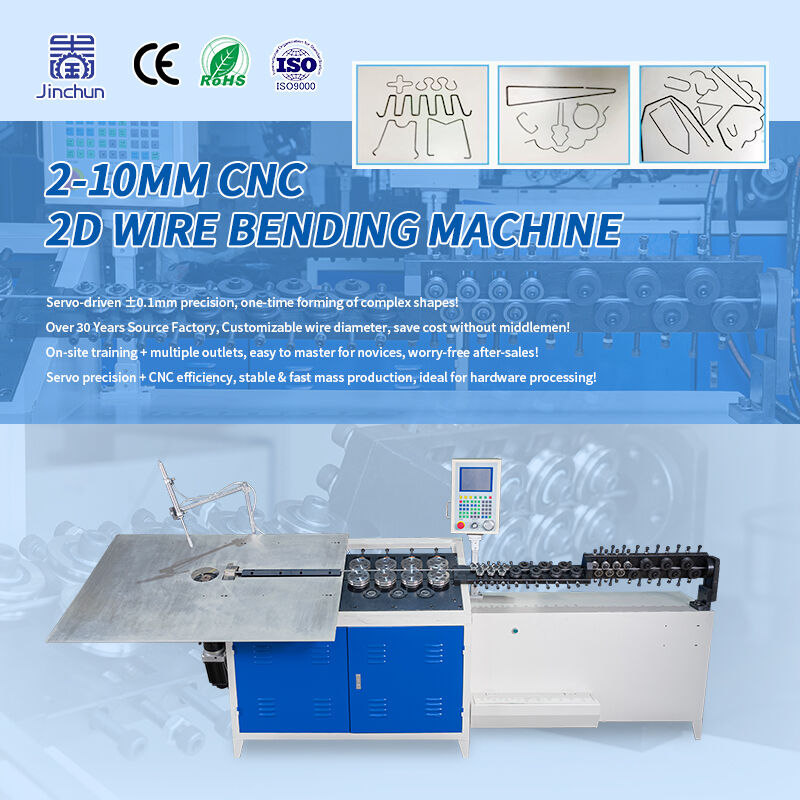
servo cnc wire bending machine
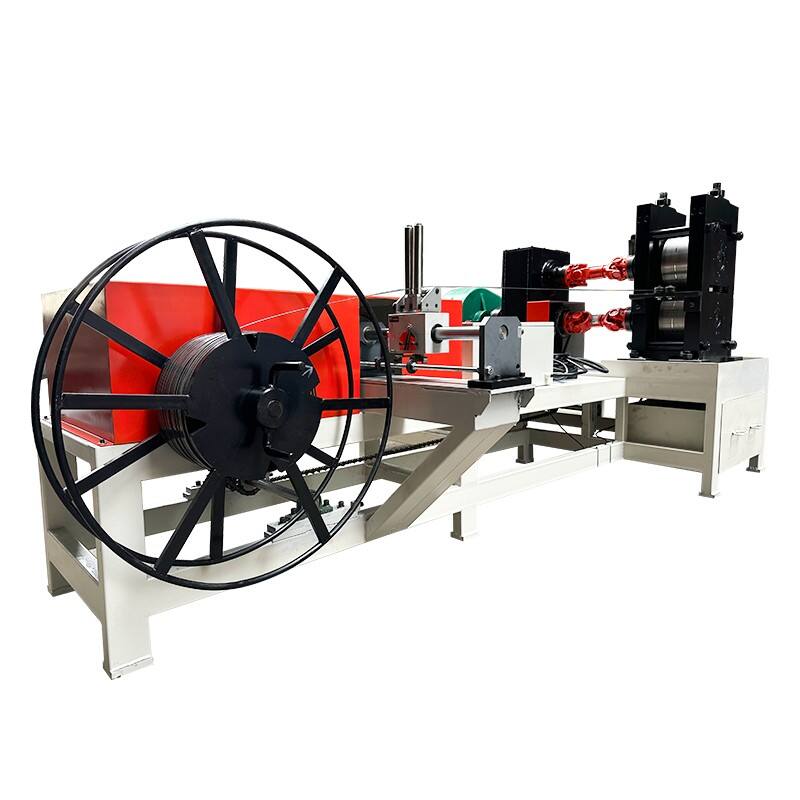
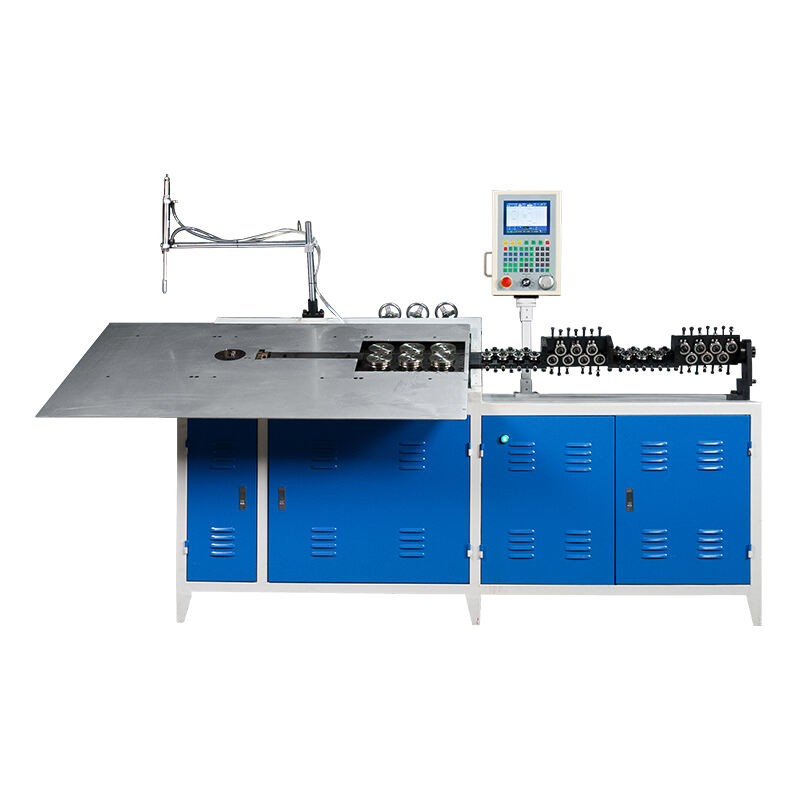
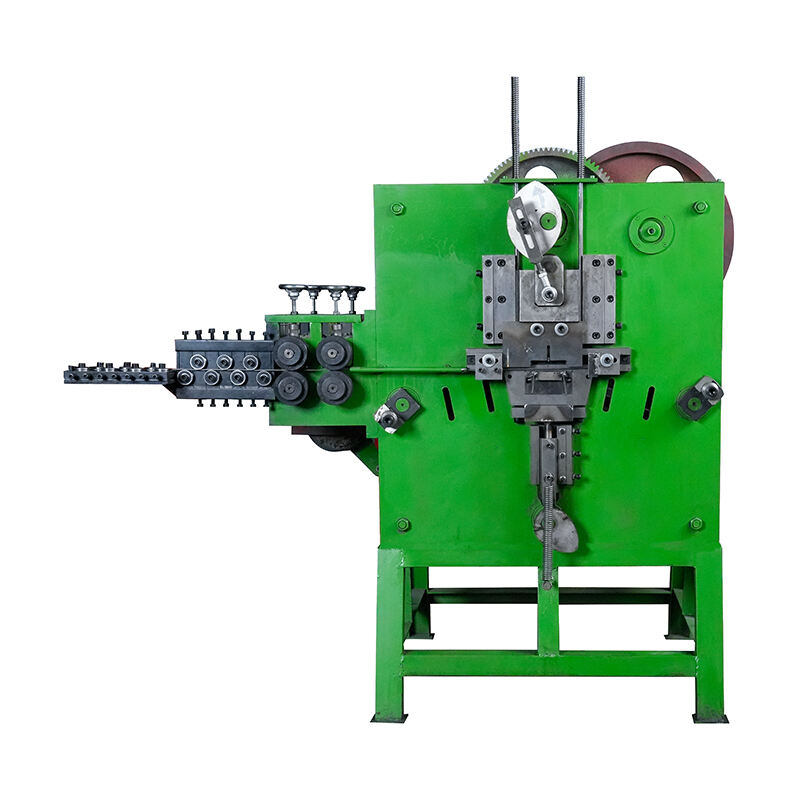
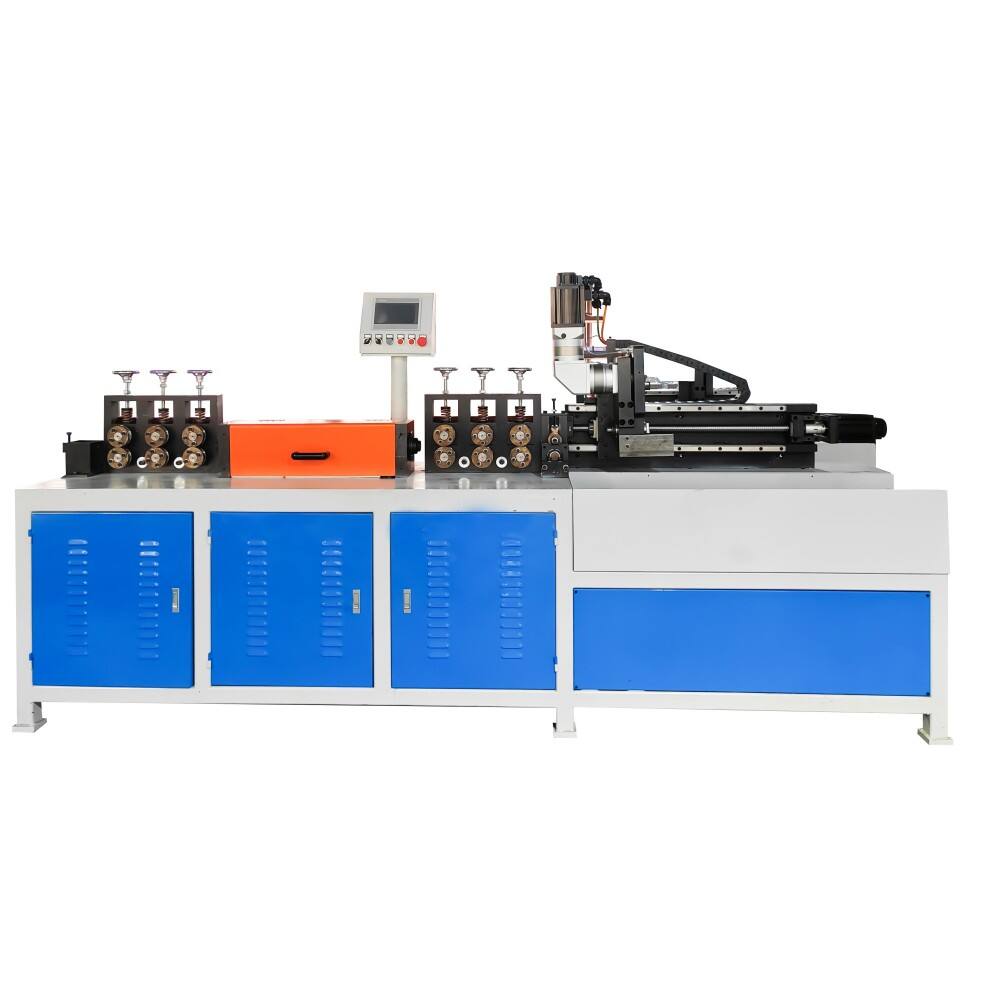
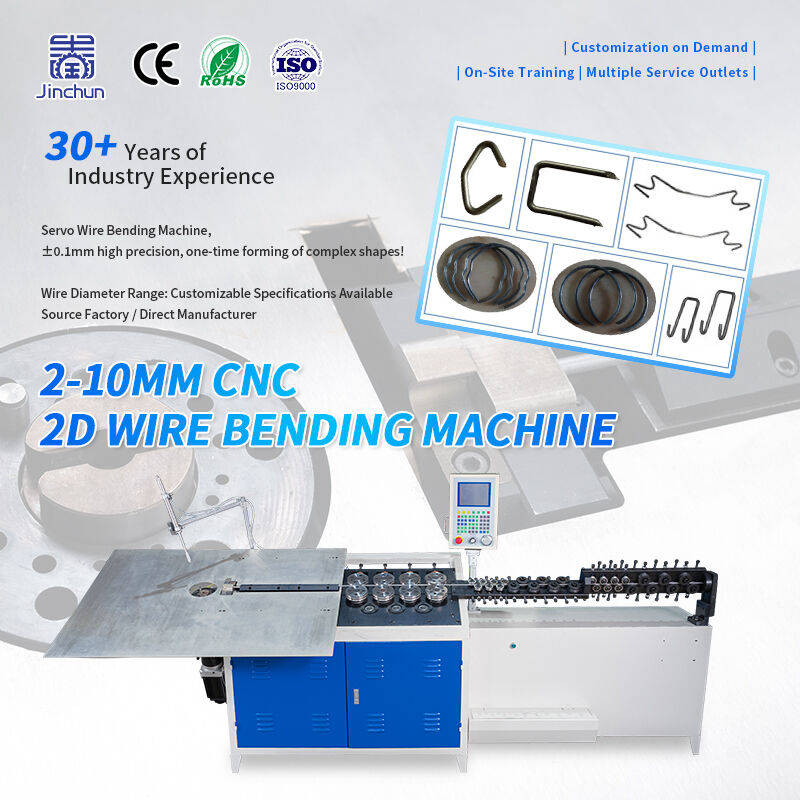
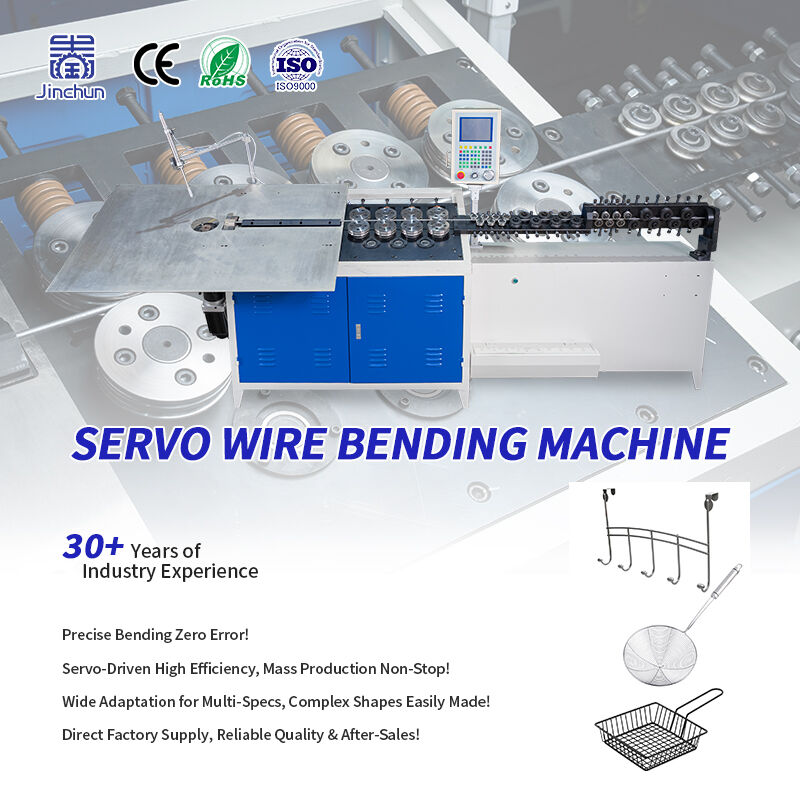
The servo cnc wire bending machine represents a cutting-edge solution for precision wire forming applications across multiple industries. This advanced manufacturing equipment combines computer numerical control technology with high-precision servo motors to deliver exceptional accuracy in wire bending operations. The servo cnc wire bending machine operates through sophisticated programming that allows operators to create complex wire shapes with consistent repeatability and minimal waste. The machine's primary function involves transforming straight wire materials into predetermined configurations through automated bending processes. Key technological features include multi-axis servo control systems that provide precise positioning control, programmable bending angles with accuracy up to 0.1 degrees, and variable speed control for optimal processing efficiency. The servo cnc wire bending machine incorporates advanced feedback systems that continuously monitor bending parameters and automatically adjust operations to maintain quality standards. Material handling capabilities extend to various wire types including steel, aluminum, copper, and specialty alloys with diameters ranging from 0.5mm to 20mm depending on machine specifications. The control interface features user-friendly touchscreen displays that enable easy program setup, modification, and monitoring of production parameters. Integrated safety systems include emergency stops, protective enclosures, and collision detection mechanisms that ensure operator safety during operation. Application areas for the servo cnc wire bending machine span automotive manufacturing for creating suspension components and wire harnesses, furniture production for chair frames and decorative elements, construction industry applications including rebar processing and structural components, and electronics manufacturing for connector pins and circuit board components. The machine's versatility extends to prototype development and small-batch production runs where flexibility and quick setup changes are essential. Quality control features include real-time monitoring systems that detect deviations from programmed specifications and automatic correction capabilities that maintain consistent output quality throughout production runs.
 EN
EN