 EN
EN


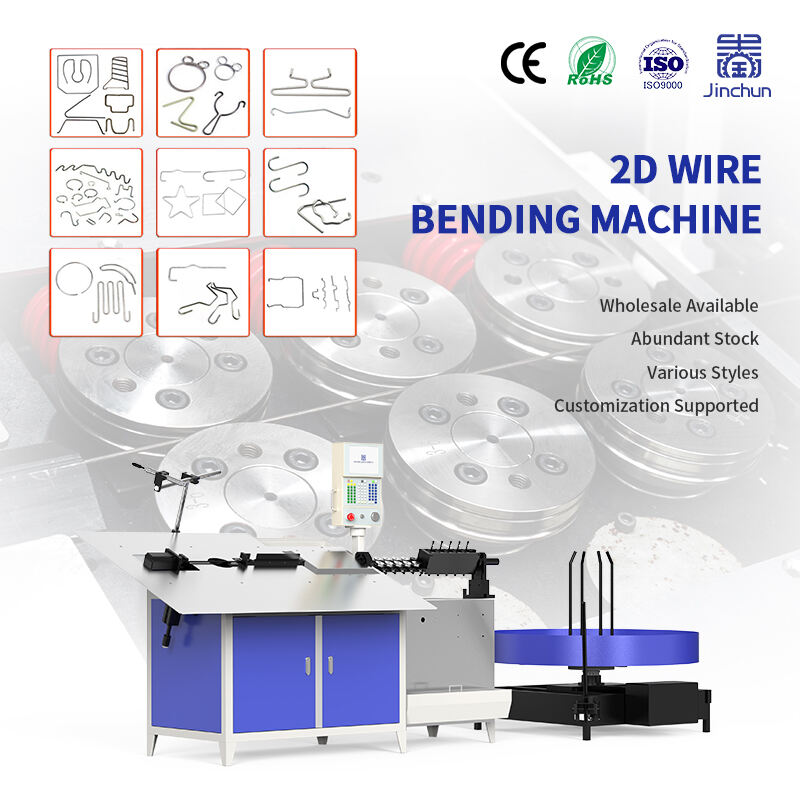
Selecting the appropriate bending machines for your manufacturing shop represents one of the most critical investments you'll make in your production capabilities. The right equipment can dramatically improve efficiency, precision, and profitability while reducing waste and operational costs. Understanding the various types of bending machines available, their specific applications, and key performance factors will help you make an informed decision that serves your business for years to come.
Understanding Different Types of Bending Technology
Hydraulic Bending Systems
Hydraulic bending machines utilize pressurized fluid to generate the force needed for metal forming operations. These systems excel in applications requiring high tonnage and consistent pressure throughout the bending cycle. The hydraulic approach provides excellent control over bending speed and force application, making it ideal for thick materials and complex geometries. Modern hydraulic systems incorporate sophisticated pressure control mechanisms that ensure repeatable results across production runs.
The primary advantage of hydraulic technology lies in its ability to maintain constant force regardless of material thickness variations. This characteristic proves particularly valuable when working with materials that exhibit inconsistent properties or when processing mixed batches. Additionally, hydraulic systems can accommodate a wide range of tooling options, providing flexibility for diverse manufacturing requirements.
CNC Wire Bending Technology
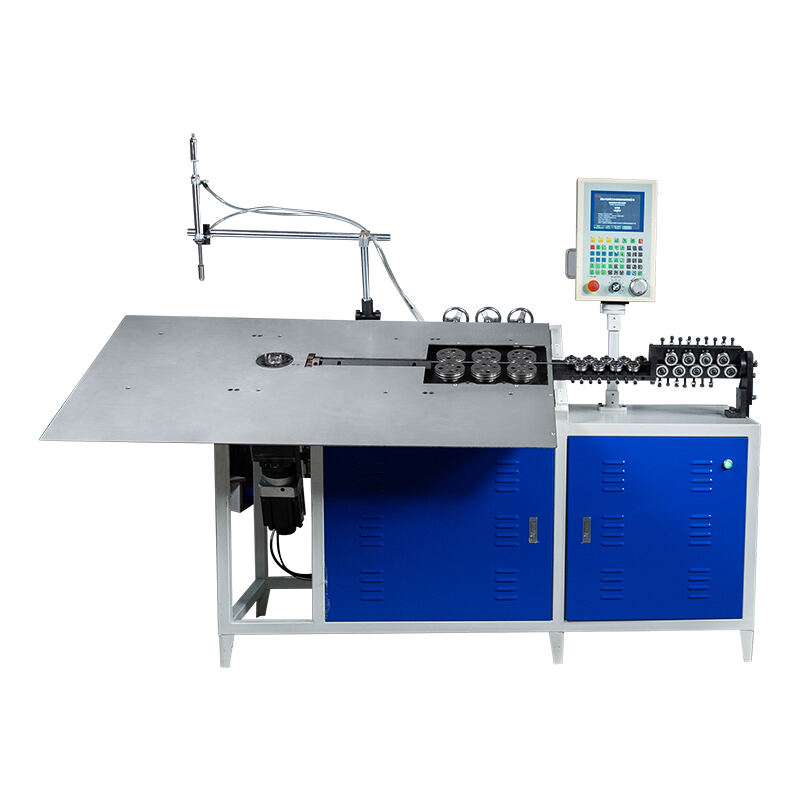
Computer numerical control wire bending machines represent the pinnacle of precision and automation in wire forming applications. These systems utilize servo motors and advanced control algorithms to achieve extremely tight tolerances while maintaining high production speeds. CNC technology enables complex multi-axis bending operations that would be impossible or impractical with manual equipment.
Programming flexibility stands as a major benefit of CNC wire bending systems. Operators can store multiple part programs, switch between different products quickly, and implement design changes without extensive setup procedures. The integration of feedback systems ensures consistent quality and enables real-time adjustments based on material characteristics or environmental conditions.
Pneumatic Bending Solutions
Pneumatic bending machines offer a cost-effective solution for lighter materials and applications where extreme precision isn't paramount. These systems use compressed air to generate bending force, resulting in lower operating costs and reduced maintenance requirements compared to hydraulic alternatives. Pneumatic systems typically feature faster cycle times due to the rapid response characteristics of compressed air.
The simplicity of pneumatic systems makes them attractive for shops with limited technical expertise or those processing standardized products. Setup procedures are generally straightforward, and the reduced complexity translates to lower initial investment costs and simplified maintenance protocols.
Material Considerations and Compatibility
Steel Processing Requirements
Steel bending applications demand careful consideration of material properties, including yield strength, work hardening characteristics, and spring-back behavior. Different steel grades exhibit varying responses to bending forces, requiring appropriate machine selection and tooling configuration. High-strength steels typically necessitate greater bending forces and may require specialized tooling to achieve acceptable bend radii without cracking.
Heat treatment conditions significantly impact steel bending characteristics. Annealed materials bend more easily but may lack the strength required for final applications, while hardened steels provide superior mechanical properties but present greater challenges during forming operations. Understanding these relationships helps determine the appropriate machine specifications for your specific steel processing requirements.
Aluminum and Non-Ferrous Metals
Aluminum and other non-ferrous metals present unique challenges for bending operations due to their distinct mechanical properties. These materials often exhibit different spring-back characteristics compared to steel, requiring specialized programming or tooling compensation. Some aluminum alloys are particularly sensitive to work hardening, necessitating careful control of bending speeds and sequences.
Temperature considerations become critical when processing certain aluminum alloys, as excessive heat generation during bending can affect material properties and dimensional accuracy. Bending machines designed for non-ferrous applications often incorporate features such as adjustable speeds, specialized tooling materials, and enhanced cooling systems to address these challenges effectively.
Wire and Tube Bending Specifications
Wire and tube bending operations require specialized consideration of wall thickness, diameter relationships, and material flow characteristics. Thin-walled tubing may collapse under excessive bending forces, while thick-walled materials may require higher forces and specialized mandrel support systems. The selection of appropriate bending machines must account for these geometric constraints and material limitations.
Bending radius requirements play a crucial role in machine selection for wire and tube applications. Tight radius bends may necessitate specialized tooling or multi-stage bending processes, while larger radii can often be achieved with standard equipment configurations. Understanding the relationship between material properties, geometric requirements, and machine capabilities ensures optimal results.
Production Volume and Capacity Planning
High-Volume Manufacturing Considerations
High-volume production environments require bending machines capable of sustained operation with minimal downtime and consistent quality output. Automated feeding systems, quick-change tooling, and integrated quality control measures become essential for maintaining productivity targets. The initial investment in advanced automation typically pays dividends through reduced labor costs and improved throughput rates.
Preventive maintenance requirements scale significantly with production volume, making reliability and serviceability primary selection criteria. Machines designed for high-volume applications typically incorporate robust construction, premium components, and comprehensive diagnostic systems to minimize unplanned downtime and maintenance costs.
Small Batch and Custom Production
Small batch production and custom manufacturing operations benefit from flexible bending machines that can accommodate frequent changeovers and diverse part requirements. Quick setup capabilities, versatile tooling systems, and intuitive programming interfaces become more important than raw throughput capacity. The ability to handle varying material types and dimensions within a single machine platform provides significant advantages in these applications.
Cost per part considerations differ significantly in small batch environments, where setup time and material waste can represent substantial portions of total production costs. Bending machines optimized for small batch operations often feature advanced simulation software, automatic setup routines, and precision control systems that minimize these inefficiencies.
Precision and Quality Control Features
Dimensional Accuracy Requirements
Dimensional accuracy requirements vary significantly across different industries and applications, directly influencing the selection of appropriate bending machines. Aerospace and medical device manufacturing typically demand extremely tight tolerances, necessitating machines with advanced feedback systems and precision control capabilities. Understanding your specific accuracy requirements helps narrow the selection criteria and avoid over-specification costs.
Repeatability becomes increasingly important as production volumes increase and quality standards tighten. Modern bending machines incorporate various technologies to ensure consistent results, including closed-loop feedback systems, automatic compensation algorithms, and integrated measurement systems that verify part dimensions during production.
Surface Finish and Appearance Standards
Surface finish requirements significantly impact tooling selection and machine configuration for bending operations. Applications requiring pristine surface appearance may necessitate specialized tooling materials, protective films, or alternative bending methods to prevent marking or scratching. Understanding these requirements early in the selection process helps avoid costly modifications or compromises later.
Coating preservation presents particular challenges in bending operations, as painted or plated materials require careful handling to prevent damage. Some bending machines incorporate features specifically designed to protect coated materials, including soft tooling materials, reduced contact pressures, and specialized forming techniques.
Integration and Automation Capabilities
Factory Automation Integration
Modern manufacturing environments increasingly require bending machines that integrate seamlessly with broader factory automation systems. This integration encompasses material handling, quality control, data collection, and production scheduling functions. Machines with standardized communication protocols and flexible interface options provide greater long-term value and adaptability.
Industry 4.0 initiatives drive demand for connected manufacturing equipment capable of real-time data exchange and remote monitoring capabilities. Bending machines equipped with appropriate sensors, communication interfaces, and data processing capabilities can contribute valuable information to overall equipment effectiveness monitoring and predictive maintenance programs.
Robotic Integration Potential
Robotic integration offers significant opportunities for improving productivity and consistency in bending operations. The selection of bending machines should consider compatibility with standard industrial robots and the availability of appropriate interface hardware and software. Proper integration planning ensures smooth implementation and maximizes the benefits of automated material handling.
Safety considerations become paramount when integrating robots with bending machines, requiring appropriate guarding, safety interlocks, and emergency stop systems. Machines designed with robotic integration in mind typically incorporate features that facilitate safe and efficient automated operation while maintaining operator access for setup and maintenance activities.
FAQ
What factors should I prioritize when selecting bending machines for a new manufacturing facility
When establishing a new manufacturing facility, prioritize production volume requirements, material types and thicknesses you'll process, required dimensional accuracy, and available floor space. Consider future growth potential and the flexibility to handle different product lines. Budget for both initial equipment costs and ongoing operational expenses including tooling, maintenance, and training requirements.
How do I determine the appropriate tonnage capacity for my bending applications
Tonnage requirements depend on material type, thickness, bend length, and required bend radius. Consult bending force calculation charts or software tools that account for your specific materials and geometric requirements. Include a safety margin of 20-30% above calculated requirements to accommodate material variations and future applications. Consider peak loading conditions rather than average requirements.
What maintenance considerations should influence my bending machine selection
Evaluate the availability of service support, spare parts inventory, and technical expertise in your geographic region. Consider machines from manufacturers with established service networks and comprehensive training programs. Review maintenance schedules, lubrication requirements, and component replacement intervals to understand long-term operational costs and downtime expectations.
How important is software compatibility when choosing bending machines
Software compatibility becomes increasingly critical as manufacturing processes become more integrated and data-driven. Ensure selected machines can interface with your existing CAD/CAM systems, production planning software, and quality management systems. Consider the learning curve for operators and programmers, as well as the availability of simulation and offline programming capabilities that can reduce setup times and improve efficiency.
Table of Contents
- Understanding Different Types of Bending Technology
- Material Considerations and Compatibility
- Production Volume and Capacity Planning
- Precision and Quality Control Features
- Integration and Automation Capabilities
-
FAQ
- What factors should I prioritize when selecting bending machines for a new manufacturing facility
- How do I determine the appropriate tonnage capacity for my bending applications
- What maintenance considerations should influence my bending machine selection
- How important is software compatibility when choosing bending machines