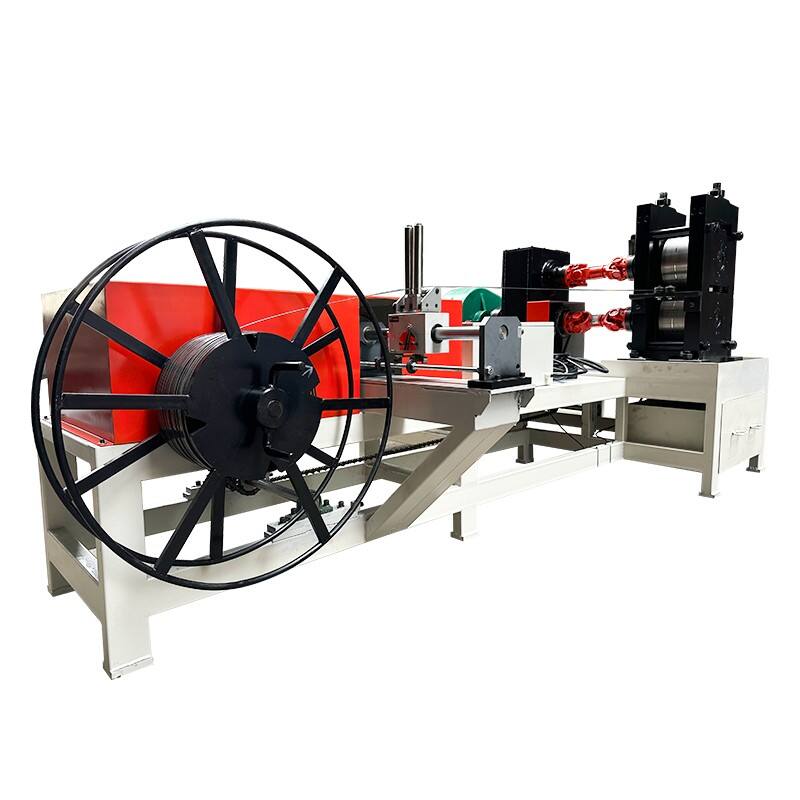
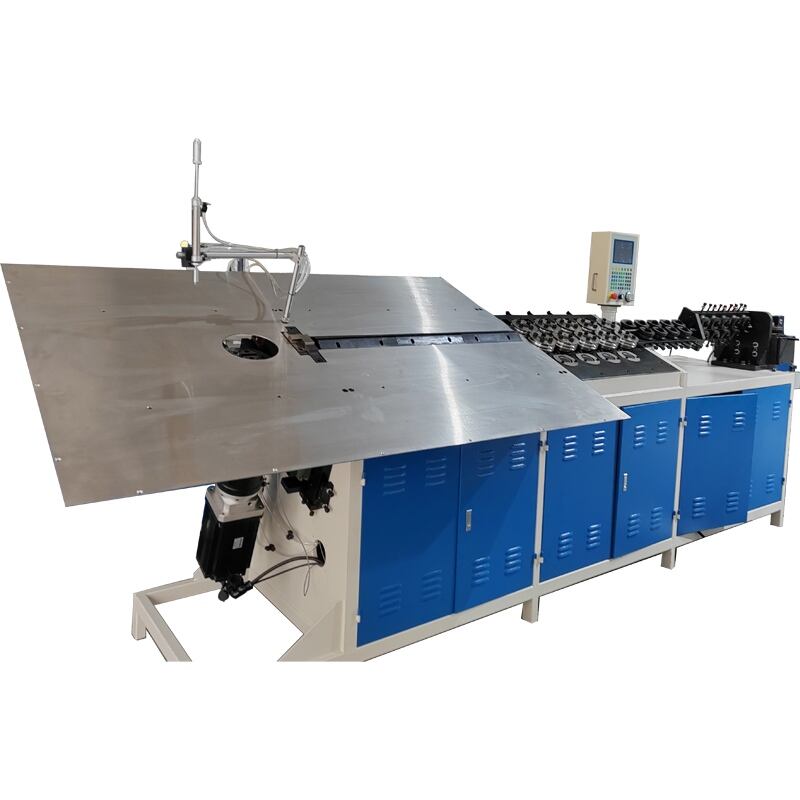
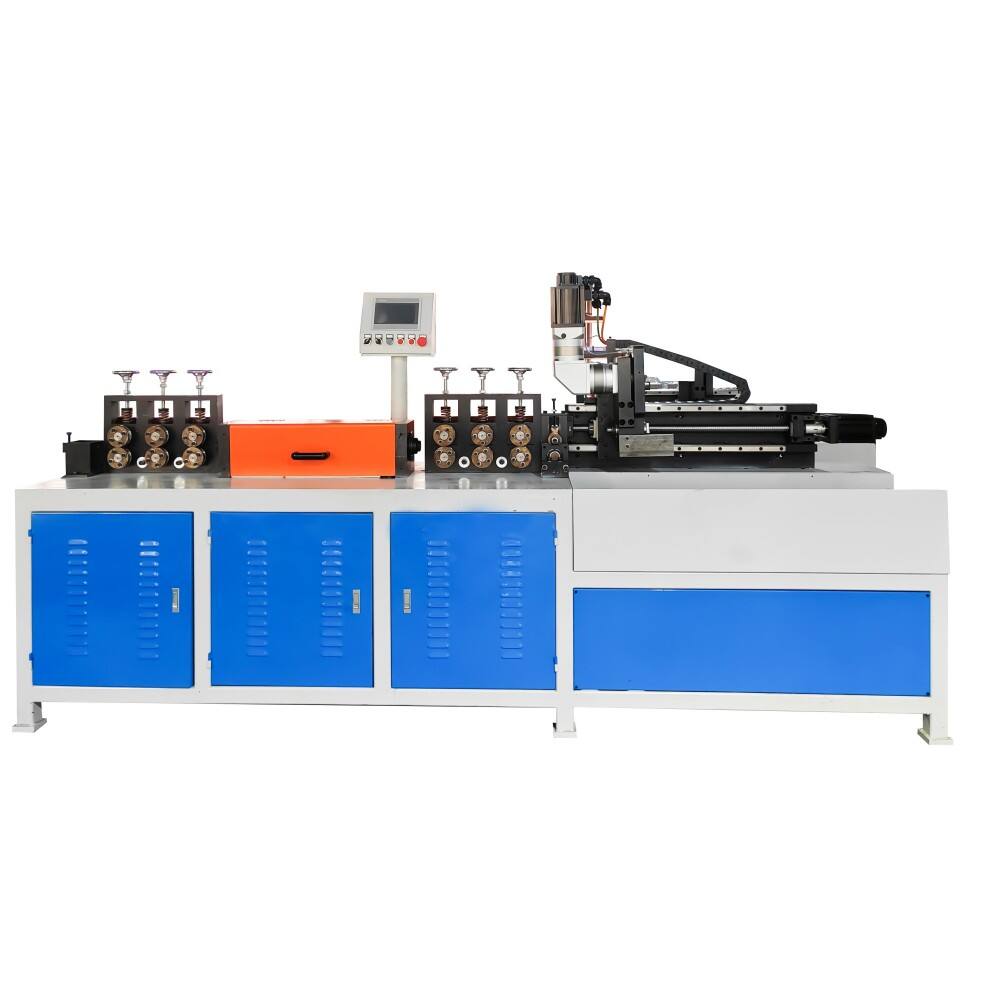
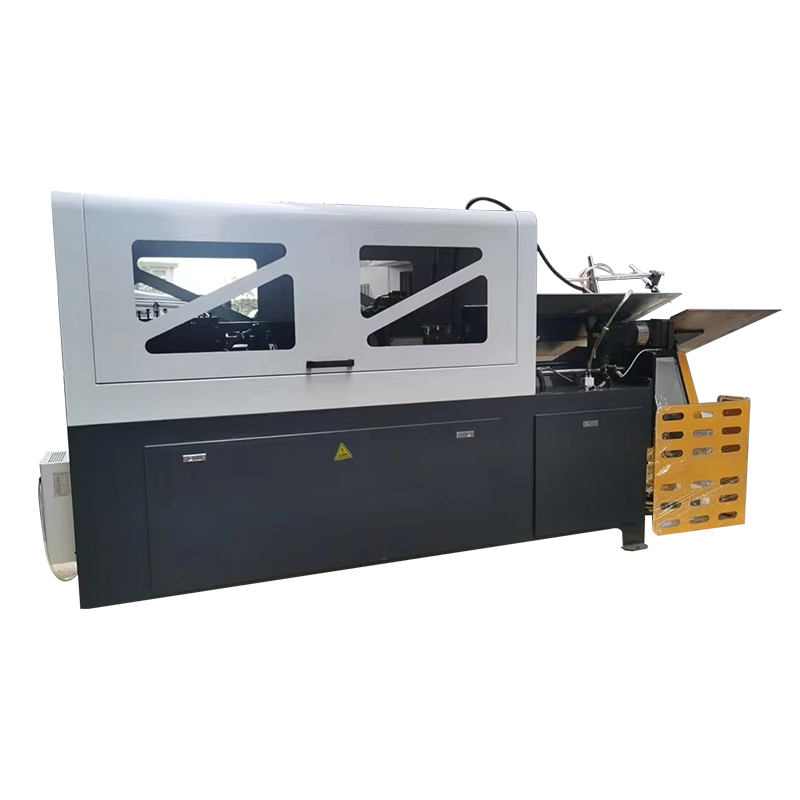
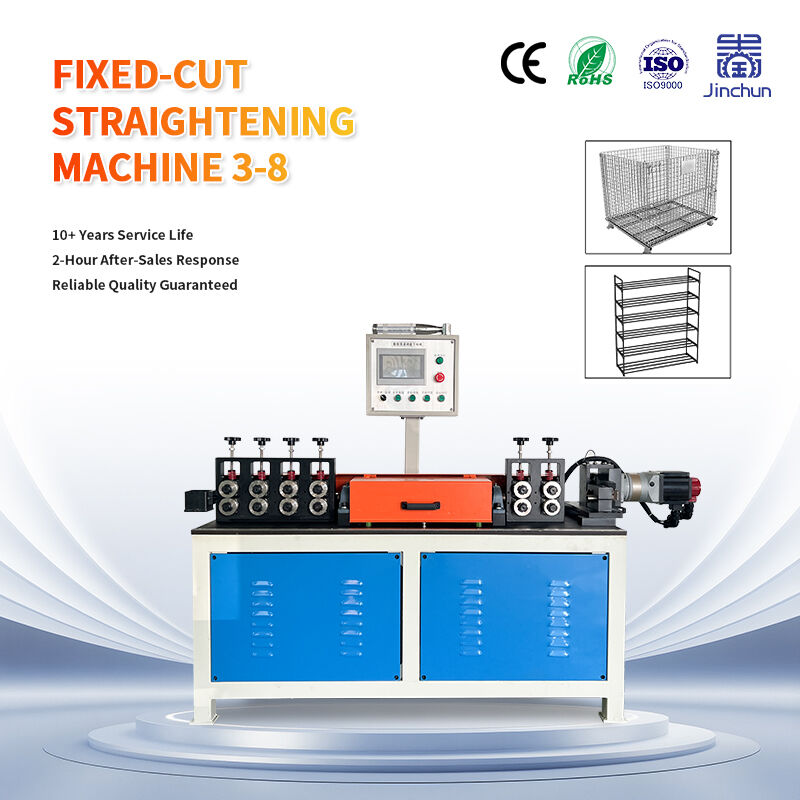
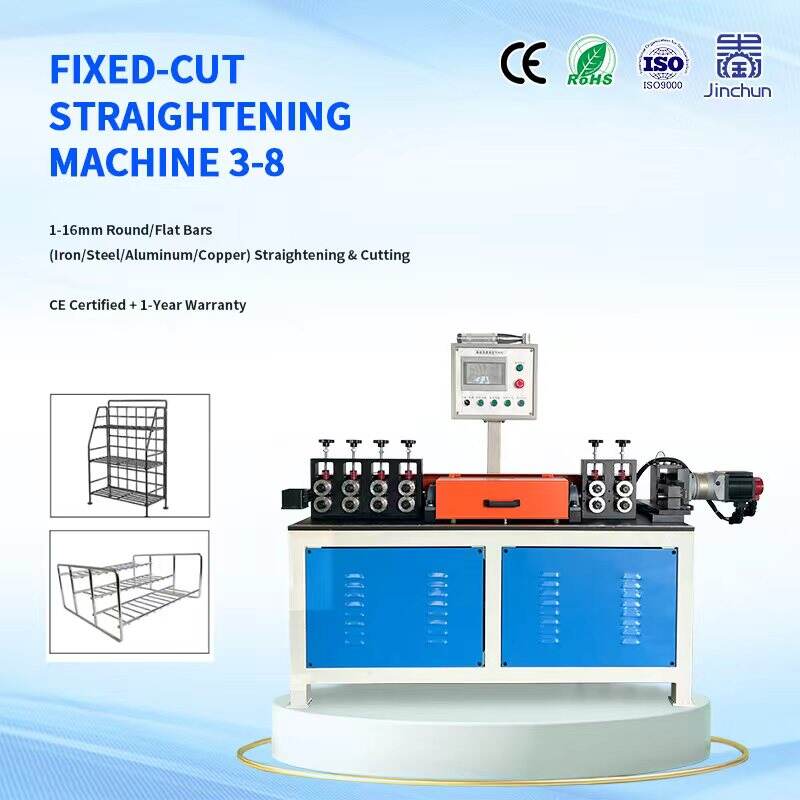
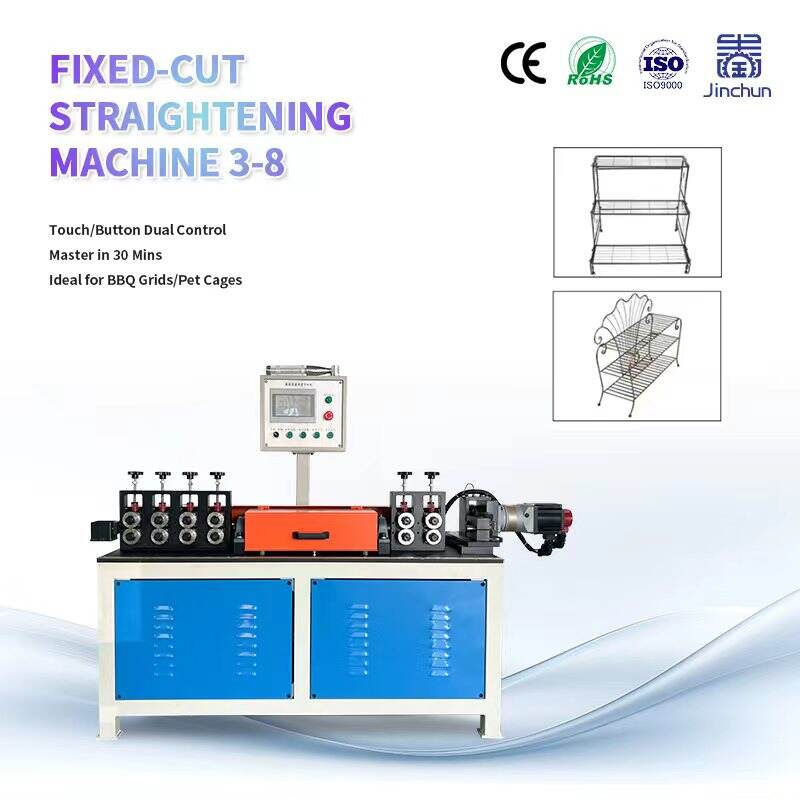
Professional Round Bar Straightening Machine - Industrial Metal Bar Straightening Equipment

Get a Free Quote

Our representative will contact you soon.
Email
Name
Company Name
Phone / WhatsApp
Required Product
Message
0/1000

round bar straightening machine

The round bar straightening machine represents a crucial piece of industrial equipment designed to correct deformations and eliminate bends in cylindrical metal bars, rods, and similar materials. This sophisticated machinery operates through a systematic process that applies controlled pressure and tension to restore materials to their original straight configuration. Modern round bar straightening machines incorporate advanced hydraulic systems, precision rollers, and computerized controls that ensure consistent results across various material types and sizes. The primary function of these machines centers on removing warpage, bowing, and other dimensional irregularities that commonly occur during material handling, transportation, or manufacturing processes. These deformations can significantly impact product quality and create challenges in subsequent manufacturing operations. The technological features of contemporary round bar straightening machines include variable speed controls, adjustable pressure settings, and sophisticated monitoring systems that track material dimensions throughout the straightening process. Many units feature multiple roller configurations that can accommodate different bar diameters, ranging from small precision rods to large structural bars. The machines typically employ a combination of mechanical straightening techniques, including multi-point bending correction and controlled stress application. Advanced models incorporate digital feedback systems that automatically adjust parameters based on material properties and desired straightness tolerances. Applications for round bar straightening machines span numerous industries, including construction, automotive manufacturing, aerospace, machinery production, and general metalworking. Construction companies utilize these machines to prepare reinforcement bars for concrete applications, ensuring proper alignment and structural integrity. Automotive manufacturers rely on straightened bars for chassis components, drive shafts, and suspension systems. The aerospace industry requires extremely precise straightening for landing gear components and structural elements. Machine shops and fabrication facilities use these systems to prepare raw materials before machining operations, reducing waste and improving final product quality.

New Products

The round bar straightening machine delivers exceptional value through multiple practical benefits that directly impact operational efficiency and product quality. Cost reduction represents one of the most significant advantages, as these machines eliminate the need to discard warped materials that would otherwise be considered waste. Instead of purchasing new materials to replace bent or deformed bars, manufacturers can restore existing inventory to usable condition, resulting in substantial material cost savings. The precision capabilities of modern round bar straightening machines ensure consistent results that meet strict dimensional tolerances required in critical applications. This reliability reduces rework, minimizes quality control issues, and enhances overall production efficiency. Time savings constitute another major benefit, as automated straightening processes work significantly faster than manual correction methods. Operators can process large quantities of material in shorter timeframes, increasing throughput and meeting tight production schedules. The versatility of these machines allows facilities to handle various material types and sizes with a single piece of equipment, reducing the need for multiple specialized tools. This consolidation saves floor space, reduces equipment maintenance costs, and simplifies operator training requirements. Enhanced worker safety represents a critical advantage, as automated straightening eliminates the physical strain and potential injuries associated with manual bar straightening techniques. Operators can maintain safe distances from the straightening process while monitoring equipment performance through digital interfaces. Quality improvement results from the consistent, controlled straightening process that eliminates human error and variability. The machines can achieve straightness tolerances that would be impossible to maintain through manual methods, ensuring that finished products meet or exceed customer specifications. Productivity gains occur through reduced setup times, faster processing speeds, and the ability to operate with minimal supervision. Many round bar straightening machines feature continuous operation capabilities, allowing for extended production runs without interruption. The return on investment typically occurs within months due to material savings, increased productivity, and reduced labor costs. Long-term operational benefits include improved customer satisfaction through consistent product quality, reduced warranty claims, and enhanced reputation for reliability.

Practical Tips

Maintenance Tips to Extend Your Bending Machines' Lifespan

20

Nov

Maintenance Tips to Extend Your Bending Machines' Lifespan

Manufacturing operations depend heavily on reliable equipment performance, and bending machines represent a significant investment that requires proper care to maximize return. These precision instruments form the backbone of countless production lin...
View More
Automatic Ring Making Machine: ROI for Jewelry Business

27

Nov

Automatic Ring Making Machine: ROI for Jewelry Business

The jewelry manufacturing industry has witnessed remarkable technological advancement in recent years, with automation becoming a cornerstone of modern production facilities. An automatic ring making machine represents one of the most significant inv...
View More
A Complete Guide to Mesh Welding Machines from Grills to Shelves

07

Jan

A Complete Guide to Mesh Welding Machines from Grills to Shelves

This guide explores the full spectrum of mesh production, highlighting the critical role of CNC automation and the specialized equipment used to create everything from fine wire grills to heavy-duty warehouse shelving. 1. The Technology Behind Modern...
View More
 Mesh Welding Machines for Efficient Poultry and Pet Cage Production

25

Feb

Mesh Welding Machines for Efficient Poultry and Pet Cage Production

In the competitive market of animal husbandry and pet supplies, the quality of wire housing can determine a brand's reputation. Whether you are manufacturing large-scale poultry layers or intricate pet crates, the demand for precision, strength, and ...
View More

Get a Free Quote

Our representative will contact you soon.
Email
Name
Company Name
Phone / WhatsApp
Required Product
Message
0/1000

round bar straightening machine

Advanced Precision Control System

Advanced Precision Control System

The advanced precision control system integrated into modern round bar straightening machines represents a revolutionary approach to material correction that transforms how manufacturers achieve dimensional accuracy. This sophisticated technology combines digital sensors, computerized feedback mechanisms, and real-time monitoring capabilities to deliver unprecedented levels of straightening precision. The system continuously measures bar dimensions throughout the straightening process, automatically adjusting pressure, speed, and roller positions to maintain optimal correction parameters. This real-time feedback loop ensures that each bar receives exactly the right amount of correction force, preventing over-straightening or under-correction that could compromise material integrity. The precision control system features user-friendly interfaces that allow operators to input specific material properties, desired tolerances, and processing requirements. The machine then calculates optimal straightening parameters and executes the process with minimal human intervention. This automation reduces the dependency on operator skill levels while maintaining consistent results across different shifts and production runs. The system maintains detailed processing logs that provide valuable data for quality control documentation and process optimization. Manufacturers can track straightening parameters for each batch, enabling continuous improvement initiatives and ensuring compliance with industry standards. The precision control capabilities extend to material handling, with automated feed systems that maintain consistent positioning and alignment throughout the straightening process. This eliminates variations that could affect final product quality and ensures that each bar receives uniform treatment. The control system also incorporates safety features that automatically stop operations if abnormal conditions are detected, protecting both equipment and materials from potential damage. Advanced diagnostic capabilities provide predictive maintenance alerts, helping facilities avoid unexpected downtime and maintain optimal equipment performance. The integration of Industry 4.0 technologies enables remote monitoring and data analysis, allowing managers to track production metrics and identify optimization opportunities from anywhere in the facility.
Multi-Material Compatibility and Versatility

Multi-Material Compatibility and Versatility

The exceptional multi-material compatibility and versatility of round bar straightening machines provide manufacturers with unprecedented flexibility to handle diverse production requirements using a single, comprehensive solution. This adaptability represents a significant competitive advantage in today's dynamic manufacturing environment where facilities must process various materials to meet changing customer demands. The machines accommodate an extensive range of materials including carbon steel, stainless steel, aluminum, brass, copper, and specialized alloys, each requiring different straightening approaches and parameters. The versatility extends to material dimensions, with adjustable roller configurations that handle bar diameters from small precision rods measuring just a few millimeters to large structural bars exceeding several inches in diameter. This wide range capability eliminates the need for multiple specialized machines, reducing capital investment requirements and simplifying equipment management. The quick-change tooling systems allow operators to switch between different material sizes and types in minutes rather than hours, maximizing productive uptime and responding rapidly to changing production schedules. Material-specific programming capabilities ensure that each type receives optimal treatment based on its unique properties, including yield strength, elasticity, and work-hardening characteristics. The machines can process both hot-rolled and cold-drawn materials, accommodating different surface conditions and straightening requirements. Length capabilities range from short precision components to long structural members, with some machines handling bars exceeding 20 feet in length. The versatility includes processing hollow bars and tubes, expanding applications beyond solid round materials. Advanced material handling systems automatically adjust grip pressure and support mechanisms based on material properties, preventing damage while ensuring effective straightening. The compatibility extends to various surface finishes, from rough mill scale to precision-ground surfaces, with appropriate handling mechanisms that preserve surface quality throughout the straightening process. This versatility enables manufacturers to consolidate multiple operations into a single, efficient process, reducing handling time and potential damage from multiple transfers between different machines.
Exceptional Durability and Reliability Engineering

Exceptional Durability and Reliability Engineering

The exceptional durability and reliability engineering incorporated into round bar straightening machines ensures long-term operational excellence and maximum return on investment for manufacturing facilities. These machines are constructed using premium-grade materials and advanced manufacturing techniques that withstand the demanding forces and continuous operation cycles typical in industrial environments. The structural framework utilizes high-strength steel construction with precision machining and stress-relief treatments that eliminate potential failure points and ensure dimensional stability over extended periods. Critical components such as hydraulic cylinders, roller assemblies, and drive mechanisms are engineered with generous safety factors that exceed normal operational requirements, providing substantial reserves for handling unexpected loads or challenging materials. The hydraulic systems incorporate high-quality seals, precision-manufactured components, and advanced filtration systems that maintain optimal performance while resisting contamination and wear. Regular maintenance requirements are minimized through the use of sealed bearings, automatic lubrication systems, and wear-resistant surface treatments on critical components. The electrical control systems feature industrial-grade components rated for continuous duty in harsh manufacturing environments, with protective enclosures that shield sensitive electronics from dust, moisture, and temperature variations. Reliability engineering extends to redundant safety systems that provide multiple layers of protection against potential failures, ensuring safe operation even if primary systems experience problems. The machines undergo rigorous testing protocols during manufacturing, including extended run-in periods and stress testing that verify performance under extreme conditions. Quality control procedures ensure that each machine meets strict performance standards before shipment, providing customers with confidence in their investment. Comprehensive warranty programs and responsive technical support services provide additional assurance of long-term reliability. The robust construction enables these machines to maintain accuracy and performance characteristics even after years of continuous operation, with many units providing decades of reliable service. Preventive maintenance programs are designed to be straightforward and cost-effective, with readily available replacement parts and clear maintenance procedures that minimize downtime and extend equipment life.

Get a Free Quote

Our representative will contact you soon.
Email
Name
Company Name
Phone / WhatsApp
Required Product
Message
0/1000

Get a Free Quote

Our representative will contact you soon.
Email
Name
Company Name
Phone / WhatsApp
Required Product
Message
0/1000