Professional Iron Rod Straightening Machine - Advanced Metal Processing Equipment for Industrial Applications

Get a Free Quote

Our representative will contact you soon.
Email
Name
Company Name
Phone / WhatsApp
Required Product
Message
0/1000

iron rod straightening machine

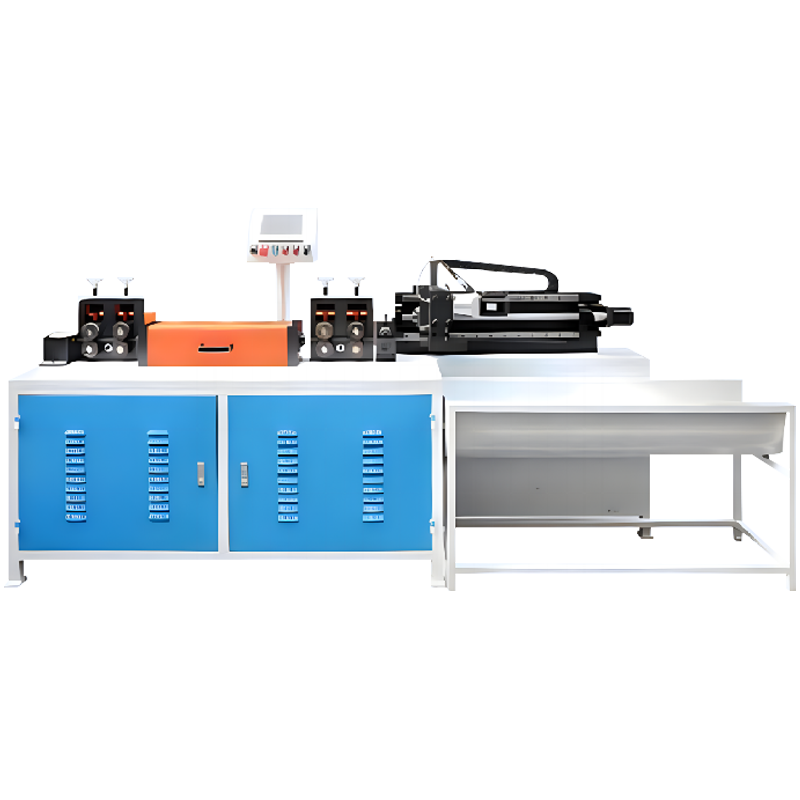
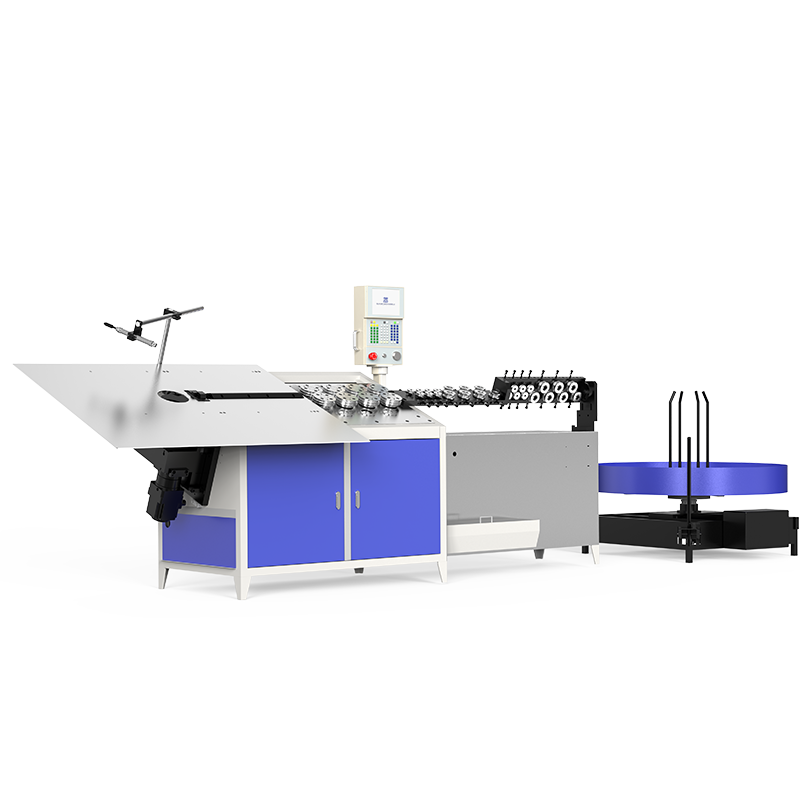
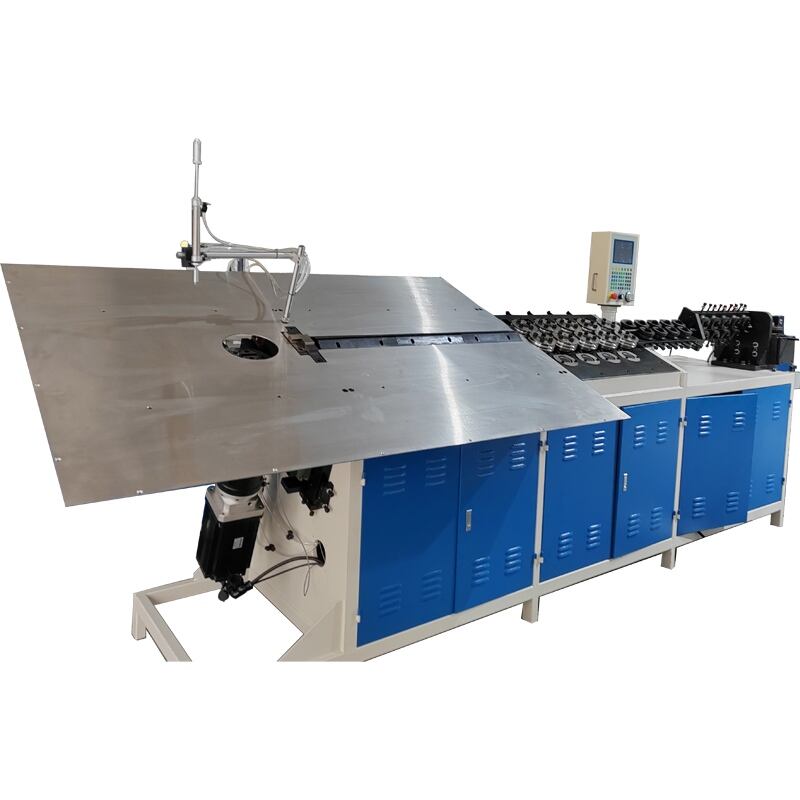
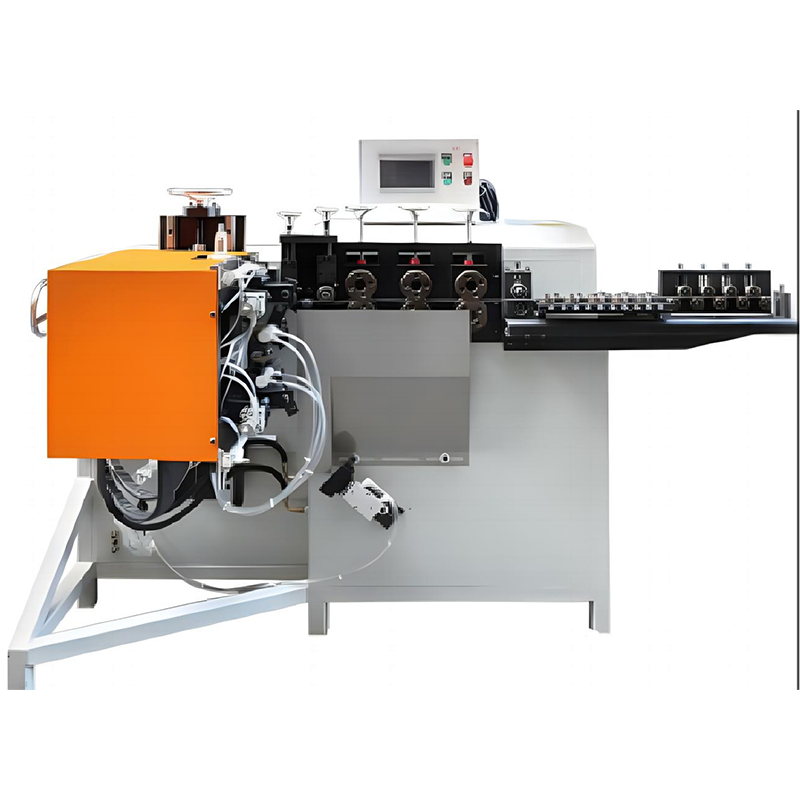
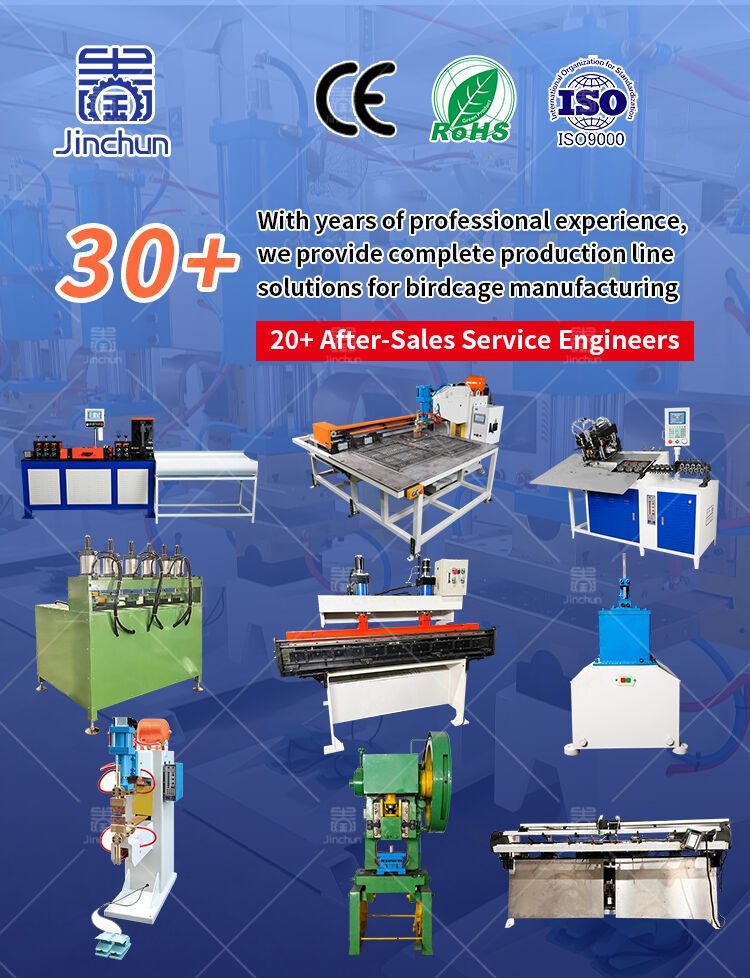
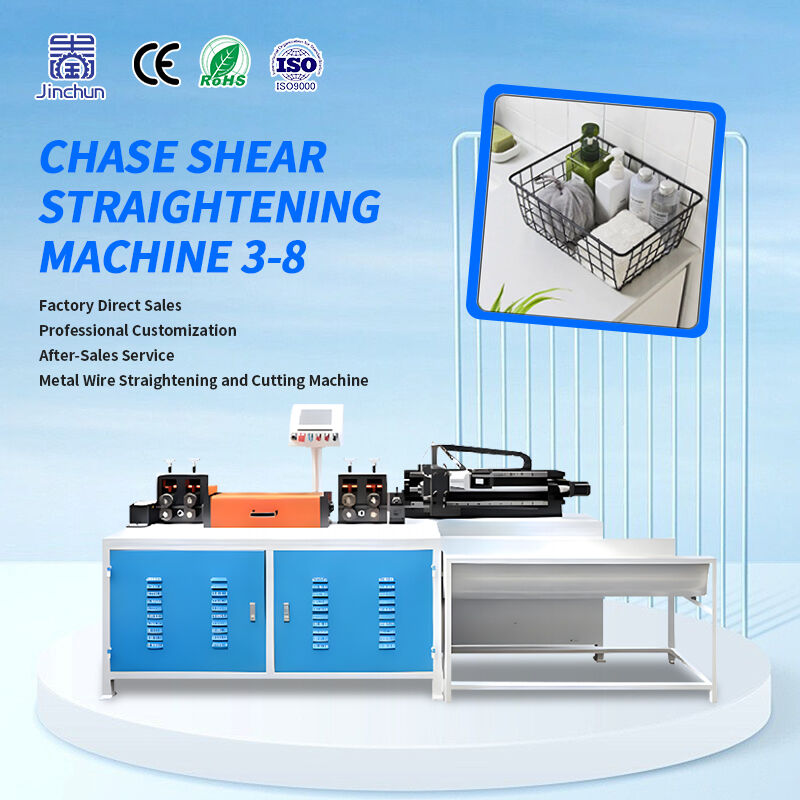
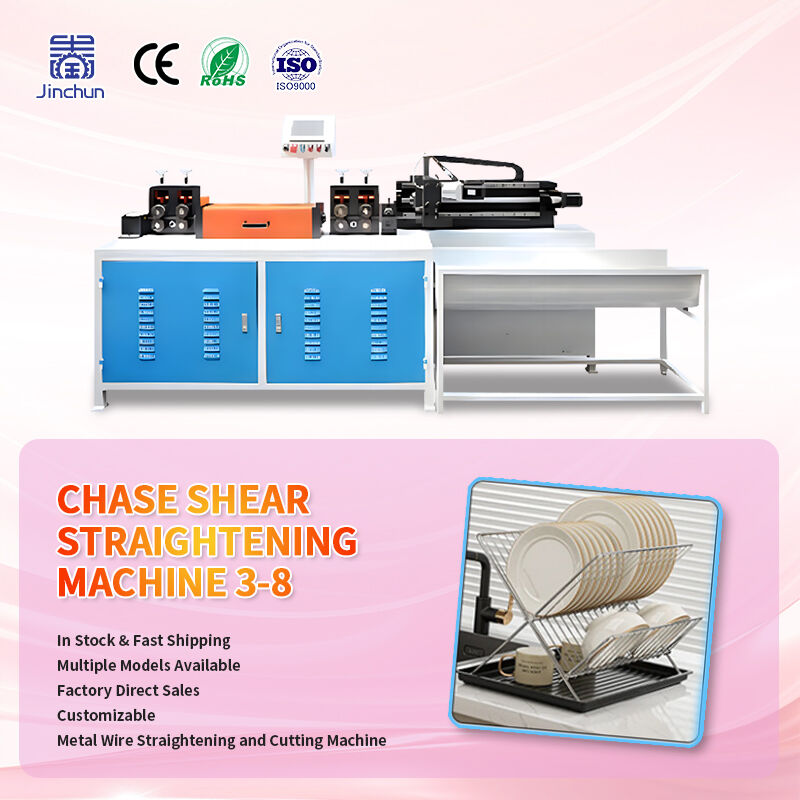
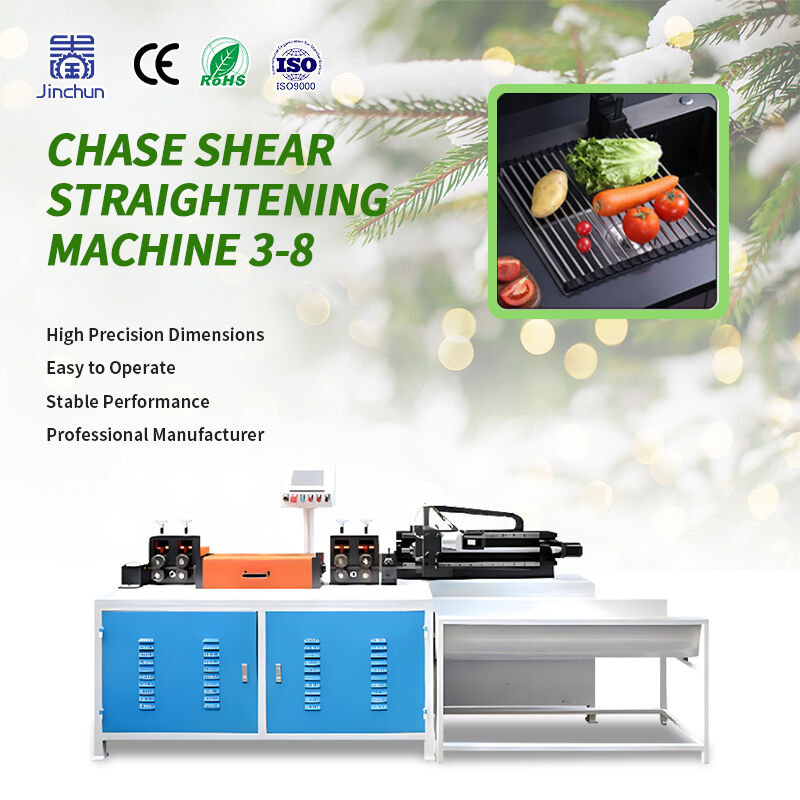
The iron rod straightening machine stands as a revolutionary piece of equipment designed to transform bent, curved, or deformed iron rods into perfectly straight materials. This sophisticated machinery operates through a series of precisely calibrated rollers and pressure mechanisms that systematically correct deformations in metal rods of various diameters and lengths. Modern iron rod straightening machines incorporate advanced hydraulic systems, computerized controls, and adjustable settings that accommodate different rod specifications and straightening requirements. The primary function of these machines centers on restoring the structural integrity of iron rods that have become warped during transportation, storage, or previous manufacturing processes. The technological framework of an iron rod straightening machine relies on multiple straightening stations equipped with hardened steel rollers positioned at calculated angles. These rollers apply controlled pressure and leverage to gradually eliminate bends and curves while maintaining the rod's original diameter and material properties. The machine's feeding system ensures consistent material flow, while sensors monitor the straightening process to guarantee optimal results. Advanced models feature programmable logic controllers that automatically adjust pressure settings based on rod diameter, material hardness, and degree of deformation. The versatility of iron rod straightening machines extends across numerous industrial applications, including construction, automotive manufacturing, infrastructure development, and metal fabrication. Construction companies utilize these machines to salvage bent reinforcement bars, reducing material waste and project costs. Automotive manufacturers depend on straight iron rods for various components, while metal fabricators require precise straightness for subsequent processing operations. The machine's capacity to handle multiple rod sizes simultaneously makes it invaluable for high-volume production environments where efficiency and consistency remain paramount priorities for operational success.

Popular Products

Iron rod straightening machines deliver exceptional cost savings by transforming damaged or bent rods into usable materials, eliminating the need to purchase new inventory. This recycling capability directly reduces raw material expenses while minimizing waste disposal costs, creating a dual financial benefit for manufacturers and contractors. The precision straightening process ensures that recovered rods meet industry standards for straightness tolerance, making them suitable for critical applications where dimensional accuracy is essential. These machines operate with remarkable speed and efficiency, processing hundreds of rods per hour depending on their size and degree of deformation. This high throughput capability dramatically increases productivity compared to manual straightening methods, allowing businesses to meet tight project deadlines while maintaining quality standards. The automated operation reduces labor requirements, freeing skilled workers for more complex tasks while minimizing the physical strain associated with manual rod straightening. Quality consistency represents another significant advantage of mechanical straightening systems. Unlike manual methods that depend on operator skill and experience, machines deliver uniform results across all processed materials. The computer-controlled systems ensure that each rod receives appropriate pressure and treatment based on its specific characteristics, resulting in consistent straightness measurements throughout production runs. This reliability eliminates quality variations that can compromise structural integrity in finished products. Safety improvements constitute a crucial benefit of automated iron rod straightening equipment. Manual straightening operations expose workers to numerous hazards, including back injuries from heavy lifting, pinch points, and repetitive stress injuries. Machine operation eliminates direct worker contact with heavy materials and dangerous straightening forces, creating a safer work environment. Modern machines incorporate comprehensive safety features, including emergency stops, protective guards, and safety interlocks that prevent operation when access doors remain open. The versatility of these machines accommodates various rod diameters, lengths, and steel grades without requiring extensive setup changes. Quick-change tooling systems allow operators to switch between different rod sizes efficiently, maximizing machine utilization across diverse projects. This flexibility proves particularly valuable for job shops and contractors who work with multiple rod specifications regularly. Environmental benefits emerge from the material recovery aspect of iron rod straightening operations. By salvaging bent rods instead of discarding them, companies reduce their environmental footprint while contributing to sustainable manufacturing practices. This waste reduction aligns with corporate sustainability goals and regulatory requirements for responsible material management.

Practical Tips

Wire Straightening Machine: How to Choose the Best One

20

Nov

Wire Straightening Machine: How to Choose the Best One

Manufacturing industries rely heavily on precise wire processing equipment to maintain product quality and operational efficiency. When wire materials arrive coiled or bent from suppliers, achieving the straightness required for downstream applicatio...
View More
2D Bending Machines: Perfect for Pet Cages and Kitchen Organizers

15

Dec

2D Bending Machines: Perfect for Pet Cages and Kitchen Organizers

In the world of metal fabrication, efficiency and versatility are key. For manufacturers producing everyday items like pet cages and kitchen organizers, achieving consistent quality, complex designs, and cost-effectiveness is paramount. This is where...
View More
How Straightening Machines Ensure Precision in Wire Cutting and Straightening

15

Dec

How Straightening Machines Ensure Precision in Wire Cutting and Straightening

In the manufacturing of metal mesh and grid structures, the quality of the base material is critical. Precision-cut and perfectly straightened metal bars or wires form the essential backbone for a wide range of industrial applications. For manufactur...
View More
Core Processes & Equipment of a Modern Bird Cage Production Line

15

Jan

Core Processes & Equipment of a Modern Bird Cage Production Line

In the highly competitive global pet products market, efficient and precise automated production has become the core pillar of corporate success. Based on the "One-stop Solution" provided by Jinchun Industrial Automation, a modern bird cage productio...
View More

Get a Free Quote

Our representative will contact you soon.
Email
Name
Company Name
Phone / WhatsApp
Required Product
Message
0/1000

iron rod straightening machine

Advanced Hydraulic Control System for Precision Straightening

Advanced Hydraulic Control System for Precision Straightening

The hydraulic control system represents the technological heart of modern iron rod straightening machines, delivering unparalleled precision and consistency in straightening operations. This sophisticated system employs multiple hydraulic cylinders strategically positioned to apply controlled pressure at optimal angles, ensuring that each iron rod receives the exact force required to eliminate deformation without compromising material integrity. The hydraulic components work in perfect synchronization, guided by computerized controls that monitor pressure levels, straightening force, and material response in real-time. This advanced monitoring capability allows the system to automatically adjust parameters during operation, compensating for variations in rod diameter, material hardness, or degree of bending. The precision achievable through hydraulic control far exceeds manual straightening methods, consistently delivering straightness tolerances within industry-specified limits. The system's ability to apply graduated pressure ensures that straightening forces distribute evenly across the rod's length, preventing stress concentrations that could weaken the material. Hydraulic cylinders equipped with position sensors provide feedback to the control system, enabling precise control over straightening displacement and ensuring that rods achieve perfect straightness without over-correction. The responsiveness of hydraulic systems allows for immediate adjustment when the machine encounters rods with varying characteristics, maintaining consistent quality throughout production runs. This technological advantage proves particularly valuable when processing mixed batches of rods with different properties or deformation patterns. The hydraulic system's reliability minimizes downtime while maximizing production efficiency, as the robust components withstand continuous operation under demanding industrial conditions. Maintenance requirements remain minimal due to the system's sophisticated filtration and cooling mechanisms that preserve hydraulic fluid quality and component longevity. The integration of servo-hydraulic technology in premium models provides even greater precision, allowing for micro-adjustments that achieve exceptional straightness accuracy required for high-precision applications in aerospace, automotive, and precision manufacturing industries.
Multi-Station Roller Configuration for Superior Results

Multi-Station Roller Configuration for Superior Results

The multi-station roller configuration in iron rod straightening machines represents a breakthrough in mechanical straightening technology, utilizing a series of precisely positioned hardened steel rollers to achieve superior straightening results through controlled deformation processes. This innovative design features multiple straightening stations, each equipped with adjustable rollers positioned at calculated angles to progressively eliminate bends and curves while preserving the rod's structural properties. The sequential straightening approach distributes corrective forces across multiple contact points, preventing excessive stress concentration that could damage the material or create weak points. Each roller station addresses specific aspects of the deformation, with initial stations handling major curves and subsequent stations fine-tuning the straightness to achieve precise tolerances. The roller configuration accommodates various rod diameters through quick-change tooling systems that allow operators to modify roller spacing and positioning without extensive setup procedures. Hardened steel rollers ensure exceptional durability and maintain precise surface finishes that prevent marking or damaging the rod surface during straightening operations. The roller surfaces undergo specialized treatments to achieve optimal hardness while maintaining smoothness, ensuring long service life even when processing abrasive materials or high-volume production runs. Advanced roller designs incorporate crowned profiles that distribute contact pressure evenly across the rod diameter, preventing indentation or surface distortion while achieving effective straightening action. The multi-station approach enables the machine to handle severely bent rods that would be impossible to straighten in single-pass operations, gradually working the material back to straightness through controlled incremental corrections. Roller positioning systems utilize precision bearings and mounting mechanisms that maintain exact alignment even under heavy straightening loads, ensuring consistent results throughout extended production periods. The configuration's modularity allows for customization based on specific application requirements, with additional stations available for applications demanding exceptional straightness accuracy or handling particularly challenging deformation patterns. This technological approach delivers superior straightening results while minimizing material stress and preserving the rod's metallurgical properties essential for structural applications.
Intelligent Automation for Enhanced Productivity and Safety

Intelligent Automation for Enhanced Productivity and Safety

Intelligent automation systems integrated into modern iron rod straightening machines revolutionize production efficiency while establishing comprehensive safety protocols that protect operators and equipment. These sophisticated systems incorporate programmable logic controllers, advanced sensors, and intuitive human-machine interfaces that streamline operations while eliminating the guesswork associated with manual straightening processes. The automation begins with automatic material detection systems that identify rod diameter, length, and material properties, automatically configuring machine parameters for optimal straightening performance. Smart feeding mechanisms guide rods through the straightening process with precise positioning, while exit conveyors organize finished materials for subsequent processing or storage. The integration of vision systems and laser measurement devices provides real-time quality monitoring, automatically rejecting rods that fail to meet straightness specifications and ensuring consistent output quality. Safety systems represent a critical component of the automation package, incorporating multiple layers of protection including light curtains, pressure-sensitive mats, and emergency stop mechanisms strategically positioned throughout the machine. These safety features immediately halt operation when operators enter hazardous areas or when abnormal conditions occur, preventing accidents and equipment damage. The intelligent control system continuously monitors machine performance, tracking production statistics, maintenance requirements, and operational efficiency metrics that help optimize productivity and prevent unexpected downtime. Predictive maintenance algorithms analyze component performance data to schedule maintenance activities before failures occur, maximizing machine availability and reducing repair costs. Remote monitoring capabilities enable supervisors to track multiple machines from centralized control rooms, receiving immediate notifications of production issues or maintenance needs. The user-friendly interface displays straightening parameters in clear graphical formats, allowing operators to quickly understand machine status and make necessary adjustments without extensive technical training. Data logging capabilities record all production activities, providing valuable information for quality control documentation and process optimization initiatives. The automation system's adaptability accommodates changing production requirements, allowing operators to save and recall specific parameter sets for different rod types or customer specifications, reducing setup times and minimizing the potential for configuration errors that could compromise product quality or machine performance.

Get a Free Quote

Our representative will contact you soon.
Email
Name
Company Name
Phone / WhatsApp
Required Product
Message
0/1000

Get a Free Quote

Our representative will contact you soon.
Email
Name
Company Name
Phone / WhatsApp
Required Product
Message
0/1000