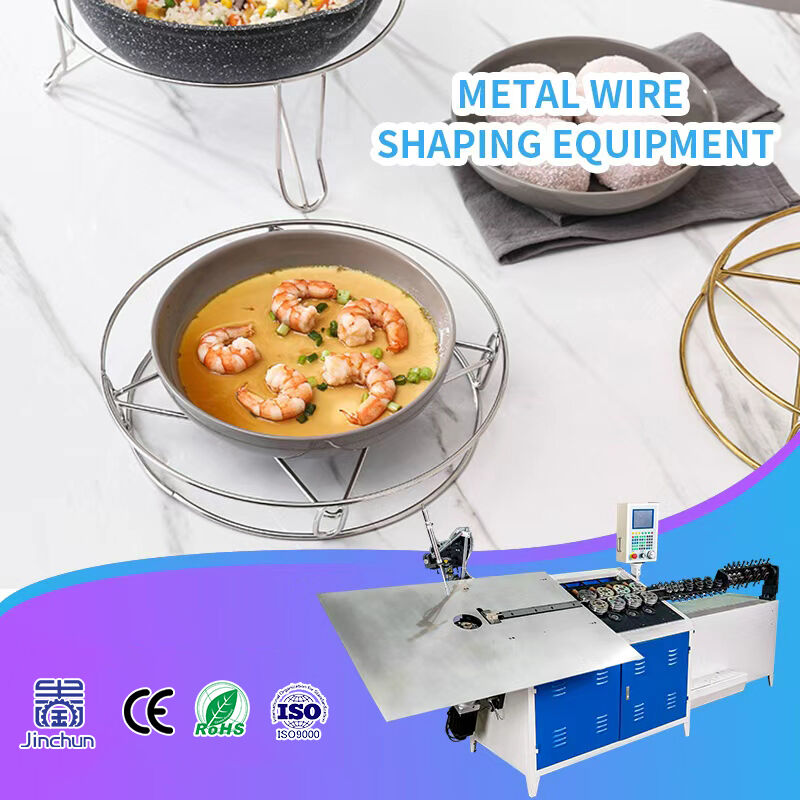
hydraulic bending machine price
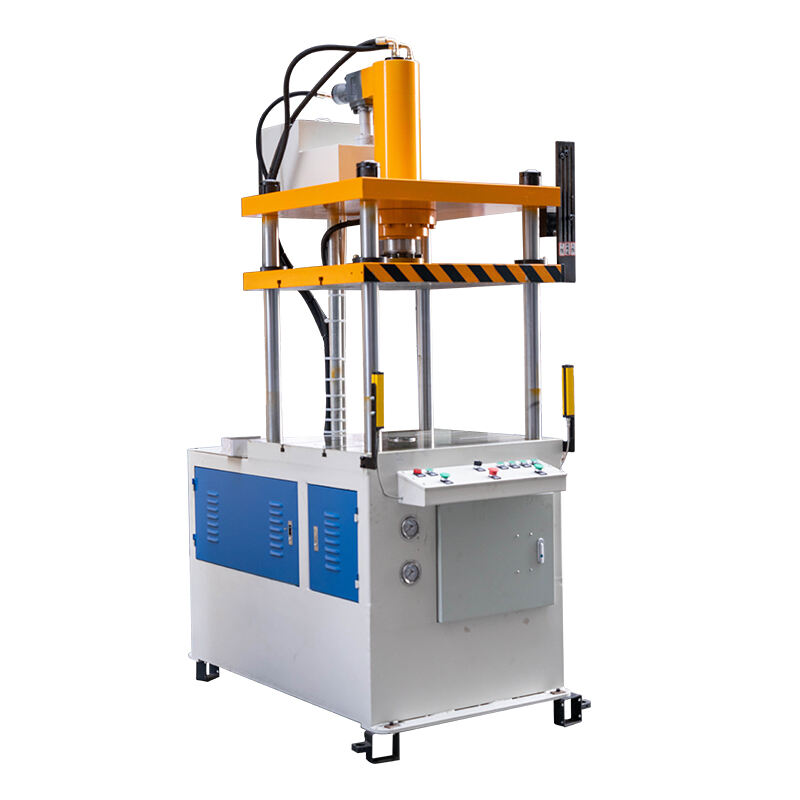
Understanding hydraulic bending machine price requires examining the comprehensive value these advanced manufacturing tools deliver to modern industrial operations. A hydraulic bending machine represents sophisticated engineering that transforms raw metal sheets and plates into precise angular configurations through controlled hydraulic pressure systems. The hydraulic bending machine price reflects not merely the initial investment but encompasses the long-term operational efficiency and production capabilities these machines provide. These precision instruments utilize hydraulic cylinders to generate consistent force distribution across the bending beam, ensuring uniform results across various material thicknesses and types. The primary functions include sheet metal forming, structural component creation, and architectural element fabrication with remarkable accuracy. Technological features encompass programmable control systems that allow operators to store multiple bending sequences, automatic back-gauge positioning for consistent bend locations, and digital readouts displaying precise angle measurements. Modern hydraulic bending machines incorporate servo-electric drive systems that optimize energy consumption while maintaining exceptional force control. The hydraulic bending machine price typically correlates with advanced safety features including light curtains, emergency stop systems, and hydraulic overload protection mechanisms. Applications span diverse industries from aerospace manufacturing where precision tolerances are critical, to construction sector projects requiring consistent structural components. Automotive manufacturers rely on these machines for body panel formation and chassis component production. HVAC system manufacturers utilize hydraulic bending capabilities for ductwork fabrication and ventilation component creation. The hydraulic bending machine price consideration must account for the machine's capacity specifications, including maximum bending length, tonnage capabilities, and material thickness limitations. Investment evaluation should encompass the technological sophistication level, brand reputation, warranty coverage, and available technical support services that significantly impact long-term operational success and productivity outcomes.
 EN
EN