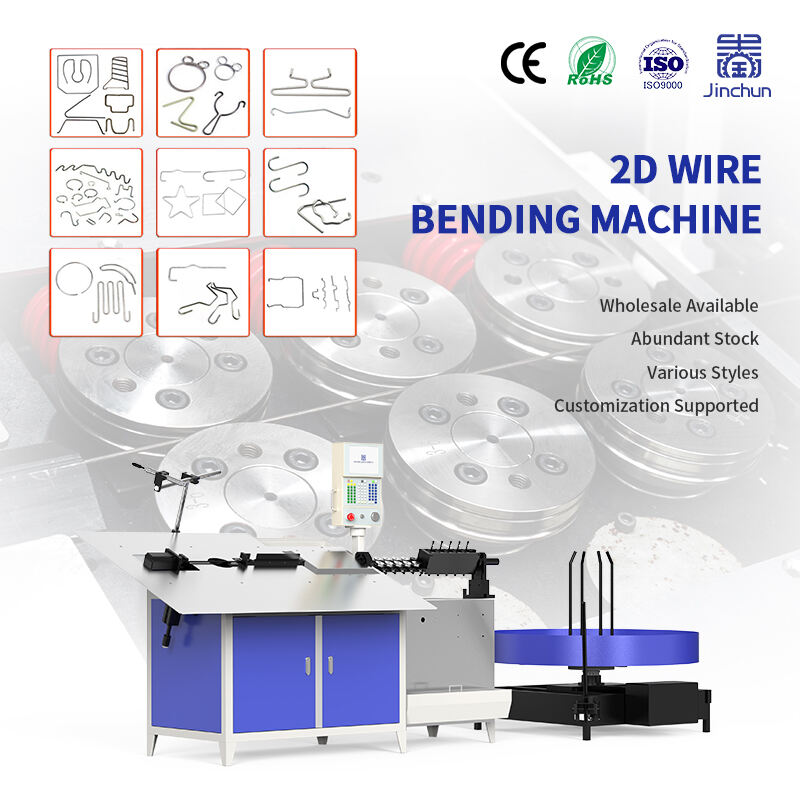
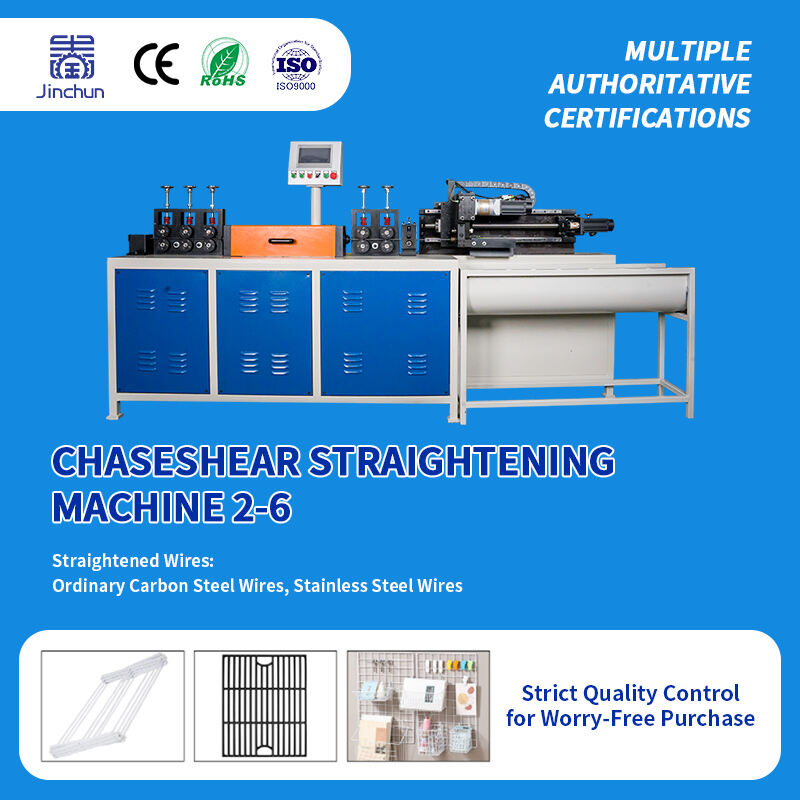
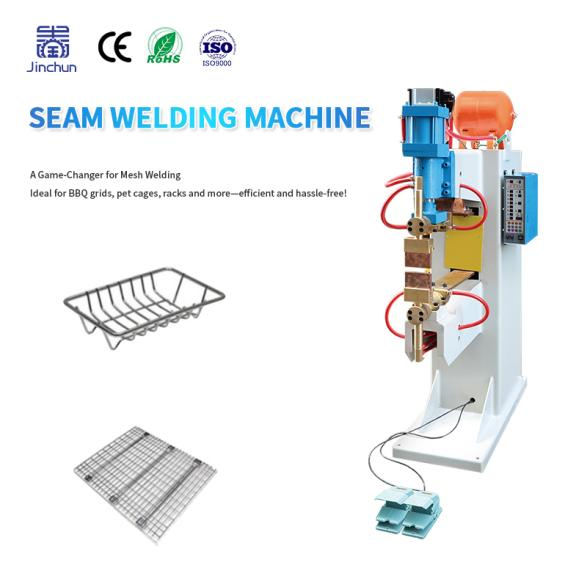
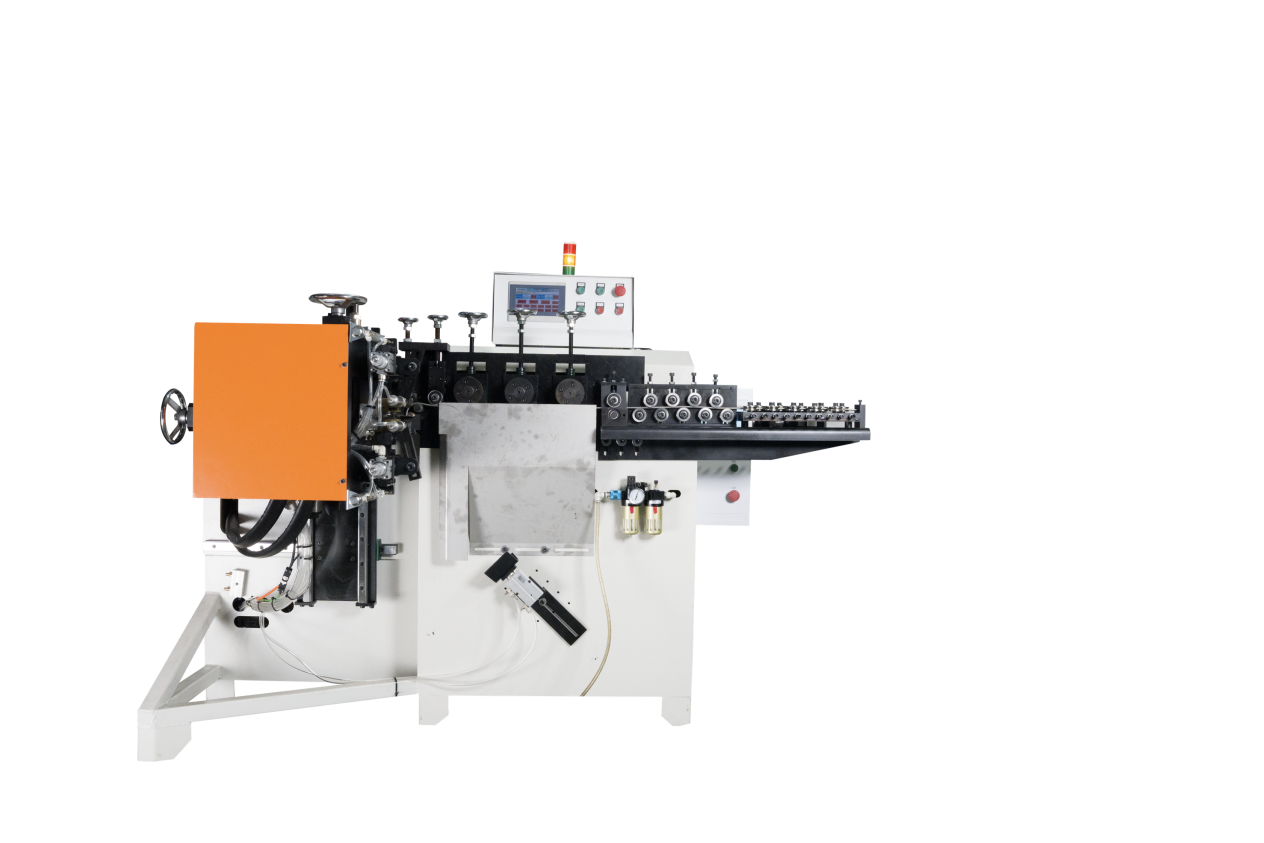
cutting and welding equipment
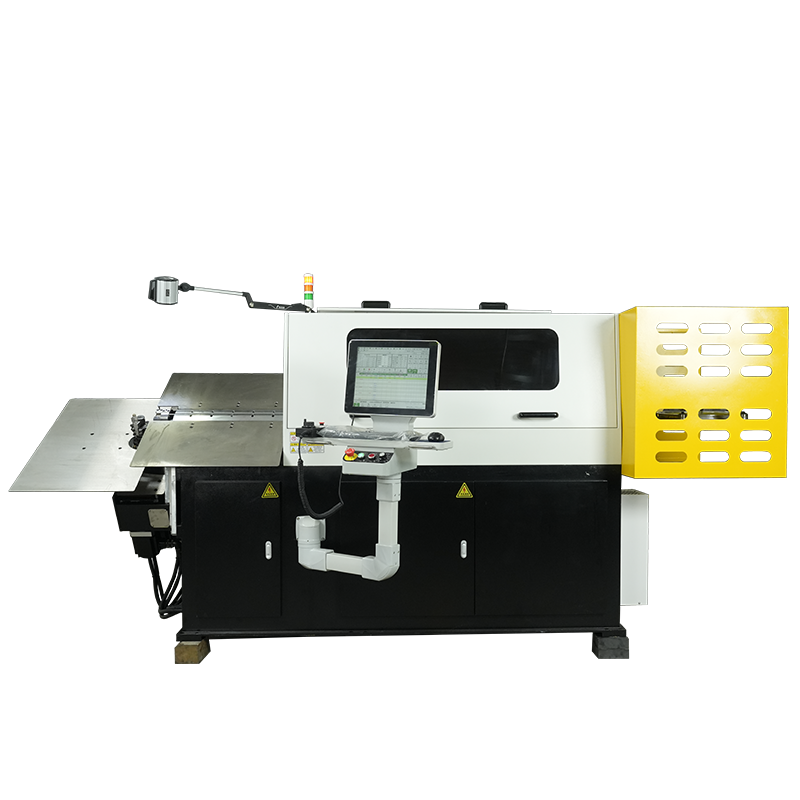
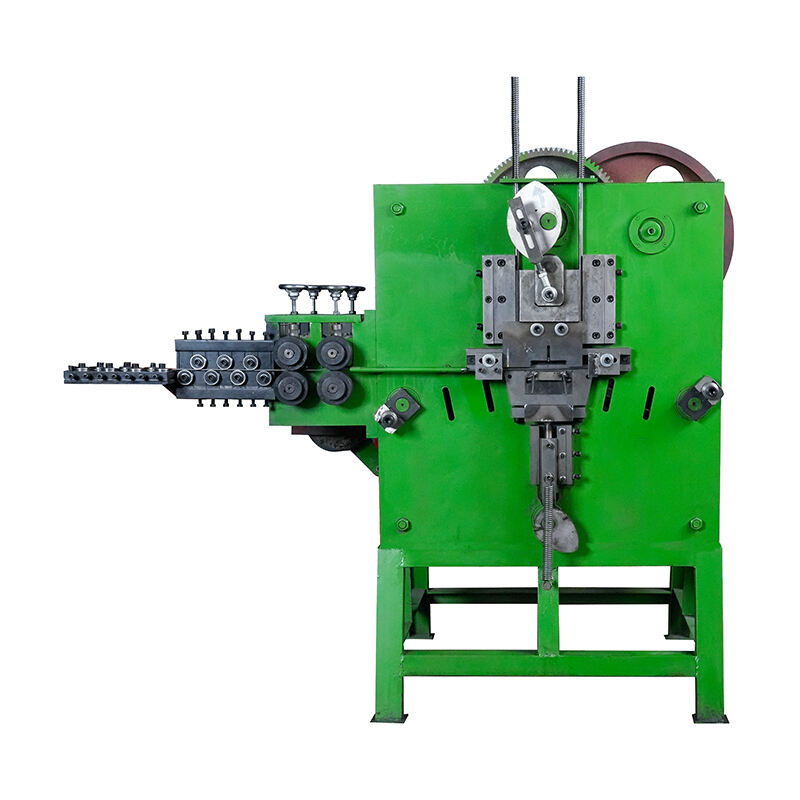
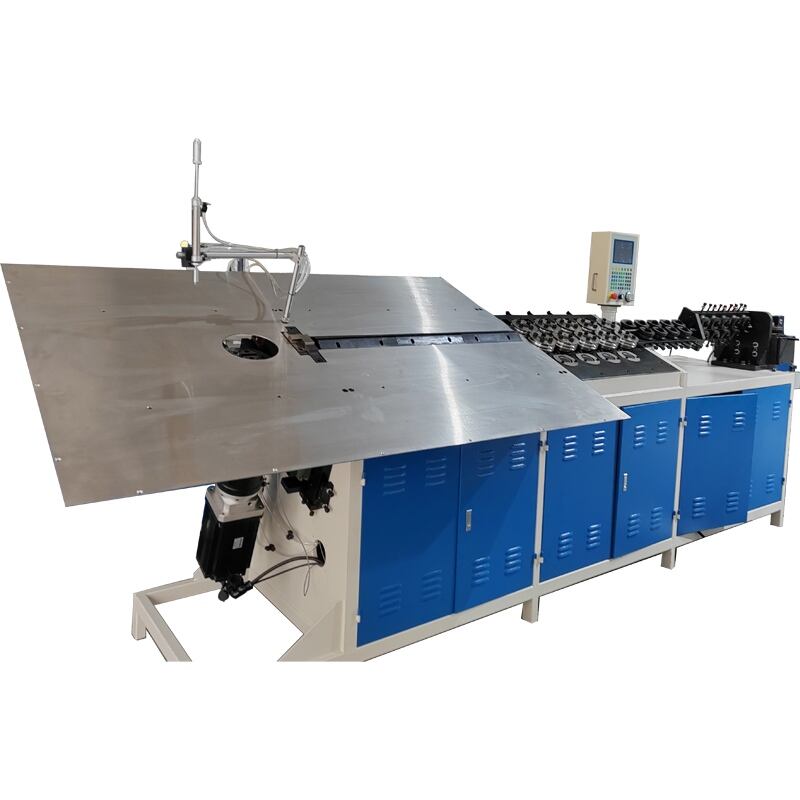
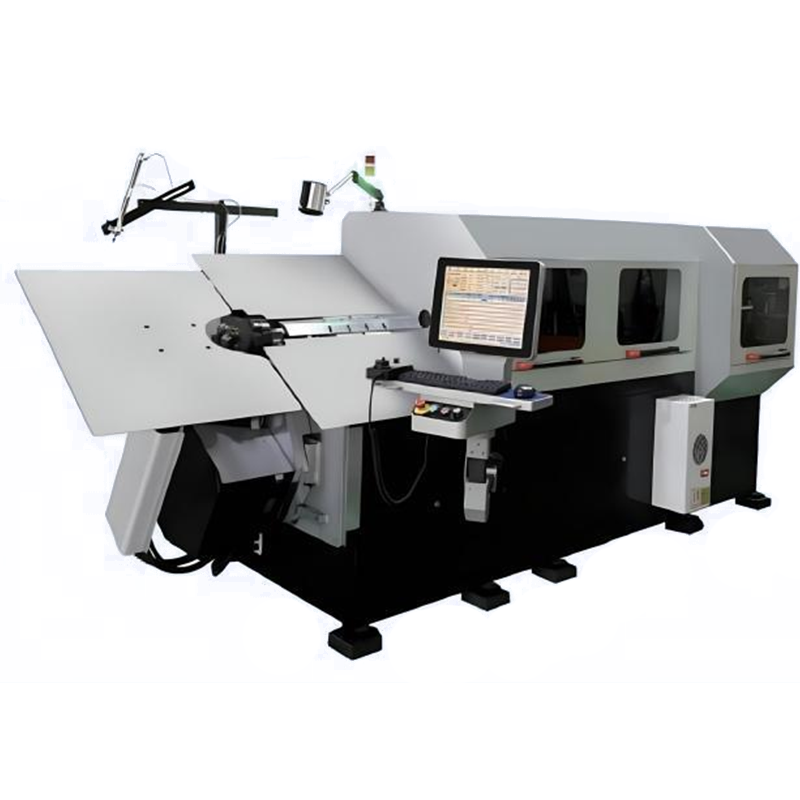
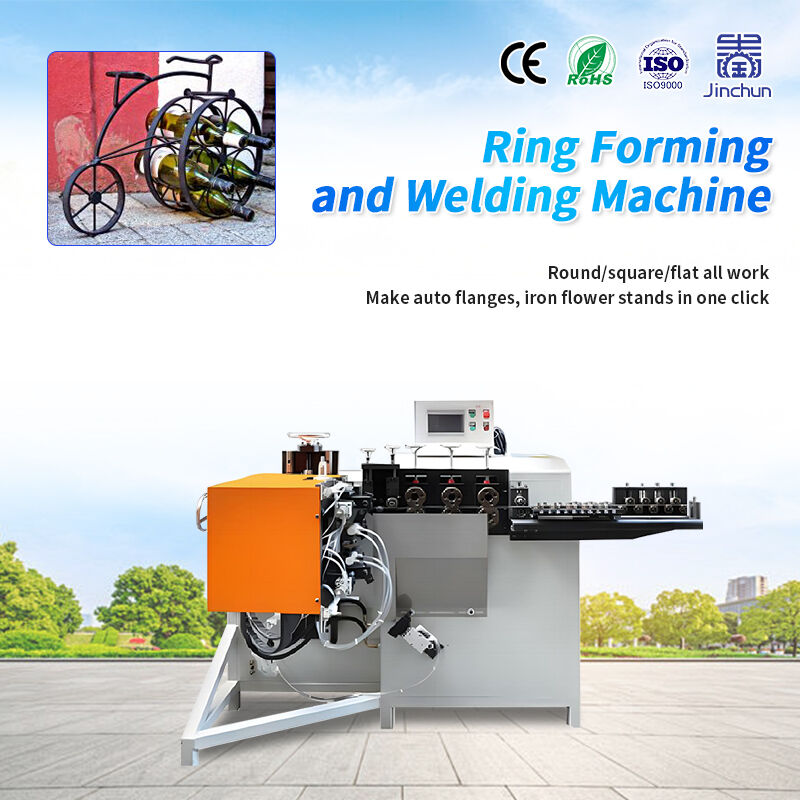
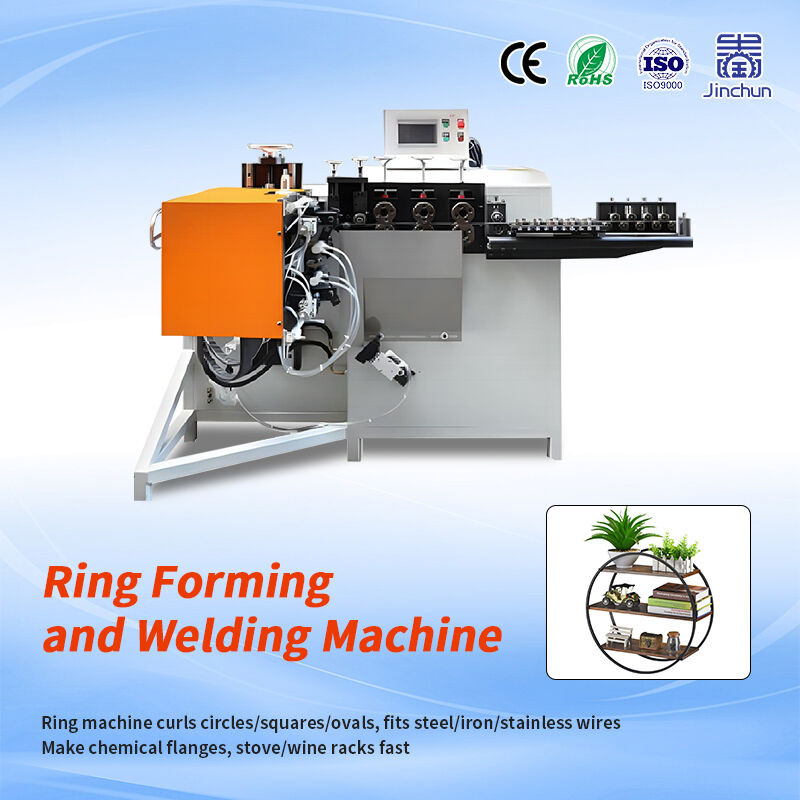
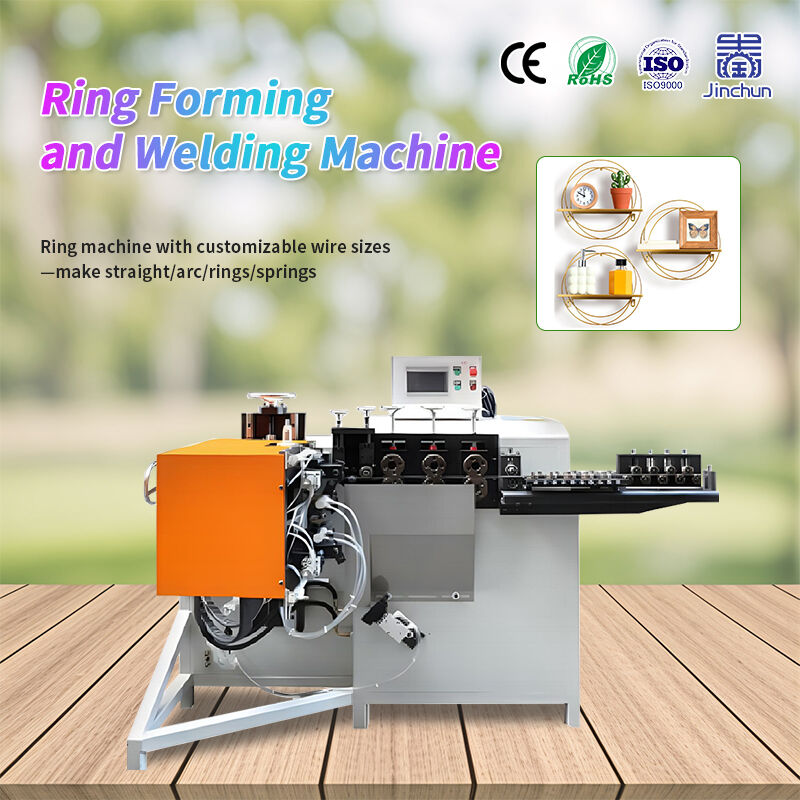
Cutting and welding equipment represents a fundamental cornerstone of modern manufacturing, construction, and fabrication industries. These sophisticated tools combine precision engineering with advanced technology to deliver reliable solutions for joining, separating, and shaping various materials. The primary functions of cutting and welding equipment encompass metal joining through fusion processes, precision cutting operations, material preparation, and surface modification treatments. Modern cutting and welding equipment utilizes multiple energy sources including electric arc, plasma, laser, and gas flame technologies to achieve optimal results across diverse applications. The technological features of contemporary cutting and welding equipment include digital control systems that provide precise parameter adjustment, automated feed mechanisms for consistent operation, and advanced cooling systems that maintain optimal operating temperatures. These machines incorporate sophisticated sensors that monitor arc stability, material thickness, and cutting speed to ensure superior performance. Many units feature programmable logic controllers that store multiple welding profiles, enabling operators to quickly switch between different materials and thicknesses. The equipment often includes integrated fume extraction systems, automatic wire feeding mechanisms, and real-time quality monitoring capabilities. Applications for cutting and welding equipment span numerous industries including automotive manufacturing, shipbuilding, construction, aerospace, pipeline installation, and general fabrication. In automotive production, these tools create structural components and body panels with exceptional precision. Construction projects rely on cutting and welding equipment for building frameworks, installing utilities, and creating custom architectural elements. The aerospace industry demands the highest quality standards, utilizing specialized cutting and welding equipment for critical component manufacturing. Pipeline construction requires portable, high-performance equipment capable of producing consistent, leak-proof joints under challenging field conditions. General fabrication shops depend on versatile cutting and welding equipment to handle diverse customer requirements ranging from artistic metalwork to industrial machinery components.
 EN
EN