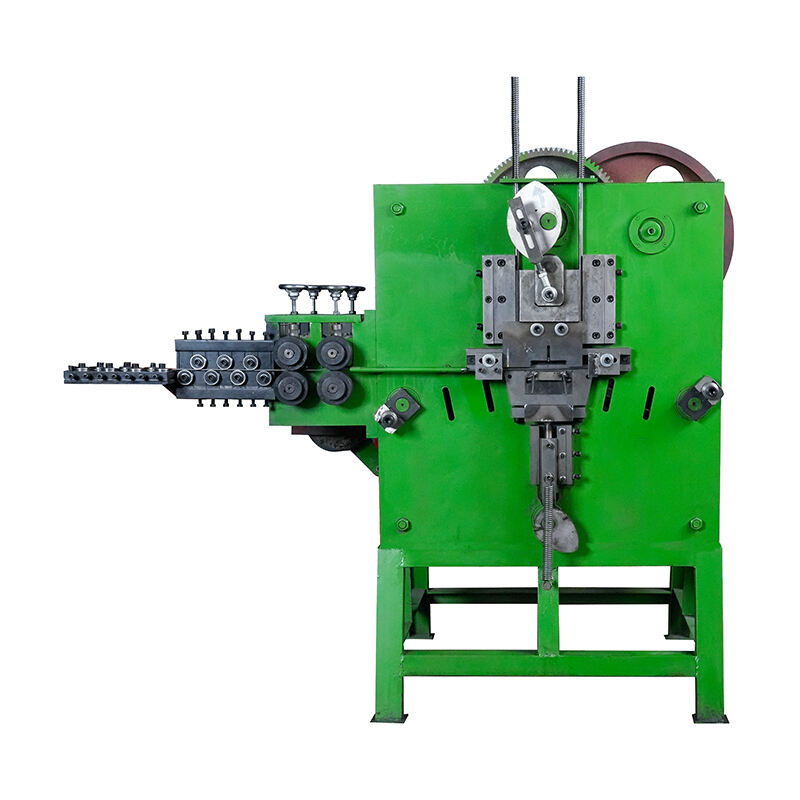
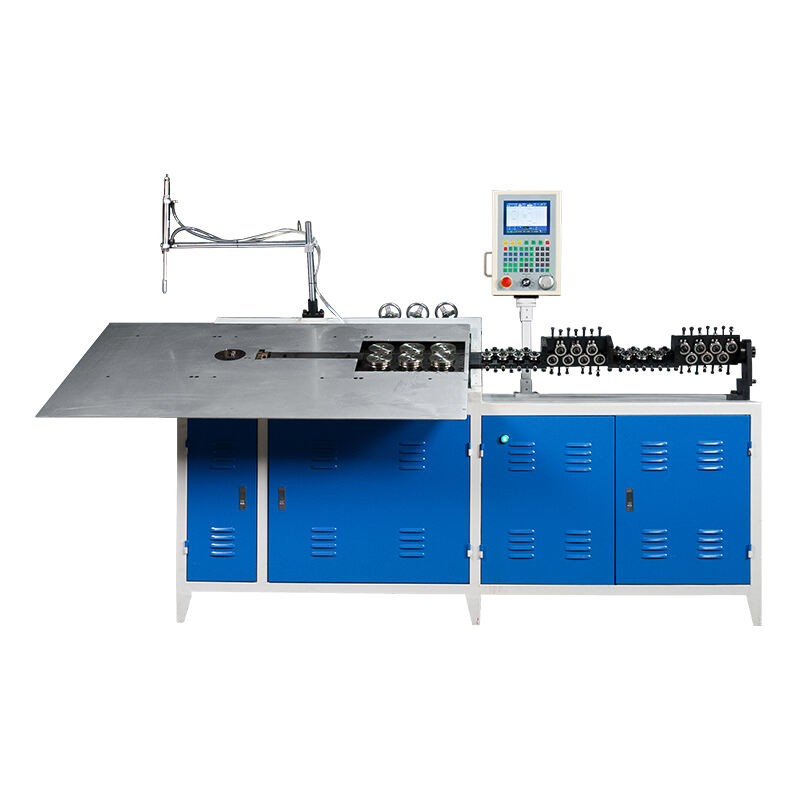
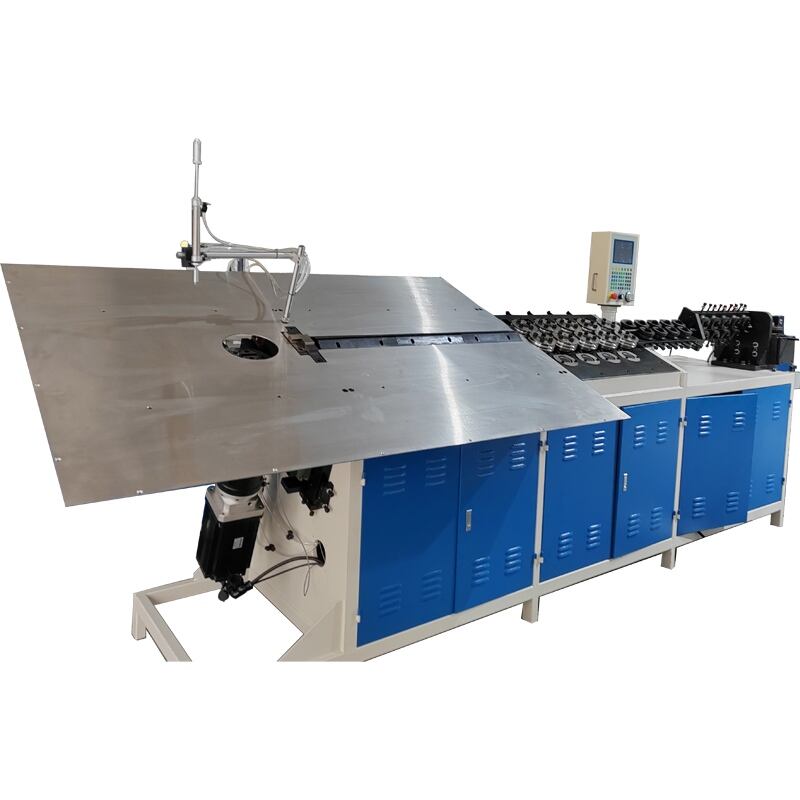
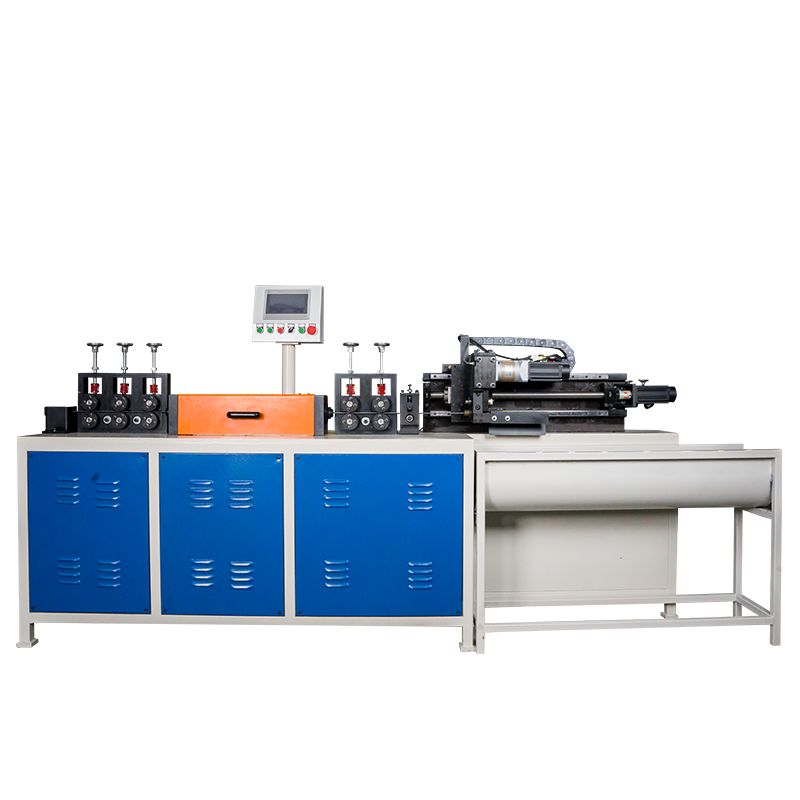
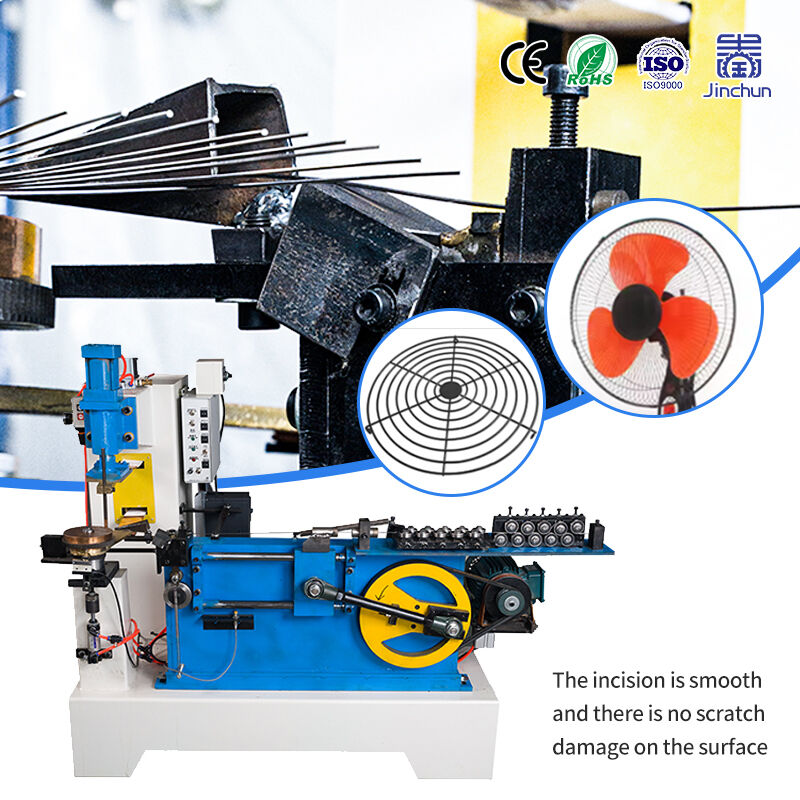
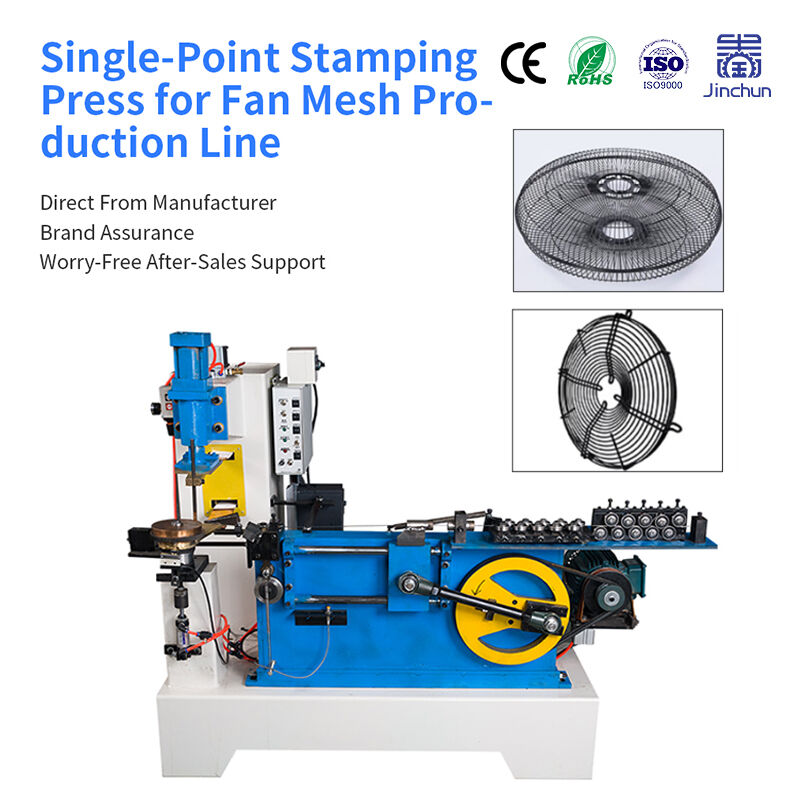
new welding machine
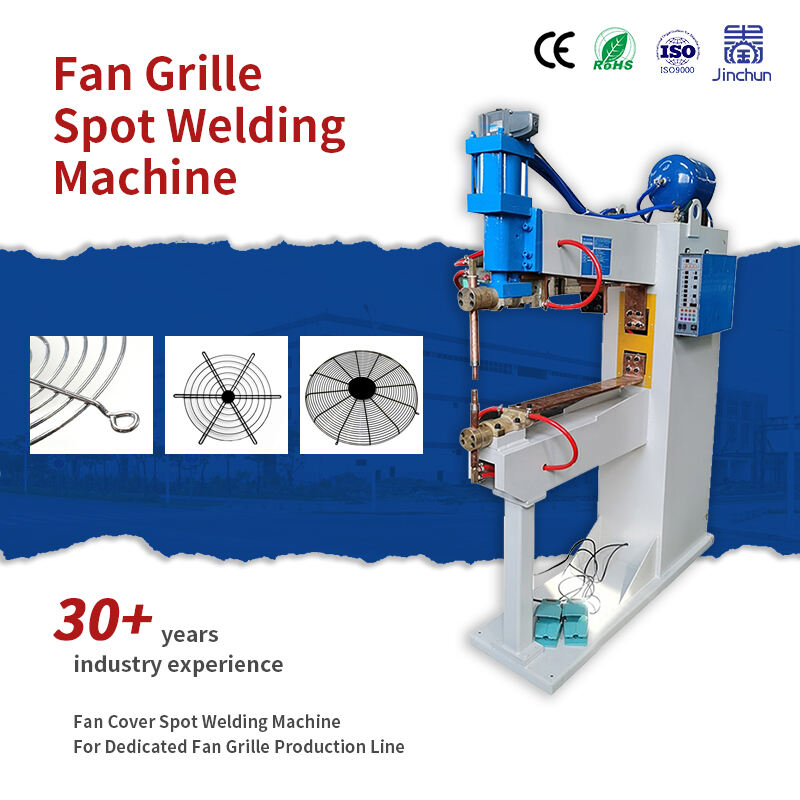
The new welding machine represents a significant advancement in metal fabrication technology, designed to meet the evolving demands of modern industrial applications. This innovative equipment incorporates cutting-edge features that deliver exceptional performance across various welding processes, including MIG, TIG, and stick welding capabilities. The new welding machine stands out with its advanced digital control system that provides precise parameter adjustment and real-time monitoring of welding conditions. Users can easily navigate through intuitive touchscreen interfaces that display critical information such as voltage, amperage, wire feed speed, and gas flow rates. The machine's robust construction ensures reliable operation in challenging industrial environments while maintaining consistent weld quality. One of the most notable technological features of this new welding machine is its adaptive arc control system, which automatically adjusts welding parameters based on material thickness and joint configuration. This intelligent technology reduces operator skill requirements while ensuring optimal penetration and fusion characteristics. The equipment supports a wide range of materials including carbon steel, stainless steel, aluminum, and specialty alloys, making it versatile for diverse manufacturing sectors. Applications for this new welding machine span across automotive manufacturing, construction, shipbuilding, pipeline installation, and general fabrication work. The machine's portability features enable field welding operations while its high-duty cycle rating supports continuous production environments. Energy efficiency improvements reduce operational costs through optimized power consumption and reduced material waste. The new welding machine also incorporates advanced safety features including automatic shutdown protection, overheat prevention, and arc force control that minimizes spatter generation. These technological enhancements contribute to improved workplace safety and reduced post-weld cleanup requirements, ultimately increasing overall productivity and profitability for welding operations.
 EN
EN