Advanced Manufacturing Machine Solutions - Precision Automation Equipment for Industrial Production

Get a Free Quote

Our representative will contact you soon.
Email
Name
Company Name
Phone / WhatsApp
Required Product
Message
0/1000

manufacturing machine

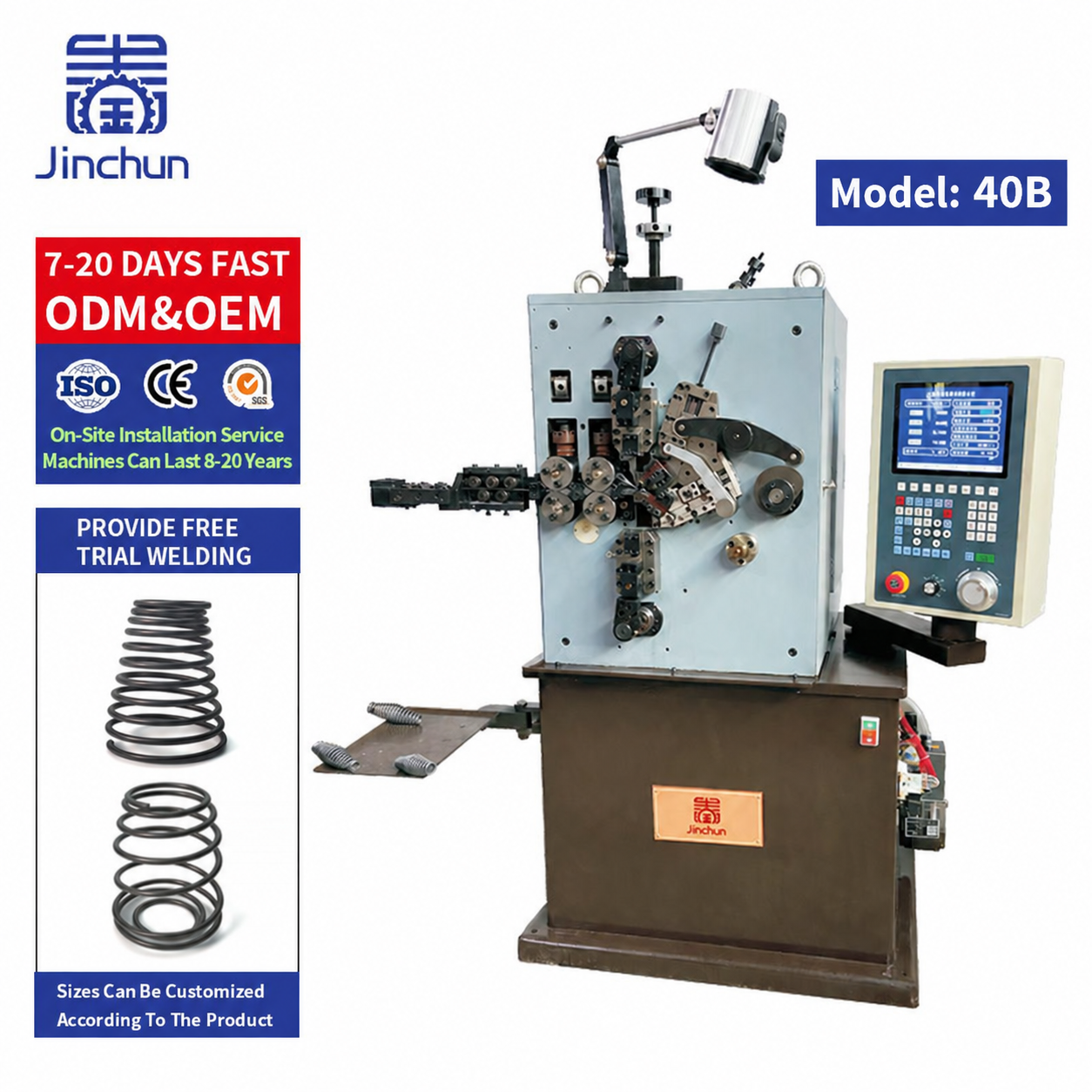
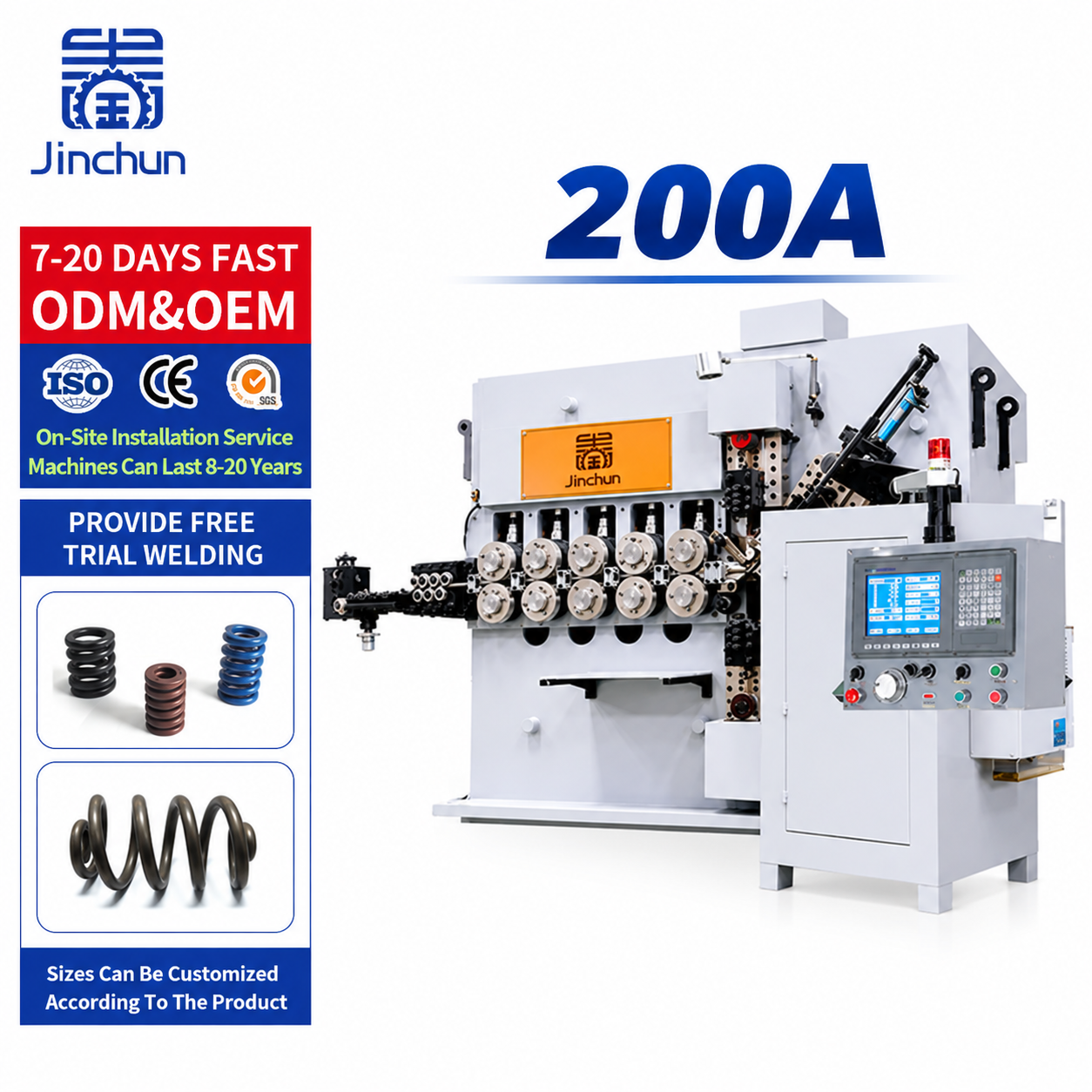
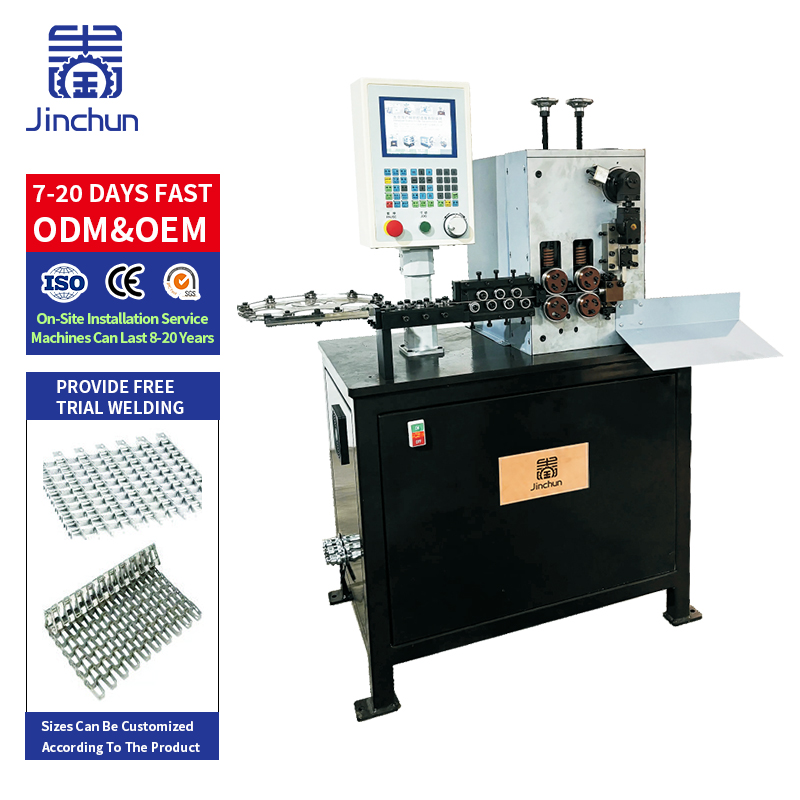
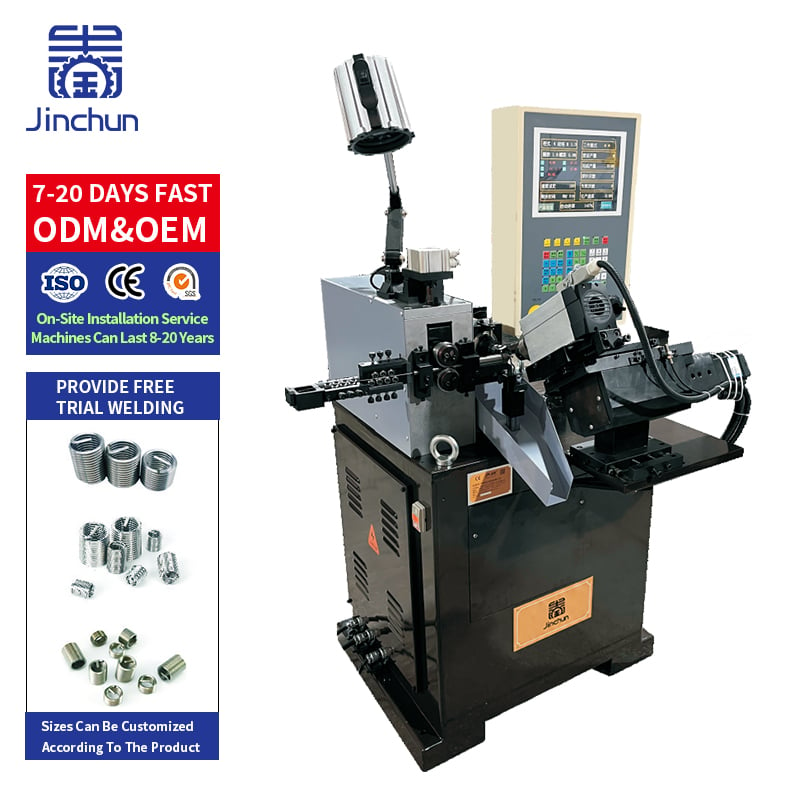
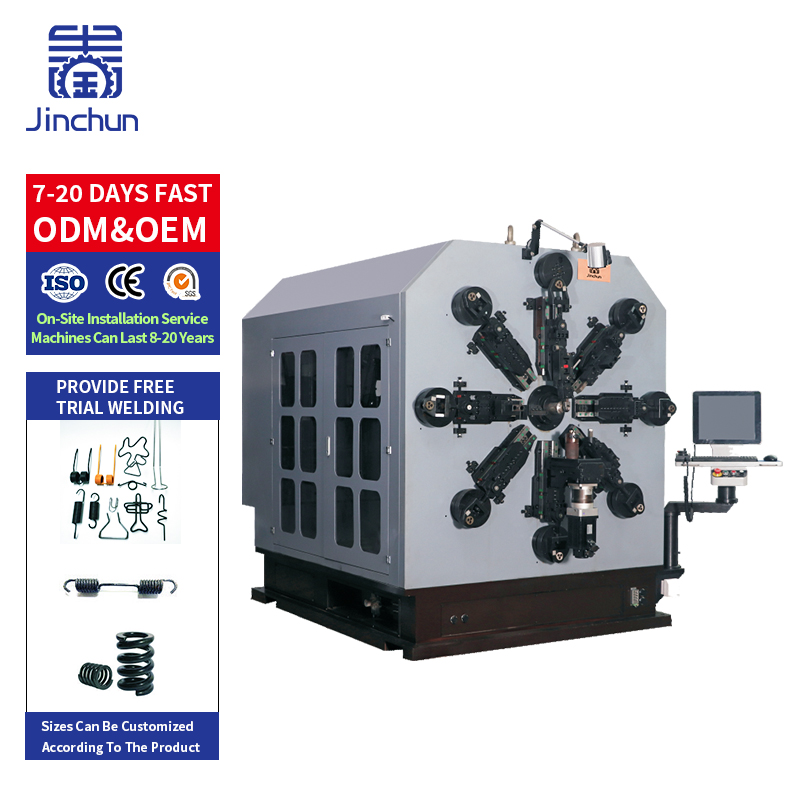
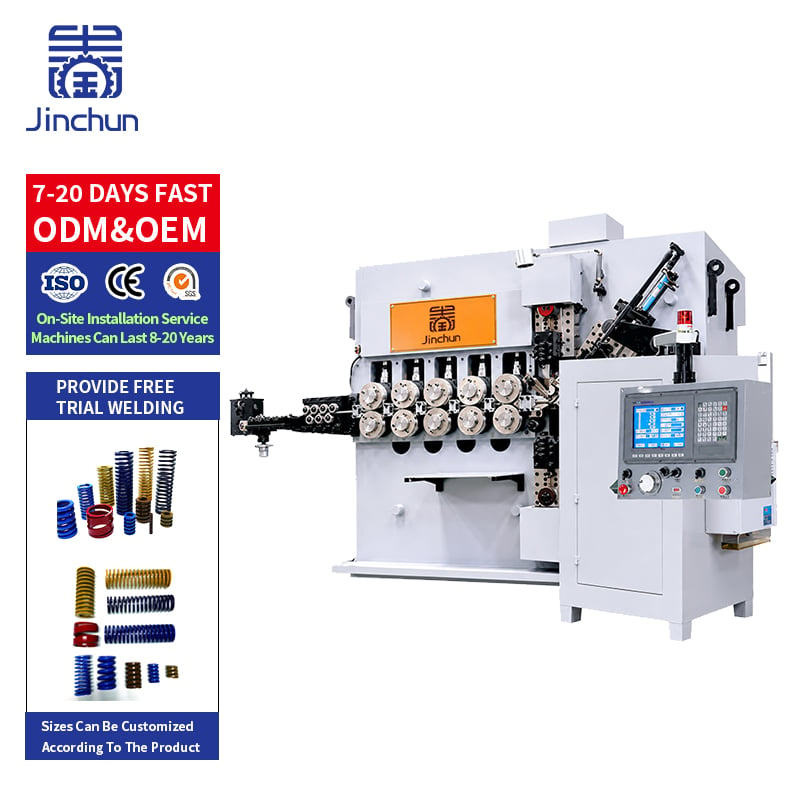
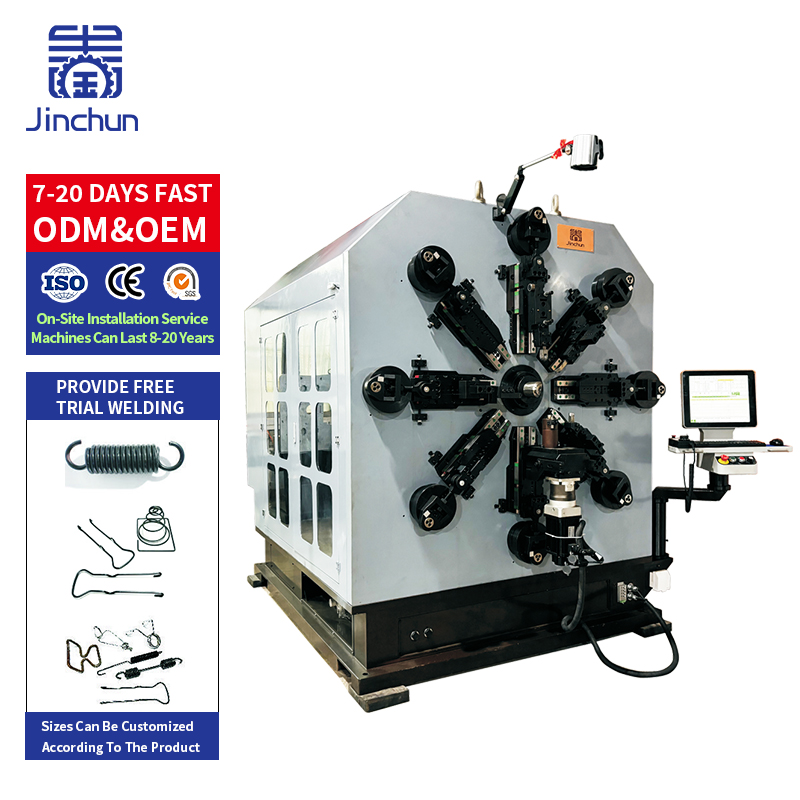
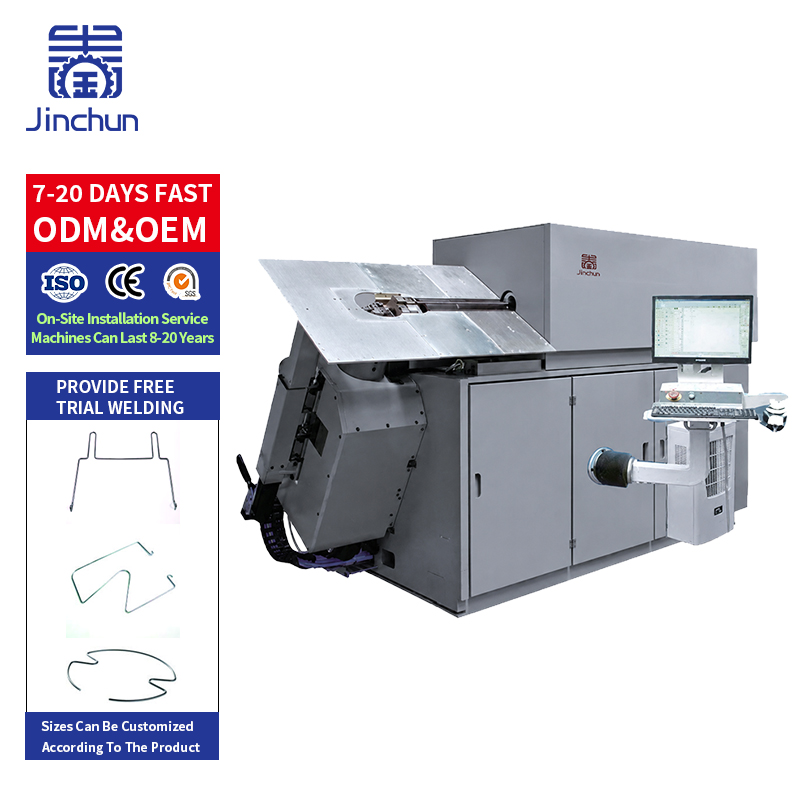
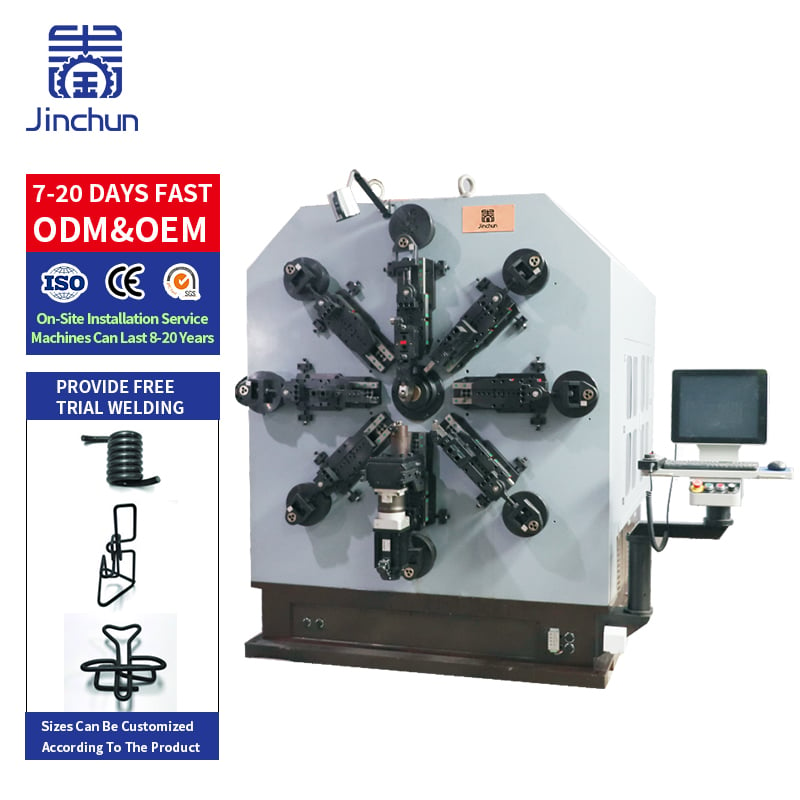
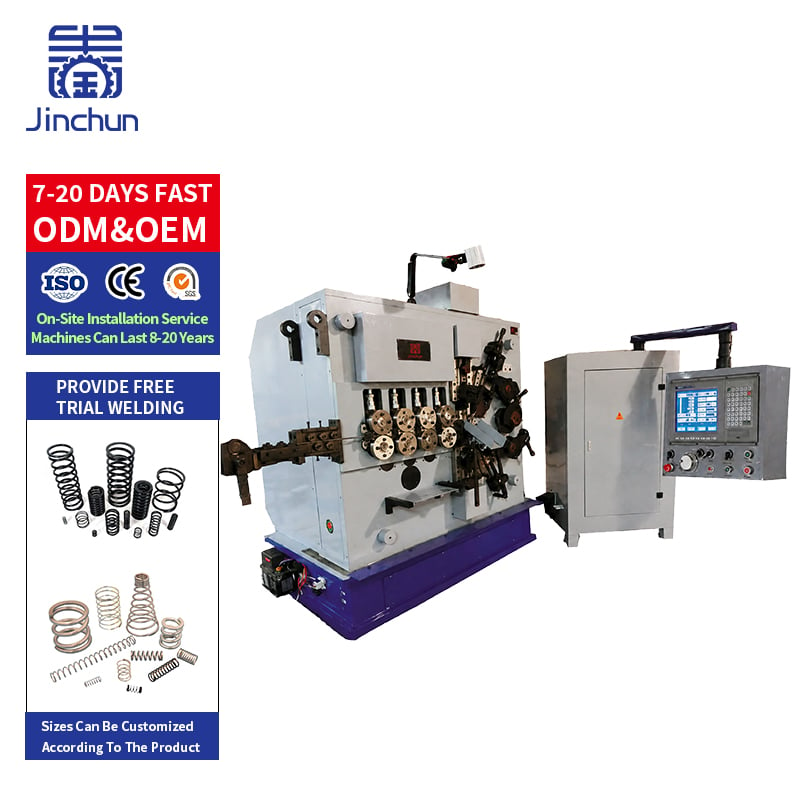
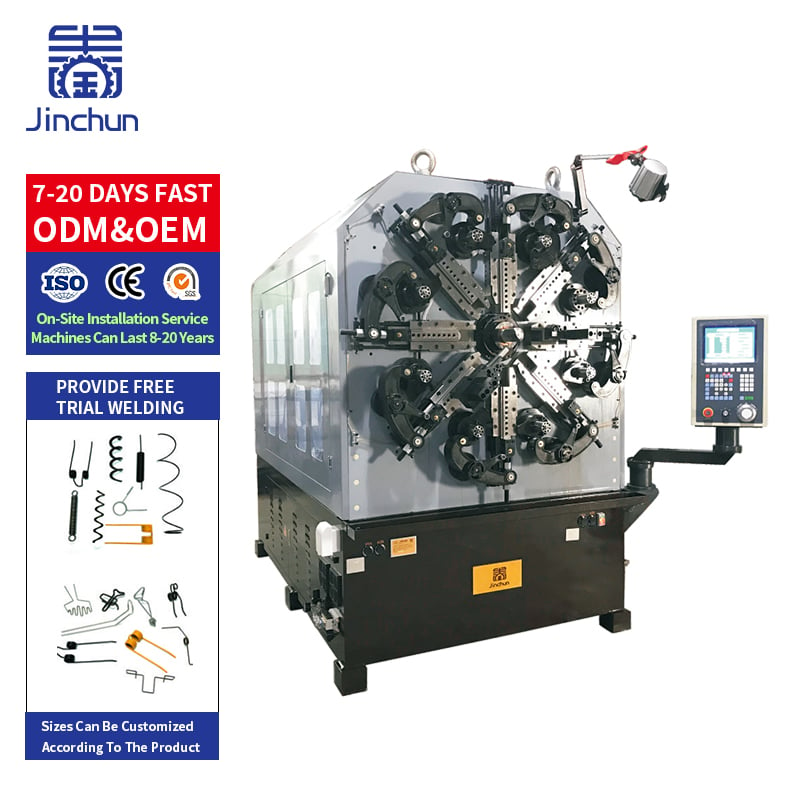
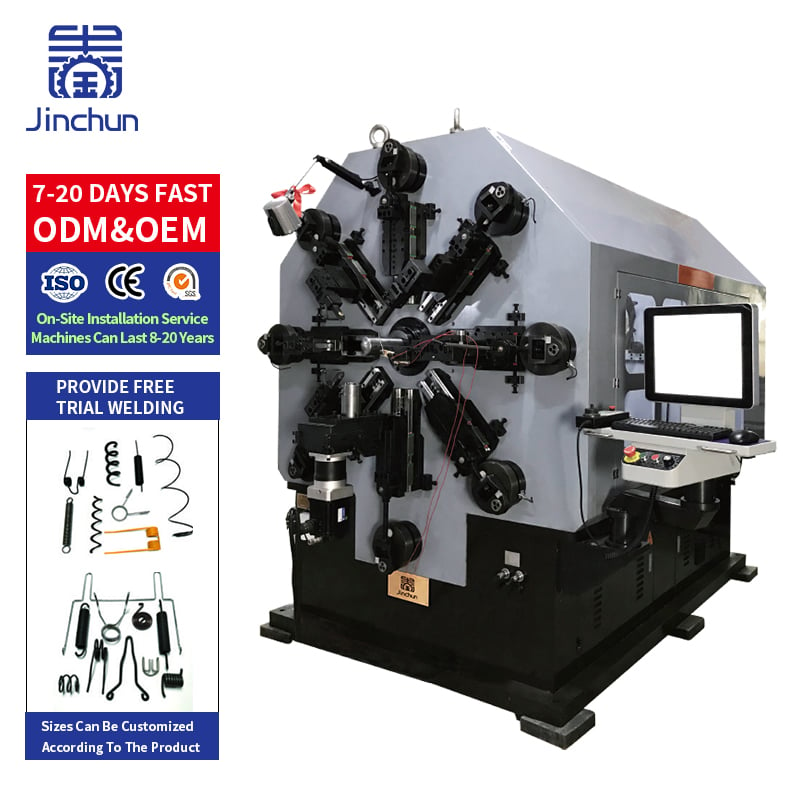
A manufacturing machine represents the cornerstone of modern industrial production, serving as sophisticated equipment designed to transform raw materials into finished products through automated processes. These advanced systems integrate cutting-edge technology with precision engineering to deliver consistent, high-quality output across various manufacturing sectors. The primary function of a manufacturing machine centers on streamlining production workflows while maintaining exceptional accuracy and repeatability in every operation. Modern manufacturing machines incorporate computer numerical control systems, advanced sensors, and real-time monitoring capabilities that enable precise material handling, shaping, cutting, assembly, and finishing operations. These systems utilize servo motors, programmable logic controllers, and human-machine interfaces to ensure seamless operation and user-friendly control. The technological features of contemporary manufacturing machines include adaptive control algorithms that automatically adjust parameters based on material properties and environmental conditions. Many units feature modular designs that allow customization for specific production requirements, while integrated quality control systems continuously monitor output to maintain strict tolerance levels. Advanced manufacturing machines often incorporate artificial intelligence and machine learning capabilities that optimize performance over time, reducing waste and improving efficiency. Safety features include emergency stop systems, protective barriers, and fail-safe mechanisms that protect operators and equipment. Applications span numerous industries including automotive, aerospace, electronics, medical devices, consumer goods, and precision components manufacturing. These versatile systems handle diverse materials such as metals, plastics, composites, ceramics, and advanced alloys. Manufacturing machines excel in high-volume production environments where consistency and speed are paramount, while also adapting to small-batch custom manufacturing scenarios. Their ability to operate continuously with minimal supervision makes them invaluable assets for companies seeking to enhance productivity, reduce labor costs, and maintain competitive advantages in today's demanding marketplace.

New Products

Manufacturing machines deliver transformative benefits that revolutionize production capabilities and business operations across industrial sectors. The most significant advantage lies in dramatically increased productivity rates compared to manual processes. These systems operate continuously without fatigue, enabling 24/7 production cycles that maximize output while minimizing downtime. Companies typically experience productivity improvements of 200-500% when implementing advanced manufacturing machines, directly translating to enhanced profitability and market competitiveness. Precision and consistency represent another crucial advantage, as manufacturing machines eliminate human error and variability in production processes. Each product meets exact specifications with tolerances measured in microns, ensuring superior quality that satisfies demanding customer requirements. This reliability reduces rejection rates, minimizes rework costs, and strengthens brand reputation through consistent product excellence. Cost reduction emerges as a compelling benefit through multiple channels. Manufacturing machines reduce labor expenses by automating repetitive tasks, allowing skilled workers to focus on higher-value activities such as quality control, maintenance, and process optimization. Material waste decreases significantly due to precise cutting, forming, and assembly operations that utilize resources efficiently. Energy consumption optimizes through smart controls that adjust power usage based on production demands. Long-term operational costs decline as modern manufacturing machines feature robust construction and predictive maintenance capabilities that extend equipment lifespan. Safety improvements create safer working environments by removing workers from hazardous operations involving heavy machinery, sharp tools, or dangerous materials. Automated systems incorporate comprehensive safety protocols, emergency stops, and protective barriers that virtually eliminate workplace accidents. Flexibility represents a modern advantage as manufacturing machines adapt quickly to product design changes, material variations, and production volume adjustments. Reprogramming capabilities enable rapid changeovers between different products without extensive retooling, supporting just-in-time manufacturing strategies and customer customization requests. Data collection and analysis capabilities provide valuable insights into production performance, enabling continuous improvement initiatives and predictive maintenance scheduling. These intelligent systems generate detailed reports on efficiency metrics, quality statistics, and operational parameters that support informed decision-making and strategic planning for sustainable business growth and competitive positioning.

Tips And Tricks

Wire Straightening Machine: How to Choose the Best One

20

Nov

Wire Straightening Machine: How to Choose the Best One

Manufacturing industries rely heavily on precise wire processing equipment to maintain product quality and operational efficiency. When wire materials arrive coiled or bent from suppliers, achieving the straightness required for downstream applicatio...
View More
How to Choose the Right Bending Machines for Your Shop

20

Nov

How to Choose the Right Bending Machines for Your Shop

Selecting the appropriate bending machines for your manufacturing shop represents one of the most critical investments you'll make in your production capabilities. The right equipment can dramatically improve efficiency, precision, and profitability ...
View More
Maintenance Guide for Automatic Ring Making Machine

27

Nov

Maintenance Guide for Automatic Ring Making Machine

Manufacturing operations rely heavily on precision equipment to maintain consistent production quality and efficiency. An automatic ring making machine represents a significant investment in industrial metalworking capabilities, requiring systematic ...
View More
The Ultimate Guide to CNC Wire Forming: Technology, Applications, and Choosing the Right Partner

15

Jan

The Ultimate Guide to CNC Wire Forming: Technology, Applications, and Choosing the Right Partner

In the modern industrial landscape, precision and efficiency are the cornerstones of successful manufacturing. CNC wire forming (Computer Numerical Control wire forming) has emerged as an essential technology, allowing for the rapid manipulation of m...
View More

Get a Free Quote

Our representative will contact you soon.
Email
Name
Company Name
Phone / WhatsApp
Required Product
Message
0/1000

manufacturing machine

Advanced Automation Technology Integration

Advanced Automation Technology Integration

Manufacturing machines incorporate sophisticated automation technology that transforms traditional production environments into intelligent, self-managing systems. The integration begins with programmable logic controllers that serve as the central nervous system, coordinating all machine functions through precise timing and sequencing protocols. These controllers communicate with servo motors, stepper motors, and linear actuators to execute complex motion profiles with exceptional accuracy. Advanced sensor networks monitor every aspect of operation, including temperature, pressure, vibration, position, and material properties, providing real-time feedback that enables immediate adjustments to maintain optimal performance. The human-machine interface displays critical information in intuitive formats, allowing operators to monitor production status, adjust parameters, and respond to alerts efficiently. Touch-screen controls simplify complex operations while maintaining comprehensive functionality for experienced technicians. Networked connectivity enables remote monitoring and control capabilities, allowing supervisors to oversee multiple manufacturing machines from centralized locations. This connectivity supports predictive maintenance programs that analyze performance data to identify potential issues before failures occur, reducing unplanned downtime and maintenance costs. Artificial intelligence algorithms continuously learn from production patterns, automatically optimizing cycle times, tool paths, and process parameters to improve efficiency and quality. Machine learning capabilities adapt to material variations and environmental changes, maintaining consistent output despite fluctuating conditions. The automation technology extends to material handling systems that coordinate raw material delivery, work-in-process movement, and finished product removal without manual intervention. Robotic integration enables seamless collaboration between manufacturing machines and automated handling equipment, creating fully integrated production cells. Quality control automation includes vision systems that inspect products in real-time, automatically rejecting defective items and adjusting processes to prevent future defects. This comprehensive automation approach reduces labor requirements, eliminates human error, and ensures consistent production quality while enabling rapid response to changing market demands and customer specifications.
Precision Engineering and Quality Assurance

Precision Engineering and Quality Assurance

Manufacturing machines achieve unprecedented precision through meticulous engineering design and advanced quality assurance systems that guarantee exceptional product consistency and dimensional accuracy. The foundation of precision begins with rigid machine structures constructed from high-grade materials such as cast iron, steel, and engineered composites that resist vibration, thermal expansion, and mechanical stress. Precision-ground linear guides, ball screws, and bearing systems ensure smooth, accurate motion with minimal backlash and wear over extended operating periods. Temperature compensation systems automatically adjust for thermal effects that could impact dimensional accuracy, maintaining tight tolerances regardless of environmental conditions. High-resolution encoders and feedback systems monitor position and velocity with sub-micron precision, enabling closed-loop control that corrects for any deviations in real-time. Tool management systems automatically select, change, and calibrate cutting tools, drills, and forming dies to maintain optimal cutting conditions and dimensional consistency. Integrated measurement systems perform in-process inspection using laser interferometry, coordinate measuring machines, and optical scanning to verify part dimensions during production. Statistical process control software analyzes measurement data to identify trends, predict quality issues, and trigger corrective actions before defective products are produced. Calibration protocols ensure measurement accuracy through traceable standards and regular verification procedures. Quality documentation systems automatically record inspection results, process parameters, and traceability information for complete product history tracking. Error compensation algorithms account for machine geometry errors, tool wear, and material property variations to maintain accuracy over time. Preventive maintenance programs include precision checks, alignment verification, and component replacement schedules that preserve machine accuracy throughout its operational life. Advanced manufacturing machines often feature adaptive control systems that automatically adjust cutting forces, speeds, and feeds to maintain surface finish quality and dimensional tolerance regardless of material hardness variations. This comprehensive approach to precision engineering and quality assurance enables manufacturing machines to consistently produce parts that meet or exceed the most demanding specifications while minimizing inspection requirements and quality-related costs.
Versatile Production Capabilities and Scalability

Versatile Production Capabilities and Scalability

Manufacturing machines demonstrate remarkable versatility through modular designs and scalable architectures that adapt seamlessly to diverse production requirements, material types, and market demands. The modular approach enables manufacturers to configure systems with specific capabilities tailored to their unique applications, whether producing high-volume automotive components, precision medical devices, or custom aerospace parts. Interchangeable tooling systems support multiple operations including milling, turning, drilling, grinding, cutting, forming, and assembly within a single machine platform. Quick-change mechanisms enable rapid transitions between different product types, reducing setup times from hours to minutes and supporting lean manufacturing principles. Programmable parameters accommodate various material properties including metals, plastics, ceramics, composites, and exotic alloys without requiring hardware modifications. Software-based configuration changes allow operators to adjust cutting strategies, motion profiles, and process sequences to optimize performance for specific applications. Multi-axis capabilities enable complex geometries and intricate features that would be impossible with conventional manufacturing methods. Scalability extends from compact benchtop units suitable for prototyping and small-batch production to large-scale systems capable of handling massive workpieces and high-volume manufacturing requirements. Expandable architectures support future growth through additional modules, enhanced controllers, and upgraded software packages that increase capabilities without replacing the entire system. Integration flexibility allows manufacturing machines to connect with existing production lines, material handling systems, and enterprise resource planning software to create comprehensive manufacturing solutions. Customization options include specialized fixtures, dedicated tooling, and application-specific programming that optimize performance for particular industries or products. Multi-shift operation capabilities ensure maximum utilization of capital equipment through continuous production scheduling and automated material supply systems. Remote configuration and programming capabilities enable rapid deployment of new products and process improvements across multiple locations. The versatile nature of modern manufacturing machines makes them ideal investments for companies experiencing growth, product diversification, or changing market conditions, providing long-term value through adaptable production capabilities that evolve with business requirements and technological advances.

Get a Free Quote

Our representative will contact you soon.
Email
Name
Company Name
Phone / WhatsApp
Required Product
Message
0/1000

Get a Free Quote

Our representative will contact you soon.
Email
Name
Company Name
Phone / WhatsApp
Required Product
Message
0/1000