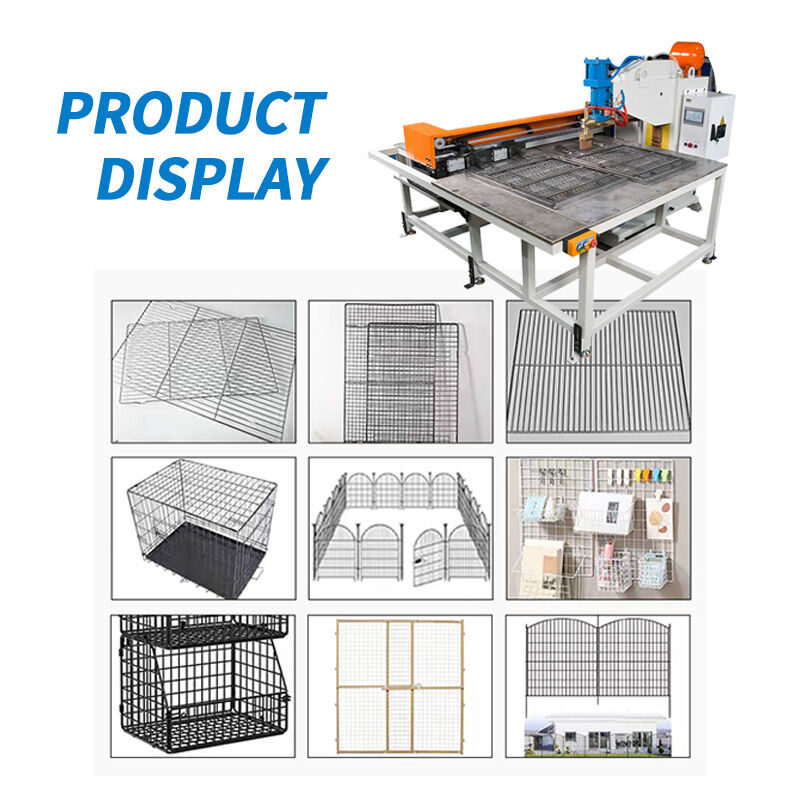
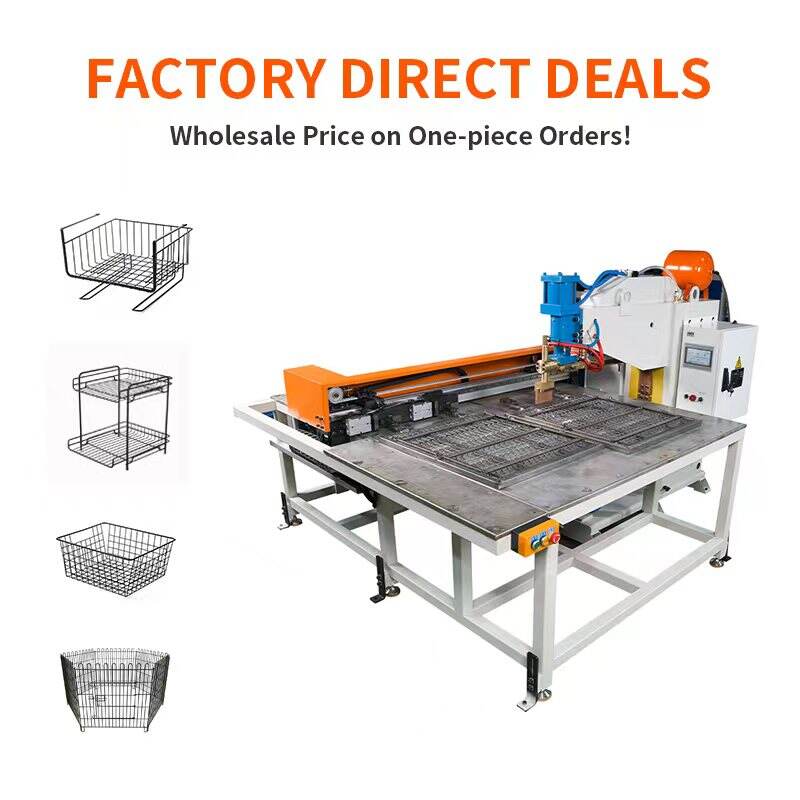
wire mesh welding machine factory
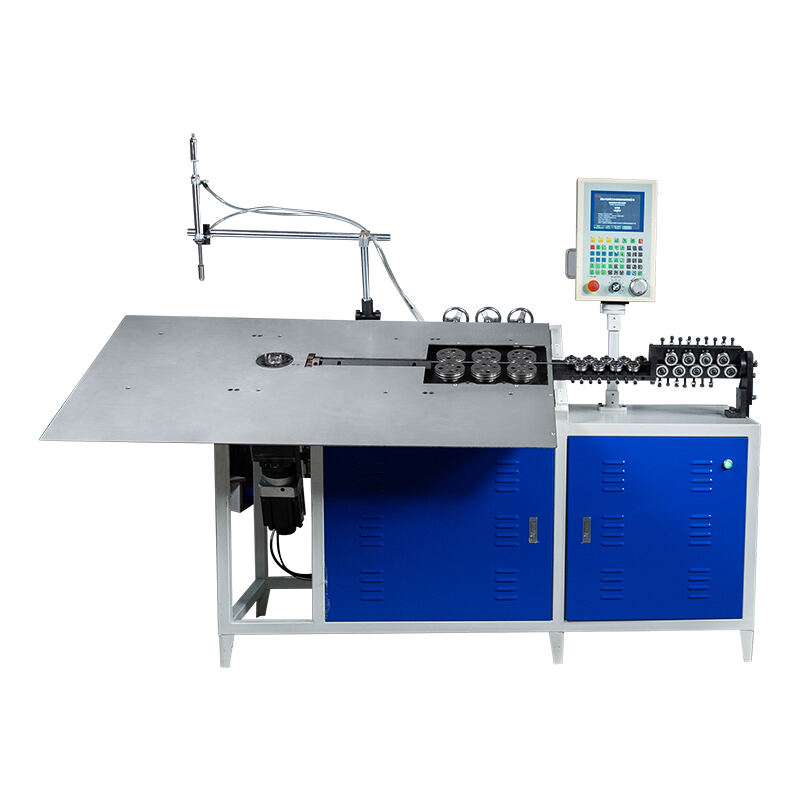
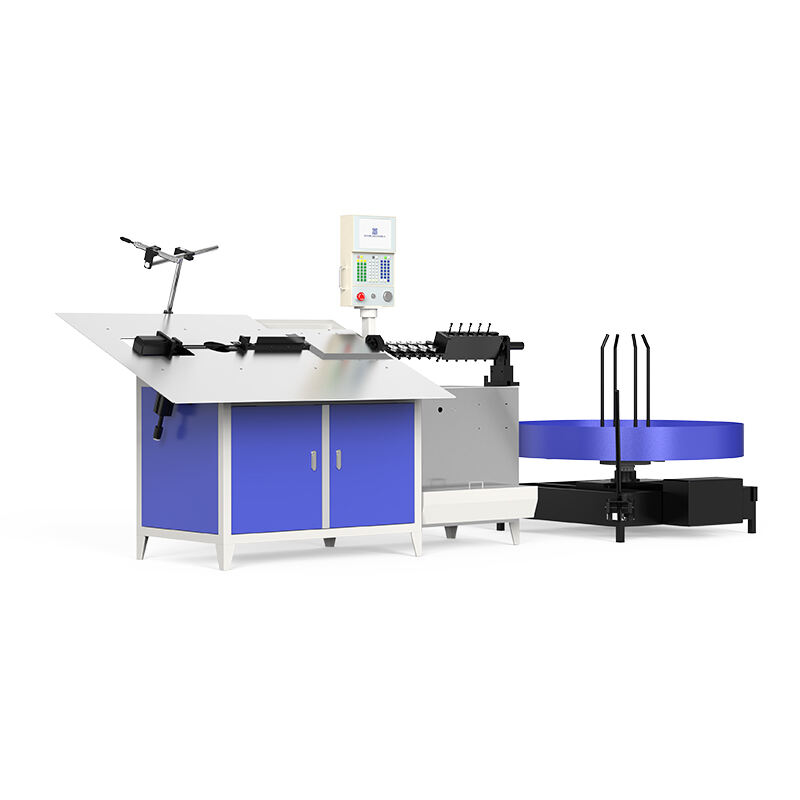
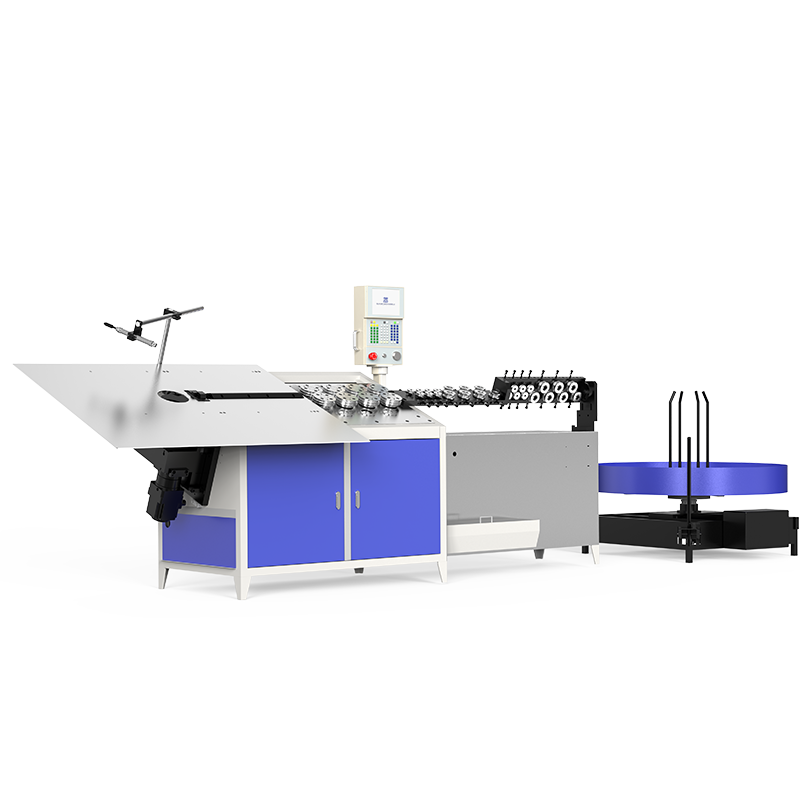
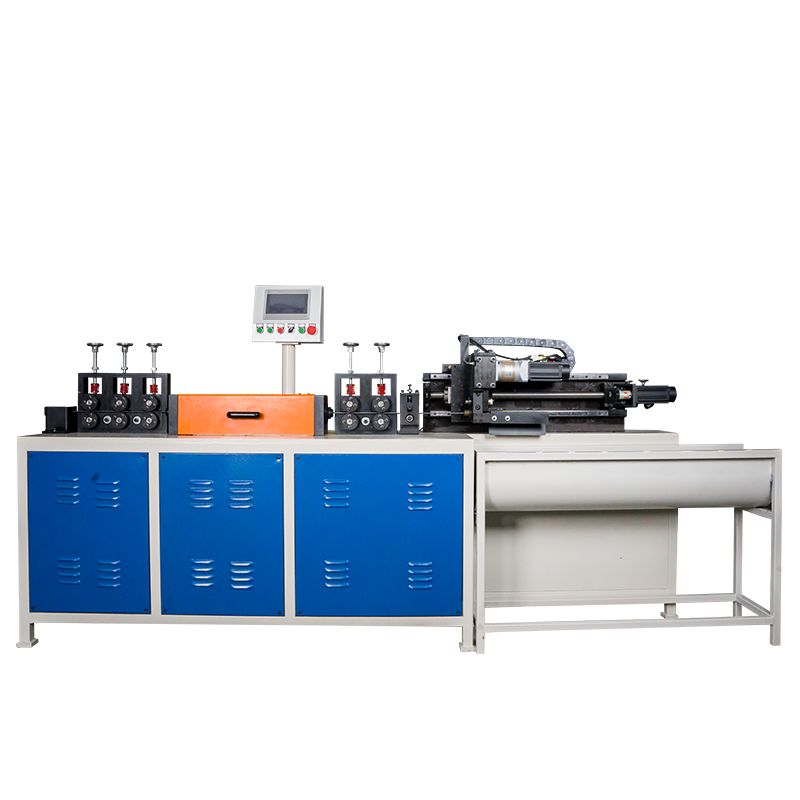
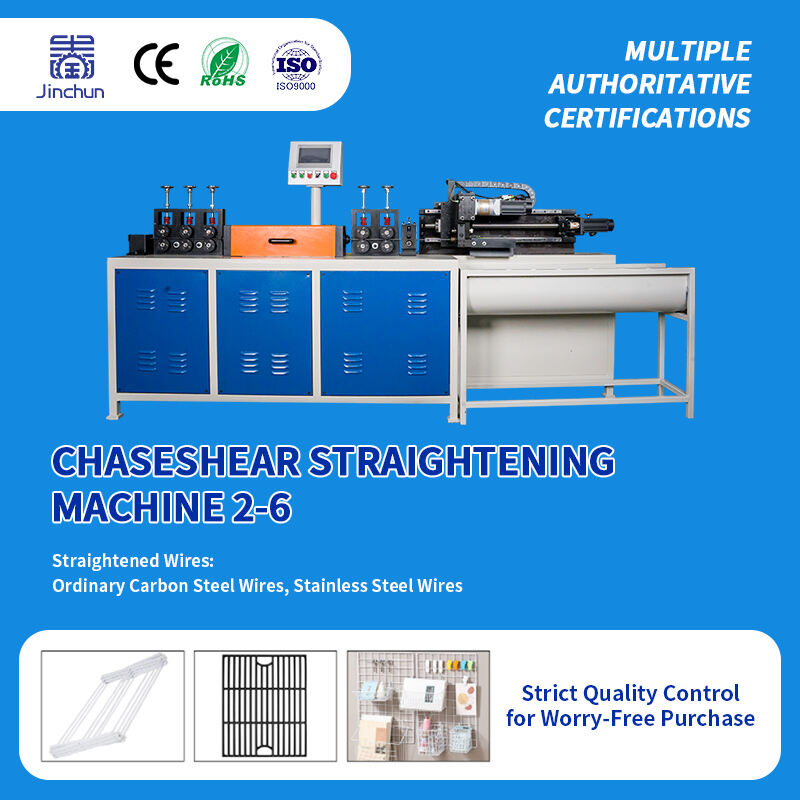
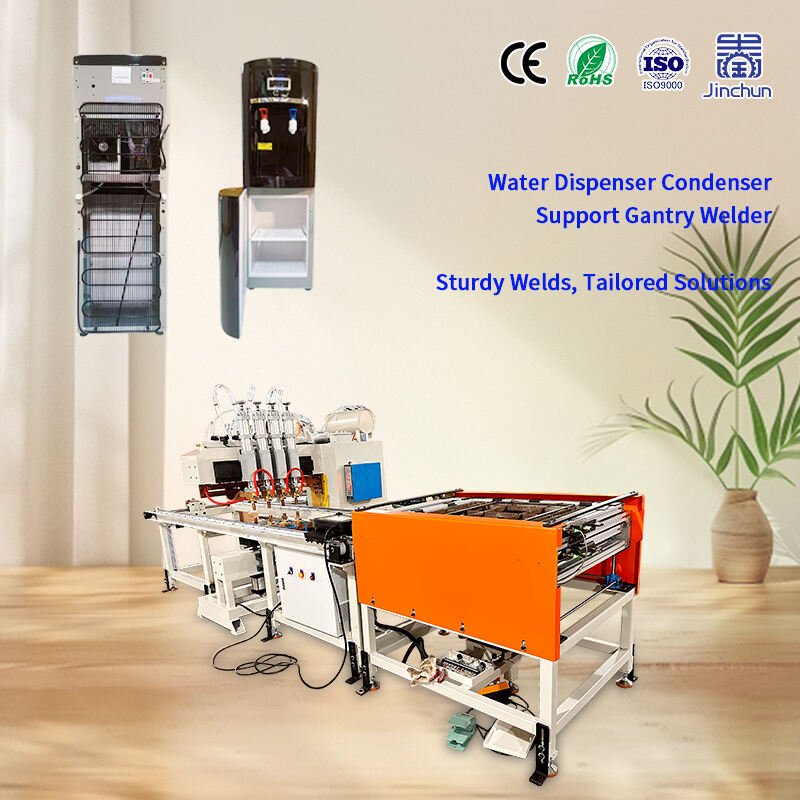
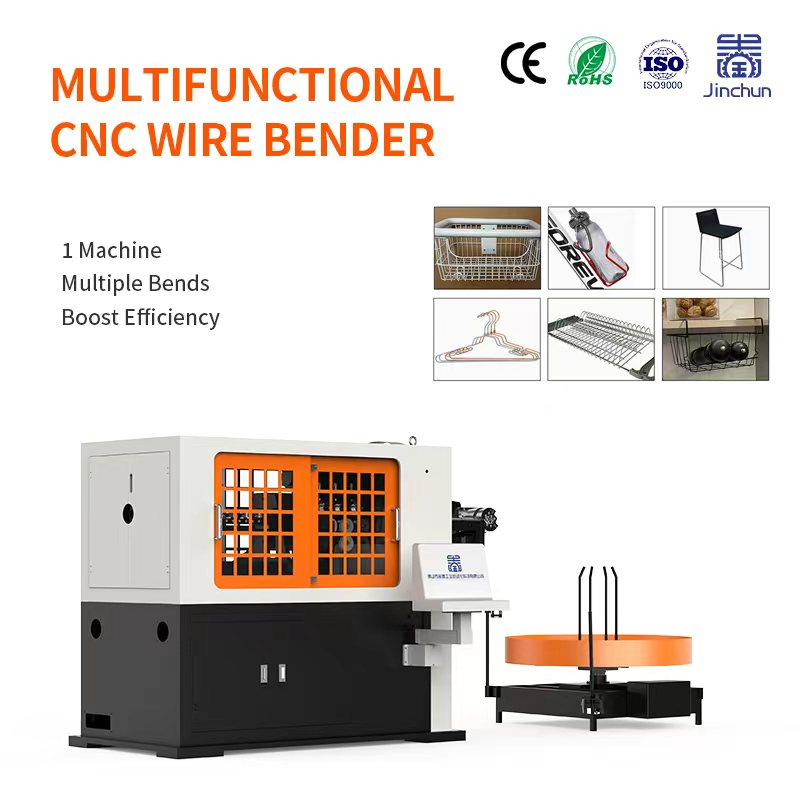
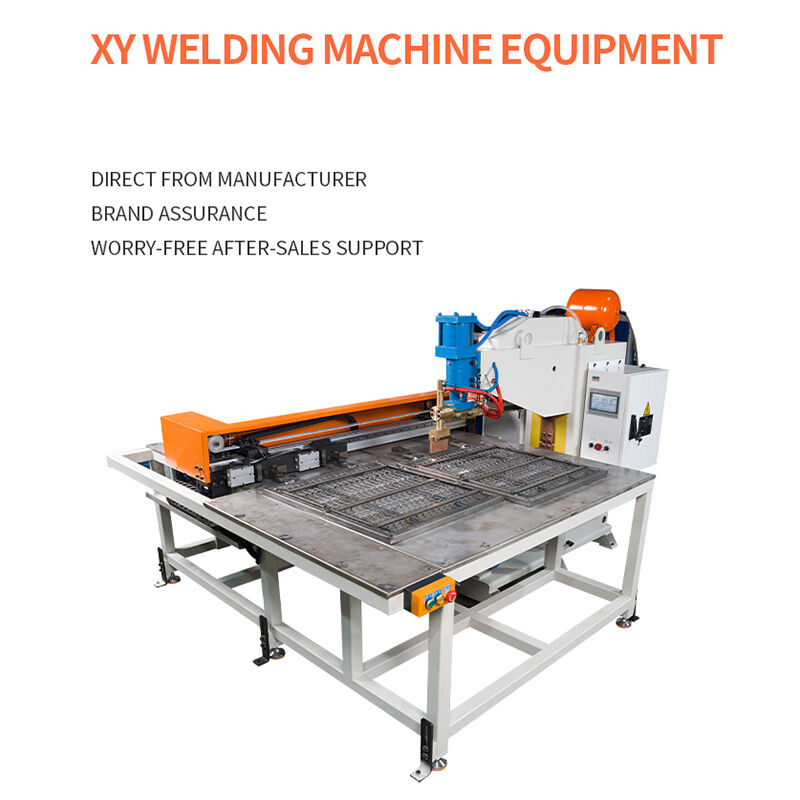
A wire mesh welding machine factory represents a specialized manufacturing facility dedicated to producing automated equipment for creating welded wire mesh products. These sophisticated industrial establishments combine advanced engineering expertise with cutting-edge technology to manufacture machines capable of producing various types of wire mesh configurations. The primary function of a wire mesh welding machine factory centers on designing, assembling, and testing automated welding systems that join metal wires at predetermined intersection points to create uniform grid patterns. These facilities employ skilled technicians and engineers who understand the intricate requirements of resistance welding, spot welding, and continuous welding processes. The technological features of modern wire mesh welding machine factory operations include computerized control systems, precision wire feeding mechanisms, automated welding heads, and quality monitoring sensors. These machines can handle different wire diameters ranging from fine gauge wires to heavy-duty steel reinforcement materials. The production capabilities extend to manufacturing equipment for construction reinforcement mesh, agricultural fencing, industrial screening applications, and architectural decorative panels. Each wire mesh welding machine factory typically maintains extensive research and development departments focused on improving welding speed, enhancing joint strength, and reducing energy consumption. The applications for products from a wire mesh welding machine factory span multiple industries including construction, agriculture, mining, filtration, and security fencing. These facilities often customize their machinery to meet specific customer requirements, incorporating features such as adjustable mesh spacing, variable wire thickness compatibility, and specialized coating application systems. Quality assurance protocols within every reputable wire mesh welding machine factory ensure that manufactured equipment meets international standards for safety, performance, and durability. The integration of digital technologies allows for remote monitoring capabilities, predictive maintenance scheduling, and real-time production data analysis, making these factories essential contributors to modern manufacturing efficiency.
 EN
EN