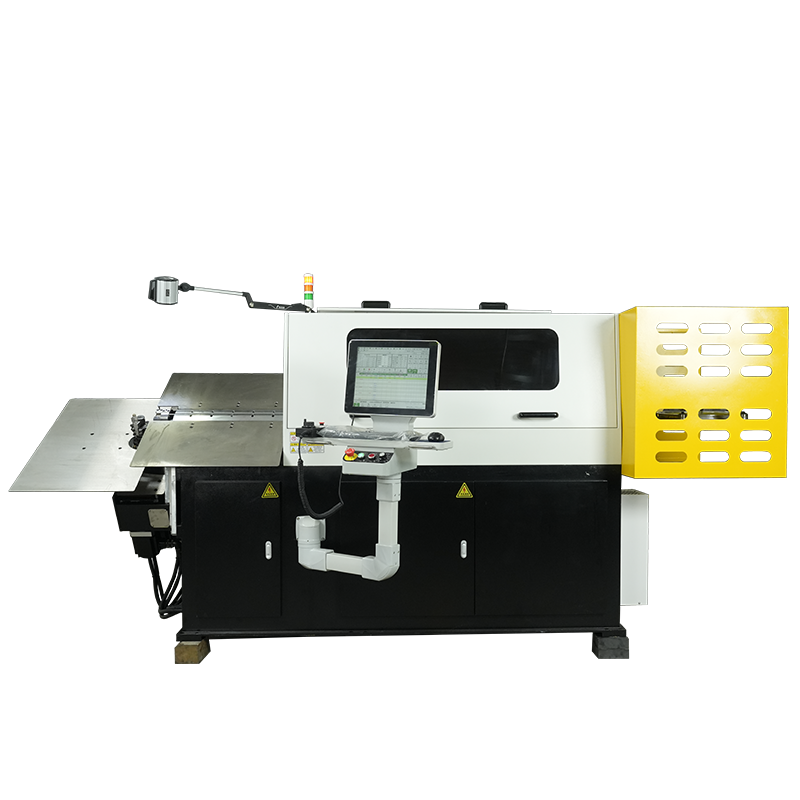
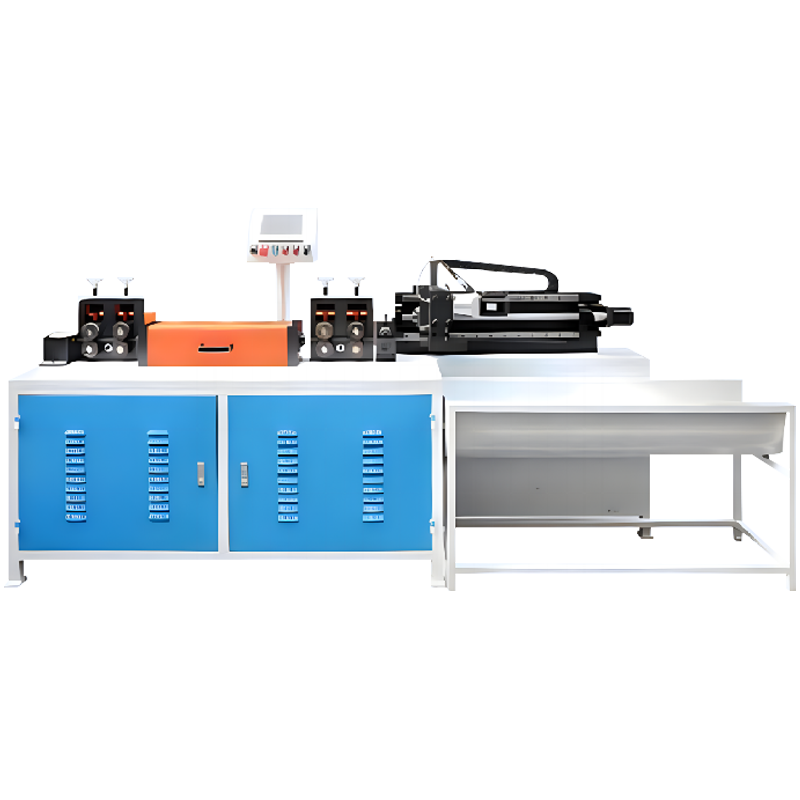
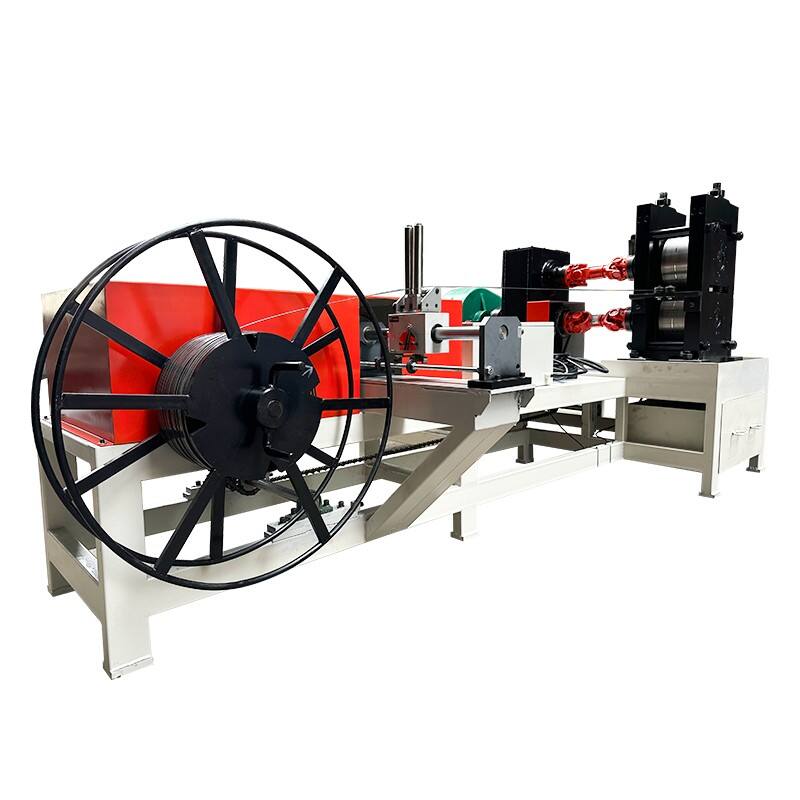
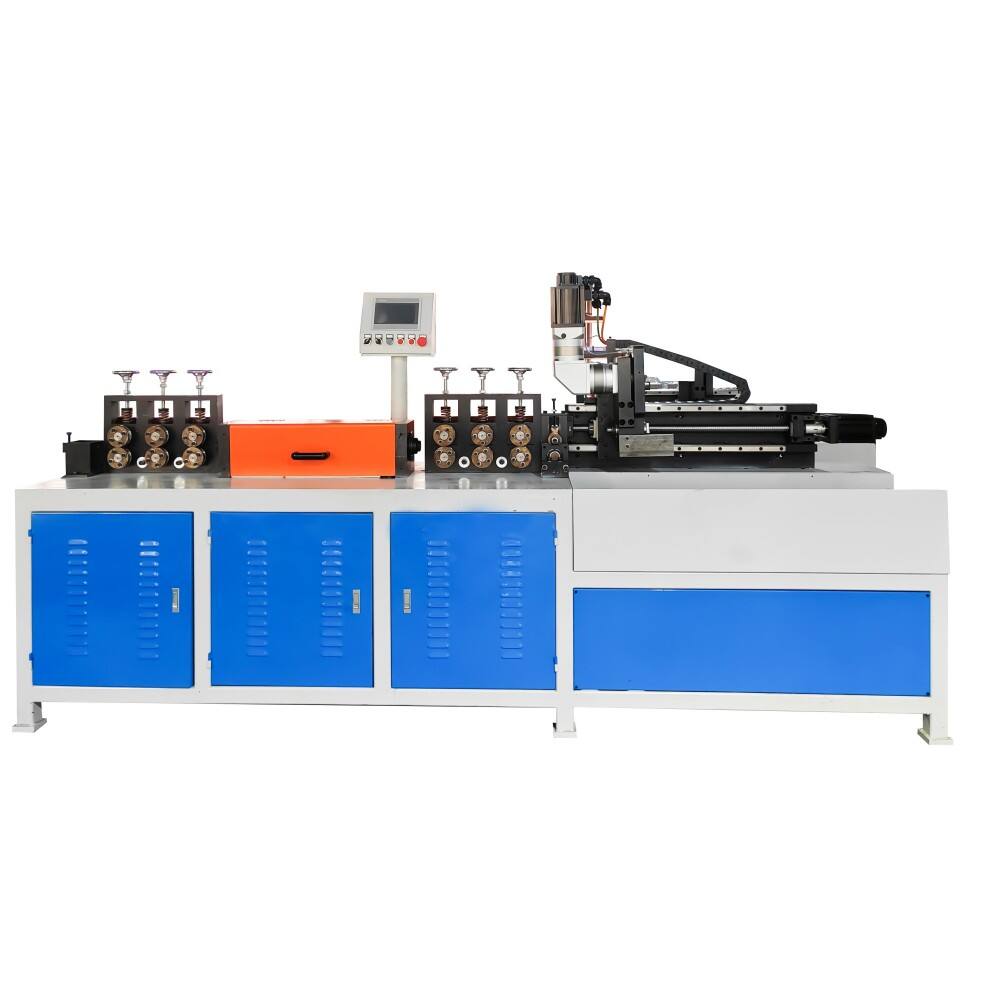
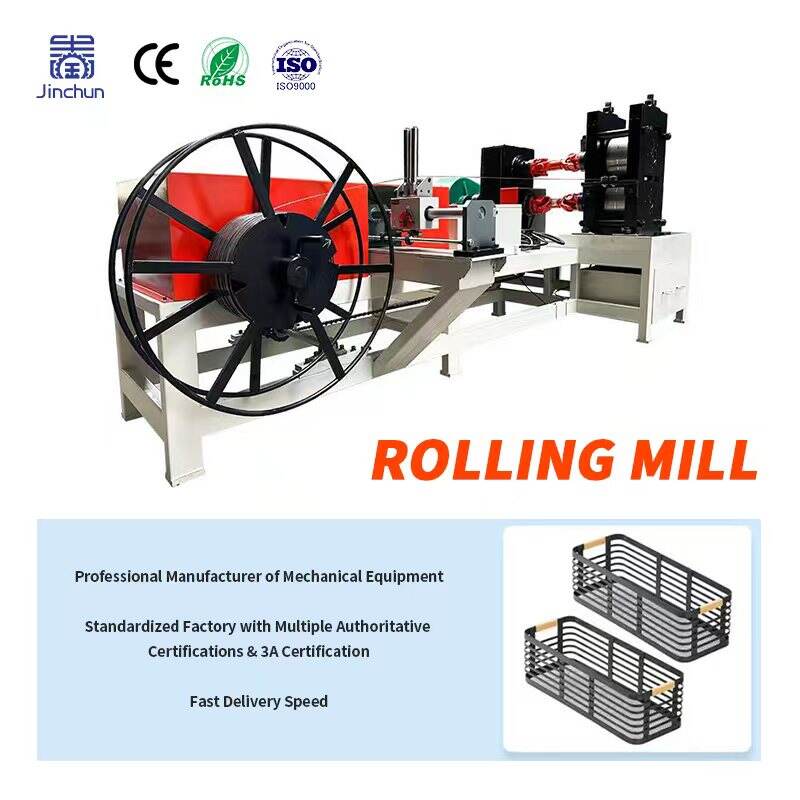
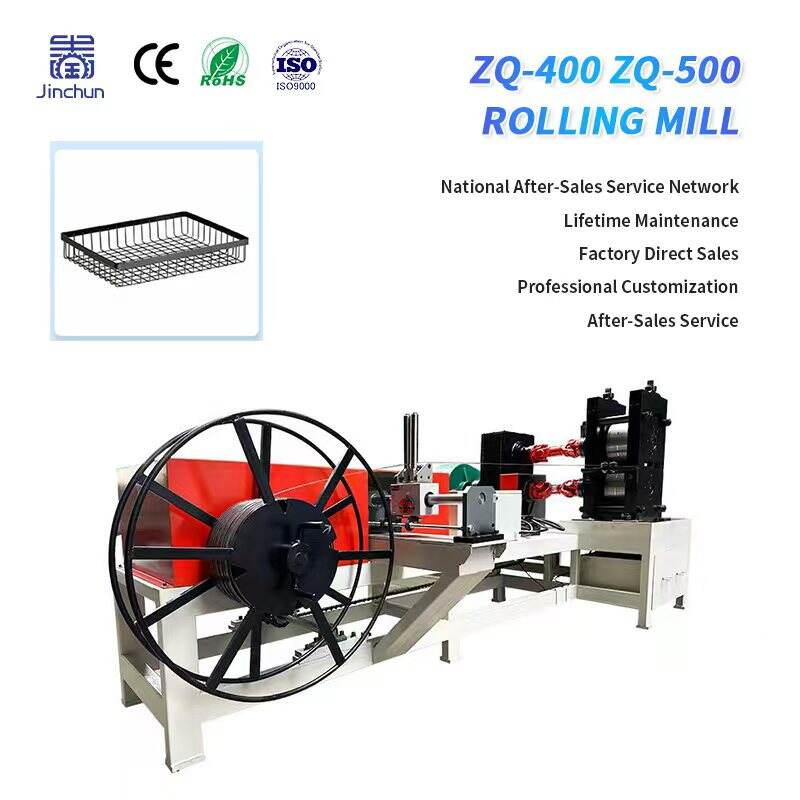
Professional Wire Flattening Machine - Precision Metal Wire Processing Equipment

Get a Free Quote

Our representative will contact you soon.
Email
Name
Company Name
Phone / WhatsApp
Required Product
Message
0/1000

wire flattening machine

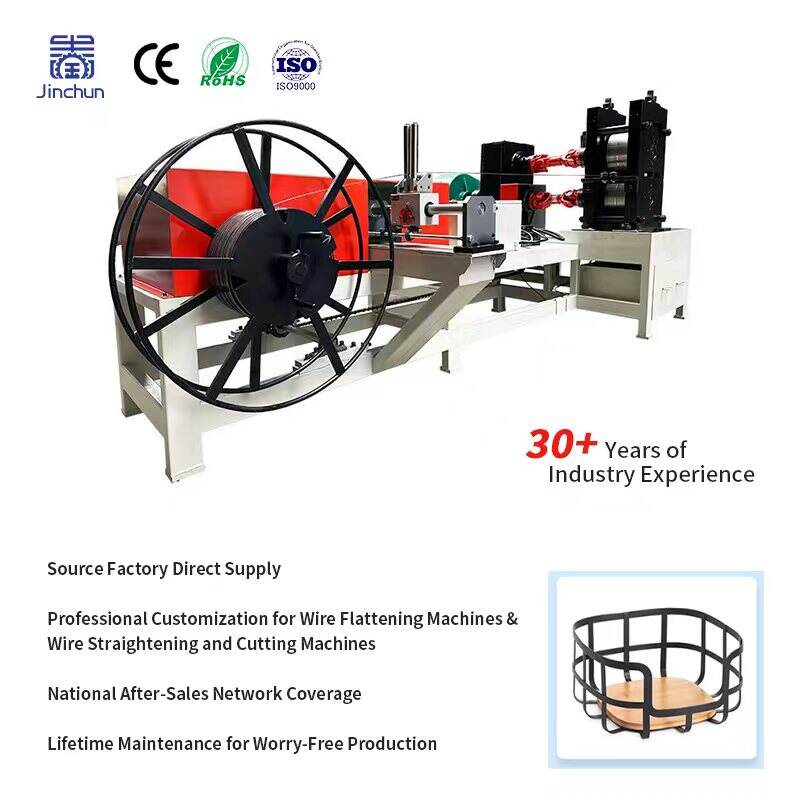
A wire flattening machine represents a sophisticated industrial equipment designed to transform round wire into flat ribbons with precise dimensional control and superior surface quality. This specialized machinery operates through controlled pressure application using precision rollers that gradually compress wire materials while maintaining structural integrity and desired mechanical properties. The wire flattening machine serves multiple industries including electronics manufacturing, jewelry production, automotive components, and telecommunications infrastructure development. Modern wire flattening machines incorporate advanced servo motor systems that provide exceptional speed control and positioning accuracy throughout the flattening process. The technological foundation of these machines relies on hardened steel rollers engineered to withstand continuous high-pressure operations while delivering consistent results across extended production cycles. Temperature monitoring systems ensure optimal processing conditions by preventing overheating that could compromise material properties or dimensional accuracy. Digital control interfaces allow operators to establish precise parameters for different wire materials, diameters, and desired flattening ratios. The wire flattening machine typically features adjustable roller gaps that accommodate various wire sizes from fine gauge conductors to heavy-duty structural applications. Material feeding mechanisms ensure smooth wire advancement through the flattening zone while tension control systems prevent stretching or breaking during processing. Quality assurance components include laser measurement systems that continuously monitor output dimensions and automatically adjust processing parameters to maintain specifications. Safety features encompass emergency stop mechanisms, protective guards, and interlock systems that protect operators while ensuring compliance with industrial safety standards. The versatility of modern wire flattening machines extends to processing various materials including copper, aluminum, steel, brass, and specialized alloys used in demanding applications. Advanced models incorporate computer numerical control systems that store processing recipes for different materials and enable rapid changeover between production runs.

New Products

The wire flattening machine delivers significant operational advantages that directly impact manufacturing efficiency and product quality across diverse industrial applications. Enhanced surface contact area represents the primary benefit, as flattened wire provides substantially greater contact surface compared to round conductors, resulting in improved electrical conductivity and reduced resistance in electronic applications. This increased surface area translates to better heat dissipation characteristics, making flattened wire ideal for high-current applications where thermal management is critical. Space optimization constitutes another crucial advantage, as flattened wire occupies considerably less space than equivalent round wire when wound into coils or packed into confined spaces. This space efficiency proves invaluable in compact electronic devices, automotive wiring harnesses, and aerospace applications where weight and volume constraints demand maximum utilization of available space. Manufacturing cost reduction emerges through improved material utilization rates and enhanced processing efficiency. The wire flattening machine enables manufacturers to achieve desired electrical or mechanical properties using less material compared to traditional round wire solutions. Processing speed advantages become apparent through reduced production times and streamlined manufacturing workflows. Modern wire flattening machines operate at high speeds while maintaining precise dimensional control, enabling manufacturers to meet demanding production schedules without compromising quality standards. Quality consistency represents a significant operational benefit, as automated control systems eliminate human error variables and ensure uniform output characteristics across entire production runs. This reliability reduces waste, minimizes rework requirements, and enhances customer satisfaction through consistent product performance. Flexibility advantages allow manufacturers to process multiple wire types and dimensions using a single machine platform, reducing capital equipment requirements and floor space needs. The ability to quickly adjust processing parameters enables rapid response to changing customer requirements or new product development initiatives. Energy efficiency benefits result from optimized processing methods that reduce power consumption compared to alternative wire forming techniques. Modern wire flattening machines incorporate energy-saving features that lower operational costs while supporting sustainability initiatives. Maintenance advantages include simplified service procedures and extended component life through robust construction and precision engineering. Predictive maintenance capabilities enable proactive service scheduling that minimizes unplanned downtime and maintains optimal production availability.

Latest News

Maintenance Tips to Extend Your Bending Machines' Lifespan

20

Nov

Maintenance Tips to Extend Your Bending Machines' Lifespan

Manufacturing operations depend heavily on reliable equipment performance, and bending machines represent a significant investment that requires proper care to maximize return. These precision instruments form the backbone of countless production lin...
View More
2D Bending Machines: Perfect for Pet Cages and Kitchen Organizers

15

Dec

2D Bending Machines: Perfect for Pet Cages and Kitchen Organizers

In the world of metal fabrication, efficiency and versatility are key. For manufacturers producing everyday items like pet cages and kitchen organizers, achieving consistent quality, complex designs, and cost-effectiveness is paramount. This is where...
View More
A Complete Guide to Mesh Welding Machines from Grills to Shelves

07

Jan

A Complete Guide to Mesh Welding Machines from Grills to Shelves

This guide explores the full spectrum of mesh production, highlighting the critical role of CNC automation and the specialized equipment used to create everything from fine wire grills to heavy-duty warehouse shelving. 1. The Technology Behind Modern...
View More
How a 3D Bending Machine Can Revolutionize Your Metal Fabrication Process

05

Feb

How a 3D Bending Machine Can Revolutionize Your Metal Fabrication Process

In the competitive landscape of metal fabrication, precision and speed are the dual pillars of success. Traditional manual bending methods often struggle with complex spatial geometries and consistency. Enter the 3D Wire Bending Machine (Rotary Head ...
View More

Get a Free Quote

Our representative will contact you soon.
Email
Name
Company Name
Phone / WhatsApp
Required Product
Message
0/1000

wire flattening machine

Advanced Precision Control Technology

Advanced Precision Control Technology

The wire flattening machine incorporates state-of-the-art precision control technology that revolutionizes wire processing capabilities through intelligent automation and real-time monitoring systems. This sophisticated control architecture utilizes high-resolution servo motors coupled with advanced feedback systems that continuously monitor roller position, pressure distribution, and wire advancement speed throughout the entire flattening process. The precision control technology enables operators to achieve dimensional tolerances as tight as ±0.001 inches, ensuring consistent product quality that meets the most demanding application requirements. Digital control interfaces provide intuitive operation through touchscreen displays that present real-time processing data, trend analysis, and diagnostic information in user-friendly formats. The control system stores comprehensive processing recipes for different wire materials, diameters, and flattening ratios, enabling rapid changeover between production runs without manual setup procedures. Advanced algorithms automatically compensate for material variations, environmental conditions, and tool wear to maintain optimal processing parameters throughout extended production cycles. The precision control technology integrates seamlessly with existing manufacturing execution systems, providing complete traceability and data logging capabilities that support quality management initiatives and regulatory compliance requirements. Predictive maintenance features analyze machine performance data to identify potential issues before they impact production, enabling proactive service scheduling that maximizes equipment availability. The control system incorporates multiple safety interlocks and monitoring functions that protect both operators and equipment while ensuring consistent product quality. Remote monitoring capabilities allow technical support teams to provide assistance and troubleshooting support without requiring on-site visits, reducing downtime and maintenance costs. The precision control technology adapts automatically to changing processing conditions, maintaining optimal performance across varying material properties and environmental factors. This intelligent automation reduces operator skill requirements while improving overall process reliability and product consistency.
Versatile Multi-Material Processing Capability

Versatile Multi-Material Processing Capability

The wire flattening machine demonstrates exceptional versatility through its ability to process a comprehensive range of materials including ferrous and non-ferrous metals, specialty alloys, and composite conductors used in demanding industrial applications. This multi-material processing capability stems from advanced roller design and adjustable processing parameters that accommodate different material properties, hardness levels, and processing requirements without requiring extensive machine modifications or specialized tooling. The machine processes copper wire for electrical applications, aluminum conductors for power transmission, steel wire for structural components, brass materials for decorative applications, and specialized alloys used in aerospace and medical device manufacturing. Material-specific processing profiles optimize flattening parameters for each material type, ensuring optimal mechanical properties and surface finish characteristics throughout the transformation process. The versatile design accommodates wire diameters ranging from fine gauge conductors as small as 0.010 inches to heavy-duty applications requiring processing of wires up to several inches in diameter. Advanced material handling systems ensure smooth feeding and collection of processed wire regardless of material stiffness, weight, or surface characteristics. Temperature control features maintain optimal processing conditions for temperature-sensitive materials while preventing work hardening or other detrimental effects that could compromise final product performance. The multi-material capability extends to processing wire with various surface treatments including coated conductors, plated materials, and specialty finishes used in corrosive environments or high-temperature applications. Automatic parameter adjustment features recognize different material types and adjust processing conditions accordingly, reducing setup time and eliminating operator error. The machine handles both single-strand and multi-strand configurations, enabling processing of complex conductor designs used in advanced electrical systems. Quality monitoring systems verify dimensional accuracy and surface quality across all material types, ensuring consistent results regardless of processing requirements. The versatile processing capability enables manufacturers to consolidate multiple forming operations using a single machine platform, reducing capital equipment costs and simplifying production workflows while maintaining exceptional product quality across diverse material applications.

Enhanced Production Efficiency and Throughput

Enhanced Production Efficiency and Throughput

The wire flattening machine delivers superior production efficiency through optimized processing speeds, automated material handling, and intelligent workflow management that maximizes throughput while maintaining exceptional quality standards throughout continuous operation cycles. High-speed processing capabilities enable the machine to flatten wire at rates exceeding 1000 feet per minute for standard applications, with advanced models achieving even higher speeds for specialized high-volume production requirements. The enhanced efficiency stems from precision-engineered components that minimize friction, reduce power consumption, and eliminate processing bottlenecks that typically limit production capacity in conventional wire forming equipment. Automated material feeding systems ensure continuous operation by managing wire supply, tension control, and precise advancement through the flattening zone without operator intervention. Advanced takeup mechanisms collect processed wire in organized configurations that facilitate downstream processing or packaging operations while preventing tangling or damage during handling. The production efficiency enhancement includes rapid changeover capabilities that minimize downtime between different product runs through automated parameter adjustment and tool positioning systems. Quick-change tooling designs enable operators to modify processing configurations in minutes rather than hours, supporting flexible manufacturing strategies that respond rapidly to changing customer requirements. Integrated quality monitoring systems perform continuous dimensional verification and surface inspection, automatically rejecting non-conforming products while maintaining production flow without manual intervention. The enhanced throughput capability results from optimized process parameters that maximize material removal rates while preserving desired mechanical properties and surface characteristics. Energy-efficient operation reduces processing costs through optimized power consumption and waste heat recovery systems that support sustainable manufacturing practices. Predictive maintenance scheduling ensures maximum equipment availability through proactive component replacement and calibration procedures that prevent unplanned downtime. The production efficiency improvements typically result in throughput increases of 40-60% compared to conventional wire forming methods while simultaneously improving product quality consistency and reducing manufacturing costs. Advanced scheduling algorithms optimize production sequences to minimize changeover requirements and maximize machine utilization across multiple product types and customer orders, further enhancing overall manufacturing efficiency and profitability.

Get a Free Quote

Our representative will contact you soon.
Email
Name
Company Name
Phone / WhatsApp
Required Product
Message
0/1000

Get a Free Quote

Our representative will contact you soon.
Email
Name
Company Name
Phone / WhatsApp
Required Product
Message
0/1000