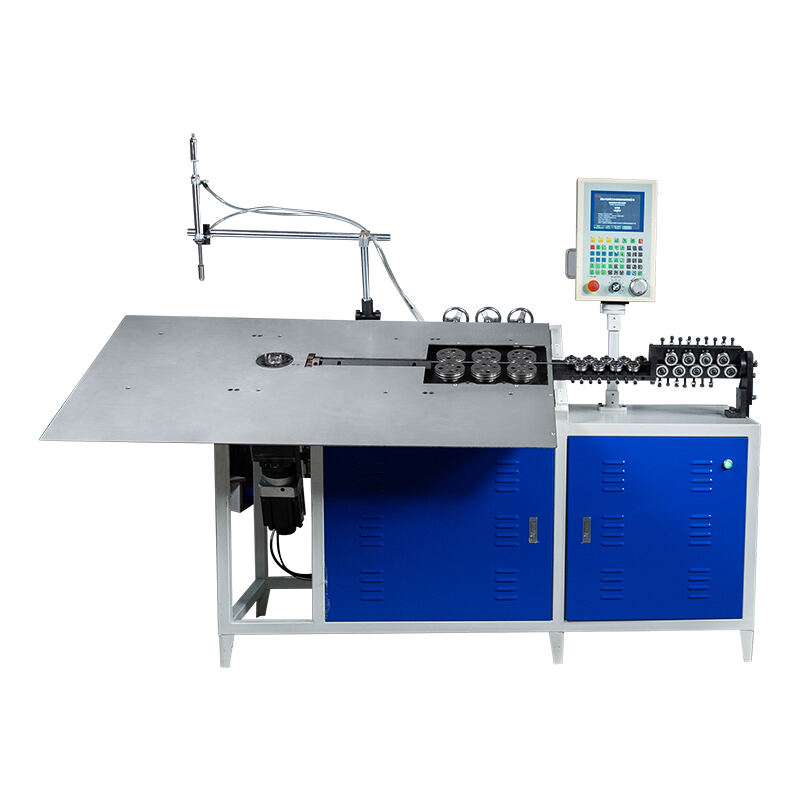
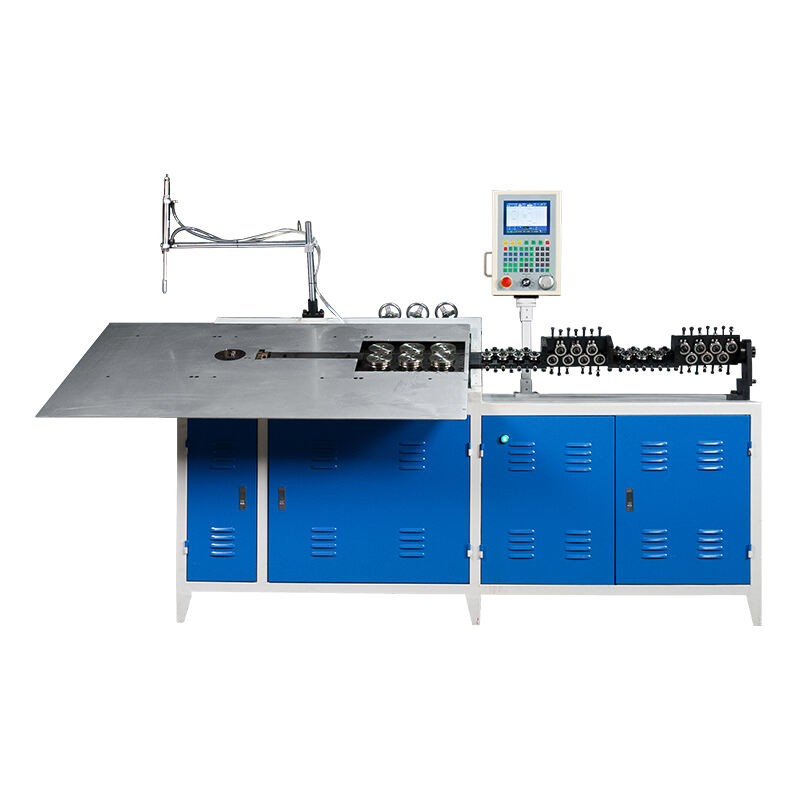
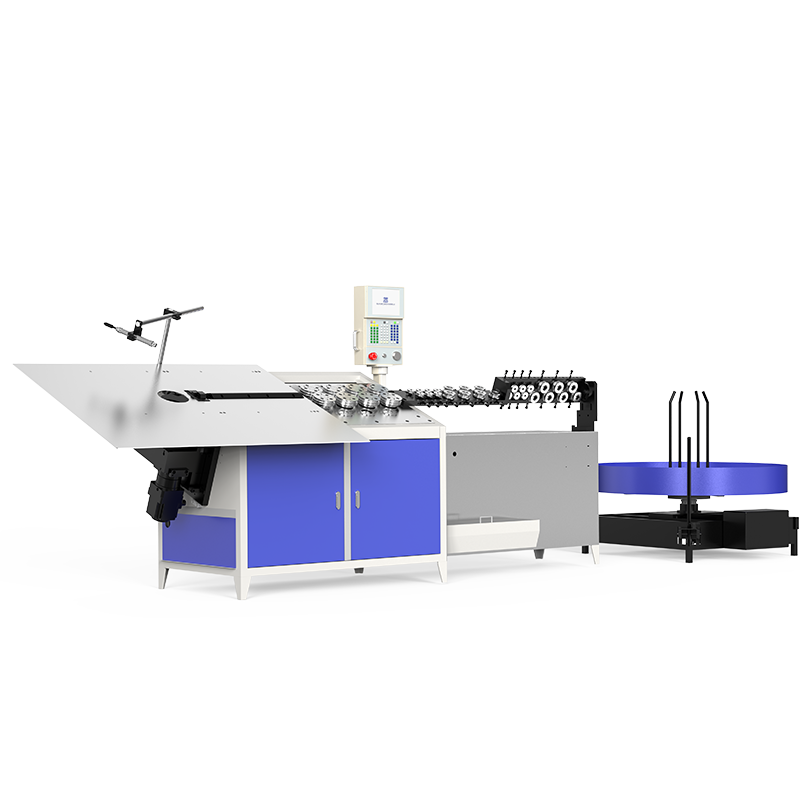
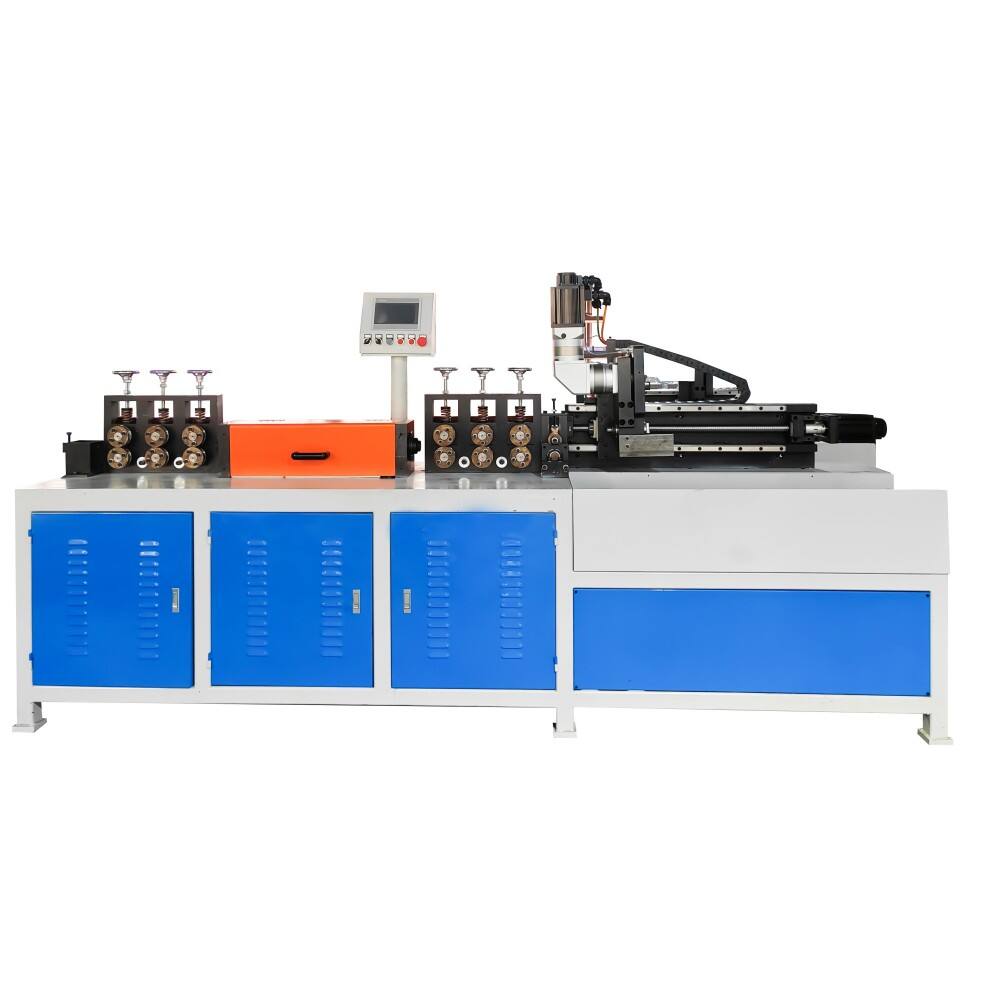
high speed straightening and cutting machine
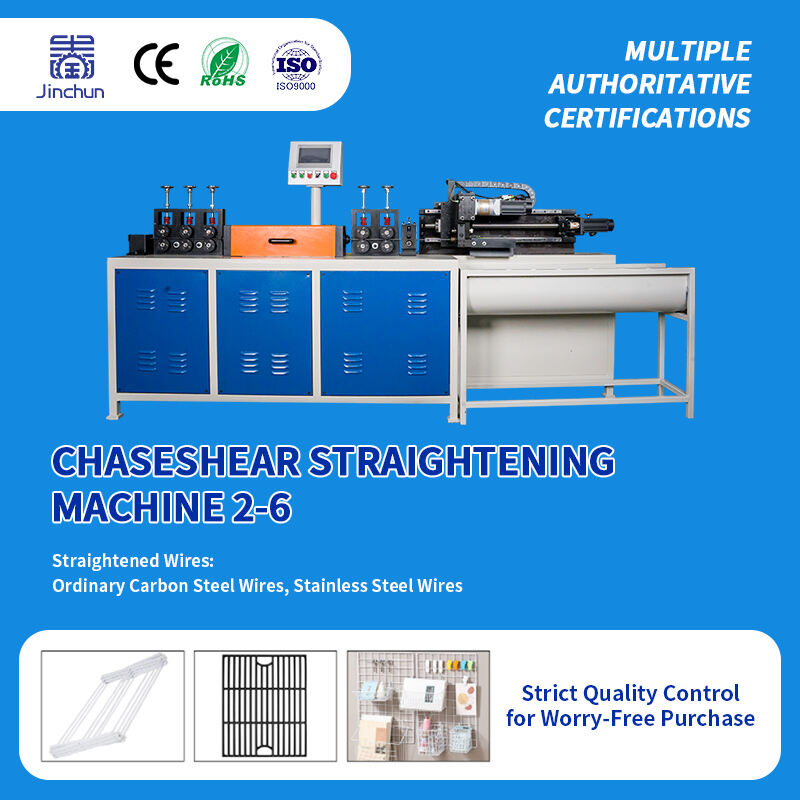
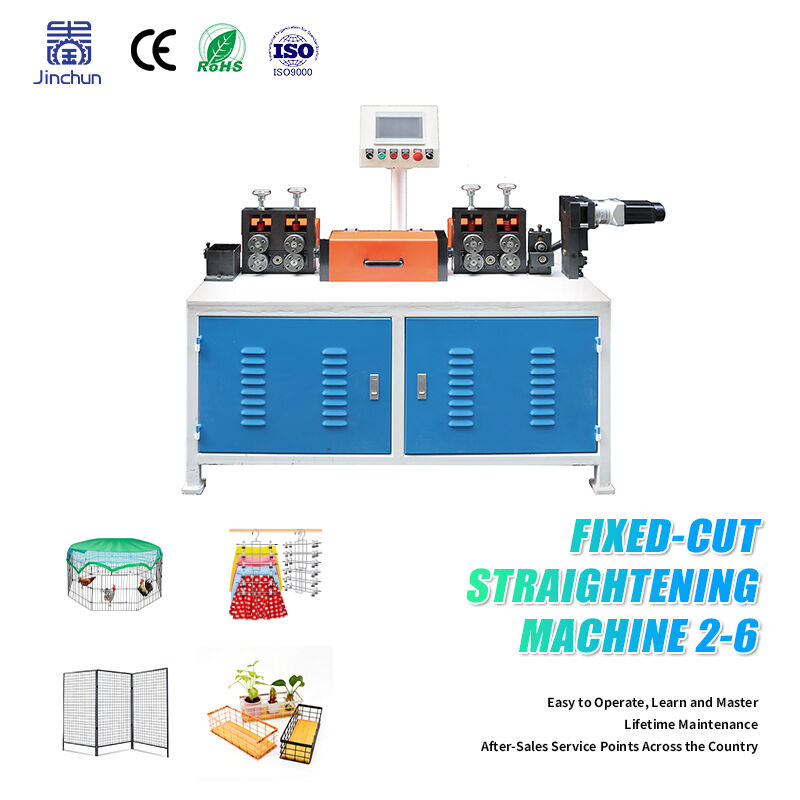
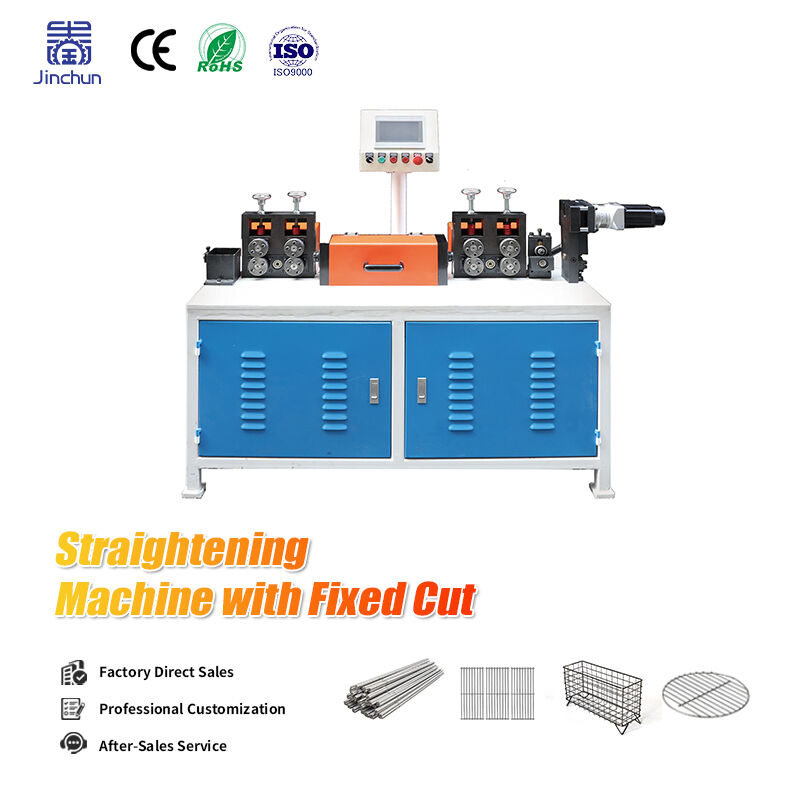
The high speed straightening and cutting machine represents a revolutionary advancement in metal processing technology, designed to transform coiled wire, rod, and bar materials into precisely straightened and accurately cut lengths with exceptional efficiency. This sophisticated equipment combines two critical manufacturing processes into a single automated system, eliminating the need for separate straightening and cutting operations. The machine operates by feeding coiled material through a series of precisely aligned straightening rollers that remove inherent curves, bends, and deformations while maintaining the material's structural integrity. Following the straightening process, an integrated cutting mechanism delivers clean, precise cuts at predetermined lengths, ensuring consistent output quality. The high speed straightening and cutting machine incorporates advanced servo motor technology, programmable logic controllers, and precision measuring systems to achieve remarkable accuracy and repeatability. These machines typically process various materials including steel wire, aluminum rod, copper bar, stainless steel wire, and other metal alloys with diameters ranging from 3mm to 50mm, depending on the specific model configuration. The technological features include variable speed control, automatic length measurement, digital display interfaces, and safety protection systems. Modern variants incorporate touch-screen controls, remote monitoring capabilities, and data logging functions for quality control purposes. The straightening mechanism utilizes multiple roller sets positioned at calculated angles to progressively eliminate material deformation, while the cutting system employs hydraulic or pneumatic actuators to ensure clean, burr-free cuts. Applications span across construction, automotive, aerospace, electrical, and manufacturing industries where precision-cut straight materials are essential. The machine's versatility allows processing of both ferrous and non-ferrous materials, making it invaluable for wire mesh production, rebar processing, electrode manufacturing, and component preparation. Integration capabilities enable seamless incorporation into existing production lines, while compact designs accommodate various facility layouts and space constraints.
 EN
EN