Advanced CNC Programming and Precision Control
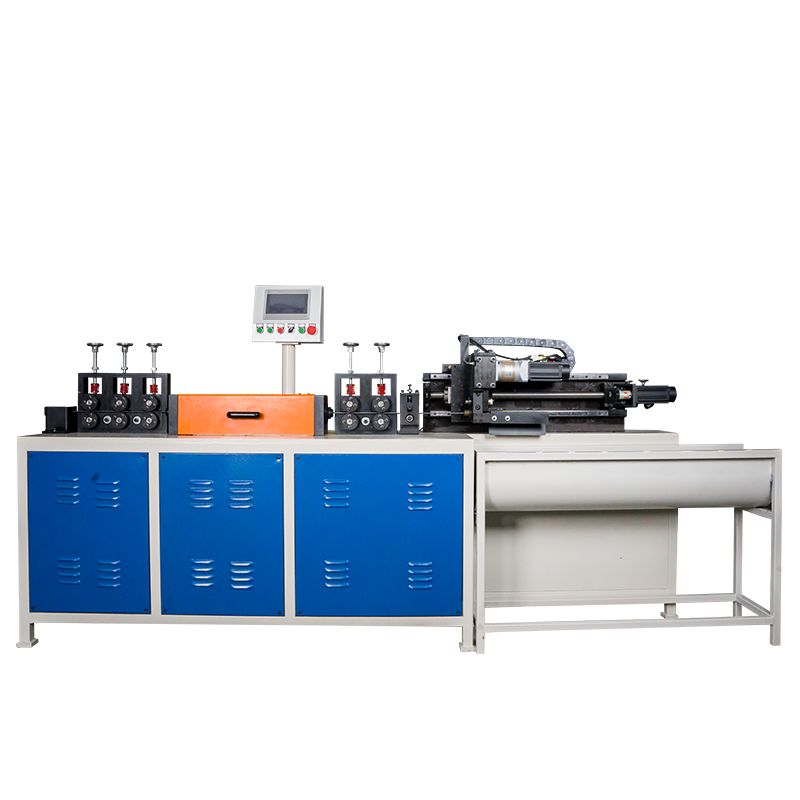
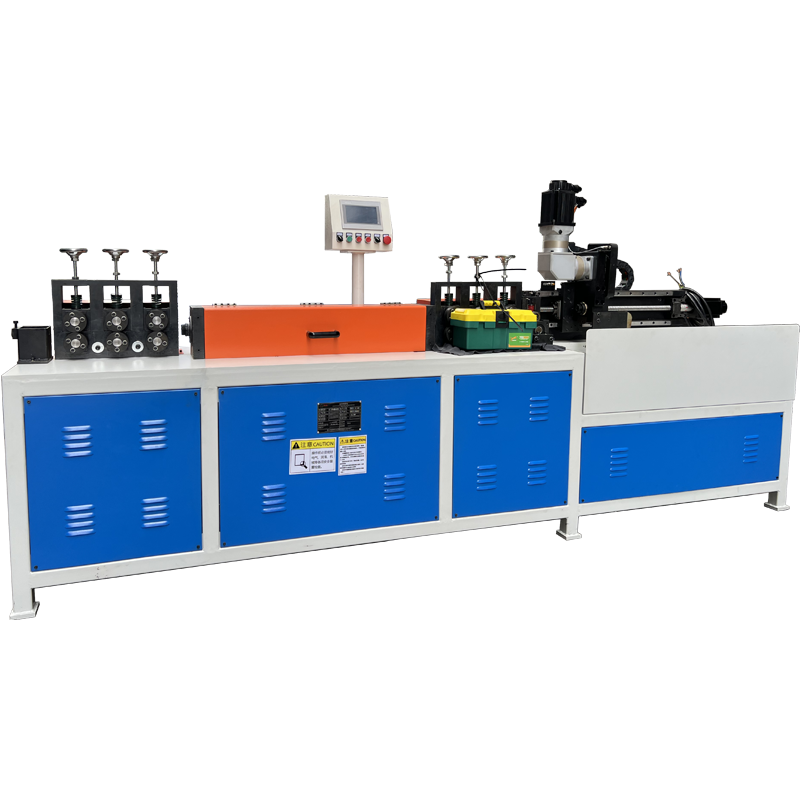
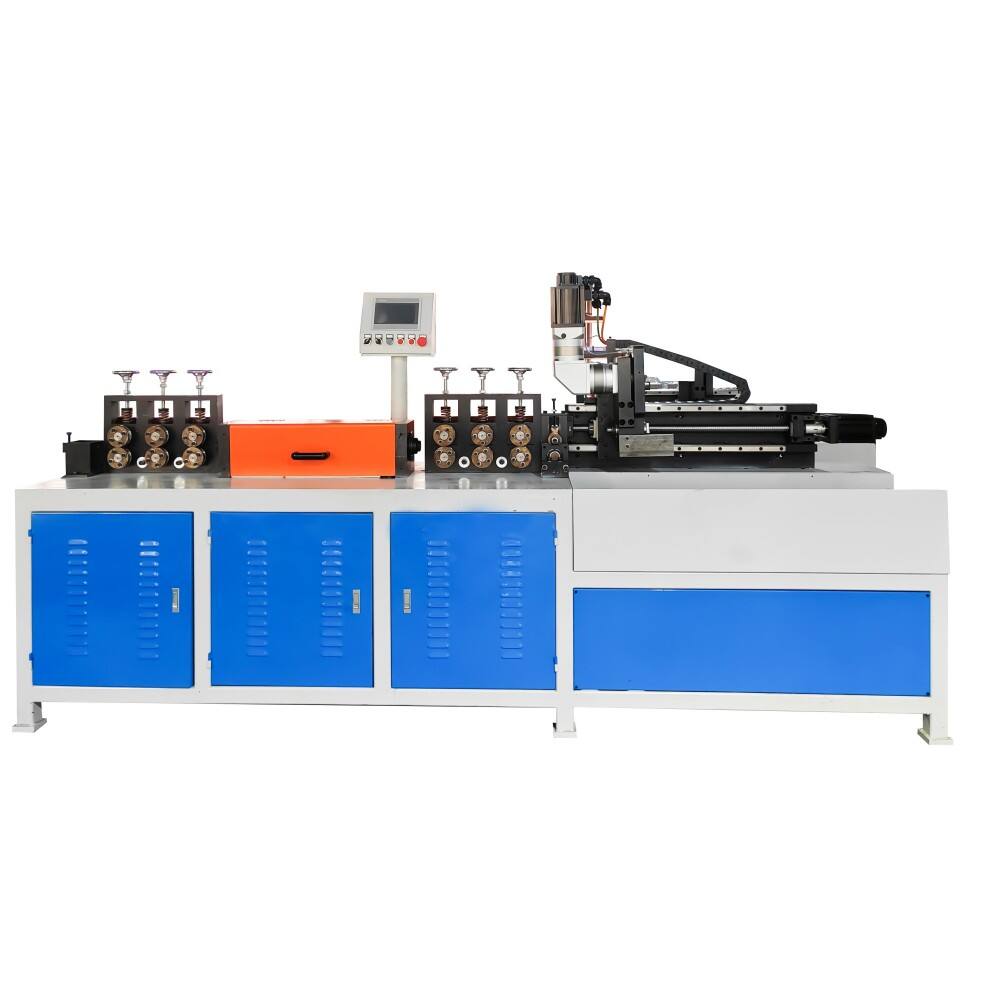
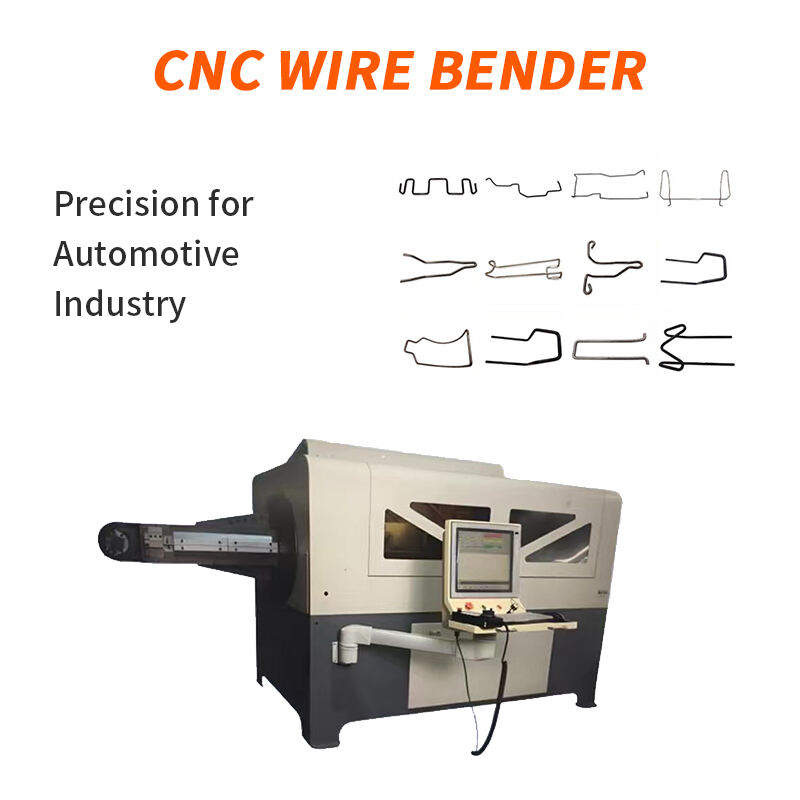
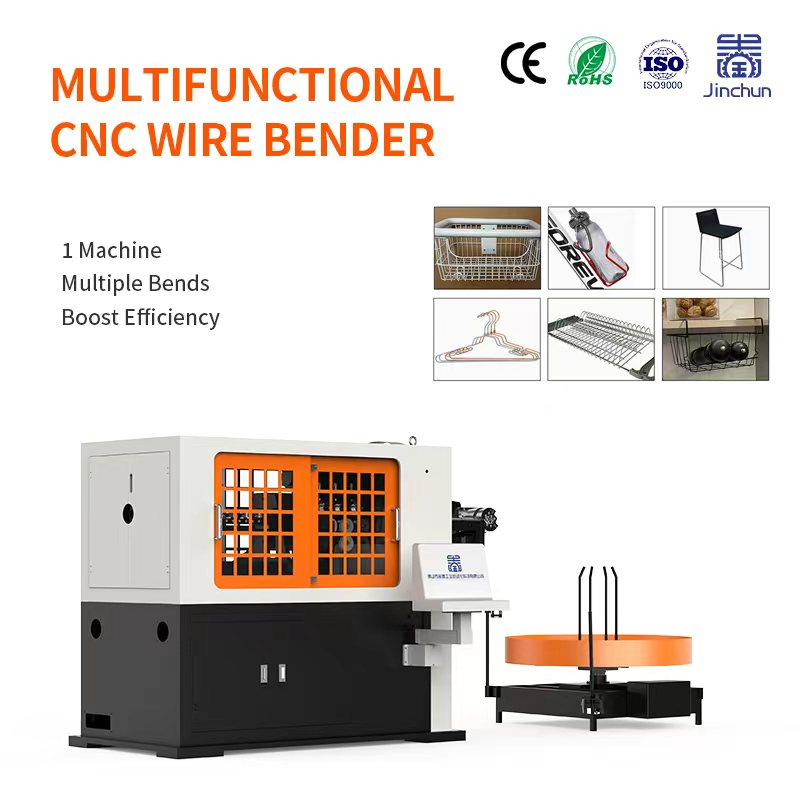
The sophisticated computer numerical control programming capabilities of modern wire bending machines represent a revolutionary advancement in manufacturing precision and operational efficiency. These systems utilize state-of-the-art software platforms that enable operators to create intricate bending patterns through intuitive graphical interfaces, eliminating the guesswork traditionally associated with manual wire forming processes. The CNC programming functionality allows for the storage of unlimited bending programs, each containing detailed specifications for wire feed rates, bending angles, positioning coordinates, and timing sequences that ensure reproducible results across thousands of production cycles. Advanced servo motor technology integrated within these systems provides exceptional positioning accuracy, typically achieving tolerances within plus or minus 0.1 degrees for angular measurements and plus or minus 0.1 millimeters for linear positioning. This level of precision proves essential for manufacturers producing components that must interface perfectly with other parts in complex assemblies, such as automotive suspension components, electronic device frames, or medical instrument guides. The programming interface typically features CAD file import capabilities, allowing engineers to transfer designs directly from computer-aided design software into the wire bending machine control system without manual data entry that could introduce errors. Real-time monitoring systems continuously track machine performance, automatically adjusting parameters to compensate for material variations, tool wear, or environmental factors that might affect bending accuracy. These intelligent control systems can detect deviations from programmed specifications and either make automatic corrections or alert operators to potential issues before defective parts are produced. The multi-axis coordination capabilities enable simultaneous control of multiple bending stations, wire feeding mechanisms, and cutting tools, orchestrating complex sequences that would be impossible to achieve through manual coordination. Advanced wire bending machines often incorporate adaptive learning algorithms that optimize bending sequences based on material properties and historical performance data, continuously improving efficiency and quality over time. The precision control extends to material handling aspects, with systems capable of managing different wire types, diameters, and material properties within the same production run, automatically adjusting parameters based on pre-programmed material specifications.
 EN
EN