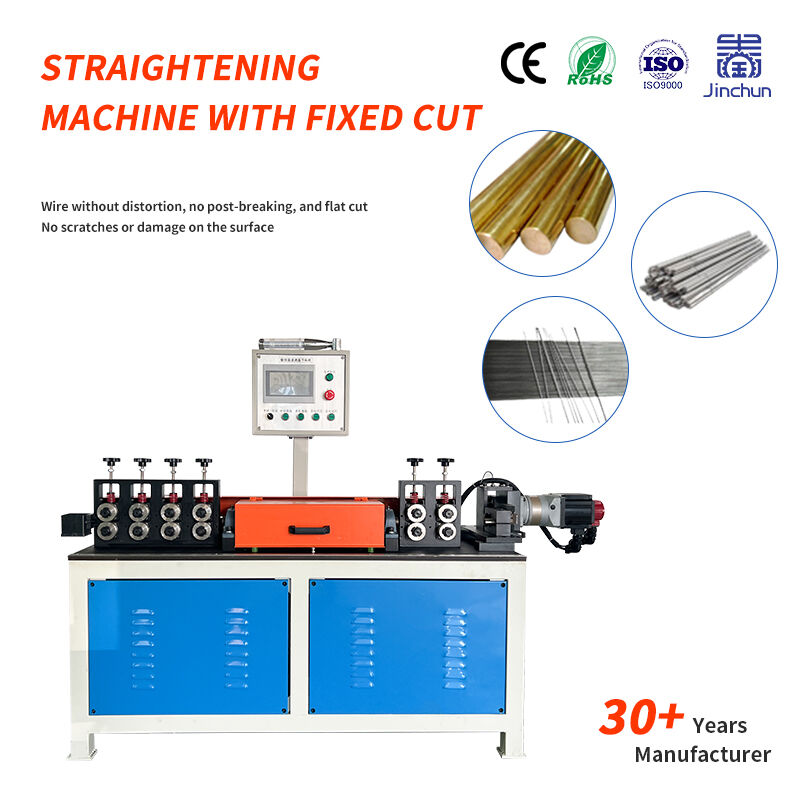
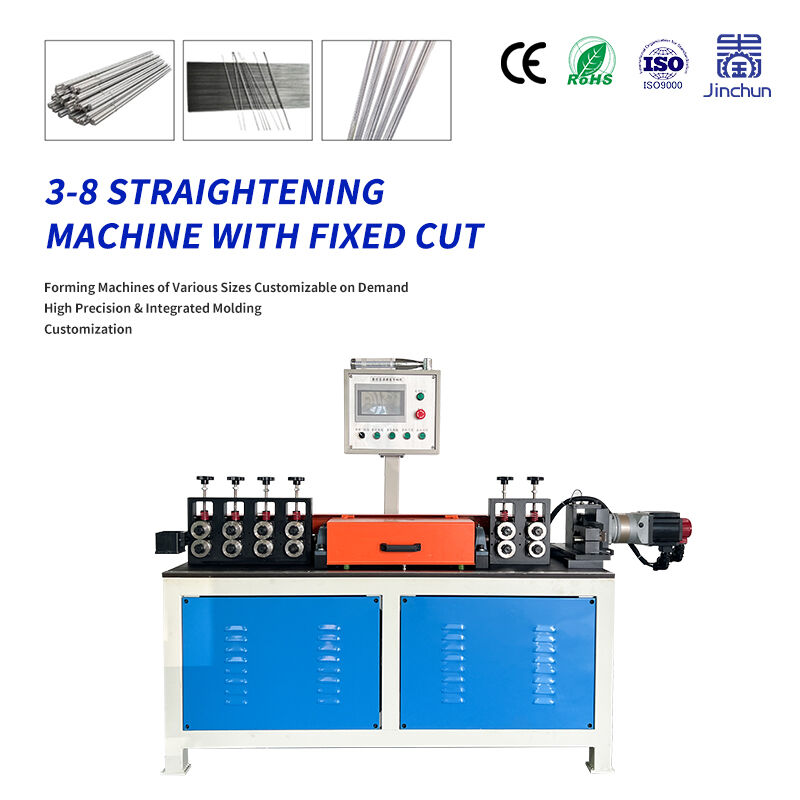
straightening and cutting machine types
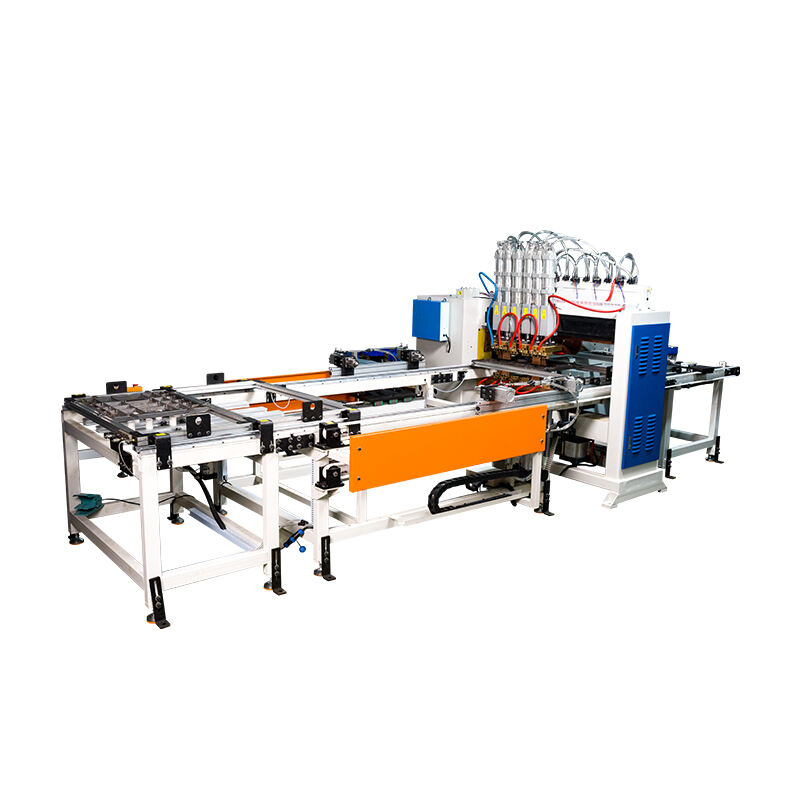
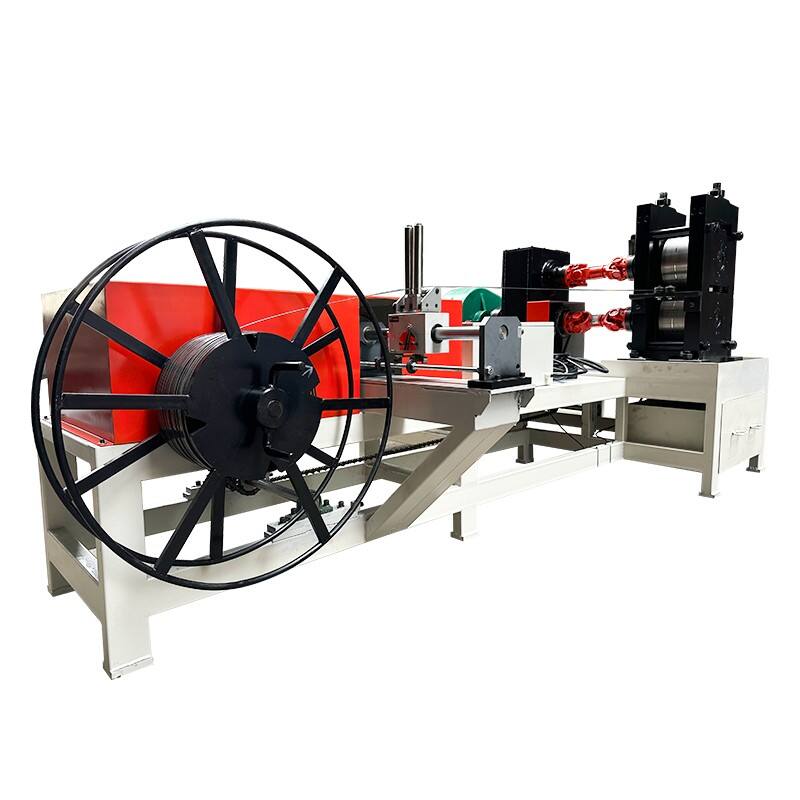
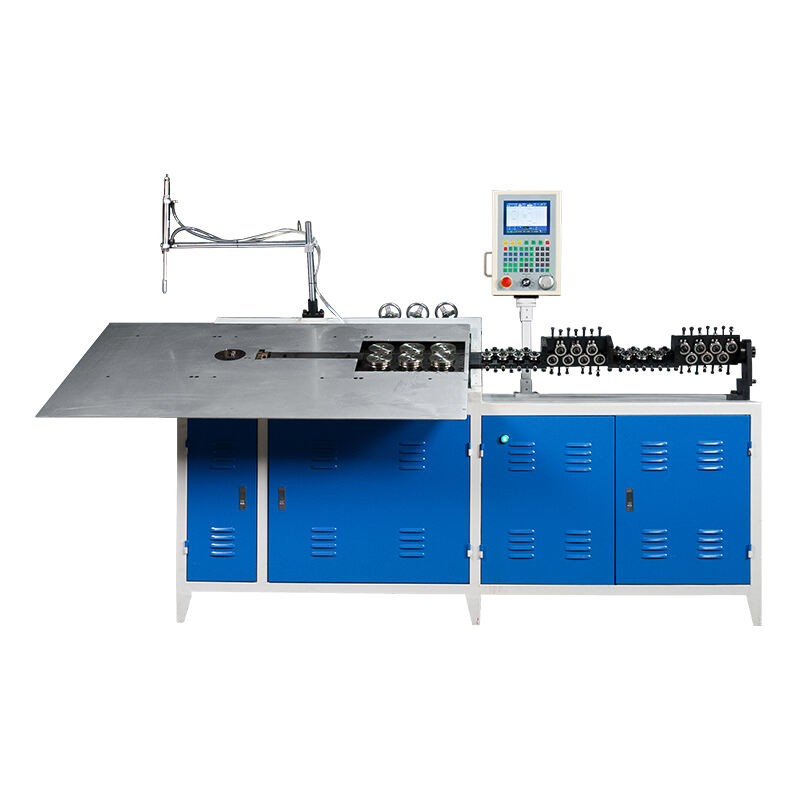
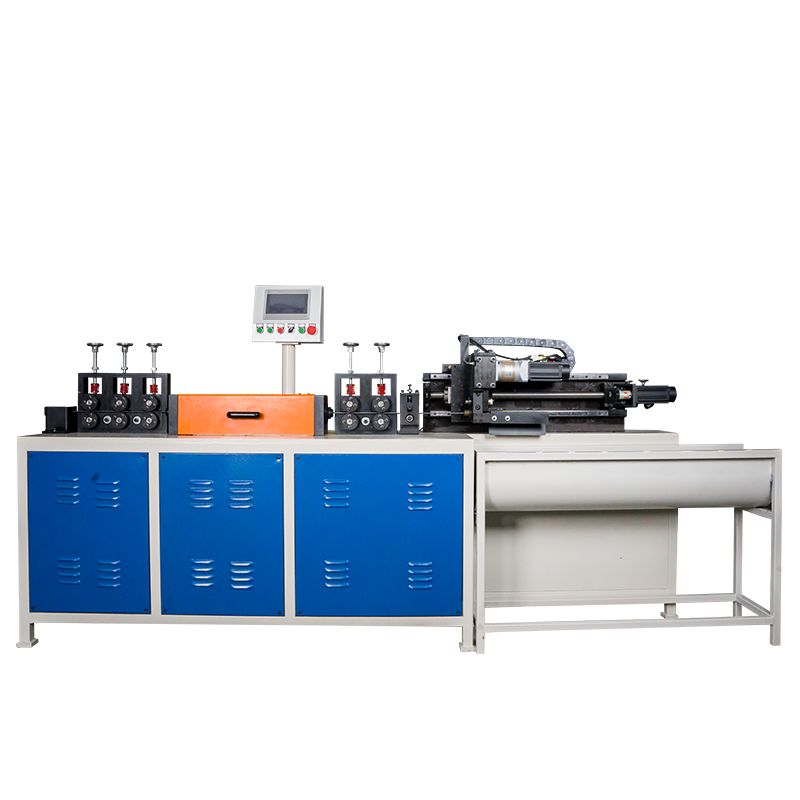
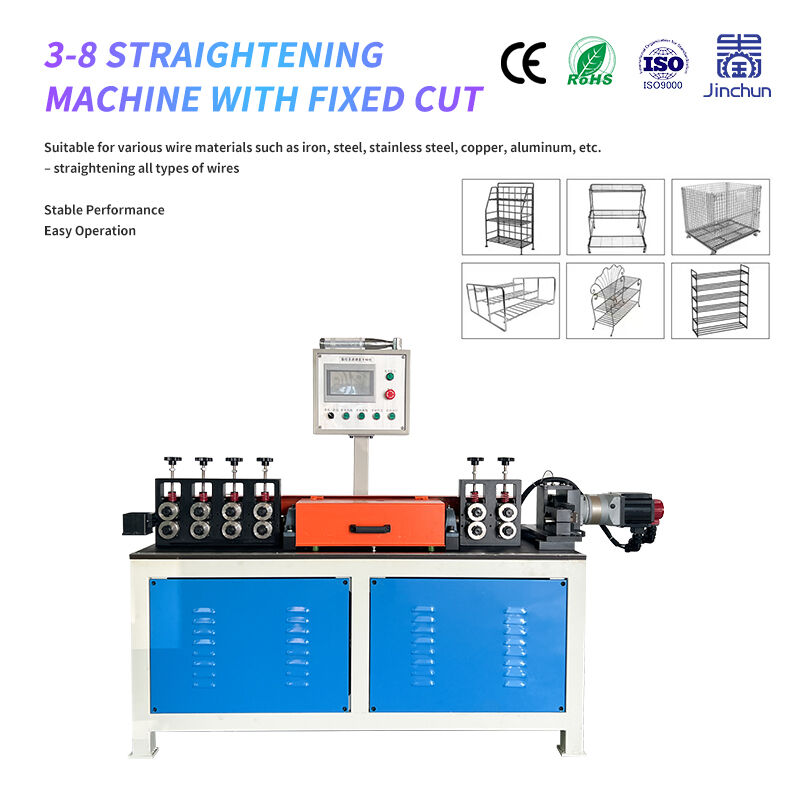
Straightening and cutting machine types represent essential industrial equipment designed to process metal rods, bars, and wires with precision and efficiency. These sophisticated machines combine two critical functions: straightening bent or coiled materials and cutting them to exact specifications. The primary function of straightening and cutting machine types involves feeding raw materials through a series of roller mechanisms that eliminate deformations, followed by high-speed cutting systems that deliver accurate length measurements. Modern straightening and cutting machine types incorporate advanced technological features including servo-driven feeding systems, programmable logic controllers, and touch-screen interfaces for enhanced operational control. The straightening mechanism typically employs multiple roller sets positioned at strategic angles to gradually remove bends and achieve optimal straightness tolerances. Cutting systems within these straightening and cutting machine types utilize hydraulic or pneumatic cylinders paired with hardened steel blades capable of processing various material grades. Applications for straightening and cutting machine types span numerous industries including construction, automotive manufacturing, furniture production, and electrical component assembly. In construction applications, these machines process reinforcement bars for concrete structures, while automotive manufacturers rely on straightening and cutting machine types for producing suspension components and chassis parts. The versatility of straightening and cutting machine types extends to processing different material types including carbon steel, stainless steel, aluminum, and specialty alloys. Feed rates and cutting speeds can be adjusted to accommodate material hardness and dimensional requirements. Quality control features integrated into modern straightening and cutting machine types include length measurement systems, automatic counting mechanisms, and material handling conveyors. These machines significantly reduce manual labor requirements while improving production consistency and material waste reduction. Advanced straightening and cutting machine types offer programmable memory functions allowing operators to store multiple job parameters for rapid setup changes between different production runs.
 EN
EN