Advanced Spring Making Machine Solutions - High-Speed Precision Manufacturing Equipment

Get a Free Quote

Our representative will contact you soon.
Email
Name
Company Name
Phone / WhatsApp
Required Product
Message
0/1000

spring making machine

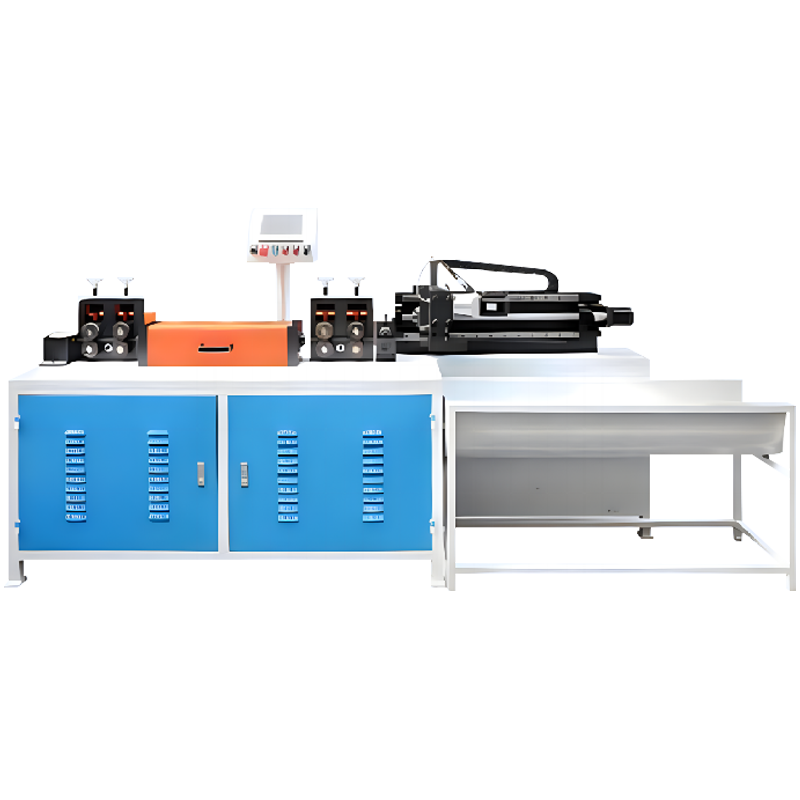
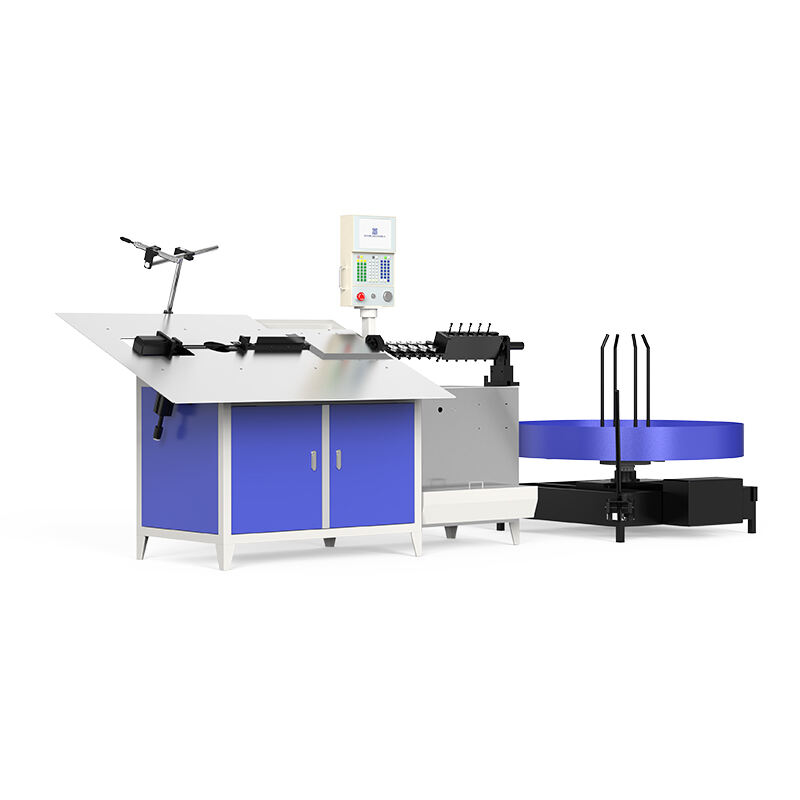
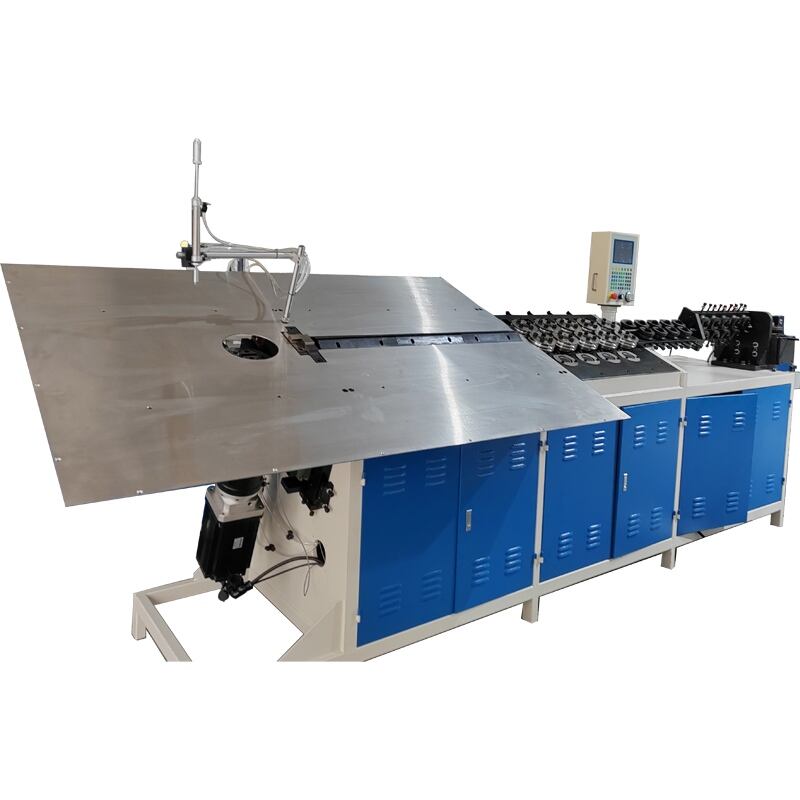
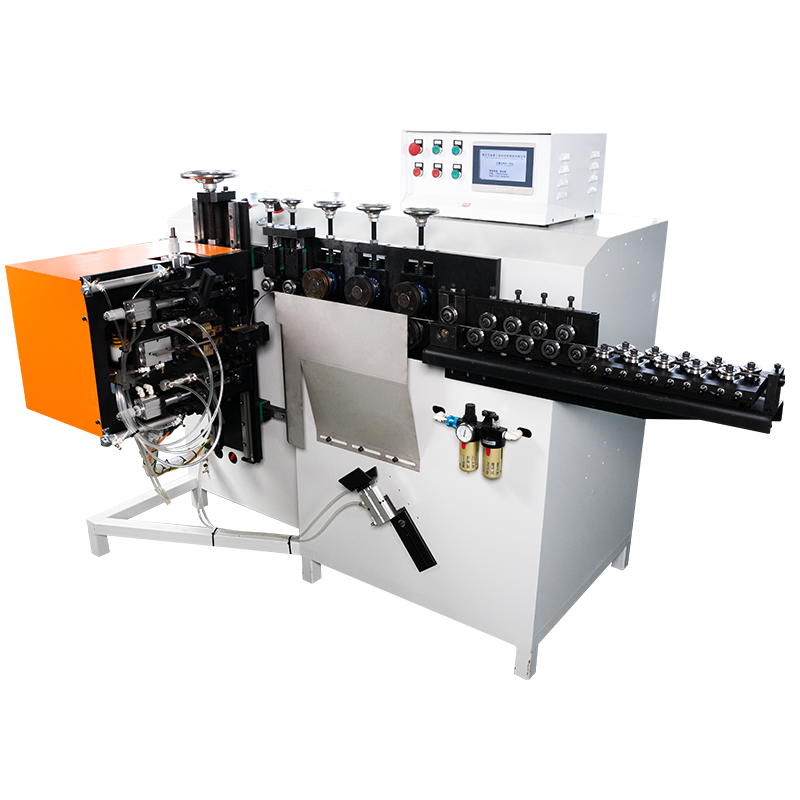
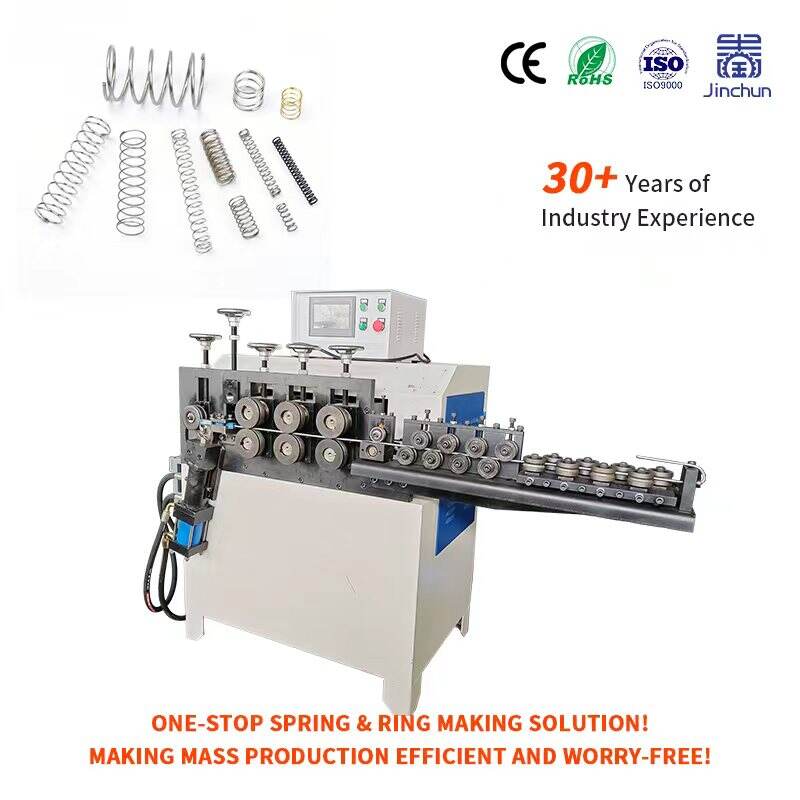
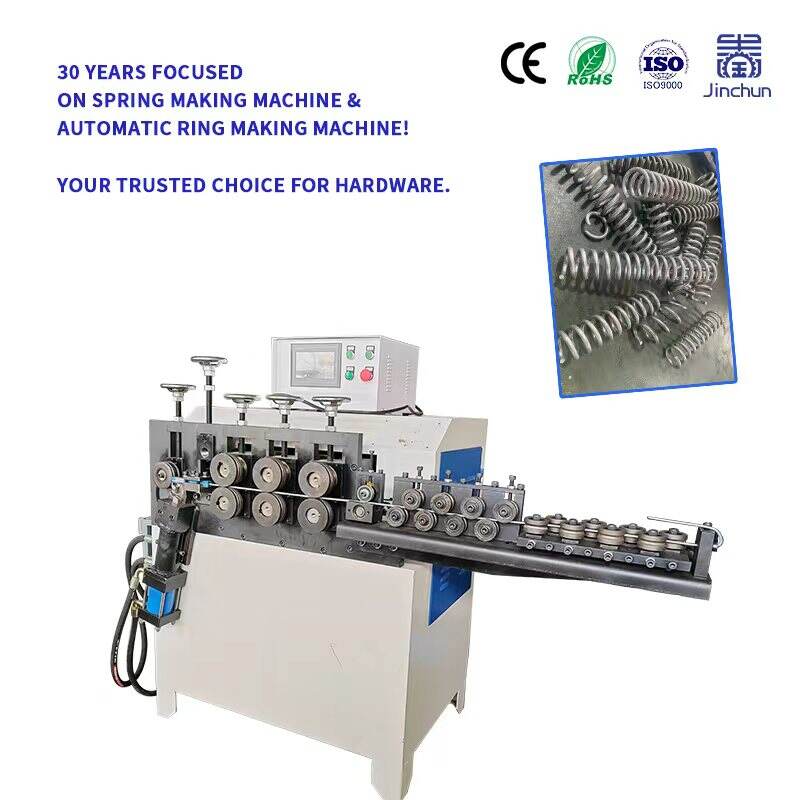
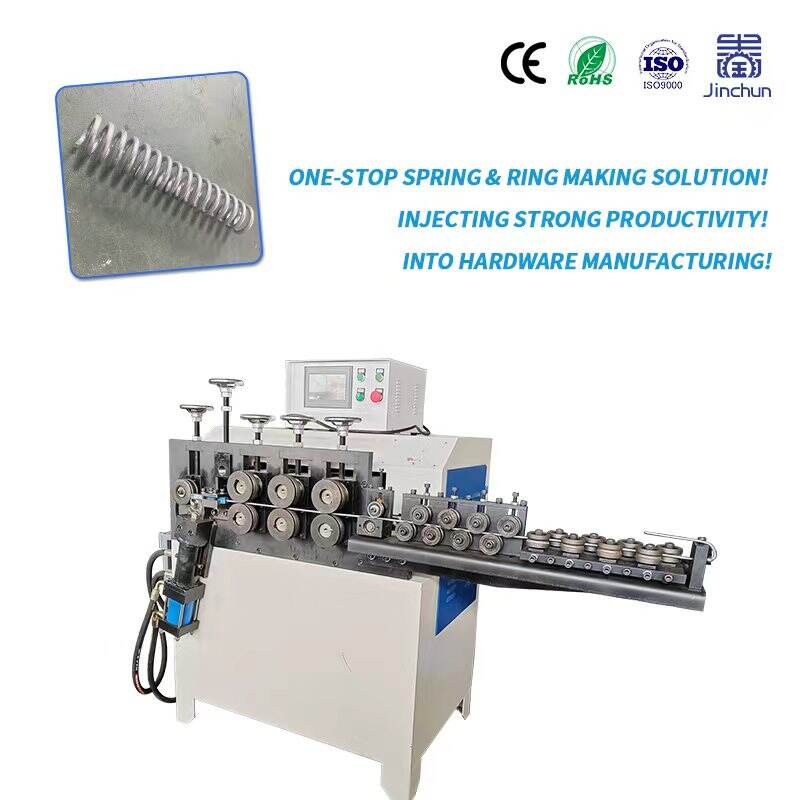
A spring making machine represents a sophisticated piece of manufacturing equipment designed to produce various types of springs with precision and efficiency. These automated systems transform raw wire materials into finished spring products through a series of controlled mechanical processes. The primary function of a spring making machine involves feeding wire material through specialized forming tools that bend, coil, and shape the metal into predetermined spring configurations. Modern spring making machines incorporate advanced computer numerical control systems that ensure consistent production quality while maintaining high-speed operation. The technological features of these machines include programmable control panels that allow operators to input specific spring dimensions, wire gauges, and coiling parameters. Servo-driven motors provide precise positioning and movement control throughout the forming process, ensuring each spring meets exact specifications. Wire feeding mechanisms automatically supply material at controlled rates, while cutting systems trim springs to required lengths. Advanced spring making machine models feature multi-axis capabilities, enabling the production of complex spring geometries including compression springs, extension springs, torsion springs, and custom-shaped components. Temperature control systems maintain optimal wire processing conditions, while quality monitoring sensors detect variations in spring dimensions during production. The applications for spring making machine technology span numerous industries including automotive manufacturing, electronics production, furniture assembly, and mechanical engineering. Automotive manufacturers rely on these machines to produce suspension springs, valve springs, and clutch components. Electronics companies use spring making machines to create contact springs, battery springs, and connector components. The versatility of modern spring making machine systems allows manufacturers to switch between different spring types quickly, supporting both high-volume production runs and custom manufacturing requirements. Safety features integrated into spring making machine designs include protective enclosures, emergency stop systems, and automated material handling to minimize operator exposure to moving components.

New Product Recommendations

The spring making machine delivers numerous practical benefits that directly impact manufacturing efficiency and profitability for businesses across various industries. Production speed represents one of the most significant advantages, as these automated systems can manufacture hundreds of springs per minute compared to manual production methods that typically yield only dozens per hour. This dramatic increase in output capacity allows manufacturers to meet large order volumes while reducing per-unit production costs substantially. Consistency in product quality stands as another major benefit of spring making machine technology, eliminating the variations inherent in manual spring production. Each spring produced maintains identical dimensions, tension characteristics, and material properties, reducing rejection rates and ensuring customer satisfaction. The precision control systems integrated into modern spring making machines enable manufacturers to achieve tolerances measured in thousandths of inches, meeting the demanding requirements of aerospace, medical device, and precision instrument applications. Labor cost reduction emerges as a compelling financial advantage, as a single operator can oversee multiple spring making machine units simultaneously, dramatically improving productivity per worker. This efficiency gain becomes particularly valuable in regions where skilled labor costs continue rising. Material waste reduction represents another economic benefit, as computer-controlled feeding and cutting systems optimize wire usage, minimizing scrap material and reducing raw material expenses. The flexibility of programmable spring making machine systems allows manufacturers to switch between different spring specifications without extensive setup time or tooling changes. This adaptability proves invaluable for companies serving diverse markets or producing custom spring solutions. Quality control integration capabilities enable real-time monitoring of spring dimensions and properties, allowing immediate corrections before defective products accumulate. Energy efficiency features in modern spring making machine designs reduce operational costs while supporting environmental sustainability initiatives. The ability to operate continuously with minimal supervision maximizes production uptime, generating higher revenue potential. Maintenance requirements for well-designed spring making machine systems remain relatively low, with scheduled service intervals that minimize unexpected downtime. Training requirements for operators prove manageable, as intuitive control interfaces simplify machine operation without requiring extensive technical expertise. Return on investment calculations consistently demonstrate favorable payback periods for spring making machine purchases, particularly for manufacturers with steady spring demand.

Practical Tips

How Does a 3D Bending Machine Improve Precision in Metal Furniture Manufacturing?

27

Nov

How Does a 3D Bending Machine Improve Precision in Metal Furniture Manufacturing?

Metal furniture manufacturing has undergone a revolutionary transformation with the introduction of advanced automation technologies. Among the most significant innovations is the implementation of sophisticated bending equipment that delivers unprec...
View More
Core Processes & Equipment of a Modern Bird Cage Production Line

15

Jan

Core Processes & Equipment of a Modern Bird Cage Production Line

In the highly competitive global pet products market, efficient and precise automated production has become the core pillar of corporate success. Based on the "One-stop Solution" provided by Jinchun Industrial Automation, a modern bird cage productio...
View More
How a 3D Bending Machine Can Revolutionize Your Metal Fabrication Process

05

Feb

How a 3D Bending Machine Can Revolutionize Your Metal Fabrication Process

In the competitive landscape of metal fabrication, precision and speed are the dual pillars of success. Traditional manual bending methods often struggle with complex spatial geometries and consistency. Enter the 3D Wire Bending Machine (Rotary Head ...
View More
 Mesh Welding Machines for Efficient Poultry and Pet Cage Production

25

Feb

Mesh Welding Machines for Efficient Poultry and Pet Cage Production

In the competitive market of animal husbandry and pet supplies, the quality of wire housing can determine a brand's reputation. Whether you are manufacturing large-scale poultry layers or intricate pet crates, the demand for precision, strength, and ...
View More

Get a Free Quote

Our representative will contact you soon.
Email
Name
Company Name
Phone / WhatsApp
Required Product
Message
0/1000

spring making machine

Advanced Computer Control Technology

Advanced Computer Control Technology

The sophisticated computer control technology integrated into modern spring making machine systems represents a revolutionary advancement in precision manufacturing capabilities. This cutting-edge technology transforms traditional mechanical spring production into a highly automated, data-driven process that delivers unprecedented accuracy and repeatability. The computerized control system serves as the brain of the spring making machine, coordinating every aspect of the production process from initial wire feeding through final spring cutting and ejection. Operators interact with the system through intuitive touchscreen interfaces that display real-time production data, allowing immediate adjustments to optimize spring quality and production efficiency. The programming capabilities of these control systems enable manufacturers to store hundreds of different spring specifications in digital memory, facilitating rapid changeovers between production runs without manual reconfiguration. Advanced algorithms continuously monitor spring dimensions during production, automatically compensating for minor variations in wire properties or environmental conditions that might affect spring consistency. The precision positioning systems controlled by the computer technology ensure that each coiling operation occurs at exactly the specified location, maintaining consistent pitch spacing and overall spring geometry. Real-time feedback mechanisms integrated into the spring making machine control system provide instant notification of any deviations from programmed parameters, enabling immediate corrective action before defective springs accumulate. Statistical process control features track production trends over time, identifying potential issues before they impact product quality or machine performance. The data logging capabilities of advanced spring making machine control systems maintain detailed production records for quality assurance and traceability requirements, particularly important for automotive and aerospace applications. Remote monitoring capabilities allow manufacturers to track spring making machine performance from central locations, optimizing production scheduling and preventive maintenance activities. The user-friendly programming interface enables operators to create new spring specifications quickly, supporting rapid prototyping and custom manufacturing requirements. Integration capabilities allow the spring making machine control system to communicate with enterprise resource planning systems, automatically updating inventory levels and production schedules. This comprehensive computer control technology significantly reduces the skill level required for effective machine operation while simultaneously improving production quality and efficiency beyond what traditional mechanical systems could achieve.
Multi-Axis Forming Capabilities

Multi-Axis Forming Capabilities

The multi-axis forming capabilities of advanced spring making machine systems provide manufacturers with unprecedented versatility in spring design and production possibilities. This sophisticated mechanical architecture enables the creation of complex spring geometries that would be impossible or extremely difficult to produce using conventional single-axis equipment. The multi-axis configuration typically incorporates several independently controlled movement axes, each precisely coordinated to perform specific forming operations simultaneously or in programmed sequences. These axes include wire feeding direction, coiling rotation, pitch control movement, and specialized forming tool positioning, all working together to create intricate spring shapes with remarkable precision. The flexibility inherent in multi-axis spring making machine design allows manufacturers to produce compression springs with variable pitch spacing, extension springs with complex hook configurations, torsion springs with multiple bends, and custom-shaped springs for specialized applications. Each axis operates under independent servo motor control, providing precise positioning accuracy measured in fractional degrees or thousandths of inches, ensuring consistent spring dimensions across entire production runs. The programming flexibility of multi-axis systems enables operators to create complex motion profiles that coordinate multiple axes simultaneously, producing springs with features that require precise timing between different forming operations. This capability proves particularly valuable for manufacturing automotive valve springs that require specific compression characteristics, or electronic connector springs that must maintain precise contact pressure across their operating range. The rapid tool changeover capabilities inherent in multi-axis spring making machine design minimize downtime between different spring types, supporting efficient production scheduling in environments where multiple spring specifications must be manufactured regularly. Advanced collision detection systems integrated into multi-axis configurations prevent accidental contact between moving components, protecting both the equipment and the spring being formed from damage. The scalability of multi-axis technology allows manufacturers to upgrade their spring making machine capabilities incrementally, adding additional axes or forming tools as production requirements expand. Quality control integration becomes more sophisticated with multi-axis systems, as sensors can monitor multiple spring parameters simultaneously during formation, providing comprehensive quality assurance. The investment in multi-axis spring making machine technology typically generates significant returns through increased production flexibility, reduced setup times, and the ability to manufacture higher-value custom spring products that command premium pricing in specialized markets.
High-Speed Production Efficiency

High-Speed Production Efficiency

The exceptional high-speed production efficiency of modern spring making machine systems revolutionizes manufacturing economics by dramatically increasing output while maintaining superior quality standards. These advanced machines typically achieve production rates ranging from 300 to 1,500 springs per minute, depending on spring complexity and size specifications, representing productivity levels that far exceed traditional manufacturing methods. The speed advantages of automated spring making machine technology stem from the elimination of manual handling operations and the integration of high-velocity servo motor systems that execute forming operations with lightning-fast precision. Continuous wire feeding mechanisms ensure uninterrupted material supply, while rapid-cycling cutting systems maintain production flow without pauses between individual springs. The high-speed capabilities prove particularly valuable for manufacturers serving high-volume markets such as automotive assembly lines, where millions of identical springs may be required annually. Production scheduling becomes more flexible with high-speed spring making machine systems, as large orders can be completed in shorter timeframes, reducing inventory carrying costs and improving customer responsiveness. The economic impact of increased production speed extends beyond simple output multiplication, as fixed overhead costs become distributed across larger production volumes, reducing per-unit manufacturing costs significantly. Energy efficiency optimization in high-speed spring making machine designs ensures that increased production rates do not proportionally increase power consumption, maintaining favorable operating economics. Quality control systems adapted for high-speed operation perform rapid dimensional checks and material property verification without slowing production flow, ensuring that speed improvements do not compromise spring quality. The reliability engineering incorporated into high-speed spring making machine systems addresses the increased mechanical stresses associated with rapid operation, utilizing premium materials and precision manufacturing to ensure extended service life. Preventive maintenance programs specifically designed for high-speed operations help maintain peak performance while minimizing unexpected downtime that could negate productivity advantages. Operator training programs focus on maximizing the efficiency potential of high-speed spring making machine systems, teaching techniques for optimizing production parameters and identifying opportunities for further speed improvements. The competitive advantages gained through high-speed production capability enable manufacturers to bid more aggressively on large contracts while maintaining healthy profit margins, expanding market share in price-sensitive industries where cost per unit represents the primary purchasing criterion.

Get a Free Quote

Our representative will contact you soon.
Email
Name
Company Name
Phone / WhatsApp
Required Product
Message
0/1000

Get a Free Quote

Our representative will contact you soon.
Email
Name
Company Name
Phone / WhatsApp
Required Product
Message
0/1000