automatic wire bending machine
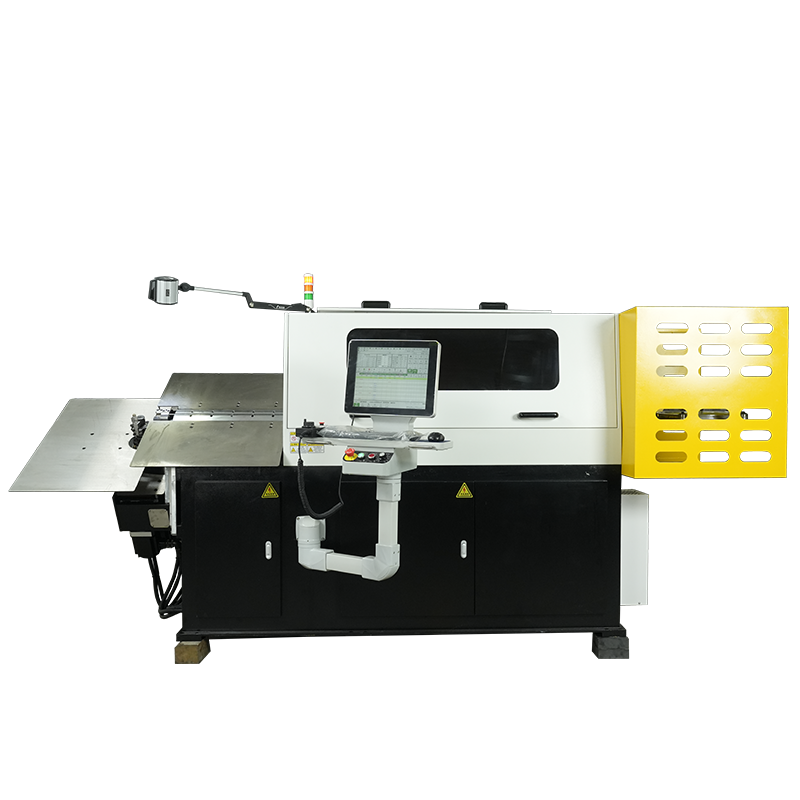
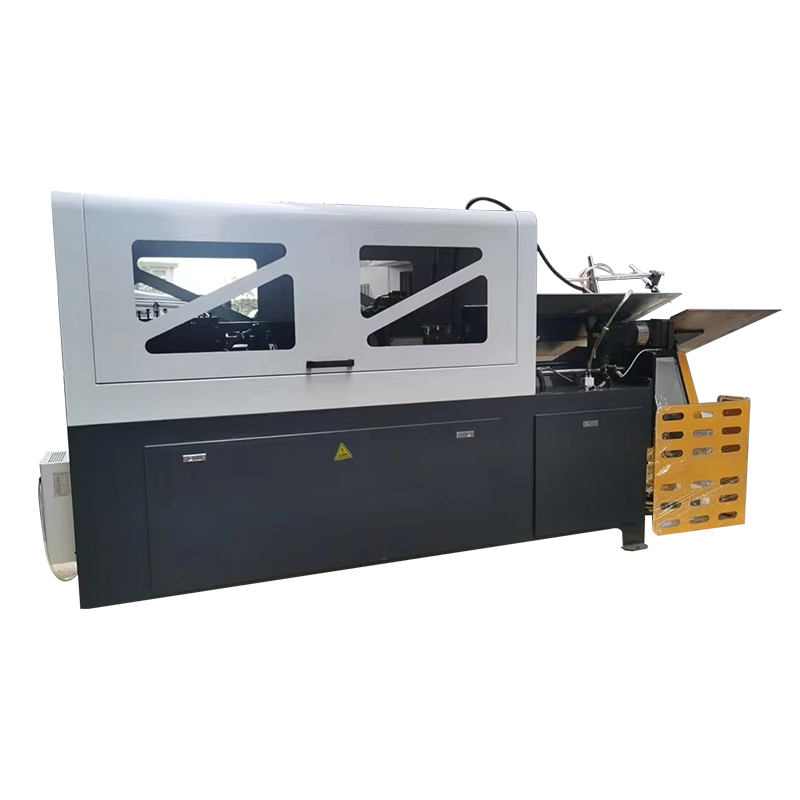
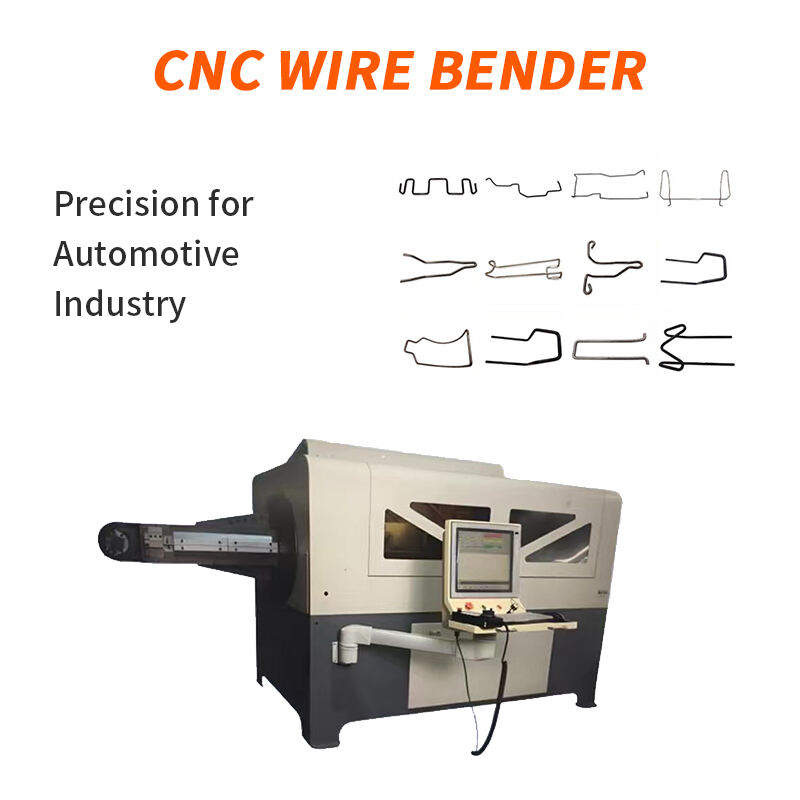
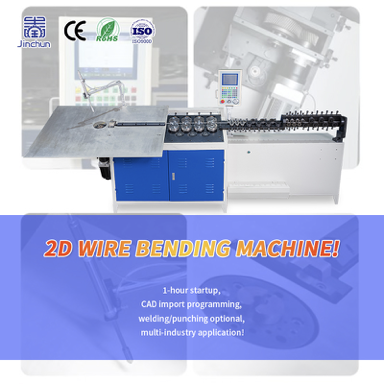
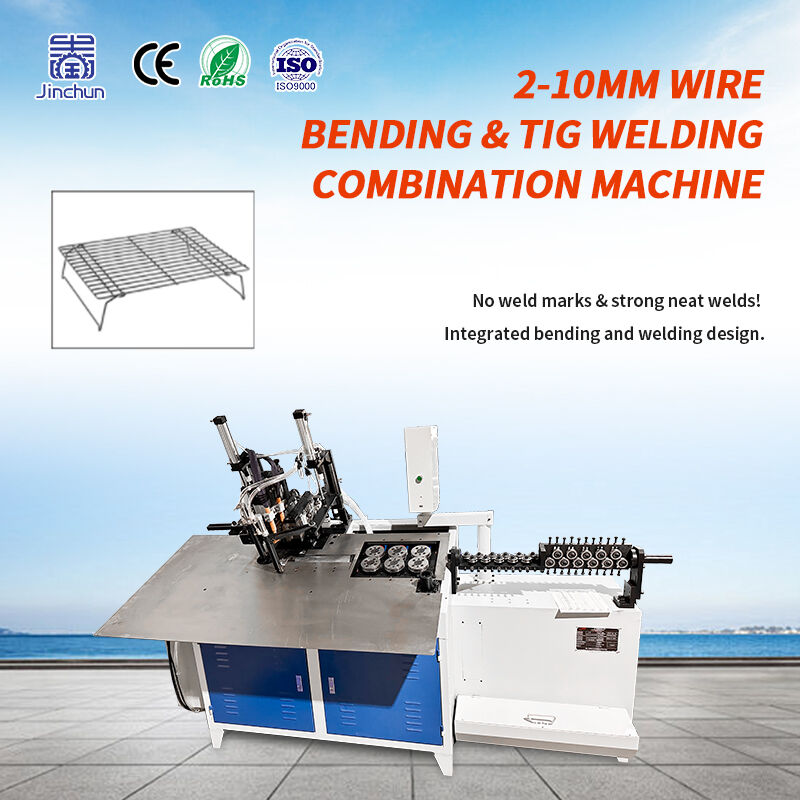
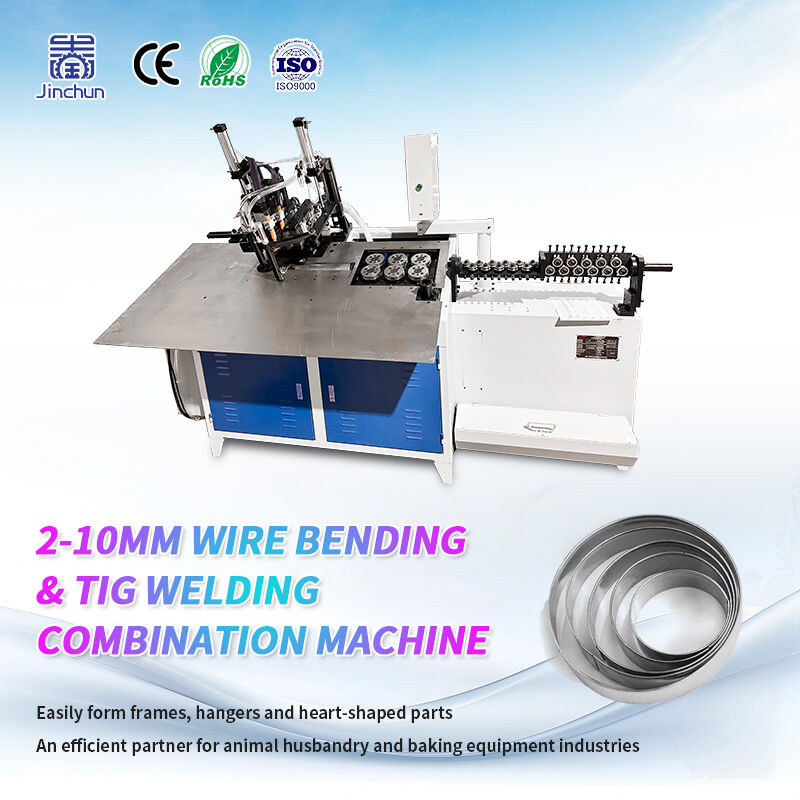
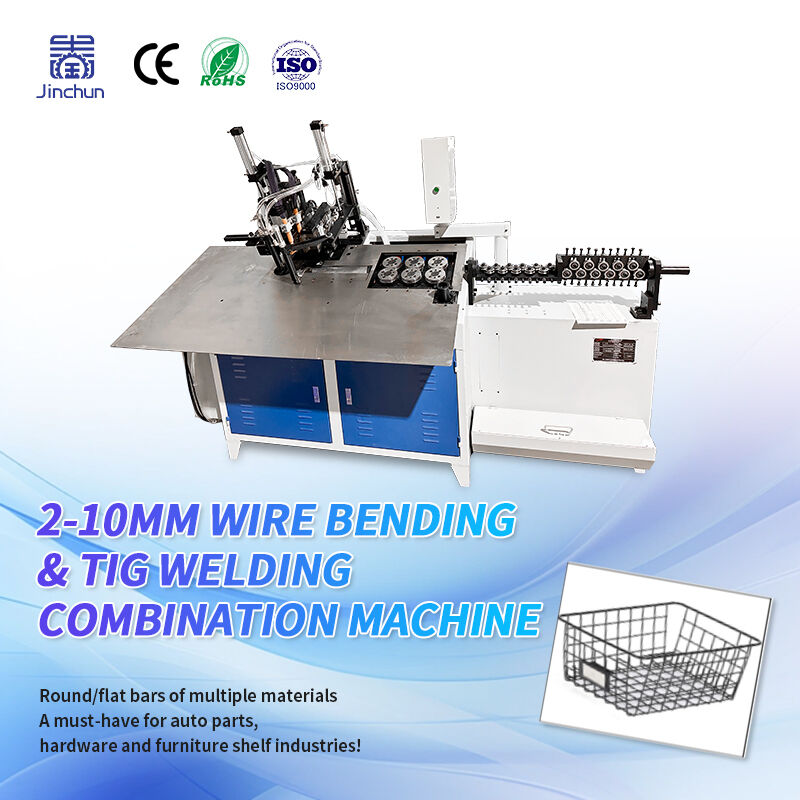
The automatic wire bending machine represents a revolutionary advancement in manufacturing technology, designed to transform straight wire materials into precise, complex shapes with exceptional accuracy and efficiency. This sophisticated equipment combines cutting-edge servo motor technology with advanced computer numerical control systems to deliver unparalleled precision in wire forming applications. The automatic wire bending machine serves as an essential tool for manufacturers across diverse industries, from automotive and electronics to furniture and construction sectors. Its primary function involves processing various wire materials including steel wire, stainless steel wire, copper wire, and aluminum wire with diameters ranging from 2mm to 12mm depending on the specific model configuration. The machine operates through a series of coordinated movements, utilizing multiple bending stations that can create complex geometries in a single operation cycle. Key technological features include programmable logic controllers that allow operators to store and recall hundreds of different bending patterns, ensuring consistent reproduction of identical components. The automatic wire bending machine incorporates precision servo motors that control each bending axis independently, enabling the creation of intricate three-dimensional shapes with tolerances as tight as ±0.1mm. Advanced safety systems including emergency stop mechanisms, protective barriers, and sensor-based monitoring ensure operator safety while maintaining optimal production speeds. The equipment features user-friendly touchscreen interfaces that simplify programming and operation, allowing technicians to input specifications through intuitive graphical displays. Modern automatic wire bending machines support multiple bending operations including straight bends, loops, spirals, and complex multi-plane configurations, making them versatile solutions for varied manufacturing requirements. The machines typically achieve production rates ranging from 60 to 300 pieces per hour, depending on part complexity and material specifications, significantly outperforming manual bending processes while maintaining superior quality standards.
 EN
EN