 EN
EN


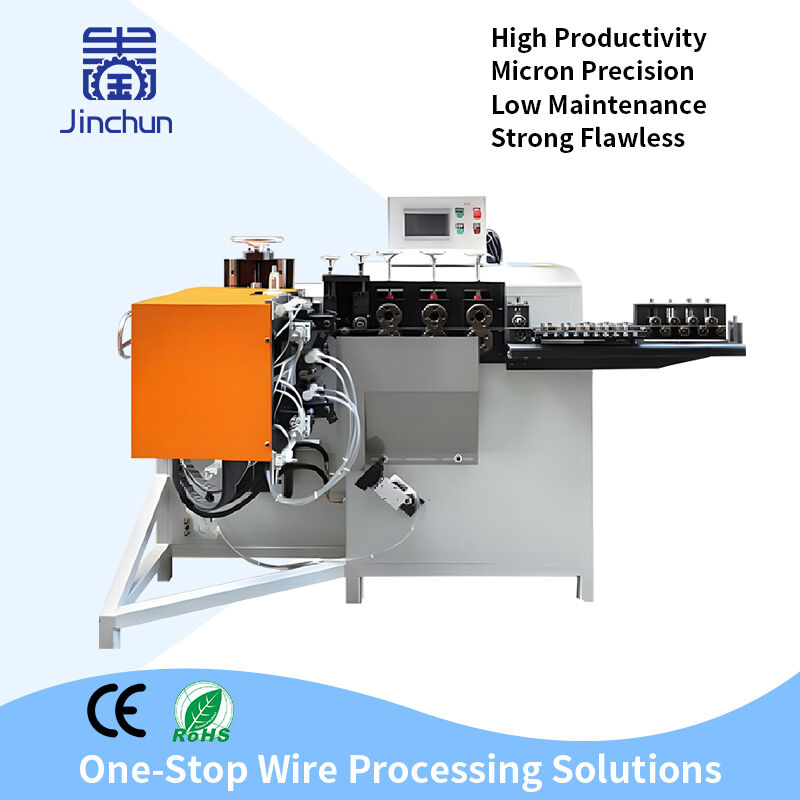
The versatility of clip forming machines has revolutionized manufacturing processes across multiple industries, with lighting and apparel sectors leading the charge in innovative applications. These sophisticated machines have transformed how manufacturers approach fastener production, offering precision, efficiency, and adaptability that traditional methods simply cannot match. As businesses seek to optimize production while maintaining quality standards, the clip forming machine has emerged as an indispensable tool for creating diverse fastening solutions.
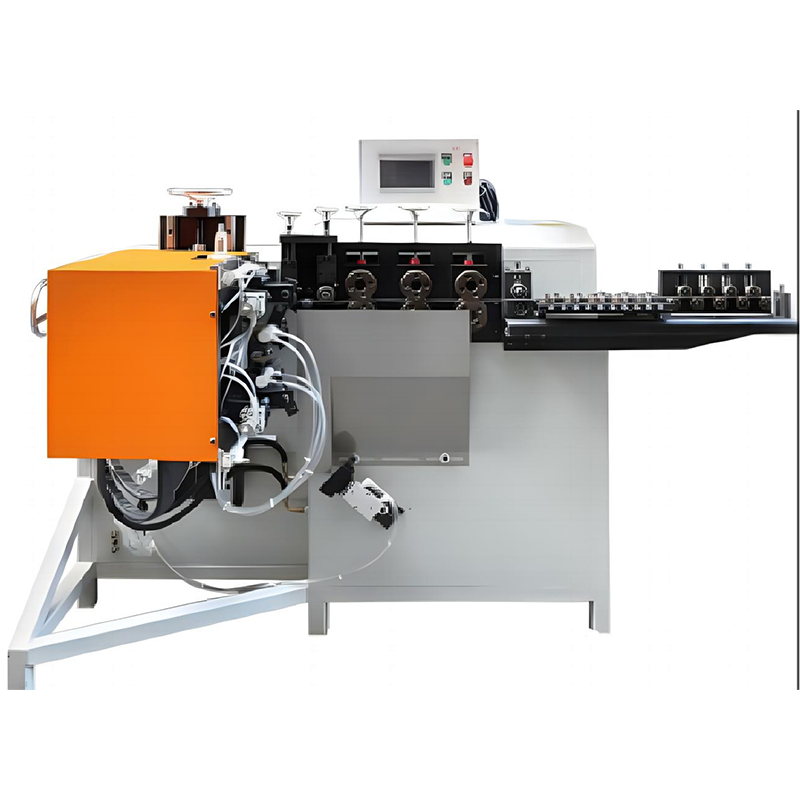
Understanding the extensive applications of clip forming machines reveals why these devices have become central to modern manufacturing strategies. From creating intricate lighting fixtures to producing durable apparel fasteners, these machines demonstrate remarkable flexibility in handling diverse materials and producing components that meet stringent industry requirements. The ability to seamlessly transition between different production requirements makes the clip forming machine an invaluable asset for manufacturers operating in today's competitive marketplace.
Transforming Lighting Industry Manufacturing
Advanced Fixture Assembly Solutions
The lighting industry has experienced significant transformation through the integration of clip forming machine technology in fixture assembly processes. Modern lighting manufacturers rely on these machines to produce precise mounting clips that secure LED panels, fluorescent tubes, and decorative lighting elements. The clip forming machine enables production of clips with exact dimensional tolerances, ensuring proper fit and electrical safety in lighting applications. These machines can process various metals including stainless steel, aluminum, and specialized alloys commonly used in lighting fixtures.
Manufacturing efficiency in lighting assembly has improved dramatically with clip forming machine implementation. The automated nature of these machines allows for continuous production of mounting clips, reducing labor costs while maintaining consistent quality standards. Lighting manufacturers can now produce thousands of identical clips per hour, meeting the high-volume demands of commercial and residential lighting projects. The precision offered by clip forming machine technology ensures that each clip provides secure mounting while allowing for easy installation and maintenance access.
Electrical Component Integration
Electrical safety requirements in the lighting industry demand precise component integration, where Clip Forming Machine technology plays a crucial role. These machines produce clips that secure electrical connections, maintain proper spacing between conductors, and provide strain relief for wiring systems. The ability to create clips with specific spring tensions ensures reliable electrical contact while allowing for thermal expansion and contraction in lighting fixtures.
Quality control in electrical clip manufacturing requires the precision that only advanced clip forming machine technology can provide. These machines can create clips with varying spring rates, different contact pressures, and specific geometric configurations to meet diverse electrical requirements. The consistency achieved through automated clip forming machine processes eliminates variations that could compromise electrical safety or performance in lighting applications.
Decorative Lighting Applications
Decorative lighting applications present unique challenges that clip forming machine technology addresses effectively. These machines produce ornamental clips and fasteners that not only provide functional mounting solutions but also contribute to the aesthetic appeal of lighting fixtures. The clip forming machine can create intricate designs while maintaining the structural integrity required for secure mounting of decorative elements.
Customization capabilities of modern clip forming machine systems enable lighting designers to realize complex artistic visions. These machines can produce clips in various shapes, sizes, and finishes to complement specific design themes. The flexibility of clip forming machine technology allows for rapid prototyping of new decorative clip designs, enabling lighting manufacturers to respond quickly to changing market trends and customer preferences.
Revolutionizing Apparel Manufacturing Processes
Fashion Industry Fastener Production
The fashion industry has embraced clip forming machine technology to revolutionize fastener production for clothing and accessories. These machines produce a wide variety of clips including belt buckles, bag clasps, shoe fasteners, and decorative elements that enhance both functionality and style. The clip forming machine enables fashion manufacturers to create fasteners that meet specific strength requirements while maintaining the precise dimensions necessary for consistent fit and appearance.
Production scalability in fashion manufacturing depends heavily on the efficiency provided by clip forming machine systems. These machines can rapidly switch between different fastener designs, allowing manufacturers to produce multiple product lines without significant downtime. The clip forming machine technology supports both high-volume production runs and small batch specialty items, providing the flexibility that fashion brands require to respond to seasonal trends and market demands.
Technical Apparel Applications
Technical apparel applications require fasteners that perform under demanding conditions, where clip forming machine precision becomes critical for product success. These machines produce clips for outdoor gear, athletic wear, and professional uniforms that must withstand extreme conditions while maintaining functionality. The clip forming machine can work with specialized materials including titanium, marine-grade stainless steel, and polymer composites that provide superior performance in challenging environments.
Performance testing of technical apparel fasteners relies on the consistency achieved through clip forming machine manufacturing. These machines produce fasteners with predictable load ratings, corrosion resistance, and durability characteristics essential for technical applications. The precision of clip forming machine technology ensures that fasteners meet or exceed industry standards for strength, reliability, and longevity in demanding use conditions.
Sustainable Fashion Initiatives
Sustainability initiatives in the fashion industry have found strong support through clip forming machine technology that minimizes material waste and energy consumption. These machines optimize material usage through precise cutting and forming processes that reduce scrap generation. The clip forming machine can work with recycled materials and sustainable alloys, supporting fashion brands' environmental goals while maintaining product quality standards.
Circular economy principles in fashion manufacturing benefit from the durability of fasteners produced by clip forming machine technology. These machines create long-lasting fasteners that extend garment lifecycles, reducing the need for frequent replacements. The reliability of clip forming machine production ensures that fasteners remain functional throughout the extended use periods that sustainable fashion initiatives promote.
Manufacturing Efficiency and Quality Control
Automated Production Capabilities
Automated production capabilities of modern clip forming machine systems have transformed manufacturing efficiency across lighting and apparel industries. These machines integrate advanced control systems that monitor production parameters in real-time, ensuring consistent quality while maximizing throughput. The clip forming machine can operate continuously with minimal supervision, reducing labor costs and eliminating human error in critical forming operations.
Integration with existing production lines becomes seamless through the modular design of contemporary clip forming machine systems. These machines can be synchronized with upstream and downstream processes, creating efficient manufacturing workflows that minimize handling and reduce production cycle times. The clip forming machine technology supports just-in-time manufacturing strategies that reduce inventory costs while maintaining production flexibility.
Quality Assurance Systems
Quality assurance in clip manufacturing relies on the precision monitoring capabilities built into advanced clip forming machine systems. These machines incorporate measurement systems that verify dimensional accuracy, surface finish, and mechanical properties of each produced clip. The clip forming machine can automatically reject defective parts and adjust process parameters to maintain quality standards throughout production runs.
Statistical process control becomes highly effective when implemented with clip forming machine technology that provides detailed production data. These machines generate comprehensive records of process parameters, enabling manufacturers to identify trends and optimize production settings for improved quality outcomes. The data collection capabilities of clip forming machine systems support continuous improvement initiatives and regulatory compliance requirements.
Market Trends and Future Developments
Industry Innovation Drivers
Innovation in clip forming machine technology continues to be driven by evolving requirements in lighting and apparel industries. Manufacturers are demanding greater precision, faster production speeds, and enhanced material compatibility from their clip forming machine investments. These drivers have led to development of machines with improved servo control systems, advanced tooling designs, and enhanced material handling capabilities.
Customization demands from end users are pushing clip forming machine manufacturers to develop more flexible production systems. These machines now feature rapid changeover capabilities, programmable forming sequences, and modular tooling systems that enable quick adaptation to new product requirements. The evolution of clip forming machine technology reflects the growing need for agile manufacturing solutions in dynamic markets.
Technological Advancement Integration
Integration of emerging technologies into clip forming machine systems is creating new possibilities for manufacturers in lighting and apparel sectors. These machines now incorporate artificial intelligence for predictive maintenance, advanced sensors for real-time quality monitoring, and connectivity features that enable remote operation and monitoring. The technological advancement of clip forming machine systems supports Industry 4.0 initiatives and smart manufacturing strategies.
Future developments in clip forming machine technology focus on sustainability, precision, and automation enhancement. Manufacturers are investing in energy-efficient drive systems, waste reduction technologies, and advanced materials compatibility to meet evolving industry requirements. The continued evolution of clip forming machine capabilities ensures that these systems will remain central to efficient manufacturing in lighting and apparel industries.
FAQ
What types of materials can clip forming machines process for lighting and apparel applications?
Clip forming machines can process a wide range of materials including stainless steel, aluminum, brass, copper alloys, spring steel, and various polymer composites. For lighting applications, these machines commonly work with materials that offer good electrical conductivity and corrosion resistance. In apparel manufacturing, clip forming machines can handle both metallic and non-metallic materials depending on the specific fastener requirements and aesthetic considerations.
How do clip forming machines ensure consistent quality in high-volume production?
Modern clip forming machines incorporate advanced control systems with real-time monitoring of forming forces, dimensional accuracy, and surface quality parameters. These systems automatically adjust process variables to maintain consistency and can reject defective parts before they enter the production stream. Statistical process control capabilities enable continuous monitoring of quality trends and proactive adjustment of production parameters to prevent quality issues.
What factors should manufacturers consider when selecting a clip forming machine for their specific application?
Key selection factors include material compatibility, production volume requirements, dimensional precision needs, and integration capabilities with existing production systems. Manufacturers should evaluate the machine's changeover speed for multi-product operations, tooling flexibility for different clip designs, and quality control features appropriate for their industry standards. Additionally, consideration of energy efficiency, maintenance requirements, and technical support availability are important for long-term operational success.
How do clip forming machines contribute to sustainability goals in manufacturing?
Clip forming machines contribute to sustainability through precise material utilization that minimizes waste, energy-efficient operation that reduces power consumption, and production of durable fasteners that extend product lifecycles. These machines can work with recycled materials and support circular economy initiatives by creating long-lasting components that reduce the need for frequent replacements. The precision of clip forming machines also eliminates rework and scrap generation, further supporting environmental goals.
Table of Contents
- Transforming Lighting Industry Manufacturing
- Revolutionizing Apparel Manufacturing Processes
- Manufacturing Efficiency and Quality Control
- Market Trends and Future Developments
-
FAQ
- What types of materials can clip forming machines process for lighting and apparel applications?
- How do clip forming machines ensure consistent quality in high-volume production?
- What factors should manufacturers consider when selecting a clip forming machine for their specific application?
- How do clip forming machines contribute to sustainability goals in manufacturing?