 EN
EN


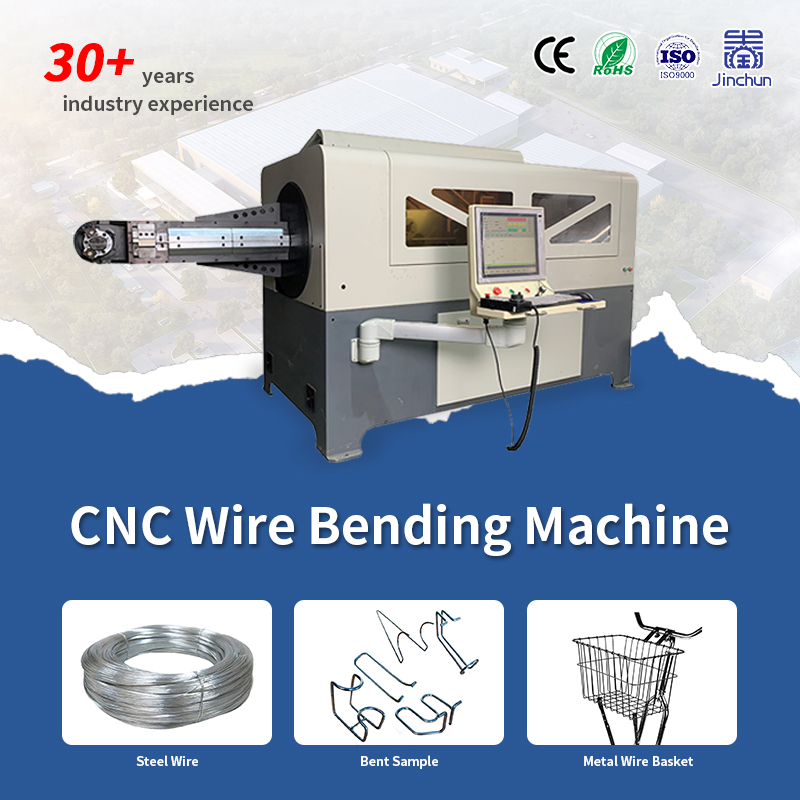
Mesh welding machines have revolutionized the production of poultry and pet cages by delivering precision, speed, and consistency that manual fabrication methods simply cannot match. In commercial cage manufacturing, where dimensional accuracy and structural integrity are paramount, a mesh welding machine provides the automated solution needed to meet high-volume production demands while maintaining uniform quality standards across every unit produced.
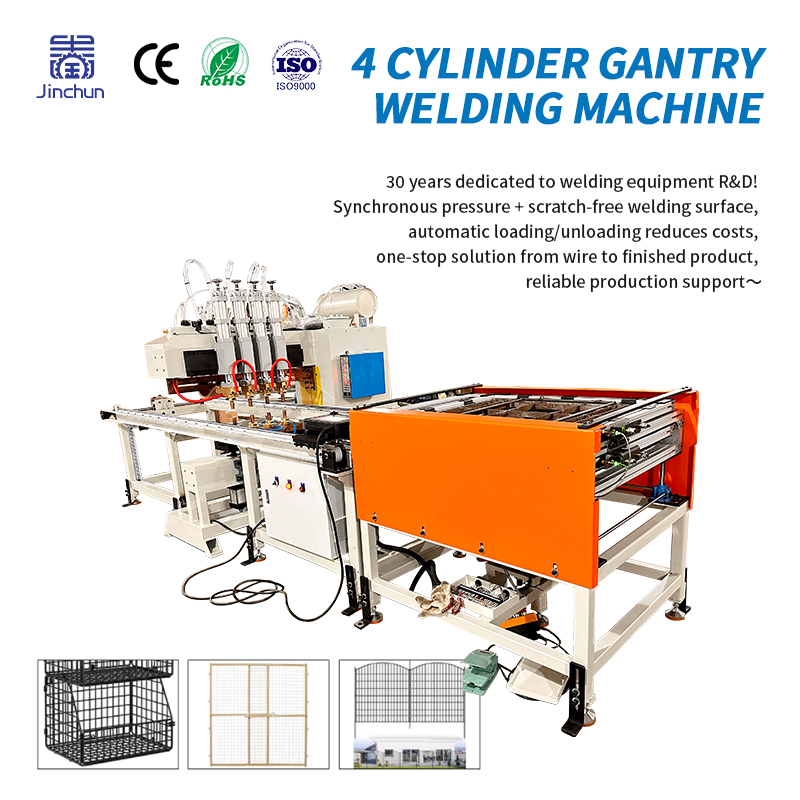
The specialized nature of poultry and pet cage production requires equipment that can handle varying wire gauges, create precise spacing patterns, and deliver consistent weld penetration across galvanized or stainless steel materials. Modern mesh welding machine technology addresses these requirements through programmable control systems, adjustable electrode configurations, and automated feeding mechanisms that ensure optimal production efficiency for cage manufacturers serving agricultural and pet industry markets.
Technical Advantages of Mesh Welding Machines in Cage Production
Precision Wire Positioning and Spacing Control
A mesh welding machine delivers unmatched precision in wire positioning, ensuring that longitudinal and transverse wires intersect at exact predetermined points. This precision is critical in poultry cage production where uniform spacing affects ventilation, bird comfort, and feed accessibility. The machine's automated wire feeding system maintains consistent spacing intervals across the entire mesh panel, eliminating the dimensional variations common in manual welding processes.
The programmable spacing control allows manufacturers to switch between different cage specifications without extensive machine reconfiguration. Whether producing battery cages with tight wire spacing for small birds or larger aviaries requiring wider openings, the mesh welding machine adapts to various production requirements through digital parameter adjustment, reducing changeover time and increasing operational flexibility.
Consistent Weld Quality and Strength
Weld consistency represents a fundamental advantage of automated mesh welding machine operation over traditional fabrication methods. The machine applies precise electrical current and pressure at each intersection point, creating uniform weld nuggets that meet structural load requirements for cage applications. This consistency is particularly important in poultry facilities where cages must withstand continuous use, cleaning cycles, and the dynamic loading of active birds.
The controlled welding parameters eliminate the quality variations associated with manual welding techniques, where operator skill level, fatigue, and environmental factors can affect weld integrity. Each intersection receives identical energy input and compression force, resulting in mesh panels with predictable mechanical properties and longer service life in demanding agricultural environments.
Material Compatibility and Corrosion Resistance
Modern mesh welding machines accommodate various wire materials commonly used in cage production, including galvanized steel, stainless steel, and specialized coated wires. The machine's electrode design and welding parameters can be optimized for each material type, ensuring proper fusion without compromising the corrosion-resistant properties of protective coatings.
This material versatility allows manufacturers to select wire specifications based on specific application requirements rather than welding limitations. Poultry cages exposed to harsh cleaning chemicals benefit from stainless steel construction, while pet enclosures may use galvanized wire for cost-effectiveness, and the mesh welding machine handles both materials with equal proficiency.
Production Efficiency Benefits for Commercial Cage Manufacturing
High-Speed Automated Production Cycles
The automated nature of mesh welding machine operation dramatically increases production throughput compared to manual fabrication methods. Advanced machines can complete welding cycles for standard cage panels in seconds rather than minutes, enabling manufacturers to meet large-order requirements within compressed delivery timeframes. This speed advantage becomes particularly valuable during peak seasons when poultry producers expand their facilities or replace aging cage infrastructure.
The machine's continuous operation capability allows for extended production runs with minimal operator intervention. Once programmed for specific cage dimensions and wire specifications, the mesh welding machine maintains consistent output throughout multiple shifts, maximizing equipment utilization and reducing per-unit labor costs in commercial manufacturing environments.
Reduced Labor Requirements and Skill Dependencies
Implementing mesh welding machine technology significantly reduces the skilled labor requirements associated with traditional cage fabrication. While manual welding demands experienced operators capable of maintaining consistent quality across hundreds of intersection points, automated systems require minimal operator training and supervision. This reduction in skill dependency helps manufacturers maintain consistent production capacity despite workforce availability challenges.
The simplified operation of modern mesh welding machines allows existing production staff to manage multiple machines simultaneously, further improving labor efficiency. Operators can focus on material preparation, quality inspection, and machine maintenance while the automated systems handle the precision welding operations that determine final product quality.
Waste Reduction and Material Optimization
Precise programming capabilities of mesh welding machines minimize material waste through optimized cutting patterns and accurate dimensional control. The machine's ability to produce exact panel sizes eliminates the trimming waste common in manual fabrication, where oversized panels are cut to final dimensions after welding. This material optimization becomes particularly important when working with premium materials like stainless steel wire.
The consistent quality output from mesh welding machine operation also reduces rejection rates and rework requirements. Every panel meets specified dimensional and structural standards, eliminating the material losses associated with defective products that must be scrapped or extensively modified before use.
Application-Specific Configurations for Poultry and Pet Enclosures
Poultry Cage Design Requirements and Machine Adaptability
Poultry cage production demands specific mesh configurations that address bird size, behavior, and management requirements. Layer cages typically require horizontal wire spacing between 19-25mm to prevent egg loss while allowing adequate feed access, while broiler enclosures need larger openings for different feeding patterns. A mesh welding machine can be programmed to produce these varied specifications through adjustable wire spacing and gauge selection.
The vertical wire spacing in poultry cages must prevent bird escape while ensuring proper ventilation and visibility for flock monitoring. Mesh welding machines accommodate these requirements through precise longitudinal wire positioning, creating uniform vertical openings that meet animal welfare standards while facilitating efficient poultry management practices in commercial operations.
Pet Enclosure Specifications and Safety Considerations
Pet cage manufacturing requires different mesh characteristics compared to poultry applications, with emphasis on preventing escape, ensuring animal comfort, and providing visual interaction between pets and owners. Small animal enclosures like rabbit or guinea pig cages need fine mesh spacing to contain the animals while allowing adequate air circulation. The mesh welding machine adapts to these requirements through programmable spacing controls and appropriate wire gauge selection.
Larger pet enclosures for dogs or cats require stronger construction with wider spacing for visibility and interaction. The mesh welding machine produces these panels using heavier gauge wire and appropriate intersection spacing, creating sturdy enclosures that withstand the more dynamic loading conditions associated with larger, more active pets.
Specialized Features for High-Volume Production
Commercial cage manufacturers benefit from mesh welding machine features designed for continuous high-volume production. Automatic wire feeding systems maintain consistent material supply during extended production runs, while programmable electrode positioning accommodates various panel sizes without manual adjustment. These features enable efficient production scheduling and reduce the downtime associated with machine reconfiguration.
Quality monitoring systems integrated into advanced mesh welding machines provide real-time feedback on weld parameters and dimensional accuracy, allowing operators to identify and correct any deviations before they affect significant quantities of finished products. This monitoring capability is essential for maintaining the consistent quality standards required in commercial cage manufacturing.
Economic Impact and Return on Investment Considerations
Initial Investment Analysis for Cage Manufacturers
The capital investment required for mesh welding machine implementation must be evaluated against the long-term production and quality benefits it provides. While the initial equipment cost represents a significant expenditure for cage manufacturers, the improved production efficiency, reduced labor costs, and enhanced product quality typically generate positive returns within reasonable payback periods.
Manufacturers should consider the total cost of ownership when evaluating mesh welding machine investments, including installation, training, maintenance, and ongoing operational costs. The reduced material waste, lower rejection rates, and increased production capacity provided by automated systems often justify the initial investment through improved profitability and competitive positioning in the cage manufacturing market.
Competitive Advantages in Commercial Markets
Implementing mesh welding machine technology provides cage manufacturers with significant competitive advantages in commercial markets where delivery time, quality consistency, and pricing competitiveness determine success. The ability to respond quickly to large orders while maintaining uniform quality standards enables manufacturers to compete effectively for major contracts with poultry producers and pet facility operators.
The cost reductions achieved through automated production allow manufacturers to offer competitive pricing while maintaining healthy profit margins. This pricing flexibility becomes particularly important in commodity markets where small cost advantages can determine market share and long-term business sustainability.
Scalability and Future Production Growth
Mesh welding machine technology provides scalable production capacity that supports business growth without proportional increases in labor requirements or facility space. As demand increases, manufacturers can extend operating hours or add additional machines to meet production targets, maintaining efficient operations throughout business expansion phases.
The programmable nature of modern mesh welding machines also supports product diversification, allowing manufacturers to enter new market segments or develop specialized cage designs without significant additional equipment investment. This flexibility provides strategic advantages for manufacturers seeking to expand their market presence or respond to emerging opportunities in the agricultural and pet industries.
FAQ
What wire gauges and materials can mesh welding machines handle for cage production?
Mesh welding machines accommodate wire gauges typically ranging from 2mm to 6mm diameter, covering the specifications commonly used in poultry and pet cage manufacturing. They work effectively with galvanized steel wire, stainless steel, and PVC-coated wire, with welding parameters adjustable for each material type to ensure optimal joint quality and preserve protective coatings.
How does automated mesh welding compare to manual fabrication in terms of production speed?
Automated mesh welding machines typically achieve 10-20 times faster production rates than manual welding methods for standard cage panels. While manual fabrication might require 30-60 minutes for a typical cage panel, a mesh welding machine can complete the same panel in 2-5 minutes, including wire positioning and welding operations, significantly improving manufacturing throughput.
What maintenance requirements are necessary for mesh welding machines in continuous production environments?
Regular maintenance for mesh welding machines includes daily electrode cleaning and inspection, weekly calibration checks of welding parameters, and monthly lubrication of mechanical components. More extensive maintenance involves periodic electrode replacement, electrical system inspection, and mechanical alignment verification, typically requiring 2-4 hours of downtime monthly for preventive maintenance procedures.
Can mesh welding machines produce custom cage dimensions and spacing configurations?
Modern mesh welding machines offer extensive programmability for custom cage dimensions and wire spacing configurations. Operators can input specific measurements for panel length, width, longitudinal spacing, and transverse spacing through digital control systems, allowing production of specialized cage designs without mechanical modifications to the equipment, supporting diverse customer requirements and market applications.
Table of Contents
- Technical Advantages of Mesh Welding Machines in Cage Production
- Production Efficiency Benefits for Commercial Cage Manufacturing
- Application-Specific Configurations for Poultry and Pet Enclosures
- Economic Impact and Return on Investment Considerations
-
FAQ
- What wire gauges and materials can mesh welding machines handle for cage production?
- How does automated mesh welding compare to manual fabrication in terms of production speed?
- What maintenance requirements are necessary for mesh welding machines in continuous production environments?
- Can mesh welding machines produce custom cage dimensions and spacing configurations?