 EN
EN


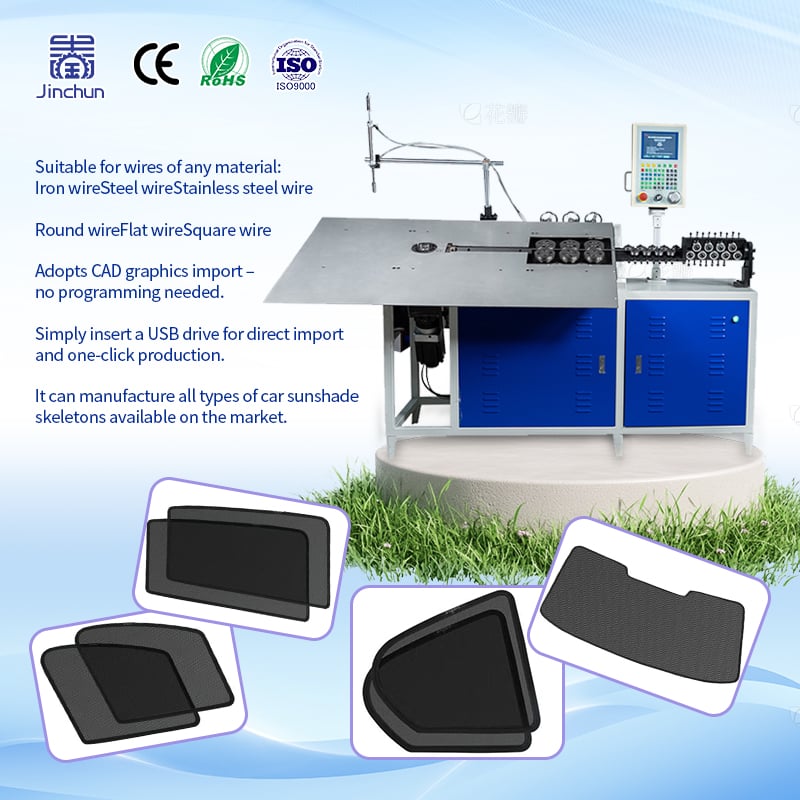
The modern manufacturing sector continuously searches for methods to optimize speed, accuracy, and material efficiency. Within metal fabrication, two-dimensional wire manipulation stands out as a fundamental process utilized across a diverse range of industries. Whether creating intricate components for vehicle subassemblies or high-capacity display shelves, understanding the core principles of wire manipulation is crucial for modern workshop automation. Implementing an advanced 2D Bending machine allows businesses to move away from labor-intensive manual methods and adopt a streamlined system where raw wire coils are converted into precise, finished products in seconds.
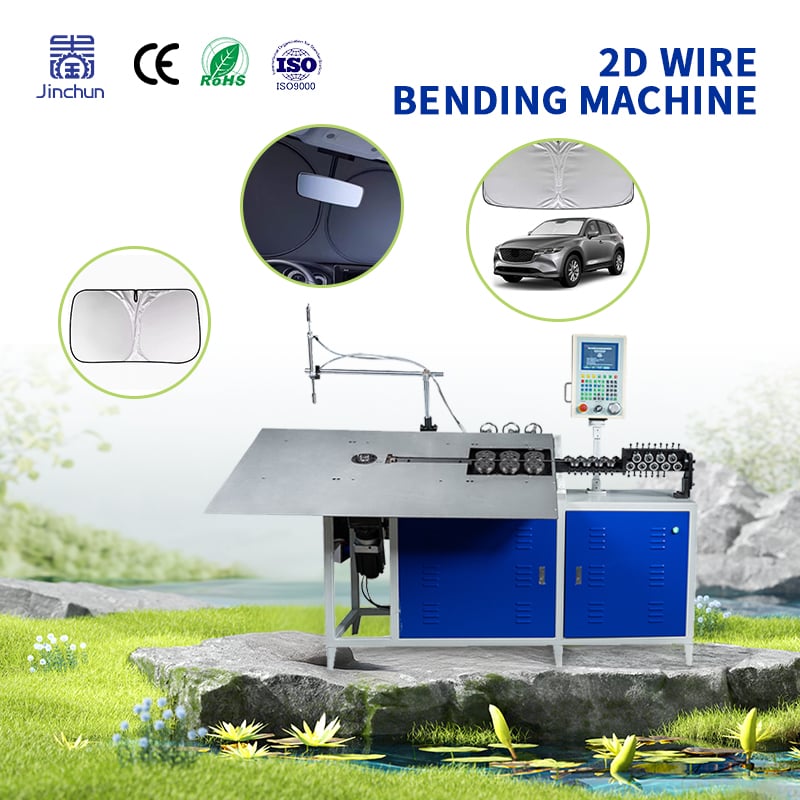
By utilizing computerized servo motors and continuous feeding mechanisms, these systems ensure unmatched repeatability across high-volume fabrication orders. The operational layout of a standard 2D Bending machine focuses on eliminating human error while maintaining high processing speeds. As global hardware supply chains continue to demand shorter lead times and strict structural conformity, investing in an automated 2D Bending machine has become a strategic upgrade for factories looking to improve output and secure a strong market position.
Technical Foundations and Mechanical Capabilities
At its core, two-dimensional wire manipulation involves feeding raw wire material through specialized straightening rollers before a rotating head applies force to create precise angles along a single flat plane. This specialized machinery accommodates various cross-sections, processing round, square, flat, and hexagonal wires with exceptional consistency. Depending on production requirements, the equipment works seamlessly with multiple material types, including common iron wire, heavy-duty steel wire, corrosion-resistant stainless steel, and conductive copper profiles. The machinery maintains strict structural accuracy, achieving an exceptional mechanical positioning tolerance of 0.05mm across all finished items.
The mechanical versatility of this hardware is further enhanced by its broad material thickness range. The system effectively processes wire diameters and flat bar profiles from 2mm up to 16mm, making it equally suitable for delicate retail display fixtures and heavy industrial components. The machinery delivers impressive performance rates, capable of outputting 12 to 15 cycles per minute or yielding 15 to 45 completed two-dimensional pieces per minute depending on geometric complexity. By utilizing advanced universal tooling mechanisms, the machine completely eliminates the need for tedious manual die adjustments. This system allows the hardware to adapt to entirely new shape configurations instantly, drastically reducing traditional setup and switchover times.
Intelligent Controls and Modular Integration
Modern wire fabrication relies heavily on advanced automation software to minimize learning curves and simplify production workflows. These advanced systems feature intuitive, multilingual smart control layouts that combine responsive touchscreens with robust physical button interfaces. This user-friendly configuration allows new operators to master the entire system within just 60 minutes of initial training. To streamline programming, the software supports direct, one-click CAD drawing imports (.dxf files). An engineer can simply upload a design drawing, and the internal software automatically calculates the required wire lengths and precise bend angles, utilizing an internal storage drive capable of securing up to 10,000 distinct operational programs.
Furthermore, this machinery features a highly modular architecture that enables factory managers to customize the equipment for specific applications. Depending on product requirements, companies can add optional inline functional modules such as resistance welding, precision punching, or heavy-duty stamping mechanisms along the main wire line. This modular integration transforms a standalone bending unit into an all-in-one production station, allowing complex components to be formed, punched, and welded without requiring human handling between separate machines.
Industrial Applications Matrix and Core Performance Metrics
The flexibility of modern automated wire manipulation makes it an essential technology across a wide array of consumer and commercial industries. The table below details the specific applications and key operational parameters that define this advanced technology.
Operational & Industrial Category |
Detailed Engineering Applications & Technical Specifications |
Automotive Components Sector |
Production of high-precision car seat wires, structural seat frame accessories, and custom automotive interior support elements. |
Kitchen & Bathware Hardware |
Fabrication of refrigerator brackets, multi-tier spice organizers, sink baskets, bathroom wall hangers, pull-out cabinet organizers, and dish draining racks. |
Retail & Commercial Shelving |
Heavy-duty supermarket product racks, modular storage shelves, product display grids, and industrial wire baskets. |
Industrial Wire Goods |
Production of protective fan guards, wire mesh grids, pet cage structures, and heavy-duty livestock enclosure accessories. |
Hardware, Craft & Home Goods |
Automated forming of clothing hangers, garden tool components, structural lighting frames, custom wine racks, home decoration brackets, and bucket handles. |
Precision Flat Plane Fasteners |
High-speed processing of S-hooks, curtain buckles, carabiners (climbing clips), D-rings, slide buckles, square rings, and specialized geometric loops. |
Material Compatibility Limits |
Adjustable for high-grade iron wire, steel wire and stainless steel from 2mm up to 16mm in diameter. |
Production Speed Metrics |
Delivers 12 to 15 cycles per minute; achieves a high-velocity output of 15 to 45 formed 2D pieces per minute. |
System Precision Threshold |
Highly precise servo-driven movement maintaining strict part tolerances down to 0.05mm. |
Equipment Lifespan & Reliability |
Built for an average operational lifespan exceeding 10 years; backed by a comprehensive 2-year factory warranty. |
Compliance & Quality Assurance |
Fully CE certified; features an annual operational failure rate below 3% with strict multi-point pre-shipment quality control. |
Sustainable Workshop Operation and Long-Term Reliability
Beyond speed and precision, upgrading to automated wire forming provides substantial environmental and economic benefits for modern manufacturing facilities. Traditional manual bending setups generate significant material scrap due to human measurement errors, which drives up production costs. In contrast, the automated feeding and cutting mechanisms of a computerized system optimize material usage, reducing waste and keeping production areas clean. The automated cycle also lowers noise levels and creates a safer work environment, helping factories solve skilled labor shortages by allowing a single technician to easily monitor multiple automated production lines simultaneously.
Investing in these industrial-grade systems guarantees outstanding long-term durability and operational security. Built with heavy-duty structural steel and premium mechanical components, the machinery maintains an average service life of over 10 years. This reliable construction keeps the annual operational failure rate below 3%. To protect production schedules from unexpected downtime, after-sales technical support provides a rapid response time averaging under two hours. Combining robust build quality, versatile application options, and dedicated customer care allows manufacturing brands to lower per-part costs and remain highly competitive in the global marketplace.
Frequently Asked Questions Regarding 2D Wire Automation
Q1: Can the machine handle different wire cross-sections like square or flat wires without damaging the material?
A1: Yes, the system handles round, square, flat, and hexagonal wires easily. By utilizing specialized, precision-ground straightening rollers and matching bending tools, the machinery processes various wire shapes smoothly without scratching or marring the wire surface, which is essential for premium decorative goods and visible automotive parts.
Q2: What are the advantages of using universal tooling instead of traditional dedicated dies?
A2: Traditional dedicated dies require operators to manually swap out heavy, specialized tooling sets every time a product's size or shape changes, causing hours of factory downtime. Universal tooling adapts to different geometric requirements through software adjustments alone, reducing complete line switchovers to mere minutes and maximizing overall factory efficiency.
Q3: How does the CAD drawing import feature simplify the production of complex, irregular shapes?
A3: The CAD import feature eliminates the need for manual coordinate programming. An engineer simply uploads a standard vector file (.dxf format) directly into the multilingual interface, and the intelligent control system automatically translates the design lines into precise wire feed lengths and servo rotation angles, allowing operators to transition from a design drawing to a physical product in minutes.
Q4: What support options are available if the equipment encounters a technical issue during a busy production shift?
A4: The machinery is backed by an efficient customer support network that guarantees an after-sales response time of under two hours. This rapid assistance, combined with a comprehensive 2-year warranty and a low annual failure rate of less than 3%, ensures that any unexpected operational issues are resolved quickly to keep your factory lines running smoothly.