 EN
EN


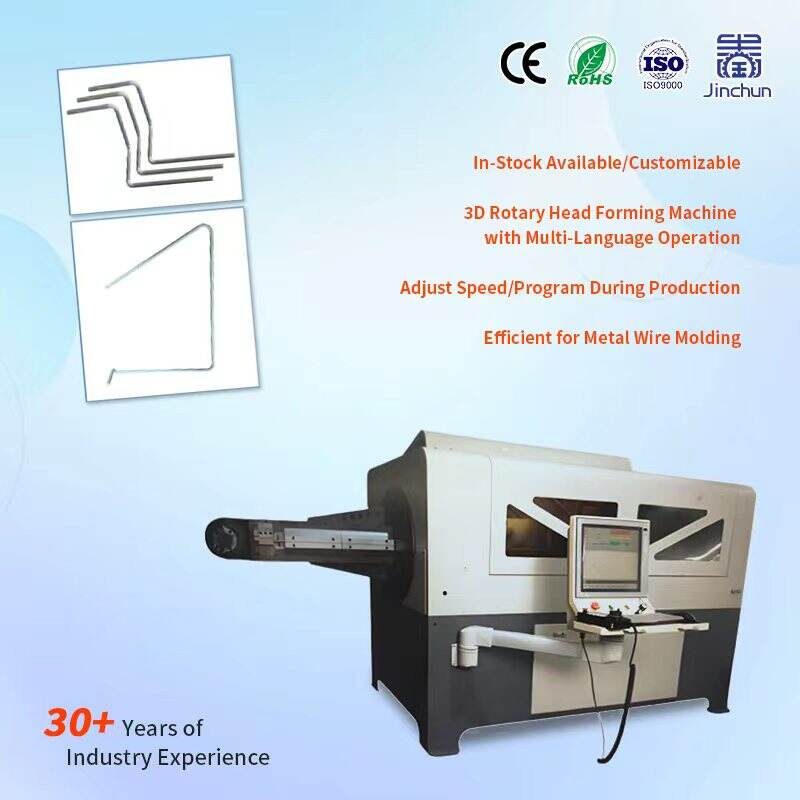
In the fast-evolving world of metal fabrication, manufacturing facilities face continuous pressure to achieve higher throughput while maintaining strict quality standards. Traditional manual bending setups often result in costly bottlenecks, geometric deviations, and excessive material waste. Transitioning to an automated 3D Bending Machine eliminates these inefficiencies by executing multi-planar bends in a single continuous process. This advanced automation minimizes operator handling and optimizes material yield, allowing workshops to complete complex manufacturing contracts ahead of schedule.
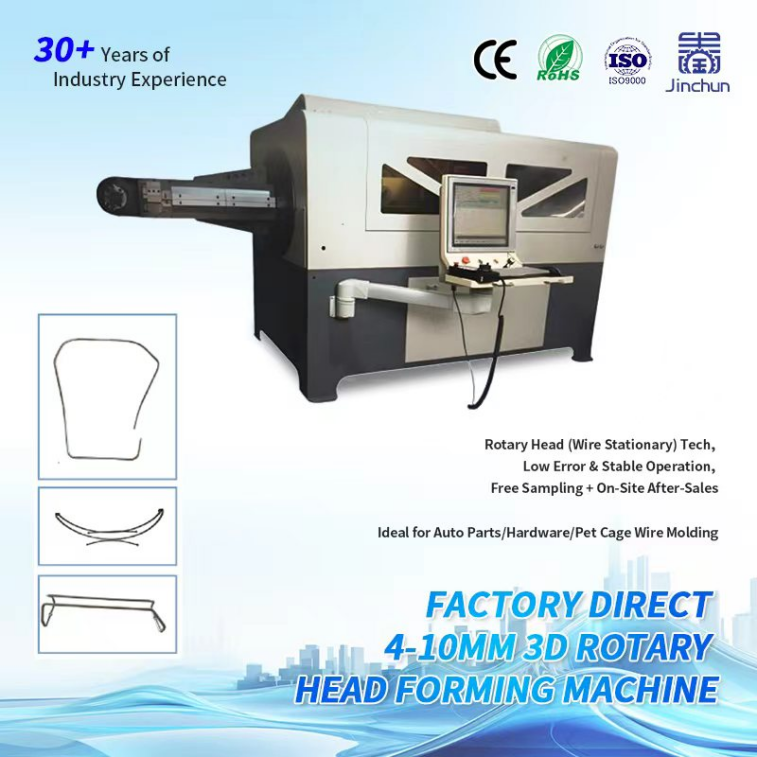
By feeding metal raw stock directly into a multi-axis CNC system, companies ensure that each finished component matches its original CAD model perfectly. Implementing a high-speed 3D Bending Machine helps businesses satisfy strict industrial requirements and scale their volume without sacrificing workpiece integrity. The integration of high-precision servo motors and automated material handling establishes a highly efficient manufacturing environment built for modern commercial demands.
Technical Advantages of Advanced Automated Forming Systems
Industrial three-dimensional bending technology features specialized mechanical configurations optimized for different product footprints and geometric requirements. Selecting the correct mechanism ensures proper material handling and prevents structural bending stress.
The wire-rotating configuration is designed for smaller volume precision 3D products and intricate metal components. This design utilizes a heavy-duty industrial gearbox to synchronously rotate the product itself during the forming cycle. Configurable with 7 to 13 axes, this system enables the rapid production of complex 3D items by quickly manipulating wire positions relative to the bending pins. It provides exceptional agile processing for intricate items like specialized fasteners, retail wire displays, and decorative crafts.
The head-rotating configuration targets larger precision 3D products where rotating a long, heavy metal bar would cause material whipping, flexing, or structural distortion. Instead of rotating the bar stock, this configuration keeps the material completely stationary while high-agility rotating arms and bending heads move around it. Configurable with 5 to 10 axes, this layout delivers reliable multi-angle forming for heavy-gauge structural components like automotive seat frames.
Mechanical Specifications and Materials Overview
Both mechanical variants handle high-strength round or flat bar materials—including iron, stainless steel . These systems process material diameters ranging from 2mm up to 16mm, requiring only a simple mold change to switch between different gauges or profile shapes. Driven by integrated multi-axis servo loops, the machines deliver a forming accuracy of up to 0.02mm. This extreme accuracy is essential for automotive/motorcycle parts, industrial fasteners, furniture, and craft industries where pieces must fit perfectly during final assembly.
Modern automated manufacturing requires simple, user-friendly software interfaces. The control systems feature a multilingual intelligent system pairing clear digital touch screens with physical buttons. This dual-control setup allows beginners and non-technical workers to master programming and run production safely within 2 hours of training. To support high-mix production schedules, the internal storage drive holds up to 10,000 distinct programs, allowing operators to instantly change parts without manual measurements.
Equipment Lifespan, Quality Control, and Operational Reliability
Investing in premium automated machinery ensures long-term operational consistency. Built with robust structural steel frames and high-wear components, these advanced units deliver an average machine service life exceeding 15 years. They maintain a stable annual failure rate of less than 2% during heavy industrial use.
Every machine undergoes a strict quality control (QC) inspection before shipment to ensure immediate compliance on your shop floor. This manufacturing quality is backed by a full CE certification and a comprehensive 2-year warranty. If an unexpected production issue arises, the manufacturer provides rapid technical support with an average after-sales service response time of less than 2 hours to keep your facility on track.
Engineering Specifications and Production Performance Matrix
The reference table below highlights key performance metrics, axis options, and structural capabilities of both automated three-dimensional forming methods.
Operational & Engineering Metric |
Wire-Rotating 3D Bending System |
Head-Rotating 3D Bending System |
Primary Target Product Volume |
Designed for smaller volume precision 3D products and intricate profiles. |
Targets larger precision 3D products and heavy-gauge perimeter frames. |
Multi-Angle Bending Mechanism |
Utilizes an industrial gearbox to synchronously rotate the product. |
Employs high-agility rotating arms and heads around stationary material. |
Programmable Axis Configuration |
Configurable with 7-13 axes for complex multi-planar designs. |
Configurable with 5-10 axes optimized for large structural profiles. |
Material Profile Compatibility |
Fits round or flat bar materials made of high-grade Iron, Stainless Steel, and Copper. |
Fits round or flat bar materials made of high-grade Iron, Stainless Steel, and Copper. |
Material Thickness Threshold |
Accommodates diameters of 1-16mm via quick, simple mold changes. |
Accommodates diameters of 1-16mm via quick, simple mold changes. |
Volumetric Production Velocity |
Forms 15-30 3D parts per minute depending on component geometry. |
Forms 15-30 3D parts per minute depending on component geometry. |
Mechanical Bending Accuracy |
Ultra-precise servo positioning with tolerances up to 0.01mm. |
Ultra-precise servo positioning with tolerances up to 0.01mm. |
Control Interface Framework |
Multilingual intelligent system with touch screen and physical buttons. |
Multilingual intelligent system with touch screen and physical buttons. |
Program Storage Capacity |
Securely stores up to 10,000 unique part production programs. |
Securely stores up to 10,000 unique part production programs. |
Operator Adaptation Period |
Simple programming allows beginners to start production within 2 hours. |
Simple programming allows beginners to start production within 2 hours. |
Equipment Lifespan & Compliance |
Average service life exceeds 15 years; holds full CE certification. |
Average service life exceeds 15 years; holds full CE certification. |
Warranty & Factory Support |
2-year warranty; pre-shipment QC; under 2-hour support response. |
2-year warranty; pre-shipment QC; under 2-hour support response. |
Frequently Asked Questions (FAQ)
Q1: Which 3D bending configuration is recommended for manufacturing automotive seat frames?
A1: The head-rotating configuration is highly recommended for car seat frames. Because seat frames are larger precision products, spinning a long, heavy bar during production causes structural deformation and balancing issues. The head-rotating machine solves this by keeping the metal bar stationary while a rotating arm performs multi-angle bends around it.
Q2: Can a single machine alternate between processing flat iron bars and round copper wires?
A2: Yes. The system works with round or flat bar materials—including iron, stainless steel—with thicknesses from 2mm up to 16mm. Swapping between entirely different material shapes or cross-sections requires only a quick mold change, letting factories run multiple product lines on a single machine.
Q3: Is extensive CNC programming experience required to operate this three-dimensional machinery?
A3: No experience is necessary. The machinery is designed with a user-friendly, multilingual intelligent system that combines physical buttons and a touch screen. This intuitive interface allows beginners to easily program part angles, manage axes, and run production cycles within 2 hours of introduction.
Q4: How does the machine handle maintenance and avoid downtime during peak production?
A4: The equipment is engineered for long-term industrial reliability, featuring an average lifespan exceeding 15 years and an annual failure rate under 2%. Every machine undergoes rigorous factory quality control (QC) inspections and holds CE certification. For added security, the unit includes a 2-year warranty, and technical after-sales support guarantees a response time of less than 2 hours.