 EN
EN


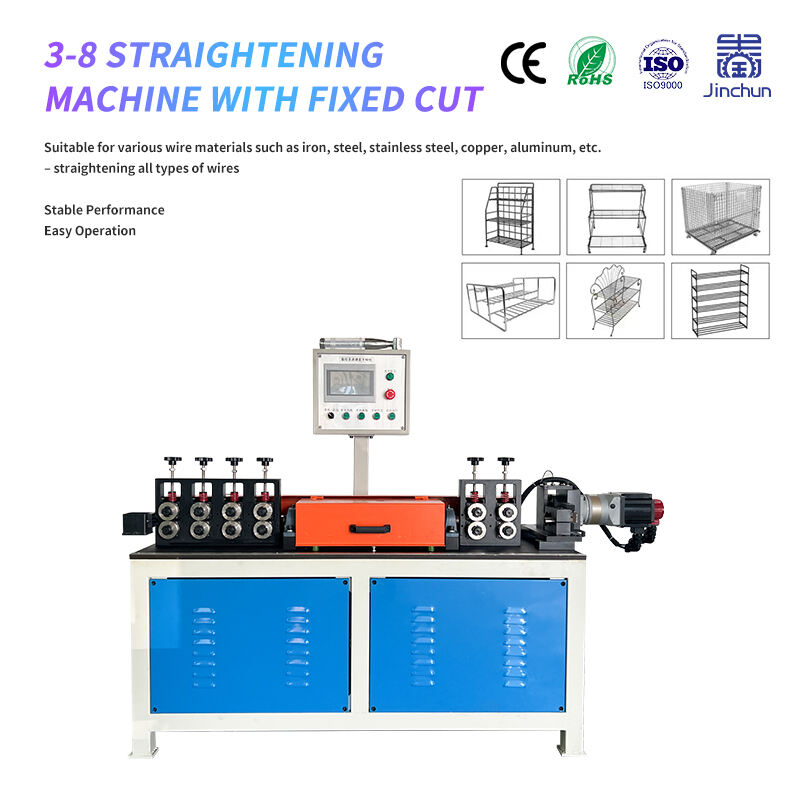
Manufacturing and construction industries rely heavily on precision equipment to ensure quality outcomes, and wire processing represents a critical component of countless applications. Modern fabrication facilities demand machinery that can handle various wire diameters while maintaining consistent straightness tolerances. The selection of appropriate wire processing equipment directly impacts production efficiency, material waste reduction, and final product quality. Understanding the technical specifications and operational capabilities of different machine models helps businesses make informed purchasing decisions that align with their specific production requirements.
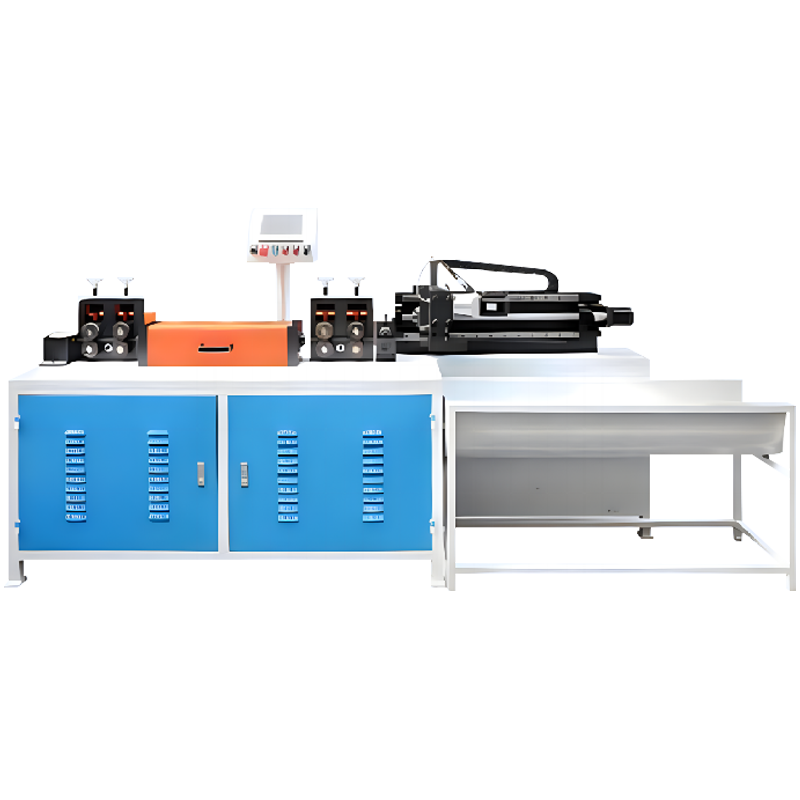
Understanding Wire Straightening Technology
Fundamental Operating Principles
Wire straightening equipment operates on mechanical principles that apply controlled tension and pressure to eliminate bends, kinks, and irregularities in metal wire stock. The process involves feeding wire through a series of precisely aligned rollers or dies that gradually correct deformations while maintaining the wire's structural integrity. Advanced systems incorporate adjustable pressure settings that accommodate different wire materials, from soft copper to hardened steel alloys. Temperature control mechanisms prevent material stress during the straightening process, ensuring consistent results across extended production runs.
Modern wire straightening systems integrate sophisticated monitoring capabilities that detect variations in wire diameter and material properties in real-time. These systems automatically adjust processing parameters to maintain optimal straightening force without exceeding the material's elastic limit. Precision sensors monitor wire tension throughout the straightening cycle, preventing over-processing that could weaken the material or cause surface defects. The integration of digital control systems enables operators to store multiple processing profiles for different wire specifications, streamlining changeover procedures and reducing setup times.
Material Compatibility and Processing Range
Contemporary wire straightening equipment accommodates an extensive range of materials including carbon steel, stainless steel, aluminum, copper, brass, and specialty alloys used in aerospace and medical applications. Each material requires specific processing parameters based on its mechanical properties, elastic modulus, and work hardening characteristics. High-carbon steel wires demand greater straightening force compared to softer materials like aluminum or copper, necessitating robust machine construction and powerful drive systems. The ability to process various material types within a single machine platform provides manufacturers with operational flexibility and equipment investment efficiency.
Wire diameter capabilities typically range from fine gauge applications as small as 0.5mm up to heavy-duty processing of 12mm or larger diameters. Processing speed varies significantly based on wire diameter and material properties, with fine wires often achieving speeds exceeding 100 meters per minute while larger diameters may process at 20-30 meters per minute. Machine manufacturers provide detailed processing charts that specify optimal speed and pressure settings for different wire specifications, enabling operators to achieve consistent results while maximizing throughput. Understanding these material-specific requirements helps facilities select equipment that matches their production portfolio and quality standards.
Key Performance Specifications
Speed and Throughput Capabilities
Production speed represents a critical performance metric for wire processing operations, directly impacting manufacturing costs and delivery schedules. High-performance wire straightening machine models achieve processing speeds up to 35 meters per minute for medium-diameter wires, with specialized high-speed units reaching even greater throughput rates. Speed capabilities depend on multiple factors including wire diameter, material hardness, required straightness tolerance, and machine design characteristics. Facilities processing large volumes benefit from equipment that maintains consistent quality at maximum rated speeds, reducing per-unit processing costs and improving overall equipment effectiveness.
Throughput optimization requires careful consideration of upstream and downstream processes to ensure balanced production flow. Wire straightening equipment must integrate seamlessly with feeding mechanisms, cutting systems, and packaging equipment to maintain continuous operation. Buffer systems and accumulator mechanisms help manage speed variations between different process stages, preventing bottlenecks that reduce overall system efficiency. Modern installations incorporate automated material handling systems that minimize manual intervention while maintaining precise wire positioning throughout the processing sequence.
Precision and Quality Standards
Straightness tolerances achieved by modern wire processing equipment typically range from ±0.1mm to ±0.5mm per meter of processed wire, depending on the specific machine design and application requirements. Achieving these precision levels requires rigid machine construction, precise roller alignment, and sophisticated control systems that maintain consistent processing parameters. Quality assurance systems incorporate real-time measurement capabilities that monitor straightness throughout the production cycle, automatically flagging any deviations that exceed specified tolerances. These monitoring systems help maintain consistent quality while reducing waste and rework costs.
Surface finish quality represents another critical performance parameter, particularly for applications requiring subsequent coating, plating, or welding operations. Advanced wire straightening systems minimize surface marking through optimized roller materials, proper lubrication systems, and controlled processing forces. Ceramic or hardened steel rollers provide extended service life while maintaining smooth surface finishes that meet demanding application requirements. Regular maintenance schedules and roller replacement protocols ensure sustained quality performance throughout the equipment's operational lifetime.
Advanced Features and Technology Integration
Automation and Control Systems
Contemporary wire processing facilities increasingly rely on automated systems that reduce labor requirements while improving consistency and safety. Programmable logic controllers enable operators to store multiple processing recipes for different wire specifications, automatically adjusting machine parameters during product changeovers. Human-machine interfaces provide intuitive operation controls and real-time production monitoring, displaying critical parameters including processing speed, straightening force, and quality metrics. These systems generate detailed production reports that support quality documentation and continuous improvement initiatives.
Integration with factory automation systems enables remote monitoring and control capabilities that support lean manufacturing principles. Ethernet connectivity allows machine data integration with enterprise resource planning systems, providing real-time production visibility and automated scheduling capabilities. Predictive maintenance algorithms analyze machine performance data to identify potential issues before they impact production, reducing unplanned downtime and maintenance costs. These technological advances help manufacturers optimize equipment utilization while maintaining high quality standards.
Safety and Compliance Features
Modern wire straightening equipment incorporates comprehensive safety systems that protect operators while ensuring compliance with international safety standards. Emergency stop systems provide immediate machine shutdown capability from multiple locations, while safety interlocks prevent operation when protective guards are open or safety systems are bypassed. Light curtain systems and pressure-sensitive safety mats detect operator presence in hazardous areas, automatically stopping machine operation to prevent injuries. These safety features represent essential requirements for equipment installation in regulated industrial environments.
Compliance with CE certification standards ensures equipment meets European safety and electromagnetic compatibility requirements, facilitating international equipment installations. Noise reduction features including sound enclosures and vibration isolation systems help facilities meet workplace noise regulations while improving operator comfort. Electrical systems incorporate proper grounding, emergency disconnect switches, and protection against electrical hazards that could impact worker safety or equipment reliability. Regular safety audits and operator training programs help maintain safe working conditions throughout the equipment's operational lifetime.
Installation and Operational Considerations
Facility Requirements and Setup
Proper installation of wire processing equipment requires careful attention to foundation requirements, utility connections, and environmental conditions that impact performance and reliability. Concrete foundations must provide adequate support and vibration isolation to maintain precision alignment during operation. Electrical requirements typically include three-phase power connections with appropriate voltage ratings and electrical protection systems. Compressed air systems support pneumatic controls and cleaning functions, while proper ventilation helps maintain optimal operating temperatures and removes airborne contaminants.
Space planning considerations include adequate clearance for material handling, maintenance access, and safety compliance. Wire storage and feeding systems require sufficient floor space and structural support for coil handling equipment. Downstream processing equipment must be positioned to maintain smooth material flow while providing operator access for quality inspection and routine adjustments. Proper facility layout optimization helps maximize production efficiency while maintaining safe working conditions and equipment accessibility for maintenance operations.
Maintenance and Service Requirements
Preventive maintenance programs represent critical factors in maintaining equipment performance, reliability, and service life. Daily inspection procedures include checking roller alignment, lubrication levels, and drive system operation to identify potential issues before they impact production. Weekly maintenance tasks typically involve cleaning debris from processing areas, inspecting wear components, and verifying control system calibration. Monthly maintenance schedules include comprehensive inspections of mechanical systems, electrical connections, and safety device functionality.
Replacement part availability and service support represent important considerations when selecting wire processing equipment suppliers. Manufacturers offering comprehensive spare parts inventories and field service capabilities help minimize downtime costs and maintain production schedules. Training programs for maintenance personnel ensure proper service procedures and help identify potential problems during routine inspections. Establishing relationships with qualified service technicians provides access to specialized expertise for complex repairs and system upgrades that extend equipment life and improve performance capabilities.
Market Analysis and Selection Criteria
Leading Manufacturers and Technologies
The global wire processing equipment market includes several established manufacturers offering specialized solutions for different application requirements and production scales. European manufacturers traditionally focus on high-precision applications with advanced automation capabilities, while Asian suppliers often provide cost-effective solutions for high-volume production environments. Technology differentiation factors include processing speed capabilities, material compatibility ranges, automation features, and service support availability. Understanding these market dynamics helps buyers identify suppliers that align with their specific operational requirements and budget constraints.
Emerging technologies including artificial intelligence integration, advanced sensor systems, and cloud-based monitoring capabilities represent future development directions that may influence equipment selection decisions. Manufacturers investing in research and development activities typically offer more advanced features and better long-term support compared to suppliers focused solely on cost competition. Evaluating manufacturer stability, technology roadmaps, and customer support capabilities helps ensure equipment investments provide sustained value throughout their operational lifetime.
Cost-Benefit Analysis Framework
Equipment investment decisions require comprehensive analysis of initial purchase costs, installation expenses, and ongoing operational costs including energy consumption, maintenance, and replacement parts. High-speed processing capabilities may justify premium equipment costs through increased throughput and reduced labor requirements. Energy-efficient drive systems and optimized processing parameters help reduce operational costs while supporting sustainability initiatives. Total cost of ownership calculations should include productivity improvements, quality enhancements, and reduced waste generation that contribute to overall profitability.
Return on investment analysis must consider both quantitative factors such as increased production capacity and qualitative benefits including improved product quality and customer satisfaction. Financing options including equipment leasing and manufacturer financing programs can help facilities acquire advanced technology while preserving working capital for other operational needs. The wire straightening machine selection process should balance immediate operational needs with future growth plans and changing market requirements that may impact production demands.
FAQ
What wire diameters can modern straightening equipment process
Contemporary wire straightening machines typically accommodate wire diameters ranging from 0.5mm to 12mm or larger, depending on the specific model and manufacturer specifications. High-precision units designed for fine wire applications may handle diameters as small as 0.1mm, while heavy-duty industrial models can process wires up to 25mm in diameter. The processing range depends on machine design, roller configuration, and drive system capabilities. Most manufacturers offer multiple model series optimized for different diameter ranges to ensure optimal performance and cost-effectiveness for specific applications.
How do processing speeds vary with different materials
Processing speeds vary significantly based on wire material properties, with soft materials like aluminum and copper achieving higher speeds compared to hardened steel or specialty alloys. Typical speeds range from 10-15 meters per minute for large diameter hard materials to over 100 meters per minute for fine gauge soft wires. Material work hardening characteristics, elastic modulus, and surface finish requirements influence optimal processing parameters. Manufacturers provide detailed processing guidelines that specify recommended speeds and settings for different material and diameter combinations to achieve optimal quality and productivity.
What maintenance intervals are required for optimal performance
Maintenance schedules depend on production volume, operating conditions, and material types being processed, but typically include daily inspections, weekly cleaning and lubrication, and monthly comprehensive system checks. High-volume operations may require more frequent maintenance intervals to maintain precision and prevent premature wear. Critical maintenance tasks include roller alignment verification, drive system inspection, control system calibration, and safety device testing. Manufacturers provide detailed maintenance manuals with specific intervals and procedures that help maximize equipment life while maintaining consistent performance standards.
How important is CE certification for international installations
CE certification represents mandatory compliance for equipment installations in European markets and provides assurance of safety and electromagnetic compatibility standards compliance. This certification facilitates equipment import procedures and helps ensure compatibility with local electrical and safety regulations. Many international buyers prefer CE-certified equipment regardless of installation location due to the rigorous testing and documentation requirements involved in the certification process. CE certification also demonstrates manufacturer commitment to quality and safety standards that often correlate with superior product design and reliability.